AI in Security Testing
Artificial Intelligence (AI) is transforming the field of security testing by enhancing the speed, accuracy, and scalability of identifying vulnerabilities in software systems. Traditional security testing methods often rely on manual processes and predefined rules, which can be time-consuming and limited in detecting sophisticated or evolving threats. AI introduces advanced capabilities such as machine learning, pattern recognition, and predictive analytics, enabling more proactive and adaptive security strategies.
One of the primary applications of AI in security testing is automated vulnerability detection. AI-powered tools can analyze large volumes of code and system behavior to identify potential weaknesses, including zero-day vulnerabilities that are difficult to detect using conventional methods. By learning from historical data and known attack patterns, these systems continuously improve their detection capabilities. For example, machine learning models can recognize anomalies in network traffic or application behavior, flagging suspicious activities that may indicate a security breach.
Another significant advantage is intelligent penetration testing. AI-driven systems can simulate cyberattacks more efficiently by dynamically adjusting their strategies based on the target system’s responses. This approach, often referred to as autonomous penetration testing, reduces the need for extensive human intervention while increasing the depth and coverage of testing. Tools leveraging AI can prioritize vulnerabilities based on risk levels, allowing security teams to focus on the most critical issues first.
AI also enhances threat modeling and risk assessment. By analyzing vast datasets from previous incidents, AI systems can predict potential attack vectors and assess the likelihood of exploitation. This predictive capability helps organizations implement preventive measures before vulnerabilities are exploited. Additionally, AI can assist in compliance monitoring by continuously evaluating systems against security standards and regulations.
Despite its advantages, the use of AI in security testing presents certain challenges. One concern is the possibility of adversarial attacks, where malicious actors manipulate AI models to evade detection. Furthermore, the effectiveness of AI systems heavily depends on the quality and diversity of the training data. Poor data can lead to inaccurate predictions or missed vulnerabilities. There is also a need for skilled professionals who can interpret AI-generated insights and integrate them into broader security strategies.
Ethical considerations are equally important. The automation of security testing must be carefully managed to ensure that it does not inadvertently exploit systems or violate privacy regulations. Transparency in AI decision-making processes is crucial to building trust and ensuring accountability.
For further reading, refer to the following resources:
- https://www.ibm.com/topics/artificial-intelligence-security
- https://owasp.org/www-project-top-ten/
- https://www.microsoft.com/en-us/security/business/security-101/what-is-ai-security
In conclusion, AI is revolutionizing security testing by enabling faster, smarter, and more comprehensive identification of vulnerabilities. While challenges remain, its integration into cybersecurity practices is becoming essential for organizations aiming to defend against increasingly complex threats.
#AI in Security Testing in India
What is AI in Security Testing?
Artificial Intelligence (AI) in security testing refers to the application of advanced computational techniques—such as machine learning, natural language processing, and pattern recognition—to identify, analyze, and mitigate vulnerabilities in software systems, networks, and applications. Unlike traditional security testing methods, which depend heavily on manual processes and predefined rules, AI-driven approaches enable automated, adaptive, and intelligent detection of security threats.
At its core, AI in security testing enhances the efficiency and effectiveness of identifying weaknesses by analyzing vast amounts of data at high speed. These systems are trained on historical security data, known vulnerabilities, and attack patterns, allowing them to recognize both existing and emerging threats. For instance, AI models can detect anomalies in system behavior, such as unusual login attempts or irregular network traffic, which may indicate potential cyberattacks.
One of the key features of AI in this domain is automated vulnerability scanning. AI-powered tools can continuously scan codebases and systems to uncover issues like SQL injection, cross-site scripting (XSS), and misconfigurations. Unlike static tools, AI systems learn from each scan, improving their accuracy over time and reducing false positives. This continuous learning capability makes them particularly valuable in dynamic environments where threats evolve rapidly.
Another important aspect is intelligent penetration testing. AI can simulate cyberattacks by adapting its strategies based on the target system’s responses. This allows for more realistic and comprehensive testing compared to traditional methods. AI-driven penetration testing tools can also prioritize vulnerabilities based on their severity and potential impact, helping organizations focus on the most critical risks.
AI also plays a significant role in predictive threat analysis. By leveraging large datasets, AI systems can forecast potential attack vectors and identify areas of weakness before they are exploited. This proactive approach shifts security testing from a reactive process to a preventive one, enabling organizations to strengthen their defenses in advance.
Despite its advantages, AI in security testing is not without challenges. The accuracy of AI models depends heavily on the quality of the data used for training. Incomplete or biased data can lead to incorrect predictions. Additionally, attackers may attempt to exploit AI systems through adversarial techniques designed to bypass detection mechanisms.
For further exploration, the following resources provide detailed insights:
- https://www.ibm.com/topics/artificial-intelligence-security
- https://owasp.org/www-project-top-ten/
- https://learn.microsoft.com/en-us/security/
In summary, AI in security testing represents a modern approach to safeguarding digital systems by combining automation, intelligence, and adaptability. It enables faster detection of vulnerabilities, more efficient testing processes, and a proactive defense against increasingly sophisticated cyber threats.
#AI in Security Testing in Maharashtra
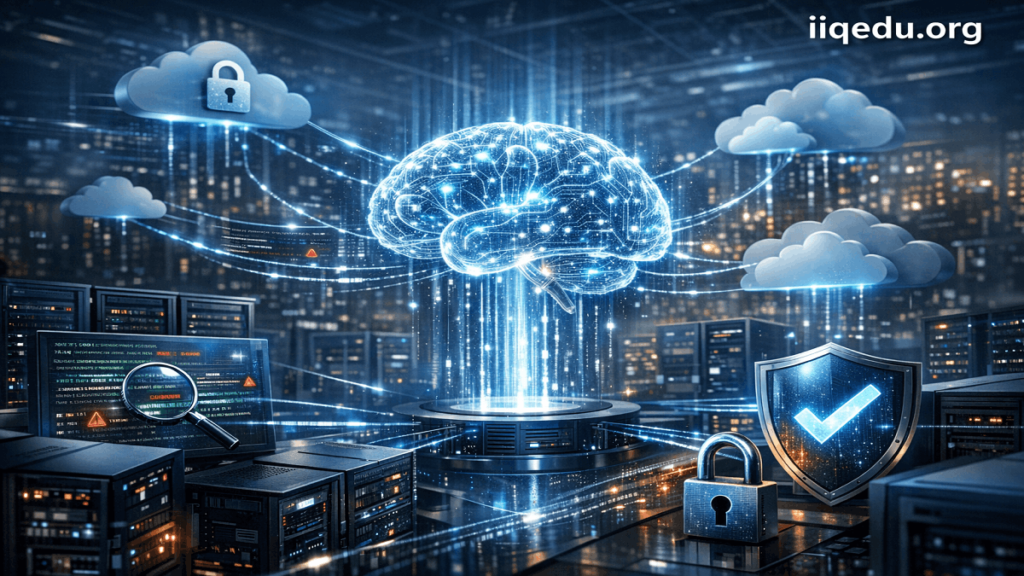
Who is AI in Security Testing required?
AI in security testing is required by a wide range of stakeholders involved in the development, deployment, and maintenance of digital systems. As cyber threats become more complex and frequent, traditional security methods are often insufficient, making AI-driven approaches essential for ensuring robust protection. The need for AI in security testing spans across technical teams, organizations, and industries that rely on secure digital infrastructure.
Firstly, software developers and development teams require AI in security testing to identify vulnerabilities early in the software development lifecycle. Integrating AI-powered tools into DevSecOps pipelines allows developers to detect issues such as insecure coding practices, misconfigurations, and potential exploits before the software is released. This reduces the cost and effort associated with fixing vulnerabilities at later stages.
Cybersecurity professionals and ethical hackers also benefit significantly from AI in security testing. These experts use AI-driven tools to perform advanced vulnerability assessments and penetration testing. AI enhances their ability to simulate real-world attacks, analyze large datasets, and uncover hidden threats that might be missed through manual testing. This improves the overall effectiveness and efficiency of security operations.
Organizations and enterprises across various sectors—including finance, healthcare, e-commerce, and government—require AI in security testing to protect sensitive data and maintain regulatory compliance. Businesses that handle large volumes of user data are particularly vulnerable to cyberattacks, making continuous and intelligent security testing crucial. AI helps these organizations monitor systems in real time, detect anomalies, and respond quickly to potential breaches.
Cloud service providers and IT infrastructure teams also rely on AI-driven security testing. As cloud environments are dynamic and highly scalable, manual security monitoring becomes impractical. AI enables automated scanning and continuous assessment of cloud configurations, ensuring that vulnerabilities are promptly identified and addressed. This is especially important for organizations using platforms such as Amazon Web Services, Microsoft Azure, or Google Cloud.
In addition, regulatory bodies and compliance teams require AI in security testing to ensure adherence to industry standards and legal requirements. AI tools can continuously evaluate systems against frameworks such as the OWASP Top Ten (https://owasp.org/www-project-top-ten/) and other security guidelines, helping organizations maintain compliance and avoid penalties.
Startups and small businesses are increasingly adopting AI in security testing as well. Although they may have limited resources, AI-powered tools provide cost-effective and scalable solutions for maintaining security without requiring large dedicated teams.
For further reading, consider the following resources:
- https://www.ibm.com/topics/artificial-intelligence-security
- https://www.microsoft.com/en-us/security/business/security-101/what-is-ai-security
- https://cloud.google.com/security
In conclusion, AI in security testing is required by anyone responsible for building, managing, or securing digital systems. From developers and cybersecurity experts to large enterprises and small businesses, AI plays a critical role in enhancing security, improving efficiency, and addressing the challenges posed by modern cyber threats.
#AI in Security Testing in Chennai
When is AI in Security Testing required?
AI in security testing is required at multiple stages of the software development lifecycle and throughout the operational lifespan of digital systems. Its importance arises from the need to proactively identify vulnerabilities, respond to evolving cyber threats, and ensure continuous protection in increasingly complex technological environments.
One of the primary instances when AI in security testing is required is during the software development phase. Integrating AI into development pipelines—commonly referred to as DevSecOps—allows teams to detect vulnerabilities early in the coding and design stages. This includes identifying insecure code patterns, misconfigurations, and potential entry points for attackers. Early detection significantly reduces the cost and complexity of remediation compared to addressing issues after deployment.
AI is also essential before software deployment, during the testing and quality assurance phase. At this stage, AI-driven tools perform comprehensive vulnerability assessments and simulate real-world attack scenarios. These intelligent systems can adapt their testing strategies based on application behavior, ensuring deeper and more accurate analysis than traditional testing methods. This helps organizations release secure and reliable software products.
Another critical time when AI in security testing is required is during continuous monitoring after deployment. Modern applications operate in dynamic environments, particularly in cloud-based infrastructures, where configurations and user interactions change frequently. AI enables real-time monitoring of system activities, detecting anomalies such as unusual access patterns, data transfers, or system behavior that may indicate a security breach. This ongoing surveillance is crucial for minimizing response time and limiting potential damage.
AI is also necessary when organizations face high volumes of data and complex systems. In such scenarios, manual security testing becomes inefficient and prone to errors. AI can process and analyze large datasets quickly, identifying patterns and correlations that would be difficult for humans to detect. This makes it particularly valuable for large enterprises, financial institutions, and e-commerce platforms that handle sensitive information.
Additionally, AI in security testing is required when dealing with advanced and evolving cyber threats. Attackers continuously develop new techniques to bypass traditional security measures. AI systems, with their ability to learn and adapt, can recognize new attack patterns and predict potential threats before they are exploited. This proactive approach strengthens an organization’s overall security posture.
Compliance and regulatory requirements also drive the need for AI in security testing. Organizations must regularly assess their systems against security standards and frameworks to avoid legal and financial penalties. AI tools can automate compliance checks and provide continuous assurance that systems meet required guidelines.
For further reference, the following resources provide additional insights:
- https://www.ibm.com/topics/artificial-intelligence-security
- https://owasp.org/www-project-top-ten/
- https://learn.microsoft.com/en-us/security/
In conclusion, AI in security testing is required during development, pre-deployment testing, post-deployment monitoring, and whenever organizations need to manage complex systems or defend against sophisticated threats. Its role is critical in ensuring continuous, efficient, and proactive cybersecurity management.
#AI in Security Testing in Delhi
Where is AI in Security Testing required?
AI in security testing is required across a wide range of environments where digital systems, data, and networked applications operate. As organizations increasingly rely on interconnected technologies, the need for intelligent and automated security testing becomes essential in multiple domains to ensure protection against evolving cyber threats.
One of the primary areas where AI in security testing is required is in software development environments. Within development pipelines, particularly in DevSecOps frameworks, AI tools are integrated to continuously scan source code, APIs, and application components for vulnerabilities. This ensures that security is embedded from the earliest stages of development, reducing the risk of deploying insecure applications.
AI is also crucial in cloud computing environments. Platforms such as Amazon Web Services (https://aws.amazon.com/security/), Microsoft Azure (https://azure.microsoft.com/en-in/solutions/security/), and Google Cloud (https://cloud.google.com/security) host large-scale applications and sensitive data. These environments are dynamic, with frequent configuration changes and scalability requirements. AI-driven security testing tools monitor cloud infrastructures in real time, identify misconfigurations, detect unauthorized access, and ensure compliance with security standards.
Another important area is enterprise IT infrastructure, including corporate networks, servers, and databases. Organizations use AI to continuously assess internal systems for vulnerabilities, detect anomalies in network traffic, and prevent data breaches. This is particularly important for industries such as banking, healthcare, and e-commerce, where sensitive information must be protected at all times.
Web applications and mobile applications are also key areas where AI in security testing is required. These platforms are often exposed to the internet, making them prime targets for cyberattacks such as SQL injection, cross-site scripting (XSS), and authentication bypasses. AI tools can simulate attacks, analyze user behavior, and identify security flaws in real time, ensuring that applications remain secure for end users.
AI is equally important in Internet of Things (IoT) environments. IoT devices, such as smart home systems, wearable devices, and industrial sensors, often have limited built-in security and are highly vulnerable to attacks. AI helps in monitoring device behavior, detecting unusual activity, and identifying potential entry points for attackers across interconnected devices.
In addition, AI in security testing is required in cybersecurity operations centers (SOCs). These centers handle large volumes of security data generated from various sources, including logs, alerts, and network traffic. AI systems assist analysts by filtering noise, prioritizing threats, and providing actionable insights, enabling faster and more effective incident response.
Critical infrastructure sectors—such as energy, transportation, and government systems—also rely on AI-driven security testing. These environments require continuous monitoring and advanced threat detection to prevent disruptions that could have significant societal and economic impacts.
For further reading, the following resources provide detailed information:
- https://www.ibm.com/topics/artificial-intelligence-security
- https://owasp.org/www-project-top-ten/
- https://cloud.google.com/security
In conclusion, AI in security testing is required wherever digital systems operate, including development environments, cloud platforms, enterprise networks, applications, IoT ecosystems, and critical infrastructure. Its ability to provide continuous, intelligent, and scalable security makes it indispensable in today’s technology-driven world.
#AI in Security Testing in Ahemdabad
How is AI in Security Testing required?
AI in security testing is required through its practical implementation in processes, tools, and methodologies that enhance the identification, analysis, and mitigation of security vulnerabilities. It is not merely a conceptual addition but is actively integrated into cybersecurity workflows to improve efficiency, accuracy, and scalability in handling modern threats.
One of the primary ways AI is required in security testing is through automated vulnerability scanning. AI-powered tools analyze source code, system configurations, and application behavior to detect weaknesses such as injection flaws, authentication issues, and misconfigurations. Unlike traditional tools, AI systems learn from past scans and continuously improve their detection capabilities, reducing false positives and increasing accuracy over time.
Another key implementation is in intelligent penetration testing. AI-driven systems simulate real-world cyberattacks by adapting their strategies based on the responses of the target system. This dynamic approach allows for deeper and more comprehensive testing compared to static, rule-based methods. AI can also prioritize vulnerabilities based on risk level, enabling organizations to focus on the most critical threats first.
AI is also required in real-time threat detection and monitoring. By analyzing large volumes of network traffic, system logs, and user behavior, AI models can identify anomalies that may indicate malicious activity. For example, unusual login patterns or unexpected data transfers can be flagged immediately. This capability significantly reduces the time required to detect and respond to potential security incidents.
In addition, AI is applied in predictive analysis and threat intelligence. By leveraging historical data and known attack patterns, AI systems can forecast potential vulnerabilities and attack vectors. This proactive approach allows organizations to strengthen their defenses before an actual breach occurs, shifting security testing from a reactive to a preventive model.
AI is further required in compliance and risk management. Security standards and frameworks, such as those outlined by the Open Web Application Security Project (https://owasp.org/www-project-top-ten/), require continuous assessment of systems. AI tools automate this process by continuously evaluating systems against compliance requirements and generating reports, ensuring that organizations meet regulatory standards efficiently.
Integration with DevSecOps pipelines is another critical aspect. AI tools are embedded into continuous integration and continuous deployment (CI/CD) workflows, enabling continuous security testing throughout the software development lifecycle. This ensures that vulnerabilities are identified and addressed at every stage, from development to deployment.
For further reference, the following resources provide additional insights:
- https://www.ibm.com/topics/artificial-intelligence-security
- https://learn.microsoft.com/en-us/security/
- https://cloud.google.com/security
In conclusion, AI in security testing is required through its integration into automated scanning, intelligent penetration testing, real-time monitoring, predictive analysis, compliance management, and development workflows. Its implementation enables organizations to achieve faster, more accurate, and proactive security testing, making it a critical component of modern cybersecurity practices.
#AI in Security Testing in Hyderabad
Case Study of AI in Security Testing
A practical case study of AI in security testing can be observed in large-scale enterprise environments, particularly in organizations that manage vast amounts of sensitive data and complex digital infrastructures. One notable example is the implementation of AI-driven security testing by IBM through its AI platform, IBM Watson, to enhance cybersecurity operations.
In this case, a global financial services organization faced challenges in identifying and mitigating vulnerabilities across its web applications and internal systems. Traditional security testing methods were proving insufficient due to the scale of operations, high volume of transactions, and increasingly sophisticated cyber threats. The organization required a solution that could provide continuous monitoring, rapid vulnerability detection, and intelligent threat analysis.
To address these challenges, the organization adopted AI-powered security testing tools integrated with IBM Watson. The system was trained on large datasets containing historical cyberattack patterns, known vulnerabilities, and security incidents. By leveraging machine learning algorithms, the AI system could analyze application code, network traffic, and user behavior in real time.
One of the key implementations was automated vulnerability detection. The AI system continuously scanned the organization’s applications and infrastructure, identifying issues such as injection vulnerabilities, insecure APIs, and configuration errors. Unlike traditional tools, the AI model improved over time, learning from previous findings and reducing false positives. This significantly enhanced the efficiency of the security team.
Another critical component was intelligent threat detection. The AI system monitored network activity and flagged anomalies, such as unusual login attempts or abnormal data transfers. By correlating these anomalies with known attack patterns, the system could identify potential threats at an early stage. This allowed the organization to respond proactively, minimizing the risk of data breaches.
The organization also implemented AI-driven penetration testing. The system simulated cyberattacks by dynamically adjusting its approach based on system responses. This enabled deeper testing coverage and helped uncover hidden vulnerabilities that manual testing had previously missed.
The results of this implementation were substantial. The organization reported a significant reduction in the time required to detect and remediate vulnerabilities. Security teams were able to prioritize high-risk issues more effectively, improving overall risk management. Additionally, the integration of AI reduced operational costs by automating repetitive testing tasks and minimizing the need for extensive manual intervention.
However, the case study also highlighted certain challenges. The effectiveness of the AI system depended heavily on the quality of training data, and initial setup required significant investment in infrastructure and expertise. There were also concerns regarding the interpretability of AI-generated insights, which required skilled professionals to validate and act upon the findings.
For further reading, the following resources provide additional context:
- https://www.ibm.com/security/artificial-intelligence
- https://www.microsoft.com/en-us/security/business/security-101/what-is-ai-security
- https://owasp.org/www-project-top-ten/
In conclusion, this case study demonstrates how AI in security testing can transform cybersecurity practices by enabling continuous, intelligent, and scalable protection. While challenges remain, the benefits of improved detection, faster response, and enhanced efficiency make AI a critical tool in modern security testing strategies.
#AI in Security Testing in Pune
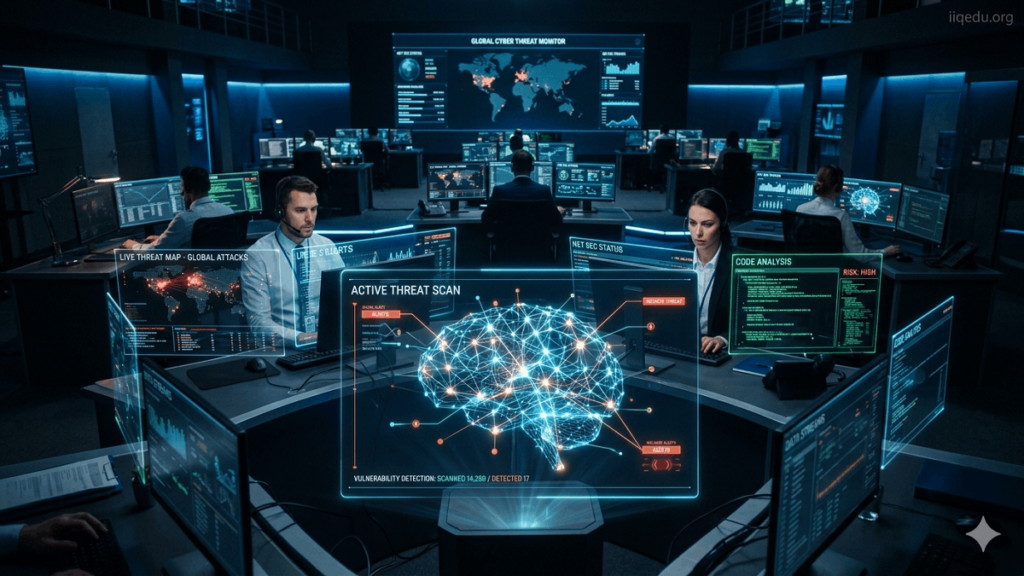
White Paper of AI in Security Testing
Artificial Intelligence (AI) in security testing represents a transformative approach to identifying, analyzing, and mitigating vulnerabilities in modern digital systems. As software development accelerates and cyber threats become more sophisticated, traditional security testing methods struggle to keep pace. This white paper outlines the role, architecture, benefits, challenges, and future scope of AI-driven security testing.
1. Introduction
The rapid evolution of digital technologies, cloud computing, and continuous deployment has significantly increased the attack surface of applications. Traditional security testing methods, such as manual penetration testing and rule-based scanners, are often reactive and limited in scalability. AI introduces intelligent automation that enables proactive, continuous, and adaptive security testing across systems.
According to recent white paper research, the shortage of skilled penetration testers and the increasing complexity of applications have created a critical gap in cybersecurity capabilities, which AI aims to address.
2. Role of AI in Security Testing
AI enhances security testing through several key capabilities:
- Automated Vulnerability Detection: AI systems analyze code, configurations, and runtime behavior to identify vulnerabilities with improved accuracy.
- Intelligent Penetration Testing: AI simulates cyberattacks dynamically, adapting strategies based on system responses.
- Anomaly Detection: Machine learning models detect unusual patterns in network traffic and user behavior.
- Predictive Threat Analysis: AI forecasts potential attack vectors using historical and real-time data.
Modern AI systems can understand code context and provide real-time insights, enabling continuous security across the software development lifecycle.
3. Architecture of AI-Based Security Testing
AI-driven security testing typically involves:
- Data Collection Layer: Gathers logs, code repositories, and network data.
- Processing Layer: Applies machine learning algorithms to identify patterns and anomalies.
- Decision Layer: Prioritizes vulnerabilities and recommends remediation actions.
- Feedback Loop: Continuously improves model accuracy through learning.
Advanced systems also integrate with DevSecOps pipelines, ensuring continuous testing from development to deployment.
4. Benefits
AI in security testing offers several advantages:
- Scalability: Handles large and complex systems efficiently
- Speed: Detects vulnerabilities faster than manual methods
- Accuracy: Reduces false positives through continuous learning
- Cost Efficiency: Minimizes reliance on manual testing resources
AI can also help mitigate the shortage of cybersecurity professionals by automating routine tasks.
5. Challenges and Risks
Despite its advantages, AI in security testing presents challenges:
- Data Dependency: Poor-quality data can lead to inaccurate results
- Adversarial Attacks: Attackers may exploit AI models themselves
- Lack of Transparency: AI decision-making can be difficult to interpret
- Integration Complexity: Requires significant infrastructure and expertise
Additionally, AI can introduce new security risks if not properly secured and monitored.
6. Future Scope
The future of AI in security testing includes autonomous security systems, AI-driven red teaming, and real-time adaptive defense mechanisms. Continuous security testing platforms are emerging, enabling organizations to maintain constant vigilance against threats.
7. Conclusion
AI in security testing is reshaping cybersecurity by enabling intelligent, automated, and proactive defense strategies. While challenges remain, its ability to scale, adapt, and predict threats makes it an essential component of modern security frameworks. Organizations adopting AI-driven testing will be better equipped to handle the complexities of evolving cyber threats.
References
- https://nimis.ai/whitepaper/
- https://www.aptori.com/whitepaper/ai-in-application-security-free-white-paper
- https://en.acatech.de/publication/artificial-intelligence-and-it-security/
- https://ridgesecurity.ai/whitepaper/ridgebot-white-paper/
#AI in Security Testing in Banglore
Industry Application of AI in Security Testing
Artificial Intelligence (AI) in security testing has become a critical component across multiple industries due to the increasing reliance on digital systems and the growing sophistication of cyber threats. By enabling automated, intelligent, and scalable security processes, AI enhances the ability of organizations to detect vulnerabilities, prevent breaches, and ensure compliance with industry regulations.
In the financial services industry, AI is extensively used to secure online banking platforms, payment systems, and transaction processing networks. Financial institutions handle highly sensitive data, making them prime targets for cyberattacks. AI-driven security testing tools continuously monitor applications and detect anomalies such as fraudulent transactions or unauthorized access attempts. These systems also perform real-time vulnerability assessments, ensuring compliance with regulatory frameworks and reducing the risk of financial loss.
In the healthcare sector, AI plays a vital role in protecting patient data and medical systems. Electronic Health Records (EHRs), telemedicine platforms, and connected medical devices require robust security testing. AI helps identify vulnerabilities in healthcare applications and ensures compliance with data protection standards. It also monitors system behavior to detect unusual activities that could indicate data breaches or ransomware attacks, which are increasingly common in healthcare environments.
The e-commerce and retail industry relies heavily on AI in security testing to safeguard customer data, payment gateways, and online platforms. AI systems analyze user behavior, detect fraudulent activities, and identify vulnerabilities in web and mobile applications. By continuously scanning for threats such as SQL injection and cross-site scripting (XSS), AI ensures a secure shopping experience and maintains customer trust.
In the technology and software industry, companies integrate AI into DevSecOps pipelines to ensure continuous security testing throughout the software development lifecycle. AI tools automatically scan code, detect vulnerabilities, and simulate attacks before deployment. This is particularly important for organizations developing cloud-based applications and services, where rapid updates and scalability require constant security validation.
The telecommunications industry uses AI to secure network infrastructure and communication systems. With the expansion of 5G networks and increased data traffic, telecom providers face complex security challenges. AI-driven testing tools monitor network behavior, detect anomalies, and prevent unauthorized access, ensuring the reliability and integrity of communication services.
In the government and defense sector, AI is applied to protect critical infrastructure, national databases, and defense systems. Security testing powered by AI helps detect advanced persistent threats (APTs) and ensures continuous monitoring of sensitive systems. This is essential for maintaining national security and preventing cyber espionage.
The manufacturing and industrial sector, particularly in Industrial IoT (IIoT) environments, also benefits from AI in security testing. AI monitors connected devices, detects vulnerabilities in industrial control systems, and prevents disruptions caused by cyberattacks. This ensures operational continuity and protects critical production processes.
For further reading, the following resources provide additional insights:
- https://www.ibm.com/topics/artificial-intelligence-security
- https://owasp.org/www-project-top-ten/
- https://cloud.google.com/security
In conclusion, AI in security testing is widely applied across industries including finance, healthcare, e-commerce, technology, telecommunications, government, and manufacturing. Its ability to provide continuous, intelligent, and proactive security makes it an indispensable tool for organizations aiming to protect their digital assets in an increasingly complex threat landscape.
#AI in Security Testing in Mumbai
Ask FAQs
What is AI in security testing?
AI in security testing refers to the use of artificial intelligence technologies, such as machine learning and data analytics, to identify, analyze, and mitigate vulnerabilities in software systems and networks. Unlike traditional methods, AI enables automated and adaptive testing, improving the speed and accuracy of detecting security flaws. It helps organizations proactively address threats rather than reacting after a breach occurs.
For more details, visit: https://www.ibm.com/topics/artificial-intelligence-security
How does AI improve security testing processes?
AI enhances security testing by automating repetitive tasks, analyzing large datasets, and detecting patterns that may indicate vulnerabilities or attacks. It reduces false positives, prioritizes risks based on severity, and enables continuous monitoring of systems. AI-driven tools can also simulate real-world cyberattacks, providing deeper insights into system weaknesses.
Learn more at: https://learn.microsoft.com/en-us/security/
What are the main benefits of using AI in security testing?
The key benefits include increased efficiency, faster vulnerability detection, improved accuracy, scalability, and cost reduction. AI allows organizations to handle complex systems and large volumes of data effectively. It also supports proactive threat detection, helping prevent cyberattacks before they occur.
Reference: https://cloud.google.com/security
What challenges are associated with AI in security testing?
Despite its advantages, AI in security testing faces challenges such as dependency on high-quality training data, risk of adversarial attacks, lack of transparency in decision-making, and integration complexity. Additionally, organizations require skilled professionals to interpret AI-generated results and implement appropriate security measures.
Further reading: https://owasp.org/www-project-top-ten/
Which industries benefit the most from AI in security testing?
Industries that handle sensitive data and complex digital systems benefit the most, including finance, healthcare, e-commerce, technology, telecommunications, and government sectors. These industries use AI to protect data, ensure compliance, and maintain secure operations in the face of evolving cyber threats.
Explore more: https://www.microsoft.com/en-us/security/business/security-101/what-is-ai-security
Source: IBM Technology
Table of Contents
Disclaimer:
This content is for informational and educational purposes only. While efforts have been made to ensure accuracy, it does not constitute professional cybersecurity advice. Organizations should consult qualified security professionals before implementing AI-based security testing solutions.