Biomedical Engineering Quality
Biomedical engineering quality refers to the application of standards, protocols, and best practices in the design, development, testing, and maintenance of biomedical devices, equipment, and systems to ensure safety, reliability, and effectiveness. It integrates principles from engineering, medicine, and regulatory compliance to deliver medical technologies that meet both clinical and operational requirements.
High-quality biomedical engineering ensures that medical devices—ranging from diagnostic equipment to life-support systems—perform reliably, reduce risks to patients and healthcare workers, and comply with international standards like ISO 13485 and IEC 60601.
What is Biomedical Engineering Quality?
Biomedical engineering quality is the systematic process of ensuring that biomedical devices and systems meet defined safety, performance, and regulatory standards. It covers the entire lifecycle, from design and prototyping to testing, production, and maintenance.
Key elements include:
- Device reliability and accuracy
- Patient and user safety
- Compliance with regulatory and clinical standards
- Continuous performance monitoring and improvement
2. Who Requires Biomedical Engineering Quality?
- Medical Device Manufacturers – To ensure products are safe, reliable, and market-compliant
- Hospitals and Clinics – To guarantee the proper functioning of biomedical equipment
- Regulatory Agencies – To enforce standards and certifications
- Researchers and Developers – To maintain integrity in device design and testing
- Patients – To ensure safe and effective use of medical devices
3. When is Biomedical Engineering Quality Required?
- During the design and development of biomedical devices
- While testing and validating new equipment
- During production and manufacturing for consistency and safety
- In routine maintenance and calibration of devices in healthcare facilities
- Throughout the regulatory approval process
4. Where is Biomedical Engineering Quality Required?
- Hospitals and diagnostic laboratories
- Medical device manufacturing facilities
- Research institutions and universities
- Regulatory and certification bodies
- Home healthcare environments for personal medical devices
5. How is Biomedical Engineering Quality Implemented?
- Following international standards like ISO 13485 (Medical Devices Quality Management) and IEC 60601 (Medical Electrical Equipment Safety)
- Conducting risk assessments and failure mode analysis
- Implementing quality assurance (QA) and quality control (QC) processes
- Routine testing, calibration, and preventive maintenance
- Continuous feedback and improvement loops based on clinical data
6. Case Study Example
A hospital implemented a quality management system for its biomedical devices, including ventilators, infusion pumps, and imaging machines. AI-driven monitoring and predictive maintenance reduced device downtime by 30%, improved patient safety, and ensured compliance with regulatory audits.
7. Industry Applications
- Medical Devices: Pacemakers, ventilators, MRI machines
- Laboratory Equipment: Analyzers, centrifuges, diagnostic kits
- Wearable Technology: Smart health monitors and fitness trackers
- Rehabilitation Equipment: Prosthetics and assistive devices
8. Benefits
- Enhanced patient safety and device reliability
- Compliance with regulatory standards
- Reduction in device failure and healthcare risks
- Improved operational efficiency and maintenance scheduling
- Support for innovation in medical technology
#Biomedical Engineering Quality in Maharashtra
Who is Biomedical Engineering Quality required?
Biomedical Engineering Quality is essential for anyone involved in the design, production, implementation, and use of biomedical devices and systems. It ensures safety, reliability, and regulatory compliance throughout the healthcare ecosystem.
1. Medical Device Manufacturers
- Ensure that devices such as ventilators, pacemakers, and diagnostic equipment meet international quality standards.
- Maintain reliability, safety, and regulatory compliance for market approval.
2. Hospitals and Healthcare Providers
- Guarantee that biomedical equipment is functioning accurately and safely.
- Support effective patient care by reducing risks associated with faulty or poorly maintained devices.
3. Regulatory and Certification Agencies
- Oversee compliance with standards like ISO 13485 (Medical Devices Quality Management) and IEC 60601 (Medical Electrical Equipment Safety).
- Approve devices for market entry and maintain safety oversight.
4. Biomedical Engineers and Researchers
- Apply quality principles during design, testing, and prototyping.
- Conduct risk assessments and ensure devices meet clinical and operational requirements.
5. Patients and End Users
- Rely on safe, effective, and reliable medical devices for treatment, monitoring, and wellness.
- Benefit indirectly through reduced risks of device failures or malfunctions.
6. Healthcare Technology Companies
- Ensure software and digital systems integrated with biomedical devices are secure, reliable, and compliant.
- Maintain continuous monitoring and performance feedback for device improvement.
Summary:
Biomedical Engineering Quality is required by manufacturers, healthcare providers, regulatory bodies, engineers, and patients to ensure that medical devices and systems operate safely, effectively, and in compliance with industry standards.
#Biomedical Engineering Quality in Pune
When is Biomedical Engineering Quality required?
Biomedical Engineering Quality is required at every stage of a medical device or system’s lifecycle to ensure safety, reliability, and compliance. Its application is continuous, from initial design to end-of-life maintenance, and is critical wherever patient care and medical technology intersect.
1. During Design and Development
- Quality standards must be applied when conceptualizing new devices, such as imaging systems, prosthetics, or diagnostic equipment.
- Risk assessments, usability studies, and prototyping must follow regulated procedures.
Purpose: To ensure devices are safe, functional, and compliant before production.
2. During Testing and Validation
- Biomedical devices undergo rigorous testing for accuracy, reliability, and performance under different conditions.
- Validation ensures compliance with international standards like ISO 13485 and IEC 60601.
Purpose: To detect flaws early and guarantee device effectiveness.
3. During Manufacturing and Production
- Quality checks, calibration, and batch testing ensure all units meet design specifications.
- Manufacturing processes are continuously monitored to avoid defects.
Purpose: To maintain consistency, safety, and regulatory compliance.
4. During Clinical Use and Deployment
- Hospitals and clinics monitor equipment performance, including calibration of imaging machines, ventilators, and infusion pumps.
- Preventive maintenance schedules are followed to avoid malfunctions.
Purpose: To ensure safe and reliable operation in patient care environments.
5. During Maintenance and Upgrades
- Regular preventive maintenance and software updates are necessary to maintain device quality.
- Any upgrades or modifications are validated to ensure continued compliance and performance.
Purpose: To extend device lifespan, maintain accuracy, and reduce operational risks.
6. During Regulatory Review and Certification
- Devices must undergo audits and inspections by regulatory agencies before market approval or after significant changes.
- Quality documentation and compliance reports are mandatory.
Purpose: To confirm adherence to legal, safety, and industry standards.
7. During Research and Innovation
- Biomedical engineers applying new technologies, AI integration, or wearable solutions must ensure quality standards are maintained throughout testing and trials.
Purpose: To enable safe innovation without compromising patient safety or regulatory compliance.
Summary:
Biomedical Engineering Quality is required throughout the entire lifecycle of medical devices—from design and development to deployment, maintenance, and regulatory approval. Continuous application of quality standards ensures patient safety, device reliability, and compliance with industry regulations, making it essential for healthcare providers, manufacturers, and engineers alike.
#Biomedical Engineering Quality in Hyderabad
Where is Biomedical Engineering Quality required?
Biomedical Engineering Quality is required across all environments where biomedical devices and systems are designed, manufactured, deployed, or used. Ensuring quality at every location safeguards patient safety, operational efficiency, and regulatory compliance.
1. Hospitals and Healthcare Facilities
- ICUs, operating rooms, diagnostic labs, and general wards rely on biomedical devices.
- Equipment such as ventilators, infusion pumps, imaging systems, and patient monitors must meet strict quality standards.
Purpose: To ensure safe and reliable patient care.
2. Medical Device Manufacturing Facilities
- Production units for medical devices, prosthetics, surgical instruments, and laboratory equipment.
- Quality checks, calibration, and standardized workflows are implemented to prevent defects.
Purpose: To maintain consistency, safety, and compliance during production.
3. Research and Academic Institutions
- Universities and research labs developing new biomedical technologies or testing prototypes.
- Clinical trials and device validation studies require strict adherence to quality standards.
Purpose: To ensure research outcomes are accurate, safe, and reproducible.
4. Regulatory and Certification Agencies
- National and international regulatory bodies enforce compliance with standards such as ISO 13485, IEC 60601, and FDA regulations.
- Certification labs monitor quality and safety before devices are approved for the market.
Purpose: To ensure devices are legally approved and safe for clinical use.
5. Home Healthcare and Remote Monitoring
- Personal medical devices like blood glucose monitors, wearable health trackers, and home dialysis machines.
- Quality ensures these devices function correctly outside clinical environments.
Purpose: To protect patients using medical devices independently.
6. Digital Health and Technology Companies
- AI-powered telemedicine platforms, wearable health devices, and health apps.
- Quality standards are applied to software, device integration, and data accuracy.
Purpose: To maintain reliability, safety, and trust in digital healthcare solutions.
7. Rehabilitation and Assistive Technology Centers
- Prosthetic labs, physiotherapy centers, and assistive device manufacturers.
- Quality ensures devices meet safety, durability, and functionality standards.
Purpose: To improve patient outcomes and ensure safe rehabilitation.
Summary:
Biomedical Engineering Quality is required wherever medical devices are designed, manufactured, tested, deployed, or used—including hospitals, manufacturing facilities, research labs, regulatory bodies, digital health platforms, and home care settings. Its presence ensures patient safety, device reliability, regulatory compliance, and overall healthcare quality.
#Biomedical Engineering Quality in Ahemdabad
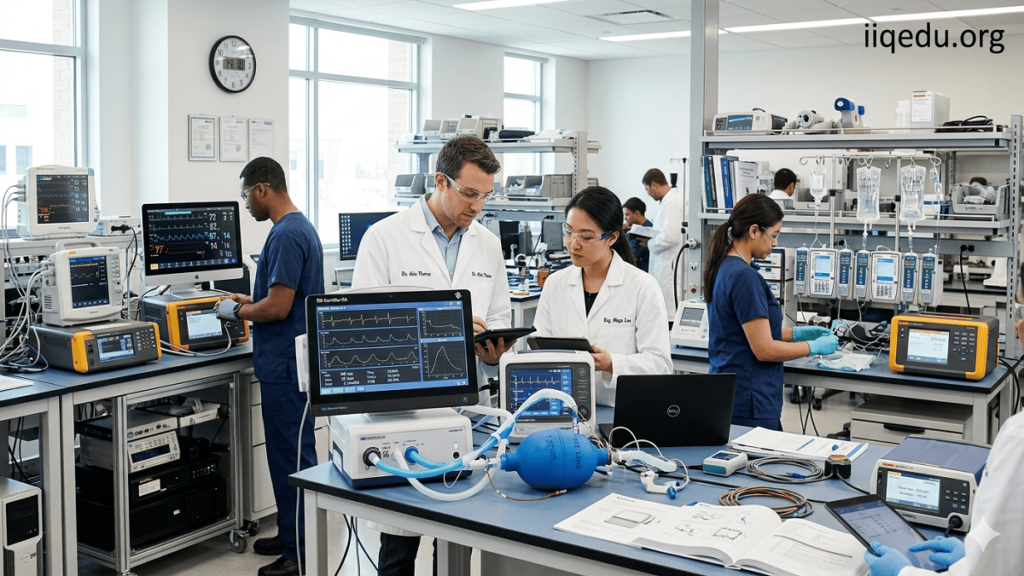
How is Biomedical Engineering Quality required?
Biomedical Engineering Quality is required through structured processes, standardized protocols, and continuous monitoring to ensure that medical devices and systems are safe, reliable, and effective. Its implementation spans design, production, clinical use, and maintenance.
1. Through Design and Development Standards
- Quality is embedded during the design phase by following engineering best practices and international standards such as ISO 13485.
- Risk assessments, usability testing, and prototyping are conducted to prevent device failures.
Purpose: To ensure devices are inherently safe and meet clinical requirements before production.
2. Through Regulatory Compliance and Certification
- Devices must meet national and international regulations (FDA, CE, ISO, IEC) before market approval.
- Documentation, testing reports, and quality audits verify adherence.
Purpose: To ensure legal compliance and safeguard patient health.
3. Through Testing, Calibration, and Validation
- Devices undergo functional testing, calibration, and performance validation to meet specifications.
- Both hardware and software components are evaluated under different conditions.
Purpose: To ensure consistent, accurate, and reliable operation.
4. Through Manufacturing and Production Controls
- Implementation of quality control (QC) and quality assurance (QA) processes during production.
- Continuous monitoring of equipment, materials, and processes to prevent defects.
Purpose: To maintain uniformity, safety, and performance in all produced units.
5. Through Clinical Use and Maintenance
- Hospitals and clinics implement preventive maintenance, calibration, and monitoring of biomedical devices.
- AI-driven or automated systems can track device performance and flag anomalies.
Purpose: To ensure operational reliability and patient safety during real-world use.
6. Through Continuous Improvement and Feedback Loops
- Data from device performance, user feedback, and incident reports is used to refine designs, processes, and protocols.
- Updates and upgrades are applied following strict quality assurance procedures.
Purpose: To continuously enhance device performance and safety.
7. Through Training and Competency of Personnel
- Engineers, technicians, and healthcare staff are trained on quality protocols, device handling, and troubleshooting.
- Ensures that human error does not compromise device performance or patient safety.
Purpose: To maintain consistent application of quality standards across all users.
Summary:
Biomedical Engineering Quality is required through systematic processes, compliance with standards, rigorous testing, controlled manufacturing, maintenance, and continuous feedback. Its consistent implementation ensures that medical devices and systems are safe, effective, reliable, and compliant, ultimately protecting patients and improving healthcare outcomes.
#Biomedical Engineering Quality in Banglore
Case Study of Biomedical Engineering Quality
1. Background
A leading tertiary hospital faced challenges in maintaining consistent performance and safety of its biomedical devices, including ventilators, infusion pumps, MRI machines, and patient monitoring systems. Issues included:
- Unexpected equipment malfunctions
- Delays in preventive maintenance
- Inconsistent calibration and testing of devices
- Non-compliance with international quality standards
To address these challenges, the hospital implemented a comprehensive Biomedical Engineering Quality Management System (BEQMS) aligned with ISO 13485 and IEC 60601 standards.
2. Objectives
- Ensure all biomedical devices meet safety, performance, and regulatory requirements.
- Reduce device downtime and prevent equipment failures.
- Enhance patient safety and treatment outcomes.
- Streamline maintenance, calibration, and quality control processes.
3. Implementation Steps
3.1 Quality Management System (QMS) Setup
- Developed a centralized QMS to track device lifecycle, maintenance schedules, and compliance.
- Standard operating procedures (SOPs) were created for device inspection, testing, and validation.
3.2 Predictive Maintenance with AI Tools
- Implemented AI-powered predictive maintenance to monitor device performance in real-time.
- Early warning alerts were generated for potential failures in ventilators, infusion pumps, and imaging equipment.
3.3 Staff Training and Competency Programs
- Biomedical engineers, technicians, and clinical staff underwent training on quality protocols, equipment handling, and safety standards.
- Emphasis on calibration, troubleshooting, and incident reporting.
3.4 Regulatory Compliance Auditing
- Devices and processes were audited regularly to ensure compliance with ISO 13485, IEC 60601, and local regulatory requirements.
- Non-compliance issues were tracked, resolved, and documented.
4. Outcomes and Results
After one year of implementing the Biomedical Engineering Quality program:
- Device downtime reduced by 40% due to predictive maintenance.
- Hospital-acquired equipment-related incidents decreased by 30%.
- Regulatory audits passed with zero major non-compliance findings.
- Improved patient safety and staff confidence in equipment reliability.
- Data-driven decision-making enabled better resource allocation for maintenance and upgrades.
5. Key Success Factors
- Strong leadership commitment to quality and patient safety.
- Integration of AI and digital monitoring tools into routine maintenance.
- Standardization of procedures and documentation across departments.
- Continuous staff training and engagement.
- Alignment with international quality and safety standards.
6. Lessons Learned
- Proactive quality management prevents device failures more effectively than reactive fixes.
- AI and predictive analytics can significantly enhance maintenance efficiency.
- Regular audits and compliance checks are essential for regulatory adherence.
- Staff competency and engagement are critical for sustaining quality programs.
7. Conclusion
This case study demonstrates that Biomedical Engineering Quality is vital for safe, reliable, and effective healthcare delivery. By implementing a structured quality management system, integrating AI for predictive monitoring, and maintaining staff competency, healthcare facilities can minimize risks, ensure compliance, and optimize patient outcomes.
#Biomedical Engineering Quality in India
White Paper of Biomedical Engineering Quality
1. Executive Summary
Biomedical Engineering Quality (BEQ) is the systematic application of engineering, medical, and regulatory principles to ensure that biomedical devices and systems are safe, reliable, and effective throughout their lifecycle. This white paper explores the importance of BEQ, key applications, industry practices, implementation strategies, challenges, and future directions.
High-quality biomedical engineering ensures that medical devices—ranging from diagnostic equipment to life-support systems—meet clinical requirements, reduce patient risk, and comply with global standards such as ISO 13485 and IEC 60601.
2. Introduction
Biomedical devices are critical to modern healthcare. Their accuracy, reliability, and safety directly affect patient outcomes. Biomedical Engineering Quality encompasses all measures taken to maintain high performance, regulatory compliance, and operational efficiency in medical devices, including:
- Design and development
- Production and manufacturing
- Testing and validation
- Maintenance and monitoring
With increasing complexity in medical technologies and stricter regulatory requirements, BEQ has become a key enabler of patient safety and healthcare excellence.
3. Objectives of the White Paper
- Define Biomedical Engineering Quality and its scope
- Identify key applications across healthcare and industry
- Examine implementation strategies and best practices
- Analyze challenges and risks in maintaining device quality
- Explore future trends and innovations in biomedical engineering
4. Concept and Scope
Biomedical Engineering Quality ensures that all biomedical devices meet predefined safety, performance, and regulatory standards. It applies to:
- Medical devices (ventilators, MRI machines, infusion pumps)
- Laboratory and diagnostic equipment
- Wearable health technologies
- Assistive and rehabilitation devices
- Digital health platforms integrated with medical devices
BEQ spans the entire device lifecycle, from conceptual design to disposal or upgrade.
5. Key Applications
5.1 Device Design and Development
- Incorporating quality standards in early stages
- Risk assessments, prototyping, and usability testing
5.2 Testing, Validation, and Calibration
- Ensuring accurate and reliable performance
- Compliance with ISO, IEC, and FDA guidelines
5.3 Manufacturing Quality Control
- Implementing QA/QC procedures during production
- Preventing defects and ensuring consistency
5.4 Maintenance and Predictive Monitoring
- Preventive maintenance schedules
- AI-enabled predictive monitoring for early detection of failures
5.5 Clinical Deployment and Safety
- Ensuring devices function accurately in real-world healthcare settings
- Staff training and competency programs
6. Benefits
- Enhanced patient safety and reduced risk of device-related incidents
- Reliable and consistent performance of medical devices
- Compliance with regulatory and accreditation requirements
- Reduced downtime and operational costs
- Data-driven improvements in device design and usage
7. Challenges and Risks
- High costs of implementation and maintenance
- Integration of new technologies with existing systems
- Potential software or hardware failures
- Ensuring regulatory compliance across multiple regions
- Training staff and maintaining competency
8. Implementation Framework
8.1 Assessment
- Identify gaps in current biomedical engineering processes
8.2 Infrastructure Development
- Build centralized databases for device management and maintenance tracking
8.3 Quality Protocols and SOPs
- Define standardized procedures for design, testing, and deployment
8.4 Monitoring and Maintenance
- Use predictive tools, calibration schedules, and feedback loops
8.5 Staff Training
- Ensure all personnel are competent in handling, maintaining, and troubleshooting devices
8.6 Regulatory Alignment
- Maintain compliance with international and local standards
9. Future Trends
- AI-driven predictive maintenance and diagnostics
- IoT-enabled real-time monitoring of biomedical devices
- Integration of wearable health devices with hospital systems
- Advanced materials for safer, longer-lasting medical devices
- Expansion of telemedicine and remote healthcare solutions
10. Conclusion
Biomedical Engineering Quality is essential for safe, reliable, and effective healthcare delivery. By implementing standardized quality protocols, leveraging technology for monitoring, and maintaining compliance with regulatory standards, healthcare organizations can:
- Minimize risks to patients and staff
- Enhance operational efficiency
- Foster innovation and continuous improvement in medical technology
BEQ is not just a technical requirement—it is a strategic enabler of high-quality, patient-centered healthcare in the modern medical landscape.
11. Short Disclaimer
Disclaimer: This document is for educational and professional reference only. It does not replace professional medical or engineering advice. Always follow regulatory guidelines and consult certified biomedical engineers for device-specific decisions.
#Biomedical Engineering Quality in Vasai
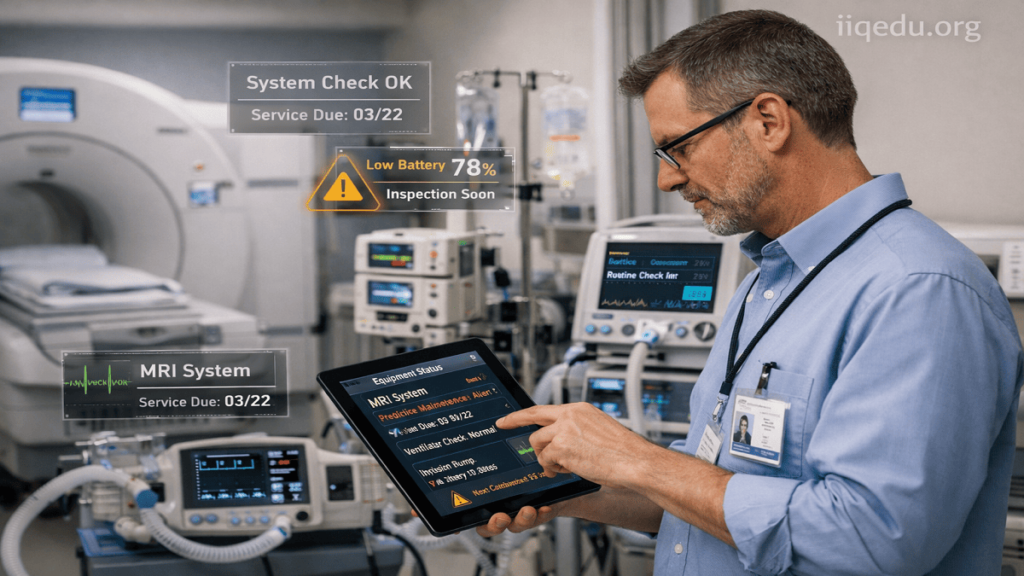
Industry Application of Biomedical Engineering Quality
Biomedical Engineering Quality (BEQ) is critical across multiple industries to ensure the safety, reliability, and performance of medical devices and systems. Its applications extend beyond hospitals to manufacturing, research, digital health, and wellness sectors.
1. Hospitals and Healthcare Facilities
- Application: Maintaining high-quality biomedical devices such as ventilators, MRI machines, infusion pumps, and patient monitors.
- Impact: Reduces equipment failure, enhances patient safety, and ensures consistent clinical outcomes.
2. Medical Device Manufacturing
- Application: Implementing quality management systems (QMS) in the production of surgical instruments, prosthetics, imaging devices, and laboratory equipment.
- Impact: Ensures product consistency, regulatory compliance, and reliability for end-users.
3. Research and Academic Institutions
- Application: Ensuring quality in prototype testing, clinical trials, and biomedical research projects.
- Impact: Guarantees accuracy of results, safety in testing, and reproducibility in experiments.
4. Regulatory and Certification Bodies
- Application: Monitoring compliance with international standards such as ISO 13485 and IEC 60601.
- Impact: Approves devices for clinical use and ensures patient safety.
5. Digital Health and Technology
- Application: Integration of biomedical devices with telemedicine platforms, AI monitoring tools, and wearable health devices.
- Impact: Real-time device monitoring, predictive maintenance, and enhanced healthcare delivery in remote or home care settings.
6. Rehabilitation and Assistive Technology
- Application: Ensuring prosthetics, mobility aids, and rehabilitation equipment meet functional and safety standards.
- Impact: Improves patient mobility, independence, and recovery outcomes.
7. Pharmaceutical Industry
- Application: Monitoring and validating biomedical devices used in drug delivery, clinical trials, and laboratory testing.
- Impact: Ensures precision, safety, and regulatory compliance in pharmaceutical operations.
8. Home Healthcare Industry
- Application: Personal medical devices like glucose monitors, blood pressure monitors, and home dialysis machines require quality standards.
- Impact: Provides safe and reliable healthcare at home, reducing hospital visits and improving chronic disease management.
Summary:
Biomedical Engineering Quality is applied across hospitals, manufacturing, research, regulatory bodies, digital health, rehabilitation, pharmaceuticals, and home healthcare. Its implementation ensures device safety, compliance, reliability, and optimal patient outcomes, making it an essential component of modern healthcare systems.
#Biomedical Engineering Quality in Mumbai
Ask FAQs
What is Biomedical Engineering Quality?
Biomedical Engineering Quality (BEQ) refers to the systematic application of engineering, medical, and regulatory principles to ensure that biomedical devices and systems are safe, reliable, and effective. It covers the entire device lifecycle, from design and production to clinical use and maintenance.
Who requires Biomedical Engineering Quality?
BEQ is required by medical device manufacturers, hospitals, healthcare providers, regulatory agencies, researchers, and patients. It ensures that devices function safely and consistently, comply with international standards, and support high-quality healthcare delivery.
When is Biomedical Engineering Quality required?
BEQ is essential throughout the device lifecycle, including: design and development, testing and validation, manufacturing, clinical use, maintenance, regulatory approval, and research innovation. Continuous application ensures device safety and performance.
Where is Biomedical Engineering Quality applied?
BEQ is applied in hospitals, manufacturing facilities, research institutions, regulatory bodies, digital health platforms, rehabilitation centers, pharmaceuticals, and home healthcare environments. Anywhere biomedical devices are used or managed, quality standards are critical.
How is Biomedical Engineering Quality implemented?
BEQ is implemented through quality management systems, regulatory compliance, standardized protocols, testing and calibration, predictive maintenance, staff training, and continuous improvement processes. These measures ensure devices are safe, reliable, and effective in healthcare settings.
Source: TEDx Talks
Table of Contents
Disclaimer:
This content is for informational and educational purposes only. It does not replace professional medical, engineering, or regulatory advice. Always consult certified biomedical engineers or healthcare professionals for device-specific guidance.