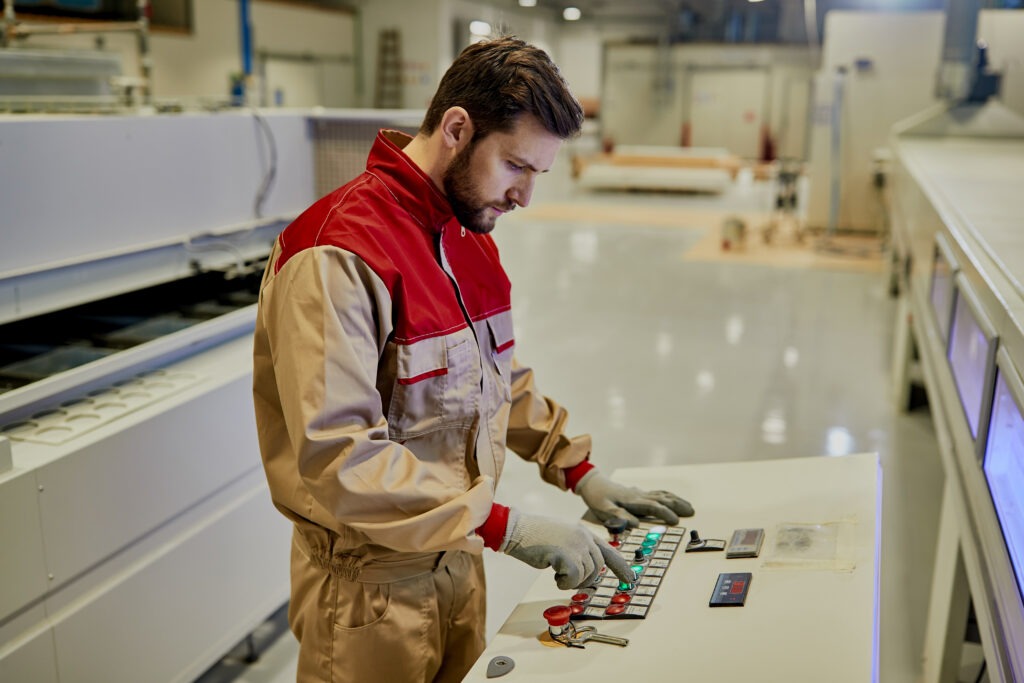
Flexible Electronics Quality Control
Flexible electronics present unique challenges and opportunities for quality control compared to traditional rigid electronics. Their ability to bend, stretch, and conform introduces new failure modes and necessitates specialized inspection techniques. Here’s a comprehensive overview of Quality Control (QC) in Flexible Electronics: I. Unique Challenges in Flexible Electronics Quality Control II. Key Quality Control Methods and Tools for Flexible Electronics QC in flexible electronics involves a multi-stage approach, combining traditional electronics QC methods with specialized techniques for flexibility. A. Early Stages: Incoming Materials and Component Inspection B. During Production: In-Process Inspection and Monitoring C. Post-Production: Functional and Reliability Testing III. Emerging Trends and Future Directions in Flexible Electronics QC By implementing a rigorous and specialized quality control framework, manufacturers can ensure the reliability, functionality, and longevity of flexible electronic products, enabling their wider adoption across diverse and demanding applications. What is Flexible Electronics Quality Control? Flexible Electronics Quality Control (QC) is the comprehensive system of processes and procedures implemented to ensure that electronic devices fabricated on flexible, stretchable, or conformable substrates meet specified quality standards, performance requirements, and reliability targets throughout their lifecycle. It’s a specialized discipline within electronics manufacturing QC that addresses the unique challenges posed by the mechanical compliance and novel materials used in flexible electronics, which are significantly different from those of traditional rigid circuit boards. Core Objectives of Flexible Electronics QC: Why Flexible Electronics QC is Crucial: The inherent characteristics of flexible electronics introduce new failure modes that are not as prevalent in rigid electronics. Without specialized QC, manufacturers risk: Key Aspects that Differentiate Flexible Electronics QC: In essence, Flexible Electronics Quality Control is a holistic approach that ensures the robust performance and reliability of these new-generation electronic devices, accounting for their unique material properties, manufacturing processes, and the dynamic mechanical stresses they are designed to endure. Who is require Flexible Electronics Quality Control? Flexible electronics quality control (QC) is required by virtually every entity involved in the design, manufacturing, and application of products that incorporate flexible, stretchable, or conformable electronic components. This includes a broad spectrum of industries and professional roles, driven by the unique demands and potential failure modes of these innovative technologies. Here’s a breakdown of who requires flexible electronics quality control: 1. Manufacturers of Flexible Electronic Components: These are the primary stakeholders who absolutely require stringent QC. They are responsible for producing the flexible PCBs, flexible displays, flexible sensors, and other foundational components. 2. Original Equipment Manufacturers (OEMs) and Product Integrators: These companies design and assemble final products that incorporate flexible electronics. 3. Research & Development Institutions and Universities: These entities are at the forefront of developing new flexible electronic materials, manufacturing processes, and application concepts. 4. Certification Bodies and Regulatory Agencies: These organizations set standards and ensure compliance, especially for critical applications. 5. Test Equipment and Metrology Solution Providers: Companies that develop the specialized tools and systems for flexible electronics QC. In summary, anyone involved in the lifecycle of a flexible electronic product – from the fundamental material science and manufacturing processes to the final product integration and regulatory approval – requires a deep understanding and implementation of rigorous Flexible Electronics Quality Control. This is because the very nature of flexibility introduces complexities that demand dedicated and specialized quality assurance measures. Sources When is require Flexible Electronics Quality Control? Flexible electronics quality control is not a one-time event but a continuous and multi-stage process that is required at virtually every phase of the product lifecycle, from initial design to post-market surveillance. Its “when” is driven by the need to mitigate risks, ensure reliability, and prevent failures inherent to the unique properties of flexible materials. Here’s a breakdown of when flexible electronics quality control is required: 1. Pre-Production (Design & Material Selection) 2. During Production (In-Process Control) 3. Post-Production (Final Product Testing & Certification) 4. Post-Market (In-Field Monitoring & Failure Analysis) In essence, Flexible Electronics Quality Control is not a single checkpoint but an integrated and ongoing commitment to ensuring that these innovative products meet the rigorous demands of their applications throughout their entire lifecycle. Where is require Flexible Electronics Quality Control? Courtesy: Z-AXIS, Inc. Flexible electronics quality control is required wherever flexible electronic products are designed, manufactured, or utilized, particularly in applications where reliability, safety, and performance under mechanical stress are critical. This encompasses a wide range of geographical locations, types of facilities, and end-use environments. Here’s a breakdown of “where” flexible electronics QC is required: 1. Manufacturing Facilities 2. Research and Development (R&D) Laboratories 3. Testing and Certification Laboratories 4. End-Use Environments (In-Field Monitoring for “Smart” Products) In essence, Flexible Electronics Quality Control is required everywhere innovation with flexible materials meets the need for reliable, high-performance, and safe electronic functionality. It’s a critical enabler for the widespread adoption of these cutting-edge technologies. How is require Flexible Electronics Quality Control? Flexible electronics quality control (QC) is required how by establishing a comprehensive and rigorous system that addresses the unique challenges of flexible materials and manufacturing processes. It goes beyond traditional electronics QC by incorporating specialized testing and monitoring methods to ensure both electrical and mechanical integrity. Here’s how flexible electronics QC is required: I. How it’s Required Through Proactive Design & Material Selection II. How it’s Required Through Rigorous In-Process Monitoring and Control III. How it’s Required Through Specialized Post-Production Reliability Testing IV. How it’s Required Through Documentation & Traceability In essence, Flexible Electronics Quality Control is required by implementing a holistic, multi-faceted approach that spans the entire product lifecycle, ensuring that these highly specialized products can bend, twist, and stretch without compromising their critical electronic functionality. It’s about building reliability into the very fabric of the device. Case study on Flexible Electronics Quality Control? Courtesy: gandbelectronics Let’s delve into a case study focusing on Quality Control for Flexible Hybrid Electronics (FHE) in a medical device application. This scenario highlights the unique challenges and the critical need for robust QC. Case Study: Quality Control for a Flexible Hybrid Electronic (FHE) Wearable Health Patch Industry: Medical Devices, Wearable Technology, Flexible Hybrid