Global Quality Regulations
Global Quality Regulations refer to the internationally recognized standards, guidelines, and legal frameworks that ensure products and services consistently meet defined quality, safety, and performance requirements across different countries and industries. These regulations are essential for protecting consumers, facilitating international trade, and maintaining organizational credibility.
1. Overview and Importance
Global quality regulations are designed to:
- Ensure product safety and reliability
- Promote consistency in manufacturing and service delivery
- Enable cross-border trade by harmonizing standards
- Protect public health and the environment
- Enhance customer confidence and brand reputation
In an increasingly globalized economy, organizations must comply not only with domestic laws but also with international regulatory expectations when operating across multiple markets.
2. Key International Standards and Frameworks
a. ISO Standards
The International Organization for Standardization (ISO) develops globally accepted standards across industries.
- ISO 9001: Quality Management Systems (QMS)
- ISO 14001: Environmental Management Systems
- ISO 45001: Occupational Health and Safety
- ISO 22000: Food Safety Management
ISO 9001 is the most widely adopted standard, focusing on continuous improvement, customer satisfaction, and process efficiency.
b. Good Manufacturing Practices (GMP)
GMP ensures that products—especially in pharmaceuticals, food, and cosmetics—are consistently produced and controlled according to quality standards.
- Emphasizes hygiene, documentation, process control, and traceability
- Required by regulatory authorities worldwide
c. International Council for Harmonisation (ICH)
The International Council for Harmonisation of Technical Requirements for Pharmaceuticals for Human Use develops guidelines to standardize pharmaceutical regulations globally.
- Focus areas: safety, efficacy, quality
- Key guidelines: Q (Quality), S (Safety), E (Efficacy), M (Multidisciplinary)
3. Regional Regulatory Bodies
a. United States
- Food and Drug Administration (FDA)
- Regulates food, drugs, medical devices, and cosmetics
- Enforces cGMP (current Good Manufacturing Practices)
b. European Union
- European Medicines Agency (EMA)
- Oversees pharmaceuticals across EU member states
- Works with national authorities to ensure compliance
c. India
- Central Drugs Standard Control Organization (CDSCO)
- Regulates drugs, medical devices, and clinical trials
- Operates under the Ministry of Health
d. Other Notable Bodies
- World Health Organization (WHO): Provides global health guidelines and GMP frameworks
- Pharmaceuticals and Medical Devices Agency (PMDA)
- Therapeutic Goods Administration (TGA)
4. Industry-Specific Regulations
Pharmaceuticals
- Strict compliance with GMP, ICH guidelines, and regulatory approvals
- Focus on clinical trials, validation, and documentation
Food Industry
- HACCP (Hazard Analysis Critical Control Point)
- ISO 22000 and local food safety laws
Medical Devices
- ISO 13485 (Quality Management for Medical Devices)
- Regulatory approvals (e.g., FDA 510(k), CE marking)
Automotive
- IATF 16949 (automotive QMS standard)
- Focus on defect prevention and supply chain quality
5. Core Principles of Global Quality Regulations
- Standardization – Uniform processes across borders
- Documentation – Detailed records for traceability
- Risk Management – Identification and mitigation of risks
- Continuous Improvement – Ongoing enhancement of systems
- Customer Focus – Meeting customer and regulatory expectations
6. Challenges in Global Compliance
- Regulatory differences across countries
- Frequent updates to laws and standards
- High cost of compliance and certification
- Complex supply chains
- Cultural and operational variations
Organizations must adopt flexible yet robust quality systems to manage these challenges effectively.
7. Benefits of Compliance
- Access to international markets
- Improved product quality and safety
- Increased customer trust and satisfaction
- Reduced legal and operational risks
- Enhanced organizational efficiency
8. Future Trends
- Digital quality management systems (eQMS)
- Increased focus on sustainability and ESG compliance
- Use of AI and data analytics in quality monitoring
- Greater global harmonization of regulations
Conclusion
Global quality regulations form the backbone of modern industrial and commercial practices. By adhering to internationally recognized standards and regulatory frameworks, organizations can ensure consistent quality, maintain compliance across markets, and achieve long-term competitiveness. In a rapidly evolving global landscape, proactive quality management is no longer optional but a strategic necessity.
#Global Quality Regulations in Uttarakhand
What is Global Quality Regulations?
Global Quality Regulations are the internationally recognized rules, standards, and guidelines that organizations must follow to ensure that their products and services meet consistent levels of quality, safety, and reliability across different countries and markets.
Definition
Global Quality Regulations refer to a set of harmonized frameworks and legal requirements established by international bodies and national authorities to control how products are designed, manufactured, tested, distributed, and maintained.
These regulations ensure that regardless of where a product is made or sold, it meets acceptable global standards.
Key Components
1. International Standards
Organizations often follow standards developed by the International Organization for Standardization (ISO), such as:
- ISO 9001 (Quality Management Systems)
- ISO 14001 (Environmental Management)
These standards provide a structured approach to maintaining quality.
2. Regulatory Authorities
Different countries have their own regulatory bodies that enforce quality requirements, such as:
- Food and Drug Administration (USA)
- European Medicines Agency (Europe)
- Central Drugs Standard Control Organization (India)
These agencies ensure compliance within their jurisdictions.
3. Industry Guidelines
Certain industries follow specialized global guidelines. For example:
- Pharmaceuticals follow guidelines from the International Council for Harmonisation of Technical Requirements for Pharmaceuticals for Human Use
- Manufacturing industries follow Good Manufacturing Practices (GMP)
Purpose of Global Quality Regulations
- Ensure product safety and effectiveness
- Maintain consistent quality across markets
- Protect consumer health and rights
- Facilitate international trade
- Reduce defects, risks, and recalls
Simple Explanation
In simple terms, Global Quality Regulations act like a universal rulebook that companies must follow so that their products are safe, reliable, and acceptable worldwide—not just in one country.
Conclusion
Global Quality Regulations are essential for maintaining trust in global markets. They create a unified system where businesses can operate internationally while ensuring that customers receive products that meet high and consistent quality standards.
#Global Quality Regulations in Uttar Pradesh
Who is Global Quality Regulations required?
1. Governments and Regulatory Authorities
Global quality regulations are primarily required and enforced by government agencies to protect public health, safety, and the environment.
Examples include:
- Food and Drug Administration (USA)
- European Medicines Agency (Europe)
- Central Drugs Standard Control Organization (India)
These authorities mandate compliance before products can be approved, sold, or exported.
2. International Organizations
Global bodies develop frameworks that countries and industries adopt to maintain consistency worldwide.
- International Organization for Standardization (ISO) creates widely accepted quality standards
- World Health Organization (WHO) provides global health and safety guidelines
- International Council for Harmonisation of Technical Requirements for Pharmaceuticals for Human Use harmonizes pharmaceutical regulations
These organizations do not enforce laws directly, but their standards are often adopted into national regulations.
3. Industries and Businesses
All organizations involved in designing, manufacturing, distributing, or selling products and services globally are required to follow these regulations.
This includes:
- Pharmaceutical companies
- Food and beverage manufacturers
- Medical device companies
- Automotive and electronics industries
- Service providers (in some regulated sectors)
Compliance is necessary to:
- Enter international markets
- Obtain certifications and approvals
- Avoid legal penalties and product recalls
4. Consumers and Market Expectations (Indirect Requirement)
While consumers do not enforce regulations, their expectations drive the need for strict quality compliance. Customers demand:
- Safe products
- Reliable performance
- Internationally recognized certifications
This creates market pressure for companies to follow global standards.
5. Supply Chain Partners
Suppliers, vendors, and distributors must also comply because:
- Large companies require certified suppliers
- Global supply chains demand consistent quality at every stage
Non-compliance at any level can disrupt the entire chain.
Conclusion
Global Quality Regulations are required by governments and regulatory bodies, guided by international organizations, and must be followed by businesses and supply chain participants. Ultimately, they exist to protect consumers and ensure that products meet consistent global standards regardless of where they are produced or sold.
#Global Quality Regulations in Surat
When is Global Quality Regulations required?
1. During Product Design and Development
Quality regulations are required at the initial stage to ensure that products are designed according to safety and performance standards.
- Compliance with standards from the International Organization for Standardization ensures structured design processes
- Risk assessment and validation are performed early to prevent future failures
2. During Manufacturing and Production
They are critically required during production to ensure consistency and control.
- Implementation of Good Manufacturing Practices (GMP)
- Monitoring processes, equipment, and personnel
- Ensuring batch-to-batch consistency
Regulatory bodies such as the Food and Drug Administration enforce strict compliance at this stage.
3. Before Market Approval
Before a product can be sold, it must meet regulatory requirements and receive approval.
- Product testing, certification, and documentation are required
- Approval from agencies like the European Medicines Agency or Central Drugs Standard Control Organization is necessary in regulated sectors
Without meeting these requirements, products cannot legally enter the market.
4. During Distribution and Supply Chain Operations
Quality regulations apply during transportation, storage, and distribution.
- Ensuring proper handling conditions (e.g., temperature control for pharmaceuticals)
- Maintaining traceability across the supply chain
- Compliance with international logistics standards
5. After Product Launch (Post-Market Phase)
Regulations continue even after the product is sold.
- Monitoring product performance and customer feedback
- Reporting adverse events or defects
- Conducting recalls if necessary
Organizations must maintain ongoing compliance with guidelines from bodies like the World Health Organization.
6. When Entering International Markets
Global quality regulations are especially required when:
- Exporting products to other countries
- Expanding operations globally
- Working with international partners
Each country may have additional requirements, making compliance essential for global trade.
7. During Audits and Inspections
Organizations must demonstrate compliance during:
- Regulatory inspections
- Certification audits (e.g., ISO audits)
- Internal quality reviews
Failure to comply can lead to penalties, product bans, or loss of certification.
Conclusion
Global Quality Regulations are required throughout the entire lifecycle of a product or service, from design to post-market monitoring. They are especially critical during manufacturing, regulatory approval, and international trade, ensuring that products remain safe, reliable, and compliant at all times.
#Global Quality Regulations in Delhi
Where is Global Quality Regulations required?
1. Within Manufacturing Facilities
Global quality regulations are required in:
- Production plants
- Assembly units
- Processing facilities
These locations must comply with standards such as those set by the International Organization for Standardization and Good Manufacturing Practices (GMP) to ensure consistent product quality.
2. In Research and Development (R&D) Centers
R&D environments must follow quality regulations to ensure:
- Safe and effective product design
- Proper testing and validation
- Accurate documentation
This is especially critical in industries like pharmaceuticals and medical devices.
3. Across Supply Chains and Distribution Networks
Global quality regulations apply throughout the supply chain, including:
- Warehouses and storage facilities
- Transportation systems
- Distribution centers
Organizations must maintain traceability and proper handling conditions, particularly for sensitive products such as medicines and food.
4. In International Trade and Export/Import Activities
They are required when products move across borders.
- Exporters must comply with regulations of the destination country
- Importers must ensure products meet local standards
Regulatory bodies such as the Food and Drug Administration and European Medicines Agency enforce compliance in their respective regions.
5. In Regulated Industries
Certain industries require strict adherence to global quality regulations everywhere they operate, including:
- Pharmaceuticals
- Food and beverage
- Medical devices
- Automotive and aerospace
For example, in India, compliance is enforced by the Central Drugs Standard Control Organization.
6. At Service Delivery Points
Quality regulations also apply in service sectors such as:
- Healthcare institutions
- Laboratories
- Logistics and supply services
These organizations must ensure consistent quality and safety in service delivery.
7. During Audits and Certification Environments
Global quality regulations are required wherever:
- Certification audits are conducted
- Regulatory inspections take place
- Quality management systems are evaluated
Organizations must demonstrate compliance at all operational sites.
Conclusion
Global Quality Regulations are required across all locations involved in the lifecycle of a product or service, including manufacturing units, R&D centers, supply chains, international trade environments, and service delivery points. Essentially, they apply anywhere quality, safety, and compliance must be ensured on a global scale.
#Global Quality Regulations in Vasai
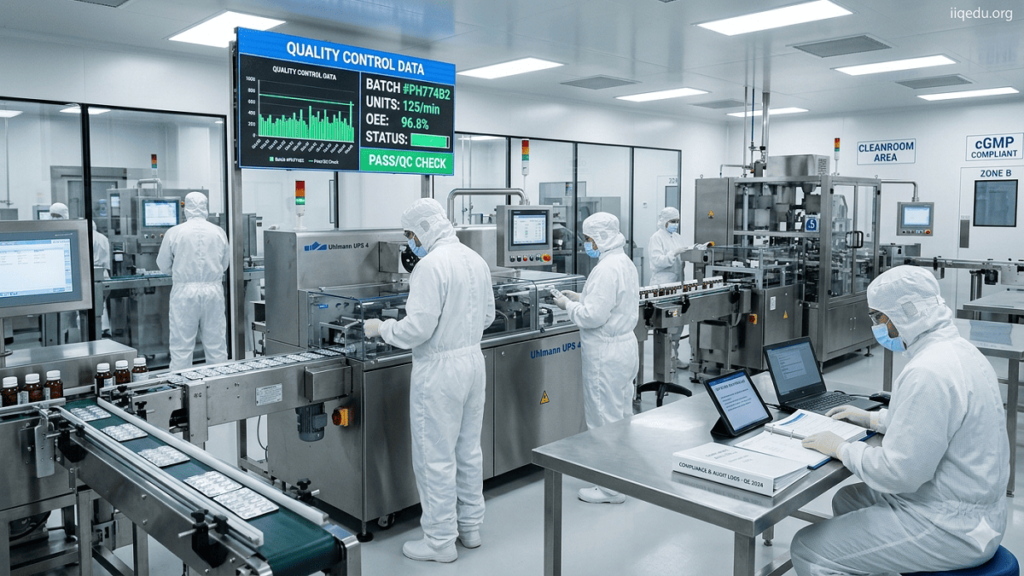
How is Global Quality Regulations required?
1. Through Quality Management Systems (QMS)
Organizations implement formal systems to ensure compliance with global standards.
- Frameworks such as those from the International Organization for Standardization (e.g., ISO 9001) provide structured procedures
- QMS includes policies, processes, documentation, and responsibilities
This ensures consistency and accountability in all operations.
2. Through Regulatory Requirements and Legal Compliance
Governments make quality regulations mandatory through laws and approvals.
- Companies must meet requirements set by authorities like the Food and Drug Administration and the Central Drugs Standard Control Organization
- Products must pass inspections, testing, and certification before entering the market
Failure to comply can result in penalties, bans, or recalls.
3. Through Standard Operating Procedures (SOPs)
Organizations establish detailed SOPs to ensure that all activities are performed consistently.
- Step-by-step instructions for production, testing, and handling
- Ensures uniformity across departments and locations
- Reduces errors and variability
4. Through Documentation and Record Keeping
Accurate documentation is a core requirement.
- Batch records, test reports, validation data
- Traceability of materials and processes
- Audit trails for regulatory review
This is critical for demonstrating compliance during inspections.
5. Through Audits and Inspections
Compliance is verified regularly through:
- Internal audits (within the organization)
- External audits (certification bodies)
- Regulatory inspections by agencies like the European Medicines Agency
Audits ensure that standards are consistently followed.
6. Through Training and Competency
Employees must be trained to follow quality regulations.
- Regular training programs
- Skill assessments and certifications
- Awareness of regulatory updates
A well-trained workforce is essential for maintaining compliance.
7. Through Risk Management and Continuous Improvement
Organizations must actively identify and manage risks.
- Risk assessment tools and preventive controls
- Corrective and Preventive Actions (CAPA)
- Continuous improvement practices
This aligns with global expectations for maintaining high-quality standards.
8. Through Global Harmonization Guidelines
Industries follow internationally aligned guidelines to ensure uniformity.
- Pharmaceutical companies follow frameworks from the International Council for Harmonisation of Technical Requirements for Pharmaceuticals for Human Use
- These guidelines standardize requirements across countries
Conclusion
Global Quality Regulations are required through systematic implementation, strict regulatory enforcement, continuous monitoring, and ongoing improvement processes. Organizations achieve compliance by integrating quality into every aspect of their operations—from procedures and documentation to training and audits—ensuring that products and services consistently meet global standards.
#Global Quality Regulations in Madhya Pradesh
Case Study of Global Quality Regulations
1. Background
A well-known global pharmaceutical company, Ranbaxy Laboratories, became a landmark case in the field of global quality regulations. The company was a major exporter of generic medicines to markets including the United States and Europe.
However, serious violations of global quality standards brought the company under scrutiny from international regulatory authorities, particularly the Food and Drug Administration (FDA).
2. Problem Identified
During inspections, regulators discovered multiple violations of Global Quality Regulations, including:
- Data Integrity Issues: Falsification and manipulation of test data
- Non-compliance with GMP (Good Manufacturing Practices)
- Inadequate documentation and record keeping
- Failure to meet required product testing standards
These issues directly violated internationally accepted quality frameworks, including those aligned with the International Organization for Standardization and global pharmaceutical guidelines.
3. Regulatory Action
The FDA took strict actions against the company:
- Banned the import of drugs from certain manufacturing plants
- Conducted detailed inspections and audits
- Imposed financial penalties
In 2013, Ranbaxy pleaded guilty to serious violations and agreed to pay $500 million in fines, one of the largest penalties in the pharmaceutical industry.
4. Root Causes
The case revealed key failures in implementing global quality regulations:
- Lack of a robust Quality Management System (QMS)
- Weak internal controls and oversight
- Pressure to meet production targets over compliance
- Poor training and quality culture
- Ineffective audit systems
5. Impact
a. On the Company
- Loss of credibility and global reputation
- Financial losses and legal penalties
- Eventual acquisition by another pharmaceutical company
b. On the Industry
- Increased scrutiny by global regulators
- Stricter enforcement of data integrity rules
- Emphasis on compliance culture across pharmaceutical companies
6. Corrective Actions and Improvements
Following the case, global practices were strengthened:
- Implementation of stricter data integrity guidelines
- Adoption of advanced electronic quality management systems (eQMS)
- More frequent and rigorous inspections by regulators
- Greater alignment with international guidelines such as those from the International Council for Harmonisation of Technical Requirements for Pharmaceuticals for Human Use
7. Key Lessons Learned
- Compliance is non-negotiable in global markets
- Data integrity is critical for regulatory trust
- Strong quality culture is as important as systems
- Continuous monitoring and audits are essential
- Global regulations must be followed uniformly across all locations
8. Conclusion
This case highlights how failure to comply with Global Quality Regulations can lead to severe legal, financial, and reputational consequences. It also demonstrates the importance of maintaining strong quality systems, ethical practices, and regulatory compliance in a globally connected business environment.
Organizations today use such case studies to strengthen their quality frameworks and ensure adherence to international standards, avoiding similar failures in the future.
#Global Quality Regulations in Patna
White Paper of Global Quality Regulations
1. Executive Summary
Global Quality Regulations form the foundation for ensuring that products and services meet consistent standards of safety, quality, and reliability across international markets. With increasing globalization, organizations must comply with multiple regulatory frameworks while maintaining operational efficiency.
This white paper provides a comprehensive overview of global quality regulations, their importance, governing bodies, implementation strategies, challenges, and future trends. It highlights how adherence to standards set by organizations such as the International Organization for Standardization and regulatory authorities worldwide is essential for sustainable business growth and consumer protection.
2. Introduction
In a globalized economy, businesses operate across borders, making it necessary to follow harmonized quality standards. Global Quality Regulations ensure that products manufactured in one country can be safely used in another without compromising quality.
These regulations apply across industries including pharmaceuticals, food, healthcare, automotive, and electronics, and are enforced by both national and international bodies.
3. Objectives of Global Quality Regulations
- Ensure product safety and efficacy
- Promote consistency in quality standards worldwide
- Facilitate international trade and market access
- Protect consumer health and safety
- Encourage continuous improvement and innovation
4. Regulatory Framework and Key Organizations
4.1 International Organizations
- International Organization for Standardization (ISO): Develops global standards such as ISO 9001 for quality management
- World Health Organization (WHO): Provides global health and GMP guidelines
- International Council for Harmonisation of Technical Requirements for Pharmaceuticals for Human Use: Harmonizes pharmaceutical regulations globally
4.2 National Regulatory Authorities
- Food and Drug Administration (USA)
- European Medicines Agency (Europe)
- Central Drugs Standard Control Organization (India)
These bodies enforce compliance through inspections, certifications, and approvals.
5. Core Principles of Global Quality Regulations
- Standardization – Uniform processes across countries
- Documentation – Complete and accurate records
- Traceability – Ability to track products throughout lifecycle
- Risk Management – Identification and mitigation of risks
- Continuous Improvement – Ongoing enhancement of quality systems
6. Implementation Strategies
Organizations implement global quality regulations through:
6.1 Quality Management Systems (QMS)
- Adoption of ISO 9001 frameworks
- Integration of quality into all business processes
6.2 Good Manufacturing Practices (GMP)
- Ensuring controlled production environments
- Maintaining hygiene, equipment validation, and process control
6.3 Standard Operating Procedures (SOPs)
- Detailed, documented processes for consistency
6.4 Training and Competency Development
- Continuous employee training on regulatory requirements
6.5 Audits and Compliance Monitoring
- Internal and external audits to verify adherence
7. Industry Applications
Pharmaceuticals
- Strict adherence to GMP and ICH guidelines
- Emphasis on clinical trials, validation, and data integrity
Food Industry
- HACCP and food safety standards
- Focus on contamination prevention and traceability
Medical Devices
- Compliance with ISO 13485
- Regulatory approvals before commercialization
Automotive
- IATF 16949 for quality assurance
- Supplier quality and defect prevention
8. Challenges in Global Quality Compliance
- Variability in regional regulations
- Frequent regulatory updates
- High cost of compliance and certification
- Complex global supply chains
- Managing data integrity and documentation
9. Benefits of Compliance
- Access to global markets
- Improved product quality and reliability
- Enhanced brand reputation and customer trust
- Reduced risk of legal penalties and recalls
- Increased operational efficiency
10. Emerging Trends
- Adoption of digital Quality Management Systems (eQMS)
- Use of artificial intelligence and data analytics
- Increased focus on sustainability and ESG compliance
- Greater global harmonization of standards
11. Recommendations
- Develop a strong quality culture within organizations
- Invest in technology-driven quality systems
- Ensure continuous training and awareness
- Conduct regular risk assessments and audits
- Align with international standards and best practices
12. Conclusion
Global Quality Regulations are critical for ensuring that products and services meet consistent international standards. By aligning with frameworks established by organizations such as the International Organization for Standardization and complying with regulatory authorities worldwide, organizations can achieve sustainable growth, maintain compliance, and build trust in global markets.
A proactive approach to quality is not just a regulatory requirement but a strategic advantage in today’s competitive and interconnected world.
#Global Quality Regulations in Maharashtra

Industry Application of Global Quality Regulations
Global Quality Regulations are applied across multiple industries to ensure that products and services meet international standards of safety, quality, and reliability. Their implementation varies by sector but is guided by common frameworks such as those developed by the International Organization for Standardization and enforced by regulatory authorities worldwide.
1. Pharmaceutical Industry
The pharmaceutical sector is one of the most strictly regulated industries.
Application:
- Compliance with Good Manufacturing Practices (GMP)
- Adherence to guidelines from the International Council for Harmonisation of Technical Requirements for Pharmaceuticals for Human Use
- Strict clinical trial protocols, validation, and documentation
- Continuous monitoring of drug safety (pharmacovigilance)
Regulatory Oversight:
- Food and Drug Administration
- European Medicines Agency
- Central Drugs Standard Control Organization
Outcome:
- Ensures safe, effective, and high-quality medicines globally
2. Food and Beverage Industry
Quality regulations are critical for ensuring food safety and hygiene.
Application:
- Implementation of HACCP (Hazard Analysis Critical Control Point)
- Compliance with food safety standards such as ISO 22000
- Monitoring of contamination risks and supply chain hygiene
Regulatory Oversight:
- National food safety authorities and global guidelines from the World Health Organization
Outcome:
- Protection of public health and prevention of foodborne illnesses
3. Medical Devices Industry
Medical devices must meet stringent safety and performance requirements.
Application:
- Compliance with ISO 13485 (Quality Management Systems for Medical Devices)
- Product design validation and risk management
- Traceability and post-market surveillance
Regulatory Oversight:
- FDA, EMA, and other national regulatory bodies
Outcome:
- Ensures reliability and safety of devices used in healthcare
4. Automotive Industry
Quality regulations ensure safety, performance, and reliability in vehicles.
Application:
- Implementation of IATF 16949 (Automotive Quality Management Standard)
- Supplier quality management and defect prevention
- Continuous improvement in manufacturing processes
Outcome:
- Reduced defects, improved safety, and enhanced customer satisfaction
5. Aerospace Industry
This industry requires extremely high levels of precision and safety.
Application:
- Compliance with standards such as AS9100
- Strict process control, testing, and documentation
- Risk management and failure prevention systems
Outcome:
- Ensures safety and reliability in aircraft systems
6. Electronics and Technology Industry
Rapid innovation requires strict quality controls.
Application:
- Compliance with international standards for product safety and performance
- Testing for durability, compatibility, and environmental impact
- Supply chain quality management
Outcome:
- High-performance and reliable electronic products
7. Healthcare and Service Industry
Quality regulations also apply to service-based sectors.
Application:
- Standardized procedures in hospitals and laboratories
- Accreditation and quality audits
- Patient safety and service quality monitoring
Outcome:
- Improved patient care and service reliability
8. Chemical and Manufacturing Industry
Ensures safe handling and production of chemicals and industrial goods.
Application:
- Compliance with environmental and safety standards
- Process control and hazard management
- Waste management and sustainability practices
Outcome:
- Reduced environmental impact and improved safety
Conclusion
Global Quality Regulations are applied across diverse industries to ensure consistent quality, safety, and compliance. While the specific requirements differ by sector, the core principles—standardization, documentation, risk management, and continuous improvement—remain universal. By implementing these regulations effectively, industries can achieve operational excellence, regulatory compliance, and global competitiveness.
#Global Quality Regulations in Mumbai
Ask FAQs
What are Global Quality Regulations?
Global Quality Regulations are internationally recognized standards and legal requirements that ensure products and services meet consistent levels of quality, safety, and reliability across different countries. These regulations are guided by organizations such as the International Organization for Standardization and enforced by national regulatory authorities.
Why are Global Quality Regulations important?
They are important because they protect consumer safety, ensure product consistency, and enable international trade. Compliance helps organizations build trust, avoid legal penalties, and maintain high-quality standards in global markets.
Who must comply with Global Quality Regulations?
All organizations involved in manufacturing, distributing, or selling products and services globally must comply. This includes industries like pharmaceuticals, food, medical devices, automotive, and healthcare, often under the supervision of authorities such as the Food and Drug Administration and the Central Drugs Standard Control Organization.
What happens if a company fails to comply?
Non-compliance can result in serious consequences, including product recalls, financial penalties, legal action, and bans from entering certain markets. It can also damage the company’s reputation and customer trust.
How can companies ensure compliance with Global Quality Regulations?
Companies can ensure compliance by implementing Quality Management Systems (QMS), following Good Manufacturing Practices (GMP), maintaining proper documentation, conducting regular audits, and aligning with global guidelines such as those from the International Council for Harmonisation of Technical Requirements for Pharmaceuticals for Human Use.
Source: UNIDO Knowledge Hub
Table of Contents
Disclaimer:
This content is for informational purposes only and does not constitute legal or regulatory advice. Organizations should consult official guidelines and regulatory authorities such as the International Organization for Standardization or relevant national agencies for accurate and up-to-date requirements.