Information & Cybersecurity Quality
Information and cybersecurity quality refers to the systematic approach to protecting an organization’s information assets while ensuring the integrity, confidentiality, availability, and overall reliability of data systems. As organizations increasingly depend on digital infrastructure, ensuring high-quality cybersecurity practices has become integral to maintaining operational resilience, regulatory compliance, and stakeholder trust.
1. Key Concepts
- Confidentiality, Integrity, and Availability (CIA Triad)
- Confidentiality ensures that sensitive Information & Cybersecurity Quality is accessible only to authorized individuals.
- Integrity guarantees that data is accurate, complete, and unaltered except through authorized processes.
- Availability ensures that Information & Cybersecurity Quality and systems are accessible when needed.
Quality cybersecurity practices aim to maintain these three principles consistently across all systems.
- Quality Management in Cybersecurity
Cybersecurity quality encompasses not only the effectiveness of security controls but also their reliability, scalability, and adaptability. Organizations implement quality management frameworks to systematically assess and improve cybersecurity measures. Key standards include:- ISO/IEC 27001 – International standard for information security management systems (ISMS)
- NIST Cybersecurity Framework – Provides guidelines for identifying, protecting, detecting, responding to, and recovering from cyber threats
- ISO/IEC 20000 & ITIL – Focused on IT service management with integrated security quality considerations
- Risk Management and Threat Assessment
High-quality cybersecurity relies on continuous risk management. This involves:- Identifying vulnerabilities in systems and processes
- Assessing the probability and impact of cyber threats
- Implementing controls to mitigate risks
- Monitoring and auditing to ensure ongoing effectiveness
Tools such as penetration testing, vulnerability scanning, and threat intelligence platforms are critical to maintaining cybersecurity quality.
2. Quality Metrics in Cybersecurity
Organizations measure cybersecurity quality through quantifiable metrics, which can include:
- Incident response time – How quickly the organization detects and responds to breaches
- Patch management effectiveness – Timeliness and coverage of updates to software and systems
- System uptime and resilience – Availability of critical systems under normal and stress conditions
- User compliance rates – Adherence to security policies such as multi-factor authentication and secure password practices
3. Integrating Cybersecurity into Organizational Processes
To ensure cybersecurity quality, it must be embedded in organizational culture and processes:
- Policy and Governance: Establishing clear security policies and assigning accountability
- Training and Awareness: Regular training programs to reduce human error, which is the leading cause of breaches
- Continuous Improvement: Applying frameworks like Plan-Do-Check-Act (PDCA) to continually assess and enhance cybersecurity measures
4. Emerging Trends
Cybersecurity quality is evolving due to emerging technologies and threats:
- Zero Trust Architecture – Assumes no user or system is inherently trustworthy and verifies continuously
- AI and Machine Learning in Threat Detection – Automates anomaly detection and response to improve quality of cybersecurity operations
- Regulatory Compliance – Laws like GDPR (General Data Protection Regulation) and CCPA (California Consumer Privacy Act) impose strict requirements on data protection, linking cybersecurity quality directly to legal compliance
5. References and Resources
- ISO/IEC 27001 standard: https://www.iso.org/isoiec-27001-information-security.html
- NIST Cybersecurity Framework: https://www.nist.gov/cyberframework
- Cybersecurity Risk Management Guidance: https://www.cisa.gov/cybersecurity-risk-management
- ITIL and ISO/IEC 20000 Overview: https://www.axelos.com/best-practice-solutions/itil
#Information & Cybersecurity Quality in Patna
What is Information & Cybersecurity Quality?
Information & Cybersecurity Quality refers to the systematic approach of ensuring that an organization’s information systems are protected against threats while maintaining high standards of reliability, accuracy, and availability. It is the measure of how effectively cybersecurity practices safeguard data, processes, and technology assets, while also aligning with organizational objectives, compliance requirements, and industry standards.
In essence, cybersecurity quality is not just about preventing attacks—it encompasses the effectiveness, consistency, and continuous improvement of all security measures to ensure Information & Cybersecurity Quality remains confidential, integral, and available (the CIA triad). High-quality cybersecurity integrates risk management, governance, policies, technical controls, and monitoring to proactively detect and respond to threats.
Key Components of Information & Cybersecurity Quality
- Confidentiality – Ensuring that sensitive Information & Cybersecurity Quality is accessible only to authorized personnel.
- Integrity – Guaranteeing that data remains accurate, complete, and unaltered, except through authorized means.
- Availability – Maintaining system and Information & Cybersecurity Quality accessibility whenever required for business operations.
- Compliance and Standards – Adhering to regulatory requirements such as GDPR, HIPAA, and following international frameworks like ISO/IEC 27001 or the NIST Cybersecurity Framework.
- Continuous Monitoring and Improvement – Regularly assessing vulnerabilities, responding to incidents, updating systems, and training personnel to adapt to emerging threats.
Why It Matters
- Protects organizational data from breaches, ransomware, or insider threats.
- Builds trust with customers, partners, and stakeholders.
- Reduces operational and financial risks associated with cyber incidents.
- Aligns IT practices with business goals and regulatory requirements.
For further professional guidance, the following resources provide authoritative insights:
- ISO/IEC 27001 Information Security Management
- NIST Cybersecurity Framework
- CISA Cybersecurity Risk Management
#Information & Cybersecurity Quality in Ahemdabad
Who is Information & Cybersecurity Quality required?
The concept of Information & Cybersecurity Quality is required by a wide range of stakeholders within and outside an organization because digital Information & Cybersecurity Quality has become a critical asset that affects operational continuity, reputation, and legal compliance. Below is a detailed breakdown of who requires high-quality cybersecurity and why:
1. Organizations and Businesses
- Executives and Management: CEOs, CIOs, and CTOs require cybersecurity quality to protect organizational data, maintain operational continuity, and safeguard the company’s reputation. High-quality cybersecurity reduces financial losses from breaches and supports strategic decision-making.
- IT and Security Teams: These professionals need robust cybersecurity standards and frameworks to implement, monitor, and continuously improve security measures. Quality cybersecurity ensures they can prevent, detect, and respond to threats efficiently.
- Departments Handling Sensitive Data: Finance, HR, and R&D require secure Information & Cybersecurity Quality systems to protect personal data, financial records, intellectual property, and trade secrets from unauthorized access or compromise.
2. Regulatory and Compliance Authorities
- Organizations in sectors like finance, healthcare, and government are legally required to maintain cybersecurity quality to comply with regulations. Examples include:
- GDPR (General Data Protection Regulation) – For protecting EU citizens’ personal data.
- HIPAA (Health Insurance Portability and Accountability Act) – For protecting patient health information.
- SOX (Sarbanes-Oxley Act) – For ensuring integrity in financial reporting.
- Compliance authorities require high-quality cybersecurity measures to verify that organizations are meeting legal obligations and protecting stakeholder data.
3. Customers and Clients
- Customers increasingly demand assurance that their personal and financial data is protected.
- High cybersecurity quality builds trust, reduces the risk of data breaches affecting client data, and enhances brand loyalty.
4. Partners and Supply Chain Stakeholders
- Vendors, contractors, and business partners require that organizations maintain strong cybersecurity practices to prevent third-party vulnerabilities from affecting the wider ecosystem.
- Many supply chain contracts now include cybersecurity requirements as part of quality standards.
5. Investors and Shareholders
- Investors require organizations to manage cybersecurity risks because breaches can result in financial loss, legal penalties, and reputational damage, which ultimately affect shareholder value.
- Demonstrating robust cybersecurity quality can also increase market confidence and valuation.
6. Employees
- Employees rely on secure systems to perform their duties safely and efficiently. Cybersecurity quality protects them from phishing, malware, and identity theft.
- Proper cybersecurity training and quality controls also empower employees to act as the first line of defense.
Summary
In short, Information & Cybersecurity Quality is required by anyone who relies on digital information for operations, legal compliance, or trust-building—from internal stakeholders like management and IT teams, to external parties such as customers, regulators, investors, and partners. Without high-quality cybersecurity, organizations expose themselves to financial, legal, and reputational risks.
For more professional guidance:
- ISO/IEC 27001 – Information Security Management
- NIST Cybersecurity Framework – Stakeholders
- CISA – Why Cybersecurity is Critical
#Information & Cybersecurity Quality in Hyderabad
When is Information & Cybersecurity Quality required?
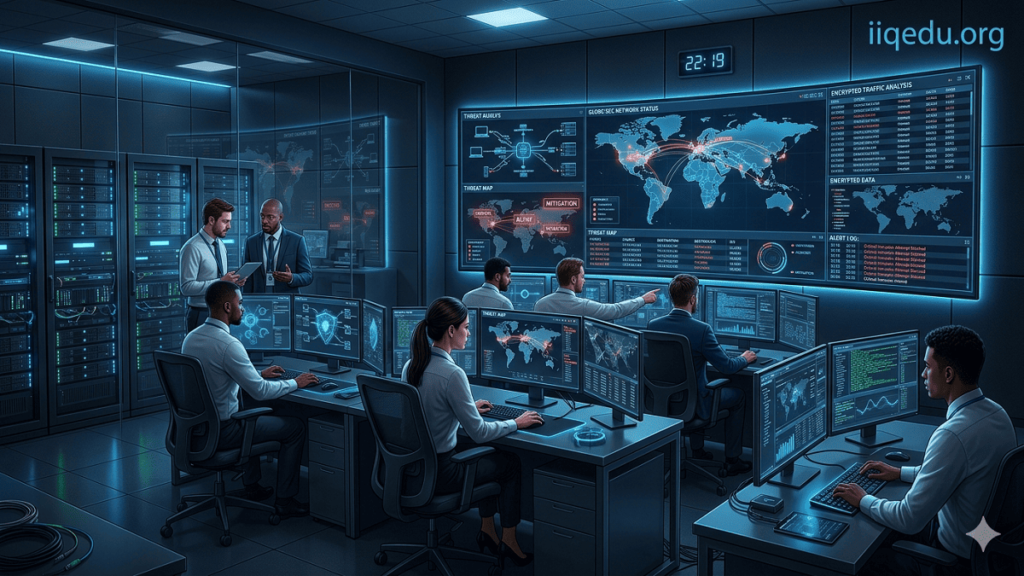
Information & Cybersecurity Quality is not optional—it is required whenever an organization, individual, or system relies on digital information or technology for critical operations. Its necessity arises in multiple situations, depending on context, risk exposure, and regulatory obligations.
1. When Is Cybersecurity Quality Required?
- During Digital Transformation or IT Deployment
- Whenever new systems, applications, or cloud services are implemented, ensuring cybersecurity quality is critical from design to deployment.
- Poorly secured systems at this stage can introduce vulnerabilities that are difficult to fix later.
- When Handling Sensitive or Personal Data
- Financial, medical, legal, or personal data requires high-quality cybersecurity at all times.
- Breaches can lead to legal penalties, financial loss, and reputational damage.
- During Regulatory Compliance Checks
- Compliance with laws like GDPR, HIPAA, SOX, or industry-specific standards requires consistent cybersecurity quality.
- Organizations are required to demonstrate ongoing security controls and risk management.
- During Cyber Risk Assessment and Incident Management
- High-quality cybersecurity is required whenever organizations evaluate threats, conduct penetration tests, or respond to security incidents.
- It ensures that risk mitigation strategies are effective and that the organization can recover quickly.
- Continuously for Operational Reliability
- Cybersecurity quality is not a one-time activity; it is required continuously to ensure business operations remain secure, resilient, and trustworthy.
- Modern threats are dynamic, and regular updates, audits, and monitoring are necessary to maintain quality.
2. Who Requires Cybersecurity Quality?
- Internal Stakeholders
- Executives and Management: To safeguard assets, reputation, and financial stability.
- IT and Security Teams: To implement, monitor, and maintain secure systems effectively.
- Employees: To ensure safe and reliable access to systems without exposure to threats.
- External Stakeholders
- Customers and Clients: Require assurance that personal and financial data is protected.
- Business Partners and Vendors: Demand secure integration and minimal supply chain vulnerabilities.
- Investors and Shareholders: Require strong cybersecurity to protect organizational value and reduce financial risk.
- Regulatory Authorities: Require compliance with legal frameworks to prevent breaches and protect public interest.
3. Key Takeaways
- When: Cybersecurity quality is required always, but especially during system deployment, handling sensitive data, compliance audits, risk assessments, and incident response.
- Who: Internal stakeholders (management, IT teams, employees) and external stakeholders (customers, regulators, investors, partners).
Maintaining high-quality cybersecurity is a continuous requirement rather than a one-time activity. Organizations that neglect it risk operational failures, financial loss, legal penalties, and reputational damage.
References:
- ISO/IEC 27001 Information Security Management
- NIST Cybersecurity Framework
- CISA Cybersecurity Guidance
#Information & Cybersecurity Quality in Singapore
Where is Information & Cybersecurity Quality required?
Information & Cybersecurity Quality is required in virtually any environment where information is stored, processed, or transmitted digitally. Its scope spans organizational systems, networks, devices, and even third-party integrations. Ensuring high-quality cybersecurity is essential wherever sensitive data, operational systems, or critical infrastructure exist.
1. Within Organizations (Internal Systems)
- IT Infrastructure and Networks
- Servers, databases, and network devices require robust cybersecurity measures to prevent unauthorized access, data breaches, and service disruptions.
- High-quality cybersecurity ensures network segmentation, firewalls, intrusion detection, and continuous monitoring.
- Enterprise Applications
- ERP (Enterprise Resource Planning), CRM (Customer Relationship Management), and financial systems must maintain data integrity, confidentiality, and availability.
- Cybersecurity quality ensures secure authentication, authorization, and data encryption within these applications.
- Employee Devices and Endpoints
- Laptops, mobile devices, and workstations are entry points for cyber threats.
- Endpoint security, patch management, and secure access policies are required to maintain cybersecurity quality.
- Data Storage and Cloud Environments
- On-premises and cloud storage platforms hold sensitive business and customer data.
- Cybersecurity quality includes secure configurations, encryption, access controls, and regular audits of these storage systems.
2. External and Connected Environments
- Third-Party and Supply Chain Systems
- Vendors, contractors, and business partners can introduce cybersecurity risks if their systems are insecure.
- Organizations must ensure high cybersecurity quality extends to third-party integrations to prevent supply chain attacks.
- Customer-Facing Platforms
- Websites, mobile applications, and portals where customers interact with an organization must adhere to strict cybersecurity standards.
- This protects personal data, financial transactions, and trust in the organization’s services.
- Industrial and Critical Infrastructure
- Utilities, manufacturing systems, and healthcare devices often rely on Operational Technology (OT) systems.
- Cybersecurity quality is required to prevent operational disruptions and protect critical services from attacks.
3. Regulated Environments
- Healthcare: Protecting patient health records (PHI) under regulations such as HIPAA.
- Finance: Safeguarding financial transactions and client information under PCI DSS or SOX compliance.
- Government and Defense: Ensuring national security data and critical infrastructure remain protected from cyber threats.
- Education: Protecting student records, research data, and internal communication systems.
4. Anywhere Data or Systems Are At Risk
- Cybersecurity quality is needed anywhere sensitive information exists, including remote work setups, hybrid cloud environments, IoT devices, and mobile applications.
- Modern threats such as ransomware, phishing, and insider attacks make cybersecurity quality a requirement across all organizational touchpoints.
Key Takeaways
- Internal Systems: Servers, databases, employee devices, applications, and cloud environments.
- External Systems: Vendors, customer platforms, supply chain networks, and third-party integrations.
- Regulated & Critical Sectors: Healthcare, finance, government, manufacturing, and education.
- Anywhere digital data exists: Including remote work and IoT devices.
High-quality cybersecurity ensures consistent protection across all these areas, maintaining confidentiality, integrity, and availability of information.
References:
- ISO/IEC 27001 Information Security Management
- NIST Cybersecurity Framework
- CISA Cybersecurity Guidance
#Information & Cybersecurity Quality in Kolkata
How is Information & Cybersecurity Quality required?
Information & Cybersecurity Quality is required through a structured and systematic approach that integrates policies, technical controls, risk management, and continuous improvement processes. It is not simply about installing security software; it is about embedding security practices across all levels of an organization’s operations to ensure that data and systems are confidential, integral, and available.
1. Establishing Governance and Policies
- Information Security Policies: Organizations must define clear rules regarding data access, usage, storage, and protection. Policies provide the foundation for consistent cybersecurity practices.
- Roles and Responsibilities: Assigning accountability for cybersecurity to executives, IT teams, and department heads ensures ownership of quality measures.
- Compliance Management: Aligning policies with standards like ISO/IEC 27001, NIST Cybersecurity Framework, or sector-specific regulations (GDPR, HIPAA, PCI DSS) ensures legal and ethical adherence.
2. Risk Assessment and Management
- Identify Threats and Vulnerabilities: Conduct assessments to determine weak points in systems, applications, and networks.
- Evaluate Risk Impact: Analyze the potential consequences of threats on business operations, reputation, and finances.
- Implement Controls: Apply preventive, detective, and corrective measures to mitigate identified risks.
- Continuous Monitoring: Track and review threats continuously to adapt to evolving cyber risks.
Tools Used: Penetration testing, vulnerability scanning, threat intelligence platforms, and SIEM (Security Information and Event Management) systems.
3. Technical and Operational Controls
- Access Management:
- Implement role-based access control (RBAC) and multi-factor authentication (MFA) to ensure only authorized users access sensitive data.
- Data Protection:
- Encrypt data in transit and at rest, and maintain secure backup systems to prevent data loss.
- System Security:
- Patch management, anti-malware software, firewalls, and intrusion detection/prevention systems ensure systems remain secure against attacks.
- Network Security:
- Segmentation, monitoring, and intrusion detection protect networks from unauthorized access and attacks.
- Endpoint Security:
- Secure laptops, mobile devices, and IoT devices to prevent entry points for malware or data breaches.
4. Training and Awareness Programs
- Human error is one of the leading causes of cybersecurity incidents.
- Regular staff training ensures employees recognize phishing, social engineering attacks, and safe data handling procedures.
- Awareness campaigns create a culture of security, which is a critical component of cybersecurity quality.
5. Continuous Improvement
- Audits and Reviews: Regularly audit systems and procedures to ensure compliance with security standards.
- Incident Response and Lessons Learned: Analyze security incidents to improve future response and strengthen controls.
- Metrics and KPIs: Track performance indicators such as incident response time, system uptime, and compliance rates to measure cybersecurity quality.
- Integration with Business Processes: Embed security into IT development lifecycles, procurement, and operational planning to ensure quality is maintained across the organization.
6. Emerging Approaches
- Zero Trust Architecture: Verifies all users and devices continuously, regardless of location.
- AI-Driven Threat Detection: Uses machine learning to identify anomalies and improve proactive defense.
- Security by Design: Embedding cybersecurity practices in software and system development from the beginning rather than as an afterthought.
Key Takeaways
Information & Cybersecurity Quality is required by:
- Establishing governance, policies, and accountability.
- Conducting risk assessment and implementing risk mitigation strategies.
- Applying technical and operational security controls.
- Educating employees and building a culture of security.
- Continuously monitoring, auditing, and improving security practices.
High-quality cybersecurity ensures that organizations protect data, maintain operational continuity, comply with regulations, and uphold stakeholder trust.
References:
- ISO/IEC 27001 Information Security Management
- NIST Cybersecurity Framework
- CISA Cybersecurity Risk Management
#Information & Cybersecurity Quality in Banglore
Case Study of Information & Cybersecurity Quality
Background and Objective
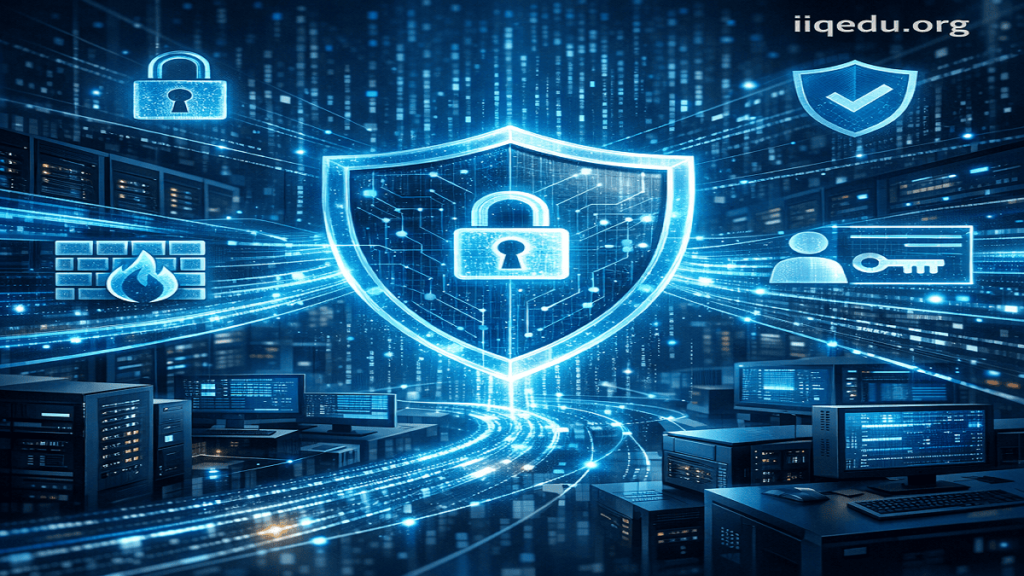
A mid‑sized manufacturing organization engaged an external cybersecurity advisory firm to improve its cybersecurity quality and achieve compliance with ISO/IEC 27001, the international standard for Information Security Management Systems (ISMS). The objective was to build a structured cybersecurity program that would protect sensitive production and business‑critical information, improve governance, and demonstrate compliance with industry best practices.
Challenges Identified
Before implementation, the organization faced several cybersecurity quality issues:
- Legacy systems and fragmented controls across departments made risk assessment complex.
- Limited internal awareness of security requirements and responsibilities.
- Absence of formal documentation for policies, procedures, and incident response.
- Production systems lacked segmentation and encryption, increasing exposure to potential breaches.
These factors indicated that cybersecurity quality was inconsistent, reactive, and largely ad hoc.
Solution and Implementation
The implementation followed a structured approach aligned with ISO 27001 requirements:
1. Risk Assessment
The first phase involved identifying assets, threats, and vulnerabilities. This audit established a baseline for risk exposure, including risks to networks, servers, applications, and user behavior.
2. Governance Framework
A formal Information Security Management System (ISMS) was developed, incorporating:
- Documented policies for access control, encryption, incident management, and secure configuration.
- Defined roles and responsibilities for cybersecurity across departments.
- Procedures for continuous monitoring, audit, and review.
3. Technical Controls
Key technical measures were implemented:
- Encryption of sensitive data at rest and in transit, strengthening confidentiality.
- Network segmentation to isolate critical systems from general access.
- Endpoint protection and secure configurations on servers and workstations.
4. Training and Awareness
Employee training programs were conducted to reinforce policy adherence, emphasize secure behavior, and reduce the frequency of human‑related vulnerabilities.
5. Verification and Certification
After implementing controls, an independent audit assessed the ISMS against ISO 27001 criteria. This certification validated the organization’s cybersecurity quality and governance maturity.
Outcomes and Benefits
The project resulted in measurable improvements:
- Improved risk visibility: Formal risk assessment identified critical vulnerabilities and enabled prioritized remediation.
- Enhanced protection of sensitive data: Standardized controls reduced misconfigurations and unauthorized access.
- Operational consistency: Centralized policies eliminated security gaps between departments.
- Compliance and market confidence: ISO 27001 certification provided external validation of cybersecurity quality, strengthening the organization’s reputation and compliance posture.
Case Study: Applying the NIST Cybersecurity Framework (CSF) in Utilities
Context
In critical infrastructure sectors such as electric utilities, cybersecurity quality is paramount due to the risk of attacks on operations and public safety. One case focuses on how a utility applied the NIST Cybersecurity Framework (CSF) to build a resilient cybersecurity program.
Approach
The utility’s leadership adopted the NIST CSF to:
- Identify critical assets and develop enterprise‑wide risk visibility.
- Protect systems by formalizing access controls and secure configurations.
- Detect threats with enhanced monitoring and logging systems.
- Respond to incidents via defined incident response plans.
- Recover through business continuity planning and resilient operations.
This implementation was supported by detailed templates and procedures tailored to the energy sector’s operational requirements.
Impact
- Proof of cybersecurity maturity: By aligning practices with the NIST CSF, the utility achieved measurable improvement in security posture as measured by risk maturity levels.
- Structured risk management: Framework implementation led to clear documentation of roles, oversight functions, and response protocols.
- Enhanced resilience: The proactive approach enabled faster detection and response to emerging threats, reducing potential downtime or service disruptions.
Case Example: Healthcare Sector Standardization Using ISO 27001
Another real example involved a large healthcare organization that struggled with fragmented security practices. By adopting ISO 27001, the organization was able to:
- Standardize security policies across facilities.
- Unify incident response and monitoring procedures.
- Strengthen patient data protection and meet healthcare regulatory requirements.
These changes improved cybersecurity quality and ensured consistent protection of sensitive health information across the network.
Lessons Learned
Across these examples, a few consistent principles emerge:
- Framework‑based implementation (ISO 27001 or NIST CSF) provides a structured methodology for improving cybersecurity quality.
- Governance and documentation underpin quality assurance by formalizing expectations, roles, and response capabilities.
- Human factors such as training and awareness are as important as technical controls.
- Continuous improvement and monitoring ensure that quality does not degrade over time as threats evolve.
Further Reading
- ISO/IEC 27001 Information Security Management – International standard for establishing a secure management system: https://www.iso.org/isoiec‑27001‑information‑security.html
- NIST Cybersecurity Framework – Guidance for enhancing cybersecurity risk management: https://www.nist.gov/cyberframework
#Information & Cybersecurity Quality in India
White Paper of Information & Cybersecurity Quality
Executive Summary
In today’s digitally interconnected world, organizations face ever‑increasing risks from cyber threats while simultaneously relying on information systems for business continuity, innovation, and competitive advantage. Information & Cybersecurity Quality (ICQ) is the discipline that ensures cybersecurity practices are effective, reliable, and integrated with organizational objectives, operational processes, and governance frameworks. ICQ transcends basic security controls by embedding quality principles—measurability, continuous improvement, risk management, and compliance—into cybersecurity operations.
This white paper provides a comprehensive overview of ICQ, including its importance, value drivers, frameworks, implementation strategies, performance measurement, challenges, and case examples. The intended audience includes executives, security professionals, auditors, and stakeholders responsible for cybersecurity governance and quality assurance.
1. Introduction
Cybersecurity traditionally focused on preventing unauthorized access or attacks. However, as threats evolve in sophistication and frequency, organizations must ensure not just protection but quality in cybersecurity outcomes. Quality in this context means cybersecurity practices that are:
- Consistent and repeatable,
- Aligned with business goals,
- Measurable against objectives and standards,
- Adaptive to changes in threats, regulations, and technologies.
This white paper examines how quality principles apply to cybersecurity and why ICQ must be treated as a strategic priority.
2. Defining Information & Cybersecurity Quality
Information & Cybersecurity Quality (ICQ) is the degree to which cybersecurity processes, controls, and governance mechanisms meet predefined requirements related to security objectives, regulatory standards, business continuity, and stakeholder expectations.
Fundamental quality objectives include:
- Confidentiality: Prevent unauthorized disclosure of information.
- Integrity: Protect information from unauthorized modification.
- Availability: Ensure systems and data are accessible when required.
- Compliance: Meet legal, regulatory, and contractual requirements.
- Resilience: Enable rapid detection, response, and recovery from incidents.
These objectives align with the traditional CIA triad and extend into organizational quality domains.
3. Drivers for Quality in Cybersecurity
ICQ is required for the following key drivers:
3.1 Risk Exposure and Threat Complexity
Cyber threats are dynamic and sophisticated, including ransomware, supply chain attacks, phishing, and advanced persistent threats (APT). High‑quality cybersecurity reduces exposure and mitigates risks before they escalate into breaches.
3.2 Regulatory and Legal Requirements
Organizations must demonstrate compliance with regulatory frameworks such as:
- General Data Protection Regulation (GDPR) – Personal data protection obligations in the EU.
- Health Insurance Portability and Accountability Act (HIPAA) – Security and privacy rules for health information in the U.S.
- Payment Card Industry Data Security Standard (PCI DSS) – Controls for cardholder data protection.
Link: https://gdpr.eu
Link: https://www.hhs.gov/hipaa
Link: https://www.pcisecuritystandards.org
3.3 Business Continuity and Reputation
Cyber incidents disrupt operations and damage reputation. Quality cybersecurity ensures operational continuity and stakeholder trust.
3.4 Digital Transformation and Dependence on Technology
Cloud adoption, remote work, IoT, and automated systems require integrated cybersecurity quality practices across technologies and environments.
4. Frameworks and Standards Supporting ICQ
Several globally recognized frameworks help organizations implement and measure cybersecurity quality:
4.1 ISO/IEC 27001 – Information Security Management
ISO/IEC 27001 provides a systematic approach to establishing, implementing, monitoring, and improving an Information Security Management System (ISMS) that integrates quality principles.
Link: https://www.iso.org/isoiec-27001-information-security.html
4.2 NIST Cybersecurity Framework (CSF)
The NIST CSF enables organizations to identify, protect, detect, respond to, and recover from cyber incidents through repeatable, scalable practices.
Link: https://www.nist.gov/cyberframework
4.3 COBIT – Governance and Management
COBIT provides a comprehensive framework for governance, risk management, and quality assurance integration.
Link: https://www.isaca.org/resources/cobit
4.4 ITIL – Service Management Integrated with Security
ITIL includes guidance for service quality and aligns IT service delivery with cybersecurity requirements.
Link: https://www.axelos.com/best-practice-solutions/itil
5. Implementing Cybersecurity Quality
Implementing ICQ involves structured processes, multidisciplinary collaboration, and continuous evaluation. Key components include:
5.1 Governance and Policy Framework
Define formal cybersecurity policies, roles, accountability, and oversight mechanisms. Align governance with enterprise risk management and strategic objectives.
5.2 Risk Assessment and Treatment
Conduct comprehensive risk assessments to identify threats, vulnerabilities, and impacts. Prioritize risk treatments based on organizational risk tolerance.
5.3 Technical Controls
Implement controls such as access management, encryption, secure configurations, and network segmentation to enforce cybersecurity quality consistently.
5.4 Awareness and Training Programs
Human error remains a leading cause of breaches. Quality cybersecurity requires continuous education and behavioral reinforcement.
5.5 Continuous Monitoring and Improvement
Deploy monitoring tools and metrics to measure performance, detect anomalies, and support iterative improvements.
5.6 Documentation and Audit Trails
Maintain detailed documentation of policies, procedures, changes, and audits to support quality assurance and compliance review.
6. Measuring Cybersecurity Quality
Metrics must be defined to evaluate ICQ objectively. Common categories include:
- Process Metrics: Percentage of systems with updated security configurations; patch compliance rates.
- Performance Metrics: Mean Time to Detect (MTTD); Mean Time to Respond (MTTR); number of incidents prevented.
- Outcome Metrics: Number of breaches; impact on availability or financial loss; audit findings.
- Compliance Metrics: Alignment with standards such as ISO/IEC 27001 controls or NIST CSF implementation tiers.
Key Performance Indicators (KPIs) should align with organizational risk appetite and strategic goals.
7. Challenges in Sustaining Quality
7.1 Evolving Threat Landscape
Threat actors continually adapt, requiring dynamic cybersecurity practices.
7.2 Resource Constraints
Quality programs require investment in tools, personnel, and training.
7.3 Cultural Resistance
Embedding quality and security culture requires leadership commitment and behavioral change.
7.4 Technology Complexity
Hybrid environments, cloud infrastructure, and IoT increase the challenge of consistent quality enforcement.
8. Case Examples
Case Example 1: ISO/IEC 27001 Implementation in Manufacturing
A manufacturing firm adopted ISO/IEC 27001 to integrate cybersecurity into its enterprise risk program. The result was improved governance, reduced vulnerabilities, and external certification validating quality controls.
Reference: https://www.iso.org/isoiec-27001-information-security.html
Case Example 2: NIST CSF Adoption in Critical Infrastructure
A utility company used the NIST CSF to strengthen detection and response capabilities, resulting in measurable improvements in incident readiness and resilience.
Reference: https://www.nist.gov/cyberframework
9. Conclusion
Information & Cybersecurity Quality is a strategic imperative. It ensures not just protection, but the effectiveness, consistency, and adaptability of cybersecurity practices. Organizations that integrate quality principles into cybersecurity governance, risk management, technical implementation, and performance measurement position themselves to resist threats, comply with regulations, safeguard reputation, and sustain business continuity.
References
- ISO/IEC 27001 – Information Security Management: https://www.iso.org/isoiec-27001-information-security.html
- NIST Cybersecurity Framework: https://www.nist.gov/cyberframework
- COBIT Governance Framework: https://www.isaca.org/resources/cobit
- ITIL Service Management: https://www.axelos.com/best-practice-solutions/itil
- GDPR Compliance: https://gdpr.eu
- HIPAA Security Rule: https://www.hhs.gov/hipaa
- PCI DSS: https://www.pcisecuritystandards.org
#Information & Cybersecurity Quality in Maharashtra
Industry Application of Information & Cybersecurity Quality
Information & Cybersecurity Quality (ICQ) is critical across all industries, but its implementation varies depending on the type of data handled, regulatory requirements, operational risks, and the technological environment. High-quality cybersecurity ensures that information is protected, operational systems remain resilient, and organizations comply with relevant laws and standards.
1. Healthcare Industry
- Application: Protects patient data, electronic health records (EHRs), and medical devices.
- Key Drivers: HIPAA compliance in the U.S., GDPR in Europe, and protection against ransomware attacks targeting hospitals.
- Cybersecurity Quality Measures:
- Encryption of sensitive patient data.
- Regular vulnerability assessments of medical devices and hospital networks.
- Incident response plans tailored to patient care continuity.
- Example: A large hospital network implemented ISO/IEC 27001 to standardize security policies across all facilities, improving patient data protection and audit readiness.
- References: HIPAA Security Rule, ISO/IEC 27001
2. Financial Services and Banking
- Application: Protects financial transactions, client accounts, and payment systems.
- Key Drivers: PCI DSS compliance, SOX requirements, anti-fraud measures, and cybersecurity risk management.
- Cybersecurity Quality Measures:
- Multi-factor authentication (MFA) for online banking and internal systems.
- Transaction monitoring and anomaly detection systems.
- Continuous auditing and risk assessment programs.
- Example: A major bank applied the NIST Cybersecurity Framework to improve detection and response, reducing fraud losses and strengthening customer trust.
- References: PCI DSS, NIST Cybersecurity Framework
3. Manufacturing and Industrial Sector
- Application: Protects intellectual property (IP), operational technology (OT), and industrial control systems (ICS).
- Key Drivers: Threats from industrial espionage, ransomware targeting production systems, and compliance with industry-specific standards like ISA/IEC 62443.
- Cybersecurity Quality Measures:
- Network segmentation between IT and OT environments.
- Secure configuration of ICS and SCADA systems.
- Continuous monitoring for anomalous industrial operations.
- Example: A manufacturing firm used ISO/IEC 27001 combined with ISA/IEC 62443 standards to protect proprietary designs and production lines, ensuring uninterrupted operations.
- References: ISA/IEC 62443, ISO/IEC 27001
4. Energy and Utilities
- Application: Protects critical infrastructure such as power grids, water systems, and gas pipelines.
- Key Drivers: Operational resilience, NERC-CIP compliance for electrical utilities, and protection from nation-state cyber threats.
- Cybersecurity Quality Measures:
- Continuous monitoring and anomaly detection on critical systems.
- Backup and disaster recovery plans for operational continuity.
- Security audits and penetration testing of industrial control networks.
- Example: A utility company implemented the NIST CSF to improve risk visibility, resilience, and incident response readiness across grid operations.
- References: NIST CSF for Critical Infrastructure, CISA Cybersecurity Guidance
5. Retail and E-Commerce
- Application: Protects customer data, payment information, and transaction systems.
- Key Drivers: PCI DSS compliance, GDPR regulations, and mitigation of phishing and fraud risks.
- Cybersecurity Quality Measures:
- End-to-end encryption of payment transactions.
- Secure authentication and account management practices.
- Monitoring for unauthorized access and fraudulent activities.
- Example: A global e-commerce platform used ISO/IEC 27001 along with real-time threat detection systems to secure customer transactions and prevent data breaches.
- References: PCI DSS, ISO/IEC 27001
6. Education Sector
- Application: Protects student records, research data, and academic networks.
- Key Drivers: FERPA in the U.S., GDPR in Europe, and cyber risks from phishing and ransomware attacks targeting universities.
- Cybersecurity Quality Measures:
- Multi-layered access control for research databases.
- Cybersecurity awareness training for students and staff.
- Regular vulnerability scanning of campus networks.
- Example: A university implemented a centralized security policy and ISO/IEC 27001 controls across its IT systems, improving data confidentiality and integrity.
- References: FERPA, ISO/IEC 27001
7. Summary of Industry Applications
| Industry | Key Assets Protected | Standards / Frameworks | Core Quality Measures |
|---|---|---|---|
| Healthcare | Patient data, EHRs, devices | ISO/IEC 27001, HIPAA | Encryption, monitoring, incident response |
| Finance | Accounts, transactions, payment systems | NIST CSF, PCI DSS, SOX | MFA, anomaly detection, audits |
| Manufacturing | IP, OT, ICS, SCADA | ISO/IEC 27001, ISA/IEC 62443 | Network segmentation, secure configuration, monitoring |
| Energy/Utilities | Power grids, water/gas systems | NIST CSF, CISA guidance | Continuous monitoring, disaster recovery, penetration testing |
| Retail/E-commerce | Customer data, payment systems | ISO/IEC 27001, PCI DSS | Encryption, fraud monitoring, access control |
| Education | Student records, research data | ISO/IEC 27001, FERPA | Access control, training, vulnerability scanning |
Key Takeaways
- Cybersecurity quality is sector-specific, with frameworks and controls tailored to the type of data and operational risk.
- Regulatory compliance is a primary driver, but operational continuity and reputation are equally critical.
- Human factors, technology, and governance must be integrated to achieve sustainable cybersecurity quality.
- Continuous monitoring, auditing, and improvement are essential across all industries to maintain cybersecurity quality in the face of evolving threats.
References
- ISO/IEC 27001 – Information Security Management: https://www.iso.org/isoiec-27001-information-security.html
- NIST Cybersecurity Framework: https://www.nist.gov/cyberframework
- PCI DSS – Payment Card Industry Security Standards: https://www.pcisecuritystandards.org
- CISA – Cybersecurity for Critical Infrastructure: https://www.cisa.gov/cybersecurity
- HIPAA – Health Information Security: https://www.hhs.gov/hipaa
- ISA/IEC 62443 – Industrial Control Systems Security: https://www.isa.org/isa62443
#Information & Cybersecurity Quality in Mumbai
Ask FAQs
What is Information & Cybersecurity Quality?
formation & Cybersecurity Quality (ICQ) refers to the effectiveness, consistency, and reliability of cybersecurity practices within an organization. It ensures that information systems and data are protected against unauthorized access, breaches, and disruptions, while maintaining compliance with regulatory standards such as ISO/IEC 27001, NIST Cybersecurity Framework, GDPR, or HIPAA. ICQ focuses on continuous improvement, risk management, and alignment with business objectives.
Reference: ISO/IEC 27001
Who requires Information & Cybersecurity Quality?
ICQ is required by multiple stakeholders, including:
Internal: executives, IT teams, and employees to protect organizational data and systems.
External: customers, partners, investors, regulators, and auditors to ensure trust, compliance, and operational resilience. Essentially, anyone relying on digital information or business systems requires high cybersecurity quality.
Reference: NIST Cybersecurity Framework
Why is Information & Cybersecurity Quality important?
ICQ is crucial because it:
Protects sensitive data from breaches and unauthorized access.
Ensures business continuity and operational resilience.
Reduces financial, legal, and reputational risks.
Demonstrates compliance with regulatory and industry standards.
High-quality cybersecurity also enhances stakeholder confidence and enables organizations to operate securely in a digital environment.
Reference: CISA Cybersecurity Guidance
How is Information & Cybersecurity Quality implemented?
ICQ is implemented through a combination of governance, technical, and operational measures:
Establishing policies, roles, and accountability frameworks.
Conducting risk assessments and implementing preventive, detective, and corrective controls.
Deploying technical solutions such as encryption, firewalls, and multi-factor authentication.
Training employees on security awareness and best practices.
Continuous monitoring, auditing, and iterative improvement of security processes.
Reference: ISO/IEC 27001 Implementation
In which industries is Information & Cybersecurity Quality applied?
ICQ is applied across virtually all industries, with specific focus areas depending on operational risks and regulatory requirements:
Healthcare: Protect patient records and medical devices (HIPAA, ISO 27001).
Finance: Secure transactions, accounts, and payment systems (PCI DSS, NIST).
Manufacturing & Industrial: Protect intellectual property and operational technology (ISA/IEC 62443).
Energy & Utilities: Safeguard critical infrastructure (NIST CSF, CISA guidance).
Retail & Education: Secure customer and student data (GDPR, FERPA).
Reference: ISO/IEC 27001 Information Security
Source: Daily Dose of Cybersecurity
Table of Contents
Disclaimer:
The information provided in this document is for general informational purposes only and does not constitute legal, financial, or professional advice. While efforts have been made to ensure accuracy, the authors and sources do not accept liability for any errors, omissions, or outcomes resulting from the use of this information. Organizations should consult qualified professionals for guidance specific to their circumstances.