Innovation & Technology Quality
Innovation and technology quality are interrelated concepts that drive organizational competitiveness, efficiency, and long-term sustainability. Understanding both individually and in combination is critical for businesses, policymakers, and technology developers seeking to maintain relevance in a rapidly evolving global market.
1. Innovation in Technology
Innovation & Technology Quality refers to the process of developing and implementing new or significantly improved products, services, processes, or business models. It goes beyond incremental improvements to create solutions that can transform industries or create entirely new markets. Types of technological innovation include:
- Product Innovation & Technology Quality: Development of new products or significant improvements to existing ones, often leveraging emerging technologies such as artificial intelligence, blockchain, or advanced materials.
- Process Innovation & Technology Quality: Enhancements in production or operational methods, such as automation, robotics, or advanced supply chain management techniques, which improve efficiency, reduce costs, and increase reliability.
- Business Model Innovation & Technology Quality: Novel ways of delivering value to customers, such as subscription-based software services or platform-based ecosystems (e.g., cloud computing solutions).
Effective Innovation & Technology Quality requires a culture that encourages experimentation, cross-disciplinary collaboration, and risk-taking, coupled with structured mechanisms for evaluating feasibility, scalability, and market potential.
Reference: OECD – Oslo Manual on Innovation Measurement
2. Technology Quality
Technology quality refers to the degree to which a technological product, system, or process meets predefined standards, customer expectations, and regulatory requirements. High-quality technology ensures reliability, efficiency, safety, and usability. Core dimensions of technology quality include:
- Performance: How effectively technology performs its intended functions under specified conditions.
- Reliability: Consistency of technology operation over time, minimizing failures or downtime.
- Scalability: The ability of technology to handle increased demand or complexity without compromising performance.
- Usability: Ease of use for end-users, including user interface design, accessibility, and support services.
- Security and Compliance: Adherence to legal, industry, and cybersecurity standards.
Maintaining high technology quality is essential for protecting brand reputation, meeting regulatory obligations, and ensuring user satisfaction. Organizations often adopt quality management frameworks like ISO 9001, Six Sigma, or Capability Maturity Models to standardize and continuously improve technology quality.
Reference: ISO 9001 Quality Management Systems
3. The Interconnection Between Innovation and Technology Quality
While Innovation & Technology Quality drives novelty and competitive advantage, technology quality ensures reliability and trustworthiness. The interplay between these two concepts is crucial for sustainable success:
- Balancing Risk and Reliability: Rapid Innovation & Technology Quality often introduces risks, such as system failures or security vulnerabilities. Ensuring quality mitigates these risks while allowing innovation to flourish.
- Customer Trust and Adoption: Innovative technologies, no matter how advanced, fail to gain traction if quality is compromised. High-quality standards foster adoption, customer loyalty, and market credibility.
- Continuous Improvement: Quality management frameworks can feed Innovation & Technology Quality processes by providing data on performance gaps, user feedback, and operational inefficiencies, which inform future technological enhancements.
Organizations like Apple, Tesla, and Siemens exemplify this integration, consistently delivering innovative solutions with high quality standards, demonstrating that technological excellence requires both creative breakthroughs and rigorous quality assurance.
Reference: Harvard Business Review – Balancing Innovation and Quality
4. Emerging Trends
- AI-Driven Quality Assurance: Artificial intelligence is increasingly used to monitor software, manufacturing, and service quality, enabling real-time defect detection and predictive maintenance.
- Sustainable Technology Innovation: Innovations that prioritize environmental sustainability, circular economy principles, and energy efficiency are becoming central to quality assessments.
- Digital Twins and Simulation: Organizations use virtual models of products or systems to test Innovation & Technology Quality while ensuring quality before deployment.
Reference: World Economic Forum – Fourth Industrial Revolution and Technology Quality
Conclusion
Innovation and technology quality are not mutually exclusive; instead, they are complementary pillars of technological and organizational success. Innovation & Technology Quality fuels progress and differentiation, while quality ensures reliability, safety, and user trust. Businesses that integrate both strategically can deliver groundbreaking technologies that are not only novel but also dependable, scalable, and aligned with customer and regulatory expectations.
#Innovation & Technology Quality in India
What is Innovation & Technology Quality?
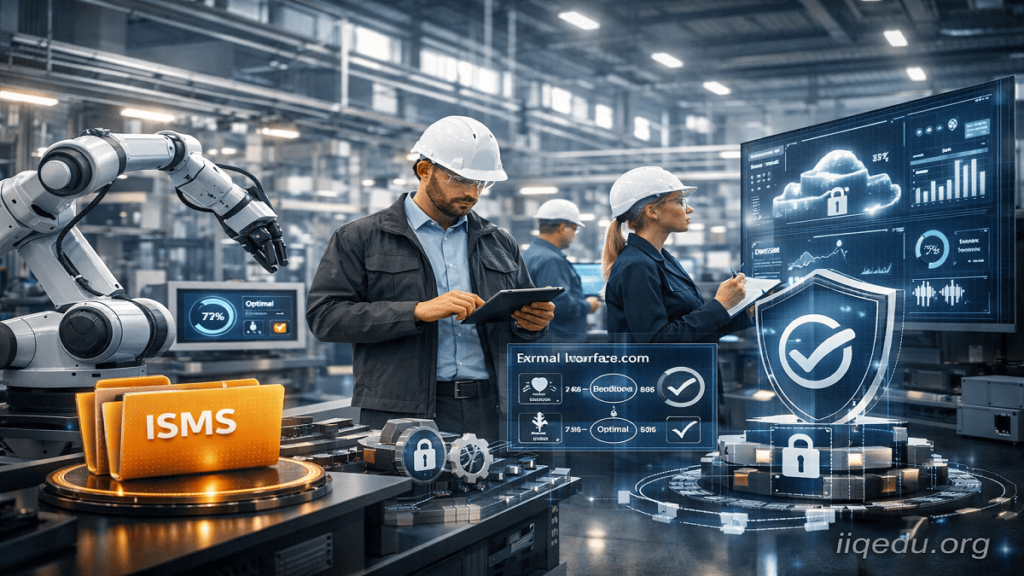
Innovation & Technology Quality refers to the intersection of two critical concepts in modern business and engineering: the development of new technologies (innovation) and the standards by which these technologies are evaluated and maintained (quality). Together, they define how organizations create, implement, and sustain technologies that are not only novel but also reliable, efficient, and valuable to users.
1. Innovation
Innovation & Technology Quality is the process of creating or improving products, services, processes, or business models through the application of new ideas, methods, or technologies. It is not just about invention; it emphasizes practical implementation that adds value.
Key aspects of innovation include:
- Product Innovation & Technology Quality: Introduction of new or enhanced products that meet emerging customer needs. For example, smartphones with AI-powered cameras or electric vehicles with advanced battery technology.
- Process Innovation & Technology Quality: Improving methods of production, delivery, or internal operations to increase efficiency, reduce costs, and enhance quality. Automation and digital workflow tools are common examples.
- Business Model Innovation & Technology Quality: Rethinking how value is delivered to customers, such as subscription-based models or platform ecosystems.
Innovation & Technology Quality drives competitiveness, market differentiation, and long-term growth by continuously pushing technological boundaries.
Reference: OECD – Oslo Manual on Innovation Measurement
2. Technology Quality
Technology quality refers to the degree to which a technological product, system, or process meets predefined standards, functional requirements, and customer expectations. High-quality technology is reliable, safe, efficient, and user-friendly.
Core dimensions of technology quality:
- Performance: How well a technology fulfills its intended purpose.
- Reliability: Consistency of operation with minimal failures.
- Scalability: Ability to handle increased usage or complexity without compromising performance.
- Usability: Ease of use, accessibility, and user experience.
- Compliance & Security: Adherence to legal, regulatory, and cybersecurity standards.
Frameworks like ISO 9001 or Six Sigma are often used to standardize and ensure quality in technological development and deployment.
Reference: ISO 9001 Quality Management Systems
3. Why the Combination Matters
Innovation & Technology Quality without quality can result in products that fail, cause safety issues, or damage brand reputation. Quality without innovation may leave a company stagnant and uncompetitive. Integrating innovation and technology quality ensures:
- Trustworthy Innovation & Technology Quality: New technologies work reliably and meet user expectations.
- Market Success: Products and services are adopted because they are both novel and dependable.
- Continuous Improvement: Quality monitoring informs further Innovation & Technology Quality by identifying areas for enhancement.
For example, companies like Tesla or Apple combine cutting-edge Innovation & Technology Quality with high standards of technology quality, enabling them to maintain leadership in their industries.
Reference: Harvard Business Review – Balancing Innovation and Quality
4. Conclusion
Innovation & Technology Quality represents a strategic approach where novelty and reliability coexist. Organizations that successfully integrate these two aspects can create technologies that are both groundbreaking and dependable, ensuring sustainable growth, customer satisfaction, and competitive advantage.
#Innovation & Technology Quality in Lakhnav
Who is Innovation & Technology Quality required?
Innovation & Technology Quality are not optional luxuries—they are essential for a wide range of stakeholders across industries and sectors. The requirement arises wherever organizations, governments, or individuals rely on technology to deliver value, maintain competitiveness, or meet safety and regulatory standards. Below is a detailed breakdown of who requires innovation and technology quality and why.
1. Businesses and Corporations
Companies across all industries—from manufacturing to services, healthcare to software—need innovation and technology quality to remain competitive.
- Startups and Tech Firms: For these organizations, innovation is the primary differentiator. High-quality technology ensures their solutions are reliable and can scale to meet growing demand. Without quality, innovative products risk failure in the market.
- Established Corporations: Larger organizations require innovation to stay relevant and quality to maintain customer trust and operational efficiency. For example, automobile manufacturers integrate innovation in electric and autonomous vehicles while ensuring strict quality standards to meet safety regulations.
- R&D Departments: Research and development teams rely on both innovation and quality frameworks to prototype, test, and launch products that perform reliably in real-world conditions.
Reference: Harvard Business Review – Innovation and Quality in Business
2. Government and Public Sector Organizations
Public sector agencies use innovative technologies to improve services and enhance operational efficiency. Technology quality is critical because failures can affect public safety, legal compliance, and trust.
- Healthcare Agencies: Hospitals and public health systems implement innovative medical technologies (e.g., telemedicine, diagnostic AI) while ensuring quality to protect patient safety and comply with health regulations.
- Infrastructure and Transportation: Smart city initiatives, traffic management systems, and public transportation technology require both innovation and quality to function reliably and safely.
- Defense and Security Agencies: Military and cybersecurity technologies must be innovative to counter emerging threats but must meet the highest standards of reliability and security.
Reference: World Economic Forum – Technology and Public Sector
3. Technology Developers and Service Providers
Companies and individuals who design, build, and deliver technological solutions depend on innovation and quality to remain relevant:
- Software Developers: They must innovate through new apps, platforms, or cloud services while ensuring robust, bug-free, and secure systems.
- Hardware Manufacturers: Electronics, robotics, and industrial equipment require cutting-edge innovation combined with rigorous testing to meet durability, safety, and regulatory standards.
- Consulting and IT Service Providers: Firms that provide technological solutions must maintain high-quality outputs to satisfy clients and sustain credibility.
Reference: ISO – Technology Quality Standards
4. Consumers and End-Users
End-users, while not producing technology, require innovation and technology quality to ensure products meet their expectations and provide safe, reliable experiences.
- Individual Consumers: Smartphones, home automation devices, and wearable health tech must be innovative to attract buyers but also high-quality to function consistently and safely.
- Businesses as Customers: Companies purchasing software, machinery, or IT services require both innovation (to improve productivity or gain a competitive edge) and quality (to avoid downtime, defects, or security risks).
5. Educational and Research Institutions
Universities, research labs, and training organizations require innovative technologies with high quality to drive knowledge creation and experimentation:
- Laboratory Equipment and Research Tools: Must be cutting-edge to enable discovery while ensuring precision and reliability.
- Educational Technology (EdTech): Platforms and tools used in teaching and learning need to integrate innovation (interactive learning, AI tutoring) and quality (secure, accessible, user-friendly).
Reference: OECD – Innovation in Education and Research
Conclusion
Innovation & technology quality is required across all sectors where technology interacts with people, processes, or systems. From multinational corporations to individual consumers, from healthcare systems to public infrastructure, all stakeholders need technology that is both innovative (to create value and competitiveness) and high-quality (to ensure reliability, safety, and compliance).
#Innovation & Technology Quality in Uttar Pradesh
When is Innovation & Technology Quality required?
Innovation and technology quality are required whenever organizations, individuals, or systems rely on technology to achieve goals, create value, maintain safety, or remain competitive. The timing is not limited to product launch; it is a continuous requirement across the lifecycle of technology—from conception to implementation and beyond. Below is a professional, detailed explanation.
1. During Product Development and Design
Innovation and technology quality are critical at the earliest stages of product or system development.
- Conceptualization Phase: New ideas and concepts need innovative approaches to solve existing problems or address emerging needs.
- Prototyping and Testing: Quality standards ensure that prototypes function correctly, meet performance expectations, and comply with safety or regulatory requirements.
- Iterative Development: Continuous innovation is required to refine features, integrate user feedback, and enhance usability while maintaining high quality.
Example: In software development, agile methodologies integrate innovation (new features) and quality assurance (testing, debugging) throughout each sprint.
Reference: ISO/IEC 25010 – System and Software Quality Requirements
2. During Deployment and Implementation
Innovation and quality are required when technology is deployed in real-world environments.
- Launch of Products or Services: Innovative solutions must meet performance, reliability, and security standards before reaching customers.
- Scaling Operations: When systems are expanded to handle increased users or production volumes, maintaining quality ensures consistent performance.
- Integration with Existing Systems: New technologies often need to interface with legacy systems, requiring both innovative solutions and rigorous testing for compatibility.
Example: Electric vehicle manufacturers launch new models with advanced battery technology while performing extensive quality checks for safety and performance.
3. During Continuous Operation and Maintenance
Technology quality is a continuous requirement during the operational phase, while innovation ensures systems remain competitive and up-to-date.
- System Monitoring: Quality assurance measures like predictive maintenance and performance monitoring ensure reliability over time.
- Upgrades and Updates: Innovation is applied in software updates or hardware enhancements, but quality ensures backward compatibility and minimal disruption.
- User Support and Feedback: Continuous improvements are guided by both innovation (new functionalities) and quality (usability, reliability).
Example: Cloud computing platforms like AWS or Microsoft Azure continuously innovate with new services while maintaining strict quality, security, and uptime standards.
Reference: World Economic Forum – Technology Quality and Innovation in Operations
4. During Regulatory Compliance and Safety Checks
Innovation cannot compromise safety, and quality is critical when technologies operate under regulatory oversight.
- Healthcare and Medical Devices: Innovative devices like AI diagnostic tools must comply with health regulations and quality standards before use.
- Automotive and Aerospace Industries: Safety-critical systems require rigorous quality testing alongside innovative features such as autonomous driving or advanced avionics.
- Cybersecurity: Innovative technologies handling sensitive data require high-quality security protocols to prevent breaches.
Example: FDA-approved medical devices undergo rigorous quality evaluation even if they incorporate cutting-edge AI or robotics.
Reference: FDA – Medical Device Quality and Innovation
5. During Strategic Planning and Market Expansion
Innovation and quality are also required when organizations plan long-term strategies or enter new markets.
- Adoption of Emerging Technologies: Introducing AI, blockchain, or IoT requires both innovative applications and high-quality deployment to gain trust.
- Competitive Advantage: Quality ensures customer satisfaction, while innovation differentiates the product in the market.
- Sustainability and ESG Goals: Innovative technologies that improve energy efficiency or reduce waste must meet quality standards to be effective and credible.
Conclusion
Innovation & technology quality is required throughout the entire lifecycle of technology:
- Design and development – to create functional and novel solutions.
- Deployment – to ensure reliability, safety, and scalability.
- Operation and maintenance – to sustain performance and integrate continuous improvements.
- Regulatory compliance – to meet legal, safety, and industry standards.
- Strategic planning – to maintain competitiveness, market relevance, and sustainability.
In short, innovation without quality leads to failure or unsafe systems, while quality without innovation leads to stagnation. Their combination is required whenever technology is created, implemented, used, or improved.
#Innovation & Technology Quality in Singapore
Where is Innovation & Technology Quality required?
Innovation and technology quality are required across a wide range of environments, industries, and sectors. Essentially, any context where technology is developed, deployed, or used benefits from the combination of innovative thinking and rigorous quality standards. Below is a professional, structured analysis.
1. Corporate and Industrial Sectors
Organizations across all industries require innovation and technology quality to remain competitive, efficient, and profitable.
- Manufacturing and Industrial Automation:
- Use of robotics, smart factories, and IoT sensors requires innovative solutions for efficiency and high-quality standards to ensure operational safety and reliability.
- Examples include predictive maintenance in production lines and automated quality control systems.
- Software and Information Technology:
- Software companies require innovation for product differentiation, and quality assurance ensures reliability, security, and user satisfaction.
- Continuous integration and testing frameworks maintain high technology quality in dynamic environments.
- Automotive and Aerospace:
- Innovation is applied in electric vehicles, autonomous driving, or advanced avionics, while stringent quality standards ensure safety, regulatory compliance, and performance reliability.
Reference: Harvard Business Review – Innovation and Quality in Industry
2. Healthcare and Life Sciences
Innovation and technology quality are critical in healthcare because errors can have life-or-death consequences.
- Medical Devices and Equipment: Devices like MRI machines, robotic surgical tools, and AI-based diagnostic systems require cutting-edge innovation combined with rigorous testing and compliance.
- Pharmaceutical Industry: Innovative drug delivery methods or digital health platforms need quality standards to ensure patient safety, effectiveness, and regulatory approval.
- Telemedicine and Digital Health: High-quality software, reliable connectivity, and secure patient data systems are essential for innovative healthcare solutions.
Reference: FDA – Technology Quality in Healthcare
3. Government and Public Sector
Governments increasingly rely on innovative technologies that meet high-quality standards to deliver public services efficiently and safely.
- Infrastructure and Smart Cities: IoT-enabled traffic systems, energy grids, and urban monitoring systems require innovation for efficiency and high-quality standards for reliability and safety.
- Defense and Security: Advanced defense systems, cybersecurity infrastructure, and surveillance technologies require innovation to address evolving threats while adhering to strict quality and security standards.
- Public Services and Administration: E-governance platforms, digital ID systems, and online services must be innovative to improve citizen access while maintaining quality to ensure accessibility and reliability.
Reference: World Economic Forum – Technology and Public Sector
4. Education and Research Institutions
Educational and research institutions need innovation and quality to drive learning, experimentation, and discovery.
- Research Laboratories: Innovative equipment, AI modeling, and advanced analytical tools must maintain precise quality standards to ensure accurate results.
- EdTech Platforms: Online learning platforms and digital tools require innovation for engagement and interactivity while ensuring accessibility, security, and system reliability.
Reference: OECD – Innovation in Education and Research
5. Consumer Products and Services
End-users benefit from technologies that are both innovative and high-quality.
- Electronics and Smart Devices: Smartphones, wearable technology, and home automation systems need innovative features for differentiation and quality to ensure reliability, safety, and usability.
- Financial Technology (FinTech): Digital banking, blockchain applications, and payment platforms require innovation for convenience and quality for security, performance, and compliance.
- Transportation and Mobility: Ride-sharing apps, electric scooters, and autonomous vehicles require technological innovation for convenience and high-quality standards for safety and dependability.
Reference: ISO – Technology Quality Standards
6. Global and Environmental Applications
Innovation and technology quality are required in addressing global challenges and sustainability initiatives.
- Energy and Environmental Technologies: Renewable energy systems, smart grids, and carbon reduction technologies rely on innovation for efficiency and quality for reliability and safety.
- Climate and Disaster Management: Predictive modeling, AI-based risk assessment, and early warning systems must be innovative and reliable to protect communities.
Conclusion
Innovation and technology quality are required virtually everywhere technology is applied, including:
- Corporate and industrial sectors – for efficiency, safety, and competitiveness.
- Healthcare and life sciences – for patient safety and regulatory compliance.
- Government and public services – for reliability, security, and citizen engagement.
- Education and research – for learning, discovery, and experimentation.
- Consumer products and services – for usability, safety, and satisfaction.
- Global sustainability initiatives – for reliable environmental and energy solutions.
In essence, anywhere technology is developed, deployed, or used, innovation and quality are required to ensure effective, safe, and sustainable outcomes.
#Innovation & Technology Quality in Patna
How is Innovation & Technology Quality required?
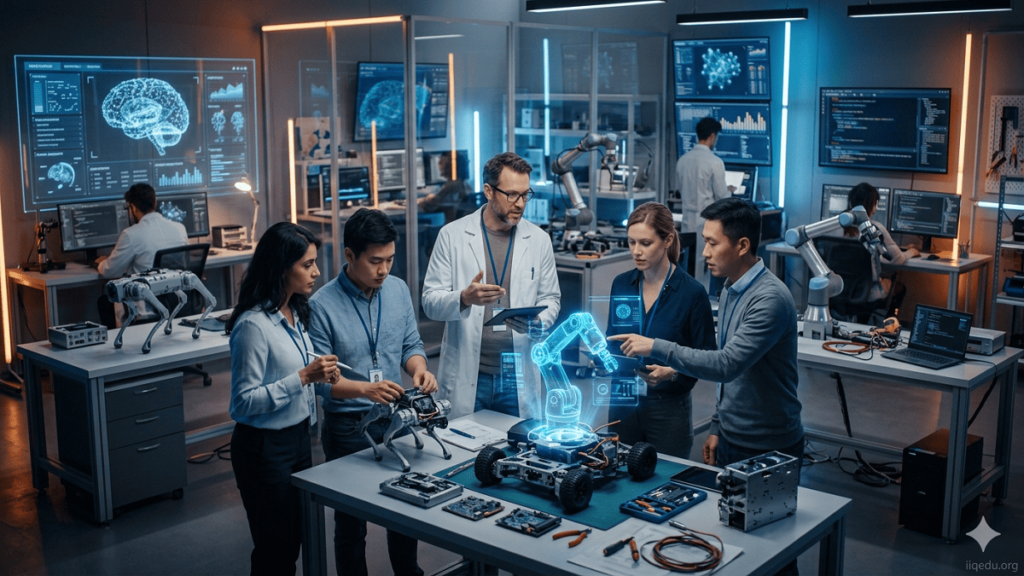
Innovation and technology quality are not just abstract goals—they are operational necessities that must be systematically embedded into processes, products, and services. Organizations require them through structured approaches, strategic integration, and continuous monitoring to ensure that new technologies are both cutting-edge and reliable. Below is a detailed professional explanation.
1. Through Strategic Planning and Vision
Innovation and technology quality are required at the strategic level to align technology initiatives with organizational goals.
- Defining Innovation Objectives: Organizations must determine what areas require innovation—product development, process improvement, customer experience, or business models.
- Quality Standards Alignment: Quality benchmarks must be established early, including performance metrics, regulatory compliance, safety standards, and user expectations.
- Investment and Resource Allocation: Both innovation and quality require dedicated resources, including R&D budgets, skilled personnel, and technology infrastructure.
Example: A company entering renewable energy markets must strategically plan innovative solar technologies while ensuring quality standards for efficiency, durability, and safety.
Reference: Harvard Business Review – Innovation and Strategy
2. Through Technology Development and Implementation
Innovation and quality are required directly in the design, development, and deployment of technology.
- Research and Development (R&D): Innovative ideas are transformed into prototypes, products, or processes, while quality assurance ensures feasibility, performance, and safety.
- Testing and Validation: Rigorous testing frameworks, such as automated quality checks, simulations, or pilot programs, are used to validate both innovation effectiveness and operational quality.
- Iterative Improvement: Feedback loops from testing and initial deployments allow continuous refinement of innovative features while maintaining or improving quality standards.
Example: Software companies use agile development cycles with integrated quality assurance to release new features reliably.
Reference: ISO/IEC 25010 – System and Software Quality Requirements
3. Through Process Integration
Innovation and quality are required when embedded into operational and production processes:
- Lean and Agile Processes: Incorporating innovation into operational workflows ensures efficiency, responsiveness, and adaptability to market changes.
- Quality Management Systems (QMS): Frameworks such as ISO 9001 or Six Sigma formalize quality requirements, ensuring that innovation does not compromise reliability or compliance.
- Automation and Digital Tools: Technologies like AI, IoT, and digital twins can support both innovative experimentation and real-time quality monitoring.
Example: A smart factory implements IoT-enabled sensors to both innovate production processes and continuously monitor product quality.
Reference: ISO – Quality Management Systems
4. Through Continuous Monitoring and Feedback
Innovation and technology quality are required on an ongoing basis, not just at launch.
- Performance Monitoring: Key performance indicators (KPIs) track the effectiveness of innovative solutions while ensuring operational quality.
- User Feedback Integration: End-user experiences guide improvements in both functionality (innovation) and usability/reliability (quality).
- Predictive Maintenance and Risk Management: Technologies like AI-driven monitoring identify potential failures and inform iterative improvements.
Example: Cloud service providers continuously release innovative features while monitoring uptime, security, and system reliability.
5. Through Compliance and Regulatory Adherence
Innovation must operate within legal and industry constraints, and quality ensures compliance:
- Healthcare & Medical Devices: Innovative diagnostic tools must comply with FDA or equivalent regulations, ensuring quality and patient safety.
- Automotive & Aerospace Industries: Autonomous driving or aviation innovations require strict adherence to safety and performance standards.
- Cybersecurity & Data Protection: Innovative applications in fintech or e-commerce require quality measures to protect sensitive data.
Reference: FDA – Medical Device Quality and Innovation
6. Through Cultural and Organizational Adoption
Innovation and quality are required culturally, ensuring that teams embrace continuous improvement and creative thinking:
- Innovation Culture: Encourages experimentation, risk-taking, and creative problem-solving.
- Quality Mindset: Prioritizes accuracy, reliability, and regulatory compliance.
- Cross-Functional Collaboration: Teams from R&D, operations, marketing, and compliance work together to balance innovation and quality.
Example: Companies like Tesla and Apple foster organizational cultures where engineers, designers, and quality specialists collaborate to deliver innovative, high-quality products.
Reference: Harvard Business Review – Building a Culture of Innovation and Quality
Conclusion
Innovation and technology quality are required through multiple mechanisms:
- Strategic planning – aligning innovation with business objectives and quality benchmarks.
- Technology development – integrating quality assurance into every stage of product and service creation.
- Process integration – embedding innovation and quality in operational workflows.
- Continuous monitoring – using feedback loops, KPIs, and predictive tools to maintain standards.
- Regulatory compliance – ensuring innovations meet legal, safety, and industry requirements.
- Organizational culture – fostering environments where creativity and quality coexist.
In essence, innovation and technology quality are required wherever technology is conceived, implemented, maintained, or evolved, and they must be systematically applied to achieve both breakthrough results and reliable, sustainable outcomes.
#Innovation & Technology Quality in Ahemdabad
Case Study of Innovation & Technology Quality
Background and Context
Innominds, a global digital transformation and full‑cycle software product engineering services company, worked with a large enterprise client to overhaul the client’s quality assurance (QA) and software testing practices. The goal was to improve technology quality while enabling faster innovation delivery in a complex digital environment.
Challenges Addressed
Prior to the engagement:
- Critical defects were regularly entering production, causing rework and system instability.
- Test coverage was low, meaning many components were not being validated reliably.
- Quality processes were manual, inconsistent, and not standardized across teams.
- Slow release cycles hindered rapid deployment of new features and innovation.
These issues are common when organizations accelerate digital transformation without strong quality engineering foundations.
Approach and Innovation Integration
Innominds implemented a comprehensive quality engineering transformation combining both innovation in processes and technology quality practices:
- Standardization of Quality Practices:
A standardized Quality Engineering (QE) framework was established with clear processes, tools, and metrics aligned to application criticality and business priorities. This provided a foundation for consistent quality evaluation across the enterprise. - Automation of Testing:
Leveraging a proprietary automation platform (iHarmony™), Innominds automated testing across platforms and environments, embedding quality early into the software delivery pipeline. Automated testing supported higher coverage and repeatability. - Performance and Security Focus:
Performance engineering and threat management were integrated into quality practices, ensuring that not only functional correctness but also non‑functional requirements like security and load handling were tested comprehensively. - Continuous Integration / Continuous Delivery (CI/CD):
The QA transformation was coupled with CI/CD implementation to enable frequent, reliable feature releases — a key requirement for innovation while maintaining quality.
Outcomes and Impact
As a result of this integrated approach:
- Defect leakage into production dropped from 34% to just 3%, drastically reducing rework and operational risk.
- Test coverage expanded from 500 existing tests to over 22,000 automated test cases, ensuring quality across a wider range of use cases.
- Release cycle time accelerated due to automation and CI/CD workflows, enabling faster innovation delivery without sacrificing quality.
- Cost savings were realized through reduced manual testing effort and fewer defects in production.
Key Learnings and Best Practices
This case yields several insights into how innovation and technology quality must be required and implemented:
- Embed Quality Early (Shift‑Left):
Quality cannot be an afterthought; embedding testing and validation early in the development cycle (shift‑left testing) enables innovation to proceed without increasing risk. Test automation and CI/CD pipelines are crucial enablers. - Standardize and Automate:
Innovation must be supported by stable quality foundations. Standardized processes, clear metrics, and automation allow teams to innovate rapidly while maintaining reliability. - Measure What Matters:
Clear quality metrics — such as defect leakage, test coverage, and cycle times — provide visibility into both innovation progress and quality outcomes, allowing informed decision‑making. - Integrate Performance and Security:
Quality encompasses not just functional correctness but also performance, security, and scalability — dimensions that are essential in innovation‑driven environments where digital products are used at scale.
Relevance to Innovation & Technology Quality
This case demonstrates that:
- Innovation in delivery mechanisms (automation, CI/CD) can accelerate business transformation.
- Technology quality practices (standardized testing, automated validation, performance engineering) safeguard reliability, trust, and competitive advantage.
By combining both, organizations can deliver cutting‑edge solutions that are dependable, aligning with broader strategic goals like customer satisfaction, time‑to‑market acceleration, and operational excellence.
External Reference for Further Reading
- For real examples of how corporate innovation and quality practices reinforce competitive advantage, see Innovation Case Studies by Forbes (illustrates broader industry patterns of technological innovation impacting market success).
- For deeper understanding of quality management in product development contexts, refer to academic work on improving quality systems in development projects which outlines structured quality improvement initiatives.
#Innovation & Technology Quality in Hyderabad
White Paper of Innovation & Technology Quality
Abstract
Innovation and technology quality are foundational drivers of competitive advantage, operational excellence, and long‑term sustainability for modern organizations. This white paper defines the concepts, explores their interrelationship, explains why they matter, identifies implementation frameworks, and provides practical guidance for embedding both within enterprise processes.
1. Introduction
Innovation continues to reshape markets through the introduction of new products, services, and business models. At the same time, quality in technology ensures that innovations are reliable, safe, and capable of delivering sustained value. While innovation is associated with novelty and competitive differentiation, technology quality is linked with consistency, reliability, and compliance. High performance in both areas enables organizations to deliver breakthrough solutions that customers and regulators trust.
2. Definitions
2.1 Innovation
Innovation refers to the creation, adoption, or improvement of products, processes, or business models that yield measurable value. It includes both incremental enhancements and disruptive breakthroughs.
Standard definition:
Innovation is the implementation of a new or significantly improved product (good or service), process, marketing method, or organisational method in business practices, workplace organisation or external relations.
Source: OECD – Oslo Manual
(https://www.oecd.org/innovation/inno/oslo-manual-2018-en.htm)
2.2 Technology Quality
Technology quality refers to the degree to which a technology (software, hardware, system, or process) meets specified functional and non‑functional requirements, industry standards, user expectations, and regulatory obligations.
Critical dimensions include:
- Performance: Efficiency and responsiveness
- Reliability: Consistency over time
- Security: Protection against threats
- Usability: Ease of use and accessibility
- Compliance: Conformance to regulatory standards
Key quality frameworks include ISO 9001 and ISO/IEC 25010.
Source: ISO/IEC 25010 – System and Software Quality Models
(https://www.iso.org/standard/35733.html)
3. Relationship Between Innovation and Technology Quality
Innovation and technology quality are complementary:
- Innovation creates new technology capabilities; quality ensures those capabilities are dependable and scalable.
- Technology quality provides trust and safety; innovation drives differentiation and value.
- Innovation without quality can lead to failure or harm; quality without innovation leads to stagnation.
From product launch to lifecycle support, organizations must balance creativity with disciplined engineering and testing.
4. Why Innovation & Technology Quality Matters
4.1 Strategic Business Value
- Increases market differentiation
- Accelerates time‑to‑value and time‑to‑market
- Reduces operational risks
- Enhances customer satisfaction and retention
McKinsey research finds that organizations with integrated innovation and quality functions outperform peers in revenue growth and customer retention.
(https://www.mckinsey.com/business-functions/strategy-and-corporate-finance/our-insights/the-eight-essentials-of-innovation)
4.2 Regulatory and Safety Requirements
In regulated industries — healthcare, automotive, aerospace, and finance — both innovation and quality are essential for compliance and safety. Regulatory authorities such as the FDA, EMA, and EASA require documented quality assurance alongside technology development.
Example: Medical devices must meet both innovation thresholds (new capabilities) and ISO 13485 quality standards.
(https://www.iso.org/standard/59752.html)
5. Frameworks for Implementation
To embed innovation and technology quality systematically, organizations can adopt the following frameworks:
5.1 Innovation Management Framework
A typical framework includes:
- Strategic alignment and portfolio management
- Idea generation and evaluation
- Experimentation and prototyping
- Product and process development
- Commercialization and launch
- Post‑launch learning
Tools include Design Thinking, Lean Startup, and Stage‑Gate models.
For guidance, see:
Harvard Business Review — A Systematic Approach to Innovation
(https://hbr.org/2006/08/a-systematic-process-for-innovation)
5.2 Quality Management Framework
Key components of a quality program include:
- Quality policy and objectives
- Quality planning and requirement definition
- Standardized procedures
- Testing and validation
- Performance measurement (KPIs)
- Continuous improvement
International standards such as ISO 9001 provide foundational requirements.
Quality as defined by ISO 9001:
(https://www.iso.org/iso-9001-quality-management.html)
6. Practical Integration Model: “IDEAL‑Q”
IDEAL‑Q is a practical model for embedding innovation and technology quality:
| Phase | Activities | Output |
|---|---|---|
| I — Ideation | Idea generation, market research | Innovation candidates |
| D — Design | Requirement definition, quality criteria definition | Design and quality specs |
| E — Engineering | Development with automated quality checks | Functional technology |
| A — Assurance | QA testing, performance evaluation | Tested release |
| L — Launch | Deployment + monitoring | Live technology |
| Q — Quality Feedback Loop | Continuous measurement and improvement | KPIs and quality data |
This model ensures that quality criteria are established as early as innovation criteria.
7. Case Example Summary
A large enterprise quality transformation (Innominds) achieved:
- Defect leakage reduced from 34% to 3%
- Test coverage increased from 500 to 22,000+ automated cases
- Accelerated release cycles
Reference: Innominds Quality Engineering Case Study
(https://www.innominds.com/hubfs/Innominds-201612/Downloads/case-study/quality-engineering/Innominds-case-Study-Transformed-the-QA-Function.pdf)
8. Metrics and Key Performance Indicators
Measuring success requires clear KPIs. Common measures include:
Innovation Metrics
- Number of new product releases
- Percentage of revenue from new products
- Time to market
- R&D spend efficiency
Quality Metrics
- Defect leakage rate
- System uptime and reliability
- Customer satisfaction scores
- Compliance audit results
Balanced scorecards can integrate both types of metrics.
9. Risks and Mitigation
| Risk | Mitigation |
|---|---|
| Innovation projects fail due to quality issues | Embed quality from design phase |
| Quality processes stifle innovation | Apply agile and lean principles |
| Regulatory non‑compliance | Align with standards early and maintain documentation |
| Customer dissatisfaction | Use continuous customer feedback loops |
10. Conclusion
Innovation and technology quality are essential, interdependent domains that must be deliberately integrated into an organization’s strategy and operations. High‑impact innovation cannot succeed without robust quality mechanisms, and quality without innovation leads to stagnation. By adopting structured frameworks, clearly defined metrics, and feedback loops, organizations can achieve sustainable competitive advantage, operational excellence, and long‑term stakeholder trust.
References and Further Reading
- OECD – Oslo Manual: Guidelines for Collecting, Reporting and Using Data on Innovation
https://www.oecd.org/innovation/inno/oslo-manual-2018-en.htm - ISO/IEC 25010 – Systems and Software Quality Requirements and Evaluation
https://www.iso.org/standard/35733.html - ISO 9001 – Quality Management Systems
https://www.iso.org/iso-9001-quality-management.html - McKinsey – The Eight Essentials of Innovation
https://www.mckinsey.com/business-functions/strategy-and-corporate-finance/our-insights/the-eight-essentials-of-innovation - Innominds Quality Engineering Transformation Case Study
https://www.innominds.com/hubfs/Innominds-201612/Downloads/case-study/quality-engineering/Innominds-case-Study-Transformed-the-QA-Function.pdf
#Innovation & Technology Quality in Maharashtra
Industry Application of Innovation & Technology Quality
Innovation and technology quality are critical across industries where new technologies drive business growth, operational efficiency, and competitive advantage. Below is a professional, detailed exploration of how these concepts are applied across various sectors.
1. Automotive Industry
Application:
- Innovation: Development of electric vehicles (EVs), autonomous driving systems, connected car technology, and advanced infotainment systems.
- Technology Quality: Ensures vehicle safety, reliability, battery performance, and regulatory compliance.
Example: Tesla integrates cutting-edge autonomous driving technology while performing rigorous software and hardware testing to maintain vehicle reliability and safety standards.
Reference: ISO 26262 – Functional Safety for Road Vehicles
2. Healthcare and Life Sciences
Application:
- Innovation: AI-powered diagnostics, telemedicine platforms, robotic surgery, wearable health monitoring devices.
- Technology Quality: Validates accuracy, reliability, patient safety, and adherence to healthcare regulations.
Example: Philips Healthcare employs AI algorithms in diagnostic imaging while adhering to ISO 13485 standards for medical device quality and regulatory compliance.
Reference: FDA – Medical Device Quality and Innovation
3. Information Technology and Software
Application:
- Innovation: Cloud computing, AI and machine learning solutions, blockchain applications, SaaS platforms.
- Technology Quality: Ensures system reliability, scalability, cybersecurity, and user experience.
Example: Microsoft Azure continually rolls out innovative cloud services while using automated testing, CI/CD pipelines, and security monitoring to maintain high-quality standards.
Reference: ISO/IEC 25010 – Software Quality Models
4. Manufacturing and Industrial Automation
Application:
- Innovation: Smart factories, industrial IoT, predictive maintenance, robotics, additive manufacturing.
- Technology Quality: Guarantees precision, uptime, production efficiency, and compliance with industrial safety standards.
Example: Siemens integrates industrial IoT sensors and robotics in smart factories to optimize production while ensuring quality assurance and safety compliance.
Reference: Siemens – Digital Factory Solutions
5. Financial Services and FinTech
Application:
- Innovation: Digital banking, mobile payment solutions, blockchain for transactions, AI-based risk management.
- Technology Quality: Ensures security, transaction accuracy, regulatory compliance, and uptime.
Example: PayPal and Stripe innovate payment solutions while maintaining rigorous security protocols and operational reliability for global financial transactions.
Reference: ISO/IEC 27001 – Information Security Management
6. Energy and Utilities
Application:
- Innovation: Smart grids, renewable energy systems, energy storage solutions, AI-based energy management.
- Technology Quality: Ensures operational reliability, energy efficiency, safety, and regulatory compliance.
Example: General Electric (GE) uses digital twins and predictive analytics in wind turbines to optimize energy production while monitoring mechanical and software quality.
Reference: World Economic Forum – Innovation in Energy
7. Consumer Electronics and IoT
Application:
- Innovation: Smart home devices, wearables, AR/VR products, AI assistants.
- Technology Quality: Focus on usability, safety, interoperability, and product durability.
Example: Apple integrates innovative features in devices like the iPhone and Apple Watch, while conducting rigorous hardware and software quality testing to maintain high standards.
Reference: ISO 9001 – Quality Management Systems
8. Aerospace and Defense
Application:
- Innovation: Advanced avionics, unmanned aerial systems, AI-driven defense platforms.
- Technology Quality: Critical focus on safety, performance reliability, and regulatory compliance.
Example: Boeing integrates innovative flight technologies while adhering to strict FAA safety and quality regulations for commercial and defense aircraft.
Reference: FAA – Aviation Safety and Quality Standards
Conclusion
The application of innovation and technology quality is pervasive across industries:
- Automotive: Autonomous driving and EVs
- Healthcare: AI diagnostics and medical devices
- IT & Software: Cloud, AI, and blockchain platforms
- Manufacturing: Smart factories and robotics
- Financial Services: Digital banking and payment systems
- Energy & Utilities: Smart grids and renewable energy solutions
- Consumer Electronics: Smart devices and wearables
- Aerospace & Defense: Advanced avionics and unmanned systems
In all sectors, innovation drives differentiation and growth, while technology quality ensures reliability, safety, and compliance. The combination of both enables organizations to deliver value sustainably and maintain a competitive edge.
#Innovation & Technology Quality in Mumbai
Ask FAQs
What is Innovation & Technology Quality?
Innovation & Technology Quality refers to the integration of novel ideas, methods, or technologies with rigorous standards of reliability, performance, and safety. Innovation drives new solutions, products, or processes, while technology quality ensures these solutions are dependable, compliant, and capable of delivering consistent value to users. Together, they enable organizations to innovate responsibly and sustainably.
Why is Innovation & Technology Quality important for businesses?
Innovation without quality can lead to unreliable products, safety issues, or regulatory violations, whereas quality without innovation can result in stagnation and lost competitiveness. Combining both ensures organizations deliver high-value, safe, and reliable solutions, enhances customer trust, improves operational efficiency, accelerates time-to-market, and supports long-term business growth.
Which industries benefit the most from Innovation & Technology Quality?
All technology-driven industries benefit, including:
Automotive (electric and autonomous vehicles)
Healthcare (medical devices and AI diagnostics)
IT & Software (cloud, AI, and blockchain solutions)
Manufacturing (smart factories and industrial IoT)
Financial Services (FinTech and digital payments)
Energy & Utilities (smart grids and renewable energy)
Aerospace & Defense (advanced avionics and UAVs)
In each case, innovation enables differentiation while quality ensures reliability, compliance, and safety.
How can organizations implement Innovation & Technology Quality?
Implementation requires a structured approach:
Strategic Planning: Align innovation objectives with quality standards and business goals.
Development Integration: Embed quality assurance throughout product design and development.
Process Standardization: Use quality management systems (ISO 9001, ISO/IEC 25010) to maintain consistency.
Continuous Monitoring: Measure performance, collect user feedback, and iterate improvements.
Cultural Adoption: Foster a culture of creativity, accountability, and continuous improvement across teams.
How is Innovation & Technology Quality measured?
Organizations use both innovation and quality metrics:
Innovation Metrics: Number of new products, percentage of revenue from new solutions, time-to-market, R&D efficiency.
Quality Metrics: Defect rates, system uptime, customer satisfaction, compliance audits, and performance benchmarks.
Balanced measurement ensures that new technologies are not only creative but also reliable, safe, and effective.
Source: Student Notes
Table of Contents
Disclaimer:
The information provided is for general educational and informational purposes only. While every effort has been made to ensure accuracy, the content does not constitute professional, legal, or regulatory advice. Users should verify information independently and consult relevant experts before making decisions based on this material.