
Knowledge and Study

Knowledge and Study: A Gateway to Lifelong Learning, Growth, and Global Excellence

Introduction

In an age of constant change, digital disruption, and information overload, knowledge and study remain the two essential pillars for human progress. Whether you’re a student, researcher, professional, entrepreneur, or lifelong learner, the pursuit of knowledge through systematic study equips you with the skills, understanding, and mindset to adapt, innovate, and lead.

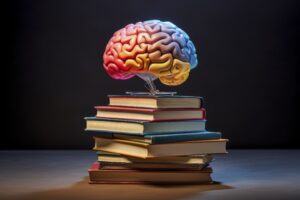
At its core, knowledge is the structured understanding of facts, truths, and principles gained through experience, education, and reasoning. Study is the disciplined process of acquiring that knowledge—through observation, analysis, reading, experimentation, and reflection.

Together, “Knowledge and Study” form the intellectual engine that drives personal excellence, professional growth, scientific innovation, and societal advancement.


What is Knowledge?

Knowledge is not just information. It is processed, organized, and contextualized insight that empowers individuals to make informed decisions, solve complex problems, and contribute meaningfully to their communities.

Types of Knowledge:

  • Explicit Knowledge: Documented knowledge in books, manuals, research papers, and databases.

  • Tacit Knowledge: Personal know-how gained through experience and practice.

  • Theoretical Knowledge: Academic concepts and frameworks.

  • Practical Knowledge: Hands-on skills, methods, and application-based learning.


What is Study?

Study is the intentional and systematic effort to gain, reinforce, and apply knowledge. It involves:

  • Active reading and critical thinking

  • Memorization and retention

  • Practice, experimentation, and real-world application

  • Reviewing, comparing, and synthesizing information

  • Reflective learning and self-assessment

Effective study habits improve comprehension, boost performance, and promote lifelong learning.


Why is Knowledge and Study Important?

  1. Empowers Personal Growth
    Fosters self-awareness, confidence, and continuous self-improvement.

  2. Enhances Career Opportunities
    Skill-building, certifications, and advanced degrees open doors to better employment.

  3. Drives Innovation and Problem-Solving
    Research-based knowledge leads to creative solutions and inventions.

  4. Supports Informed Citizenship
    Educated citizens can engage in civic life, policy, and societal development.

  5. Builds Cultural and Ethical Awareness
    Study of humanities, history, and global systems promotes understanding and empathy.


Where is Knowledge Gained?

Knowledge can be gained from:

  • Formal Education: Schools, colleges, universities, technical institutes.

  • Informal Learning: Self-study, podcasts, online videos, discussion forums.

  • Workplace Experience: Mentorship, training, hands-on projects.

  • Research and Experimentation: Labs, case studies, fieldwork.

  • Digital Platforms: MOOCs, webinars, eBooks, online courses.


How to Study Effectively?

Successful study involves strategy and discipline. Key principles include:

  • Set Clear Goals: Know what you want to learn and why.

  • Create a Study Schedule: Allocate fixed time for study, revision, and breaks.

  • Use Active Learning Techniques: Flashcards, mind maps, case studies, and group discussions.

  • Leverage Technology: Use digital tools, learning management systems (LMS), and apps.

  • Practice Retrieval: Test yourself regularly.

  • Stay Consistent: Regular study builds deep, long-lasting understanding.

  • Reflect and Revise: Review mistakes and refine your learning approach.

Global Trends in Knowledge and Study

  • E-Learning and Online Study: Platforms like Coursera, edX, and Khan Academy are transforming how people access knowledge.

  • Microlearning and Certifications: Bite-sized learning modules for skill-based, job-oriented training.

  • Artificial Intelligence in Education: Personalized learning, smart tutoring systems, and adaptive assessments.

  • Open Educational Resources (OER): Free learning materials that democratize education.

  • Hybrid and Lifelong Learning: Combination of digital, formal, and experiential learning models.


Fields Where Knowledge and Study are Critical

  • Science and Technology: Research, innovation, and technical development.

  • Medicine and Healthcare: Clinical knowledge, patient care, medical advancements.

  • Engineering: Systems design, quality control, manufacturing, infrastructure.

  • Education: Pedagogy, learning psychology, curriculum development.

  • Business and Management: Strategy, marketing, finance, entrepreneurship.

  • Arts and Humanities: Culture, ethics, literature, history.

  • Social Sciences: Economics, sociology, political science, human behavior.


Case Example: Knowledge and Study for Career Success

Rajesh, a mechanical engineering student from Mumbai, began self-studying Six Sigma and Quality Control through online courses. By combining theoretical knowledge from his university with real-world case studies and IIQ-certified training, he gained a competitive advantage. Within a year, he secured a job at a leading automotive firm with a focus on quality assurance. His success reflects the power of combining knowledge and disciplined study with career-aligned goals.


Challenges in Knowledge and Study

Despite its importance, many learners face barriers such as:

  • Information overload and lack of credible sources

  • Poor study habits and lack of motivation

  • Digital distractions

  • Ineffective teaching methods

  • Limited access to resources in underserved communities

IIQ and other educational institutions are working to address these challenges through structured learning pathways, inclusive pedagogy, and technology-driven tools.


The Role of Institutions Like IIQ

The International Institute of Quality (IIQ) believes in creating global access to high-impact knowledge and training. We offer:

  • Academic and Technical Courses

  • Certifications in Quality, Reliability, and Assurance

  • Study Resources and Knowledge Portals

  • Mentorship and Career Guidance

  • Research, White Papers, and Industrial Case Studies

Our mission is to promote knowledge as a global public good—accessible, ethical, and empowering.


Conclusion: Knowledge and Study Define the Future

In a knowledge-based economy, your greatest asset is your ability to learn, unlearn, and relearn. Structured study backed by credible knowledge is the pathway to growth—personally, professionally, and socially. In every challenge lies an opportunity to learn something new.

Courtesy: The Royal Society


Courtesy: easyway, actually

Courtesy: Fun Quiz Questions

Knowledge and Study: A Gateway to Lifelong Learning, Growth, and Global Excellence

Introduction

In an age of constant change, digital disruption, and information overload, knowledge and study remain the two essential pillars for human progress. Whether you’re a student, researcher, professional, entrepreneur, or lifelong learner, the pursuit of knowledge through systematic study equips you with the skills, understanding, and mindset to adapt, innovate, and lead.

At its core, knowledge is the structured understanding of facts, truths, and principles gained through experience, education, and reasoning. Study is the disciplined process of acquiring that knowledge—through observation, analysis, reading, experimentation, and reflection.

Together, “Knowledge and Study” form the intellectual engine that drives personal excellence, professional growth, scientific innovation, and societal advancement.


What is Knowledge?

Knowledge is not just information. It is processed, organized, and contextualized insight that empowers individuals to make informed decisions, solve complex problems, and contribute meaningfully to their communities.

Types of Knowledge:

  • Explicit Knowledge: Documented knowledge in books, manuals, research papers, and databases.

  • Tacit Knowledge: Personal know-how gained through experience and practice.

  • Theoretical Knowledge: Academic concepts and frameworks.

  • Practical Knowledge: Hands-on skills, methods, and application-based learning.

Courtesy: The Royal Society

What is Study?

Study is the intentional and systematic effort to gain, reinforce, and apply knowledge. It involves:

  • Active reading and critical thinking

  • Memorization and retention

  • Practice, experimentation, and real-world application

  • Reviewing, comparing, and synthesizing information

  • Reflective learning and self-assessment

Effective study habits improve comprehension, boost performance, and promote lifelong learning.


Why is Knowledge and Study Important?

  1. Empowers Personal Growth
    Fosters self-awareness, confidence, and continuous self-improvement.

  2. Enhances Career Opportunities
    Skill-building, certifications, and advanced degrees open doors to better employment.

  3. Drives Innovation and Problem-Solving
    Research-based knowledge leads to creative solutions and inventions.

  4. Supports Informed Citizenship
    Educated citizens can engage in civic life, policy, and societal development.

  5. Builds Cultural and Ethical Awareness
    Study of humanities, history, and global systems promotes understanding and empathy.


Where is Knowledge Gained?

Knowledge can be gained from:

  • Formal Education: Schools, colleges, universities, technical institutes.

  • Informal Learning: Self-study, podcasts, online videos, discussion forums.

  • Workplace Experience: Mentorship, training, hands-on projects.

  • Research and Experimentation: Labs, case studies, fieldwork.

  • Digital Platforms: MOOCs, webinars, eBooks, online courses.


How to Study Effectively?

Successful study involves strategy and discipline. Key principles include:

  • Set Clear Goals: Know what you want to learn and why.

  • Create a Study Schedule: Allocate fixed time for study, revision, and breaks.

  • Use Active Learning Techniques: Flashcards, mind maps, case studies, and group discussions.

  • Leverage Technology: Use digital tools, learning management systems (LMS), and apps.

  • Practice Retrieval: Test yourself regularly.

  • Stay Consistent: Regular study builds deep, long-lasting understanding.

  • Reflect and Revise: Review mistakes and refine your learning approach.


Global Trends in Knowledge and Study

  • E-Learning and Online Study: Platforms like Coursera, edX, and Khan Academy are transforming how people access knowledge.

  • Microlearning and Certifications: Bite-sized learning modules for skill-based, job-oriented training.

  • Artificial Intelligence in Education: Personalized learning, smart tutoring systems, and adaptive assessments.

  • Open Educational Resources (OER): Free learning materials that democratize education.

  • Hybrid and Lifelong Learning: Combination of digital, formal, and experiential learning models.


Fields Where Knowledge and Study are Critical

  • Science and Technology: Research, innovation, and technical development.

  • Medicine and Healthcare: Clinical knowledge, patient care, medical advancements.

  • Engineering: Systems design, quality control, manufacturing, infrastructure.

  • Education: Pedagogy, learning psychology, curriculum development.

  • Business and Management: Strategy, marketing, finance, entrepreneurship.

  • Arts and Humanities: Culture, ethics, literature, history.

  • Social Sciences: Economics, sociology, political science, human behavior.
Courtesy: Fun Quiz Questions

Case Example: Knowledge and Study for Career Success

Rajesh, a mechanical engineering student from Mumbai, began self-studying Six Sigma and Quality Control through online courses. By combining theoretical knowledge from his university with real-world case studies and IIQ-certified training, he gained a competitive advantage. Within a year, he secured a job at a leading automotive firm with a focus on quality assurance. His success reflects the power of combining knowledge and disciplined study with career-aligned goals.


Challenges in Knowledge and Study

Despite its importance, many learners face barriers such as:

  • Information overload and lack of credible sources

  • Poor study habits and lack of motivation

  • Digital distractions

  • Ineffective teaching methods

  • Limited access to resources in underserved communities

IIQ and other educational institutions are working to address these challenges through structured learning pathways, inclusive pedagogy, and technology-driven tools.


The Role of Institutions Like IIQ

The International Institute of Quality (IIQ) believes in creating global access to high-impact knowledge and training. We offer:

  • Academic and Technical Courses

  • Certifications in Quality, Reliability, and Assurance

  • Study Resources and Knowledge Portals

  • Mentorship and Career Guidance

  • Research, White Papers, and Industrial Case Studies

Our mission is to promote knowledge as a global public good—accessible, ethical, and empowering.


Conclusion: Knowledge and Study Define the Future

In a knowledge-based economy, your greatest asset is your ability to learn, unlearn, and relearn. Structured study backed by credible knowledge is the pathway to growth—personally, professionally, and socially. In every challenge lies an opportunity to learn something new.

Contact Detail

B-401, Om Kaveri CHS Ltd, Nagindas Pada, Next to Shivsena Office, Nalasopara (East), Dist.- Palghar
Maharastra (401209).
admin@iiqedu.org
+91 9322728183

Community

Follow Us

2025 Copyright iiqedu.org

Scroll to Top