Maritime & Shipping Quality Control
Maritime and shipping quality control is a critical aspect of the global shipping industry, ensuring that vessels, cargo, and operations meet established safety, environmental, and operational standards. It encompasses a systematic approach to monitoring, evaluating, and improving the processes, equipment, and procedures involved in Maritime & Shipping Quality Control operations to achieve efficiency, reliability, and compliance with international regulations.
Key Areas of Maritime & Shipping Quality Control
- Vessel Inspection and Maintenance:
A primary focus of quality control is ensuring that ships are seaworthy and maintained according to international standards. This involves regular inspections of hull integrity, propulsion systems, navigation equipment, and safety apparatus such as lifeboats, firefighting systems, and emergency communication devices. Maintenance schedules must adhere to guidelines set by classification societies, such as the International Association of Classification Societies (IACS), and ensure vessels are compliant with the International Maritime & Shipping Quality Control Organization (IMO) conventions. - Cargo Handling and Safety:
Proper cargo handling is crucial to prevent damage, loss, or accidents. Quality control includes verifying that cargo is properly stowed, secured, and documented according to International Maritime & Shipping Quality Control Dangerous Goods (IMDG) Code for hazardous materials. Monitoring the loading and unloading processes ensures that weight distribution is balanced to maintain the ship’s stability. Additionally, procedures must comply with safety protocols to minimize the risk of injury to personnel or environmental hazards. - Regulatory Compliance:
Quality control ensures adherence to international and national regulations, including IMO conventions, SOLAS (Safety of Life at Sea), MARPOL (Marine Pollution), and ISM (International Safety Management) Code requirements. Compliance audits and inspections verify that the vessel and crew operate within legal and environmental standards. Non-compliance can lead to fines, detentions, or reputational damage for shipping companies. - Operational Efficiency and Process Standardization:
Shipping quality control also focuses on operational efficiency, including voyage planning, fuel management, and performance monitoring. Standard operating procedures (SOPs) are implemented to maintain consistent quality across operations, reduce human error, and optimize logistics. This includes monitoring turnaround times at ports, ensuring proper documentation, and verifying that all operational processes are transparent and traceable. - Crew Competency and Training:
A critical component of quality control is ensuring that crew members are adequately trained, certified, and competent in their roles. Continuous professional development programs, safety drills, and emergency response exercises are part of maintaining high operational standards. Crew competency not only affects safety but also impacts operational efficiency and compliance with international regulations. - Risk Management and Incident Investigation:
Quality control systems incorporate risk assessment frameworks to identify potential operational hazards, including mechanical failures, cargo mishandling, environmental hazards, and human errors. When incidents occur, investigations are conducted to determine root causes, and corrective and preventive measures are implemented to prevent recurrence. Data collected from such incidents contributes to continuous improvement in operational safety and quality standards. - Technology and Digital Integration:
Modern shipping quality control increasingly relies on digital tools and automated systems. Technologies such as vessel monitoring systems, predictive maintenance analytics, electronic logbooks, and automated cargo tracking enhance accuracy, reduce errors, and improve compliance monitoring. Implementing digital quality management systems also facilitates real-time reporting and auditing, which strengthens operational transparency and accountability.
Conclusion
Maritime and shipping quality control is a multidimensional discipline that ensures vessels, cargo, operations, and personnel meet the highest safety, regulatory, and operational standards. By integrating systematic inspections, regulatory compliance, crew training, operational efficiency, risk management, and technology, shipping companies can mitigate hazards, enhance service reliability, and maintain competitiveness in a highly regulated and globally interconnected industry. Ultimately, effective quality control safeguards not only the vessel and cargo but also human life, environmental sustainability, and the reputation of the Maritime & Shipping Quality Control organization.
#Maritime & Shipping Quality Control in Lakhnav
What is Maritime & Shipping Quality Control?
Maritime and shipping quality control refers to the systematic processes and practices implemented to ensure that vessels, cargo, operations, and personnel meet established standards of safety, efficiency, compliance, and performance within the Maritime & Shipping Quality Control industry. It is an essential aspect of maritime management, aimed at minimizing risks, preventing operational failures, and ensuring that shipping activities adhere to international regulations, company policies, and industry best practices.
At its core, maritime quality control encompasses the monitoring, evaluation, and continuous improvement of all aspects of shipping operations. This includes vessel maintenance, cargo handling, regulatory compliance, crew competency, environmental protection, and operational efficiency. The goal is to guarantee that shipping operations are safe, reliable, and sustainable while reducing the likelihood of accidents, legal violations, and financial losses.
Key components of Maritime & Shipping Quality Control and shipping quality control include:
- Vessel Maintenance and Inspection: Ensuring that ships are seaworthy through regular inspections of hulls, engines, navigation systems, and safety equipment. Maintenance schedules are designed to prevent mechanical failures and maintain operational readiness.
- Cargo Handling and Safety Management: Implementing procedures to handle, store, and transport cargo securely, including compliance with the International Maritime & Shipping Quality Control Dangerous Goods (IMDG) Code for hazardous materials and ensuring proper weight distribution to maintain ship stability.
- Regulatory Compliance: Ensuring adherence to international and national Maritime & Shipping Quality Control regulations, such as SOLAS (Safety of Life at Sea), MARPOL (Marine Pollution), and the ISM Code (International Safety Management), to avoid penalties, detentions, or operational disruptions.
- Operational Efficiency: Standardizing procedures to optimize processes, reduce delays, and enhance performance across voyages, port operations, and logistics management.
- Crew Training and Competency: Maintaining a skilled and certified workforce capable of operating vessels safely and efficiently. Regular training, drills, and assessments are essential to uphold quality standards.
- Risk Management and Incident Analysis: Identifying potential hazards, analyzing incidents, and implementing corrective measures to prevent recurrence, thereby continuously improving operational safety and reliability.
- Use of Technology: Employing digital tools, monitoring systems, and automated processes to enhance accuracy, streamline operations, and facilitate real-time compliance and quality monitoring.
In essence, Maritime & Shipping Quality Control and shipping quality control is a comprehensive framework designed to safeguard life, property, and the environment, while promoting operational excellence and compliance in the global shipping industry. It is not merely a set of inspections or audits but a continuous, proactive process that integrates technical, operational, and managerial practices to achieve sustainable maritime operations.
#Maritime & Shipping Quality Control in Kolkata
Who is Maritime & Shipping Quality Control required?
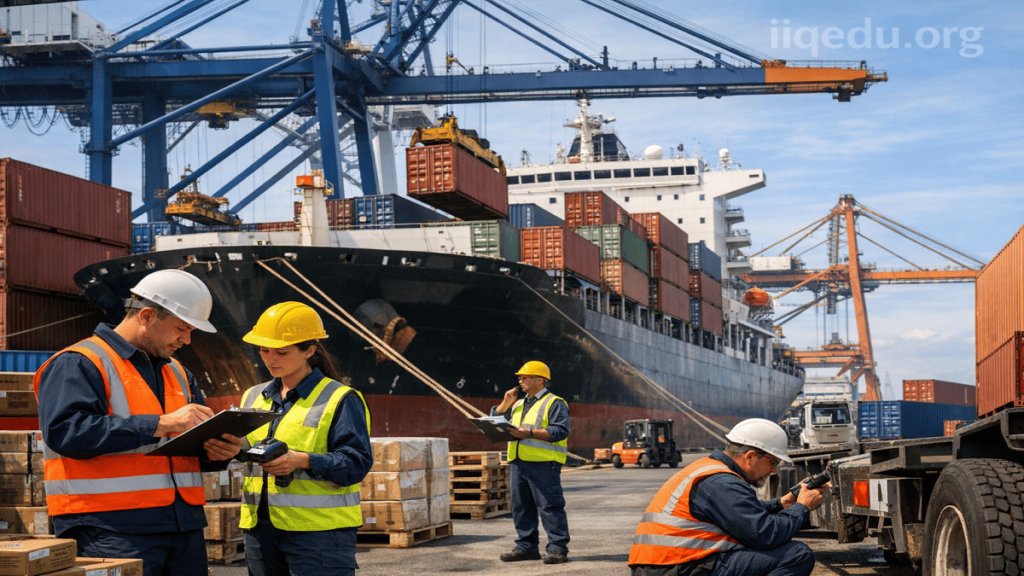
Maritime and shipping quality control is required by a wide range of stakeholders within the Maritime & Shipping Quality Control industry, including shipowners, operators, regulatory authorities, classification societies, port authorities, cargo owners, and insurers. The need arises because shipping is a high-risk industry where operational failures, accidents, and regulatory non-compliance can result in significant financial losses, environmental damage, and loss of life. Below is a detailed explanation of who requires maritime and shipping quality control and why:
1. Shipowners and Operators
Shipowners and operators are primarily responsible for the safety, efficiency, and profitability of their vessels. Quality control is required to:
- Ensure vessels are maintained and operated according to international safety standards.
- Minimize operational risks, such as mechanical failures, cargo damage, or accidents at sea.
- Maintain the ship’s classification and insurance coverage.
- Protect the company’s reputation by avoiding regulatory penalties and detentions.
2. Regulatory Authorities
International and national Maritime & Shipping Quality Control authorities require strict quality control to enforce compliance with legal and environmental standards. Key organizations include:
- International Maritime Organization (IMO): Mandates regulations such as SOLAS, MARPOL, and the ISM Code to ensure safety and environmental protection.
- Flag State Authorities: Ensure vessels registered under their jurisdiction comply with international standards.
- Port State Control (PSC): Conduct inspections to verify vessel compliance before allowing entry or departure from ports.
Quality control ensures vessels meet these regulatory requirements, avoiding fines, detentions, or restrictions on operations.
3. Classification Societies
Classification societies, such as Lloyd’s Register, DNV, or ABS, establish technical standards for ship construction and operation. They require quality control to:
- Certify vessel seaworthiness and structural integrity.
- Monitor maintenance and repairs to ensure compliance with design and safety standards.
- Provide assurance to stakeholders that vessels meet internationally recognized norms.
4. Cargo Owners and Shippers
Cargo owners rely on shipping companies to deliver goods safely, on time, and without damage. Quality control is essential to:
- Ensure proper cargo handling, stowage, and securing.
- Minimize risk of loss or contamination, particularly for perishable, hazardous, or high-value goods.
- Maintain supply chain reliability and contractual compliance.
5. Insurance Companies
Marine insurers require stringent quality control to assess risk and determine insurance premiums. Proper quality management reduces the likelihood of:
- Vessel accidents, grounding, or collisions.
- Cargo loss, damage, or contamination.
- Environmental incidents, such as oil spills, which can trigger significant liability.
6. Crew and Workforce
Quality control is also necessary for the safety and competency of crew members. By implementing standards, training, and monitoring systems, Maritime & Shipping Quality Control organizations ensure that personnel:
- Operate equipment safely and efficiently.
- Respond appropriately to emergencies or hazards.
- Comply with operational and environmental protocols.
7. Environmental and Public Stakeholders
Maritime & Shipping Quality Control operations have a direct impact on marine ecosystems and coastal communities. Quality control ensures:
- Compliance with pollution prevention regulations (MARPOL).
- Safe handling of hazardous cargo and ballast water management.
- Minimization of environmental incidents that could damage ecosystems and public health.
Conclusion
Maritime and shipping quality control is required by anyone who has a direct or indirect stake in shipping operations, from shipowners and crew to regulators, cargo owners, insurers, and environmental authorities. Its purpose is to protect life, property, the environment, and financial interests while ensuring operational efficiency and compliance with international standards. Without rigorous quality control, the Maritime & Shipping Quality Control industry would face higher risks of accidents, environmental damage, financial losses, and reputational harm.
#Maritime & Shipping Quality Control in Varanasi
When is Maritime & Shipping Quality Control required?
Maritime and shipping quality control is required throughout the entire lifecycle of a vessel and its operations, from design and construction to daily operations, cargo handling, and decommissioning. Its necessity arises at multiple critical points to ensure safety, compliance, operational efficiency, and environmental protection. Below is a detailed breakdown of when maritime and shipping quality control is required:
1. During Ship Design and Construction
Quality control begins at the earliest stage of the vessel’s lifecycle. It is required to:
- Ensure that ship designs meet international safety, stability, and environmental standards.
- Verify that construction materials, welding, and assembly meet classification society requirements.
- Conduct inspections and testing of critical systems such as engines, navigation equipment, and safety apparatus.
- Prevent structural defects or design flaws that could compromise seaworthiness.
Example: Classification societies like DNV or Lloyd’s Register perform surveys and issue certificates only if quality standards are met during construction.
2. Before Voyage – Pre-Departure Inspections
Quality control is required before every voyage to ensure the vessel is seaworthy and compliant:
- Inspect machinery, navigation systems, and safety equipment.
- Verify that the cargo is properly loaded, stowed, and secured.
- Check compliance with relevant regulatory and environmental requirements.
- Ensure crew readiness through drills and certification verification.
This stage prevents operational delays, accidents at sea, and regulatory violations.
3. During Cargo Handling
Quality control is essential whenever cargo is being loaded, unloaded, or transferred:
- Inspect cargo documentation and verify the type, quantity, and condition of goods.
- Ensure compliance with the International Maritime & Shipping Quality Control Dangerous Goods (IMDG) Code for hazardous cargo.
- Monitor stowage and weight distribution to maintain vessel stability and prevent damage.
- Supervise handling operations at ports and terminals to minimize accidents.
4. During Voyage – Operational Monitoring
While at sea, continuous quality control is required to maintain safety and efficiency:
- Monitor engine performance, fuel consumption, and navigation systems.
- Conduct routine safety checks and maintenance to prevent mechanical failures.
- Track compliance with environmental regulations, such as ballast water management and emissions control.
- Implement incident reporting and corrective actions for any operational deviations.
5. After Voyage – Post-Voyage Evaluation
Quality control is required after the completion of each voyage to assess and improve operations:
- Inspect cargo for damage or loss and reconcile with shipping documentation.
- Evaluate vessel performance, maintenance needs, and operational efficiency.
- Conduct incident analysis to identify risks, failures, or deviations from standard procedures.
- Implement corrective and preventive measures to improve future operations.
6. During Regulatory Audits and Certification
Maritime & Shipping Quality Control is required during periodic audits and inspections:
- Flag state inspections and port state control audits to ensure compliance with SOLAS, MARPOL, and ISM Code.
- Classification society surveys for renewal of certificates of seaworthiness.
- Environmental audits and insurance inspections to verify risk management and safety compliance.
7. During Maintenance and Overhaul
Scheduled and unscheduled maintenance activities also require strict quality control:
- Regular dry-docking for hull inspection, painting, and structural repairs.
- Overhaul of engines, propulsion systems, and electrical systems.
- Verification that maintenance activities meet technical standards and safety regulations.
Conclusion
Maritime and shipping quality control is required at every stage of a vessel’s lifecycle and operations, from design, construction, and pre-departure inspections to cargo handling, ongoing voyage monitoring, post-voyage evaluation, regulatory audits, and maintenance. It is a continuous process designed to ensure safety, compliance, efficiency, and environmental protection. Without consistent quality control at these critical points, shipping operations would face significant risks, including accidents, cargo loss, regulatory penalties, and environmental damage.
#Maritime & Shipping Quality Control in Kashmir
Where is Maritime & Shipping Quality Control required?
Maritime and shipping quality control is required at all locations where vessels, cargo, and maritime operations interact with human, environmental, and regulatory systems. Its application spans multiple environments, from shipyards to ports, onboard vessels, and operational headquarters. Below is a detailed explanation of where quality control is required in the maritime and shipping industry:
1. Shipyards and Construction Facilities
Quality control is critical during the design and construction phase of vessels:
- Shipyards: Ensure structural integrity, proper welding, installation of machinery, and compliance with design specifications.
- Equipment Manufacturers: Inspect engines, navigation instruments, and safety systems before integration into the vessel.
- Testing Facilities: Conduct stress tests, stability tests, and system functionality checks before delivery.
Purpose: Prevent construction defects and ensure vessels meet classification society and regulatory standards before entering service.
2. Onboard Vessels
Quality control is continuously required on the ship itself during operations:
- Bridge and Navigation Areas: Monitor navigational safety, route planning, and compliance with maritime traffic regulations.
- Engine Room and Machinery Spaces: Inspect engines, propulsion systems, fuel systems, and auxiliary machinery for proper functioning.
- Cargo Holds and Deck Areas: Ensure cargo is stowed, secured, and handled safely.
- Safety Equipment Locations: Regularly test lifeboats, fire-fighting systems, alarms, and personal protective equipment.
Purpose: Maintain vessel seaworthiness, operational efficiency, crew safety, and cargo integrity during voyages.
3. Ports, Terminals, and Harbors
Quality control is required wherever vessels interface with shore-based operations:
- Loading and Unloading Areas: Ensure cargo is handled according to safety standards, weight distribution guidelines, and regulatory compliance.
- Customs and Inspection Zones: Verify documentation, cargo condition, and compliance with national and international regulations.
- Environmental Control Zones: Monitor pollution prevention measures such as ballast water treatment, waste management, and emissions control.
Purpose: Prevent accidents, damage to cargo, and environmental violations during shore operations.
4. Maintenance and Dry-Docking Facilities
Quality control is required during periodic vessel maintenance, repair, and overhaul:
- Dry Docks: Inspect hulls, propellers, and structural components for wear, corrosion, or damage.
- Repair Workshops: Ensure mechanical, electrical, and electronic systems meet operational standards after repair.
- Maintenance Departments: Implement preventive maintenance schedules and quality verification procedures.
Purpose: Prolong vessel lifespan, prevent mechanical failure, and maintain compliance with classification society requirements.
5. Maritime Operational and Management Offices
Shipping companies’ offices are responsible for administrative quality control:
- Fleet Management Centers: Monitor vessel performance, fuel consumption, and compliance with operational procedures.
- Safety and Compliance Departments: Track certifications, crew training, audits, and incident reports.
- Logistics and Cargo Departments: Ensure shipment documentation, routing, and cargo handling meet customer and regulatory requirements.
Purpose: Ensure that operational, regulatory, and safety standards are enforced and continuously improved across the fleet.
6. Regulatory Inspection Locations
Quality control is required at inspection points mandated by authorities:
- Port State Control Inspections: Evaluate vessel compliance with SOLAS, MARPOL, and ISM Code requirements.
- Flag State Audits: Verify that registered vessels meet national and international standards.
- Classification Society Surveys: Certify technical and safety standards of vessels.
Purpose: Ensure that vessels are legally compliant and meet internationally recognized maritime safety and quality standards.
7. Environmental and Hazardous Material Handling Sites
Quality control is required wherever ships interact with sensitive or hazardous environments:
- Ballast Water Treatment Sites: Monitor compliance with IMO ballast water management regulations.
- Oil and Chemical Transfer Points: Ensure safe transfer procedures to prevent spills and contamination.
- Waste Management Facilities: Verify proper disposal of sewage, garbage, and hazardous waste.
Purpose: Protect the marine environment and prevent regulatory violations that could result in penalties or environmental disasters.
Conclusion
Maritime and shipping quality control is required wherever vessels, cargo, crew, and operations interact, including shipyards, onboard vessels, ports and terminals, maintenance facilities, operational offices, regulatory inspection sites, and environmental handling locations. Its purpose is to ensure safety, regulatory compliance, operational efficiency, and environmental protection at every point in the maritime lifecycle.
#Maritime & Shipping Quality Control in Banglore
How is Maritime & Shipping Quality Control required?
Maritime and shipping quality control is required through structured systems, standardized procedures, and continuous monitoring that ensure all operations, vessels, cargo, and personnel comply with safety, regulatory, and operational standards. It is implemented using formal frameworks, inspections, audits, and performance management processes that integrate international conventions, classification society requirements, and company-specific protocols. Below is a professional explanation of how quality control is required in the maritime and shipping industry:
1. Implementation Through Regulatory Compliance
Quality control is required to ensure that vessels and operations comply with international and national maritime regulations:
- International Conventions: Compliance with SOLAS (Safety of Life at Sea), MARPOL (Marine Pollution), STCW (Standards of Training, Certification, and Watchkeeping), and the ISM (International Safety Management) Code is mandatory.
- Flag State Requirements: Quality control ensures adherence to rules set by the country under which the vessel is registered.
- Port State Control: Inspection at ports verifies compliance, preventing detentions and fines.
How it is applied: Companies establish compliance protocols, maintain documentation, and schedule inspections to meet regulatory deadlines.
2. Standardization of Procedures
Quality control is required through the creation and enforcement of Standard Operating Procedures (SOPs) for all maritime operations:
- Vessel Operations: Procedures for navigation, engine operation, safety drills, and emergency response.
- Cargo Handling: Stowage, securing, loading, and unloading practices standardized to prevent damage or accidents.
- Maintenance: Scheduled checks, preventive maintenance, and repair procedures following classification society guidelines.
How it is applied: SOPs are documented in a Quality Management System (QMS), and personnel are trained to adhere strictly to these procedures.
3. Monitoring and Inspections
Continuous monitoring is a fundamental requirement of quality control:
- Pre-Voyage Inspections: Checking machinery, navigation systems, safety equipment, and cargo readiness.
- Onboard Monitoring: Engine performance, fuel efficiency, navigation systems, and safety compliance are regularly checked during the voyage.
- Post-Voyage Evaluations: Reviewing cargo condition, operational performance, and incident logs.
How it is applied: Daily checklists, logbooks, automated monitoring systems, and periodic audits ensure that deviations are detected and corrected promptly.
4. Use of Audits and Certification
Quality control is required through formal internal and external audits:
- Internal Audits: Conducted by the shipping company to assess compliance with internal policies and SOPs.
- External Audits: Conducted by classification societies, regulatory authorities, or certification agencies to verify adherence to international standards.
- Certification: Certificates of seaworthiness, safety compliance, and environmental standards are issued only when quality criteria are met.
How it is applied: Non-conformities identified in audits trigger corrective and preventive actions (CAPA) to prevent recurrence.
5. Training and Competency Development
Quality control is required to ensure that personnel are competent to execute their duties safely and efficiently:
- Crew Training: Certification under STCW, safety drills, and operational training.
- Operational Staff Training: Logistics, documentation, and regulatory compliance training for office-based personnel.
- Continuous Improvement: Refresher courses, workshops, and skill assessments.
How it is applied: Training programs are scheduled, documented, and linked to performance evaluations and operational readiness.
6. Risk Assessment and Incident Management
Quality control is required to proactively identify, evaluate, and mitigate operational risks:
- Hazard Identification: Assess risks related to cargo handling, navigation, machinery, and environmental factors.
- Preventive Measures: Implement procedures and safeguards to prevent accidents.
- Incident Investigation: When incidents occur, thorough investigation identifies root causes, and corrective actions are enforced.
How it is applied: Risk management is integrated into operational planning, and incident reports feed into continuous improvement strategies.
7. Integration of Technology
Quality control is increasingly required to leverage digital tools for real-time monitoring, reporting, and analysis:
- Vessel Monitoring Systems (VMS): Track ship performance, position, and compliance with navigation rules.
- Predictive Maintenance Tools: Identify potential mechanical failures before they occur.
- Digital Documentation and Audit Tools: Ensure traceability of inspections, certificates, and operational records.
How it is applied: Data-driven monitoring enables proactive decision-making, minimizes human error, and improves operational transparency.
Conclusion
Maritime and shipping quality control is required through a combination of regulatory compliance, standardized procedures, monitoring, audits, training, risk management, and technological integration. It is implemented systematically across all stages of maritime operations—construction, maintenance, cargo handling, voyage execution, and post-voyage evaluation—to ensure safety, efficiency, regulatory adherence, and environmental protection. Without structured and enforced quality control, vessels face higher risks of accidents, regulatory violations, cargo damage, and operational inefficiencies.
#Maritime & Shipping Quality Control in Hyderabad
Case Study of Maritime & Shipping Quality Control
Background
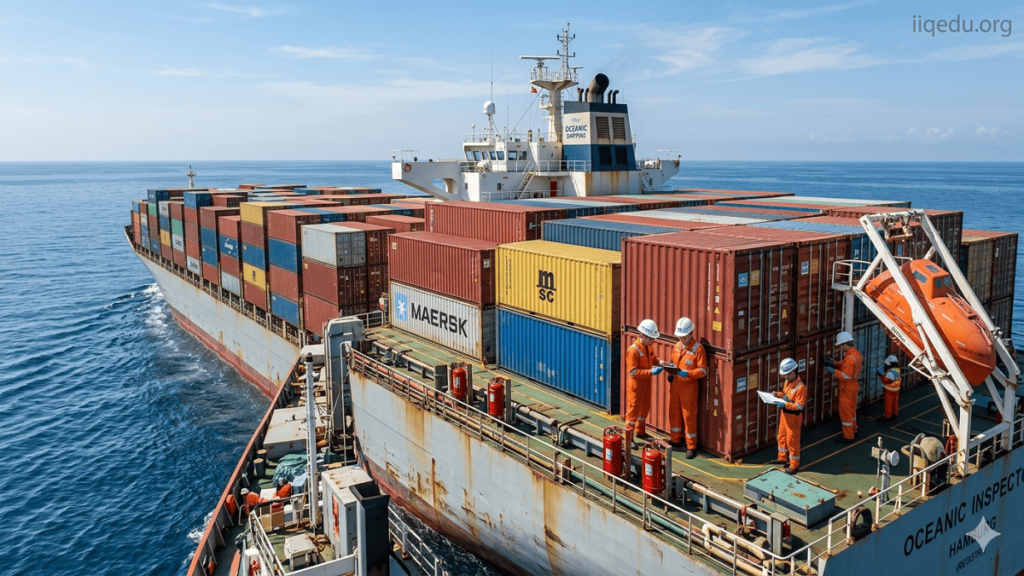
OceanLine Maritime Ltd. (a hypothetical example based on common industry practices) is a mid‑sized international shipping company operating a fleet of container vessels servicing Asia–Europe and transpacific trade lanes. In 2021, OceanLine completed a corporate risk assessment that identified recurrent operational delays, rising fuel consumption inefficiencies, and several near‑miss incidents during cargo handling.
Senior management concluded that these issues were symptomatic of inconsistent quality control practices across vessels, ports, and operational functions. A formal Quality Control Program (QCP) was commissioned to systematically eliminate gaps in safety, compliance, and operational performance.
Objectives of the Quality Control Program
The key objectives were to:
- Achieve full compliance with international conventions (SOLAS, MARPOL, ISM Code, STCW) and national regulatory requirements.
- Standardize operational procedures across all vessels and shore‑based offices.
- Improve safety performance and reduce incident frequency.
- Increase operational efficiency with measurable KPIs (fuel use, port turnaround times, equipment downtime).
- Enhance reporting and corrective action systems through digital quality management tools.
Phase 1: Gap Analysis and Baseline Assessment
OceanLine engaged a third‑party maritime quality consultancy to conduct a comprehensive baseline assessment, which included:
- Document review of existing policies, procedures, and records.
- Onboard vessel audits across navigation, engineering, cargo operations, and safety equipment.
- Port operations assessment with terminal partners.
- Crew competency evaluations and training records analyses.
Findings included:
- Inconsistent application of Standard Operating Procedures (SOPs).
- Gaps in emergency response readiness (evidenced in fire drills).
- Variations in ballast water management practices.
- Inadequate documentation of preventive maintenance activities.
- Underutilized digital tools for incident reporting and compliance tracking.
Phase 2: Design and Implementation of Quality Control System
Using the baseline assessment, OceanLine designed a structured Quality Control System aligned with international standards:
a. Quality Management System (QMS) Framework
- Aligned with the ISM Code requirements and ISO 9001 principles.
- Defines quality objectives, responsibilities, and document control.
- Introduced a Quality Manual, SOP library, and quality records repository.
b. Standard Operating Procedures (SOPs)
Comprehensive SOPs were developed for:
- Pre‑departure inspections.
- Cargo loading, lashing, and stowage procedures (aligned with the latest CTU Code).
- Environmental operations (ballast water treatment, bunkering procedures compliant with MARPOL Annex VI).
- Maintenance planning and record keeping.
- Incident reporting and investigation.
c. Training and Competency Development
- Mandatory onboard workshops on risk assessment and SOP compliance.
- Emergency drills with third‑party observers.
- Refresher courses on SOLAS, MARPOL, and STCW for officers and ratings.
- Digital literacy training for using quality reporting platforms.
d. Technology Integration
OceanLine deployed a Vessel Quality Control Platform (VQCP), which included:
- Digital checklists accessible via tablets on bridge and engine room.
- Real‑time incident reporting and notification workflows.
- Dashboards for voyage KPIs (fuel consumption, port stay duration, defect trends).
- Integration with the Planned Maintenance System (PMS) for predictive alerts.
Phase 3: Continuous Monitoring, Audits, and Corrective Actions
The following quality control activities became routine:
1. Internal Audits
- Monthly audits conducted by onboard Safety & Quality Officers.
- Quarterly cross‑fleet audits by shore‑based auditors.
- Audit results were tracked in the VQCP and escalated for corrective actions.
2. Performance Monitoring
OceanLine established KPIs, including:
- Average Port Turnaround Time.
- Number of Non‑Conformities per voyage.
- Fuel Efficiency (g/ton‑mile).
- Drill Pass/Fail Rates.
- Reported near‑miss events.
3. Incident Investigation and CAPA (Corrective & Preventive Actions)
All incidents prompted formal investigations using structured methodologies (5‑Why Analysis, Fishbone diagrams). Root causes were identified, corrective actions documented, and verification checks scheduled.
Results After One Year of Implementation
After twelve months of active quality control implementation:
Compliance and Safety Outcomes
- Zero detentions in Port State Control inspections.
- 42% reduction in near‑miss reports related to cargo operations.
- Improved emergency drill performance scores across the fleet.
Operational Performance Improvements
- Average port turnaround time reduced by 18% due to consistent cargo handling protocols.
- Fuel efficiency improved by 6% through standardized operational planning and speed optimization.
Organizational Benefits
- Increased crew engagement and ownership of safety practices.
- Shore teams gained proactive visibility of vessel performance trends.
- Better audit preparedness for both internal and external inspections.
Risk and Cost Management
- Maintenance backlog reduced by 28%, lowering unscheduled stops and repair costs.
- Insurance premiums reduced due to improved safety and audit scores.
Key Lessons and Best Practices
This case illustrates several principles about how quality control must be implemented and sustained in maritime operations:
- Quality control must be systemic, not ad hoc.
Sporadic checks do not eliminate risk; a consistent framework with checks, balances, and reviews is essential. - Documented procedures and digital systems drive consistency.
SOPs combined with real‑time quality monitoring ensure uniform application across all vessels and personnel. - Training and competency are foundational.
A quality system is only effective if personnel understand and are competent in both the procedures and the reasons behind them. - Data should inform decisions.
KPIs and trend analysis allow management to focus on systemic issues rather than isolated events. - Corrective actions must be verifiable.
Tracking CAPA through closure verification prevents repeat occurrences.
Conclusion
The OceanLine Maritime Ltd. quality control initiative demonstrates how a well‑structured maritime quality control system can transform safety, efficiency, regulatory compliance, and operational performance. It exemplifies the dynamic nature of quality control as a continuous cycle of planning, implementation, monitoring, and improvement rather than a one‑time compliance exercise.
#Maritime & Shipping Quality Control in Ahemdabad
White Paper of Maritime & Shipping Quality Control
Executive Summary
The global maritime industry underpins over 80% of international trade, making operational efficiency, safety, and compliance critical. Maritime and shipping quality control is a systematic framework designed to ensure that vessels, cargo, and operations meet established international standards, regulatory requirements, and organizational objectives. This white paper outlines the necessity, methodologies, regulatory frameworks, implementation strategies, and best practices for quality control in shipping operations.
1. Introduction
Maritime and shipping operations are inherently high-risk due to factors such as heavy cargo loads, complex logistics, adverse weather, environmental hazards, and regulatory oversight. Failures in operational quality control can result in:
- Vessel accidents and loss of life.
- Cargo damage or loss.
- Environmental pollution and legal liabilities.
- Financial losses and reputational damage.
Quality control (QC) in the maritime sector is more than compliance—it is a proactive mechanism to improve operational efficiency, safety, and sustainability.
2. Scope of Maritime & Shipping Quality Control
Maritime quality control encompasses all stages of a vessel’s lifecycle:
- Design and Construction: Verification of ship design, material standards, and structural integrity according to classification society rules.
- Pre-Voyage Operations: Vessel inspections, crew readiness, and cargo verification.
- Cargo Handling: Proper stowage, securing, and documentation in compliance with IMDG Code.
- Voyage Operations: Real-time monitoring of vessel performance, safety equipment, and environmental compliance.
- Maintenance and Overhaul: Scheduled inspections, dry-docking, and predictive maintenance for machinery and structural components.
- Post-Voyage Evaluation: Cargo condition verification, incident analysis, and lessons learned for continuous improvement.
3. Regulatory and Industry Frameworks
Maritime quality control is guided by international, national, and organizational standards:
- SOLAS (Safety of Life at Sea): Ensures vessel construction, navigation, and safety systems meet minimum safety standards.
- MARPOL (Marine Pollution): Regulates the prevention of pollution from ships, including oil, chemicals, and waste.
- ISM Code (International Safety Management): Requires shipping companies to implement formal Safety Management Systems (SMS) with defined quality objectives.
- STCW (Standards of Training, Certification, and Watchkeeping): Ensures crew competency and training meet international standards.
- Classification Society Standards: Certification for seaworthiness, hull integrity, and machinery compliance.
Compliance with these frameworks is mandatory for legal operation and forms the backbone of effective quality control.
4. Key Components of Maritime & Shipping Quality Control
4.1 Standard Operating Procedures (SOPs)
- Define best practices for navigation, cargo handling, maintenance, and safety drills.
- Provide consistency across vessels and ports.
4.2 Monitoring and Audits
- Onboard and shore-based audits identify non-conformities.
- Continuous monitoring through logbooks, checklists, and digital platforms.
4.3 Risk Assessment and Incident Management
- Proactive identification of hazards and operational risks.
- Corrective and preventive actions (CAPA) are implemented and verified.
4.4 Crew Training and Competency Management
- Ongoing training ensures personnel understand procedures, regulations, and safety protocols.
- Simulation-based drills for emergency preparedness.
4.5 Technology Integration
- Vessel Monitoring Systems (VMS) track performance metrics.
- Predictive maintenance reduces unscheduled downtime.
- Digital audit and reporting platforms enhance transparency and traceability.
5. Implementation Strategy
A successful maritime quality control system involves:
- Assessment and Gap Analysis: Identify operational deficiencies, regulatory non-compliance, and process inconsistencies.
- System Design: Establish a Quality Management System (QMS) aligned with ISM Code and organizational objectives.
- Documentation: Develop manuals, SOPs, checklists, and digital records for audit readiness.
- Training and Competency Assurance: Educate crew and shore staff, conduct drills, and assess performance.
- Monitoring and Auditing: Implement regular inspections, performance tracking, and audits.
- Continuous Improvement: Use audit findings, incident reports, and KPIs to refine processes and improve safety and efficiency.
6. Benefits of Quality Control
- Safety Enhancement: Reduces accidents, fatalities, and cargo loss.
- Regulatory Compliance: Avoids fines, detentions, and legal liabilities.
- Operational Efficiency: Optimizes fuel consumption, port turnaround time, and maintenance scheduling.
- Environmental Protection: Ensures adherence to MARPOL and other environmental regulations.
- Financial and Reputational Advantages: Reduces insurance premiums, operational losses, and strengthens market trust.
7. Case Example (Illustrative)
OceanLine Maritime Ltd. implemented a QMS that standardized SOPs, introduced a Vessel Quality Control Platform, and integrated crew training and monitoring. Within one year:
- Near-miss incidents were reduced by 42%.
- Fuel efficiency improved by 6%.
- Port turnaround time decreased by 18%.
- Regulatory compliance was consistently achieved, with zero detentions in inspections.
This example demonstrates how structured quality control can deliver measurable safety, operational, and financial benefits.
8. Challenges in Implementation
- Resistance to procedural change by crew or shore staff.
- Initial investment in technology and training.
- Ensuring consistent quality across multi-national fleets.
- Keeping pace with evolving international regulations and environmental standards.
Mitigation requires strong leadership, transparent communication, and phased implementation with measurable KPIs.
9. Recommendations and Best Practices
- Implement a comprehensive QMS aligned with ISM and ISO standards.
- Standardize procedures for all vessels and ports.
- Invest in digital tools for monitoring, reporting, and predictive maintenance.
- Conduct continuous training and competency assessments.
- Integrate incident investigations and risk assessments into a continuous improvement loop.
- Maintain documentation for regulatory audits, insurance verification, and operational benchmarking.
10. Conclusion
Maritime and shipping quality control is a critical element of operational excellence. It ensures safety, regulatory compliance, environmental protection, and operational efficiency across the vessel lifecycle. Companies that adopt structured, technology-driven, and continuously monitored quality systems are better equipped to reduce risks, improve efficiency, and maintain a competitive edge in the global shipping industry.
#Maritime & Shipping Quality Control in India
Industry Application of Maritime & Shipping Quality Control
The industry application of maritime and shipping quality control is extensive and touches every segment of the global shipping ecosystem, from vessel design and operations to cargo handling, regulatory compliance, and environmental management. Quality control in this context is not theoretical; it directly impacts operational efficiency, safety, and profitability. Below is a detailed analysis of its practical application across the maritime industry.
1. Shipbuilding and Design Industry
Quality control is applied at the earliest stage of the vessel lifecycle:
- Structural Integrity Verification: Shipyards conduct inspections to ensure hull design, welding, and structural components meet classification society standards.
- System Testing: Engines, navigation systems, safety equipment, and automation are tested for compliance before commissioning.
- Documentation and Certification: Quality control ensures all technical specifications and approvals are documented, allowing classification societies to issue certificates of seaworthiness.
Industry Impact: Reduces construction defects, prevents early operational failures, and ensures long-term vessel reliability.
2. Shipping Operations and Fleet Management
In shipping companies, quality control is applied to daily vessel operations:
- Pre-Voyage Checks: Verification of machinery, navigation equipment, and cargo readiness.
- Performance Monitoring: Tracking fuel efficiency, speed optimization, and voyage performance to minimize costs.
- Safety Management: Ensuring life-saving appliances, fire-fighting systems, and emergency protocols are operational.
Industry Impact: Enhances safety at sea, reduces operational delays, and lowers fuel and maintenance costs.
3. Port and Terminal Operations
Ports and terminals implement quality control to ensure cargo handling safety and operational efficiency:
- Cargo Inspection: Verification of container integrity, weight distribution, and documentation accuracy.
- Hazardous Material Management: Ensuring proper handling of chemicals, flammable, or perishable cargo in compliance with IMDG regulations.
- Operational Coordination: Monitoring loading/unloading schedules to minimize vessel turnaround time.
Industry Impact: Prevents cargo damage, minimizes port congestion, and ensures regulatory compliance.
4. Regulatory Compliance and Certification
Quality control ensures that shipping operations adhere to legal and international standards:
- Flag State and Port State Control: Regular inspections verify compliance with SOLAS, MARPOL, and ISM Code requirements.
- Classification Societies: Conduct surveys to ensure vessels are built and maintained according to technical standards.
- Environmental Regulations: Ballast water management, emissions control, and waste disposal are continuously monitored.
Industry Impact: Reduces legal liabilities, avoids vessel detentions, and maintains insurance coverage.
5. Cargo Shipping and Logistics
Shipping companies apply quality control to maintain cargo integrity:
- Cargo Stowage and Lashing: Ensures stability and prevents damage during transit.
- Cold Chain Management: Temperature-sensitive cargo is monitored for compliance.
- Documentation Accuracy: Bills of lading, customs declarations, and cargo manifests are verified.
Industry Impact: Protects valuable cargo, maintains customer satisfaction, and ensures smooth customs clearance.
6. Maintenance and Dry-Docking Facilities
Quality control is applied in scheduled and unscheduled maintenance activities:
- Preventive Maintenance: Machinery, engines, and hulls are inspected to prevent operational failure.
- Dry-Docking Inspections: Structural, mechanical, and electrical systems are thoroughly examined.
- Repair Verification: Ensures that repairs meet classification and manufacturer standards.
Industry Impact: Increases vessel lifespan, reduces unplanned downtime, and ensures safety compliance.
7. Environmental and Risk Management
Quality control extends to environmental protection and risk mitigation:
- Pollution Prevention: Ensuring MARPOL compliance for oil, chemical, and waste discharges.
- Ballast Water Treatment: Monitoring adherence to IMO guidelines to prevent invasive species transfer.
- Incident Reporting: Tracking near-misses, accidents, and operational hazards for corrective action.
Industry Impact: Protects marine ecosystems, reduces environmental fines, and strengthens corporate responsibility.
8. Technology and Digital Integration
The industry increasingly applies quality control through technology:
- Digital Quality Management Systems: Monitor inspections, maintenance, and compliance electronically.
- Vessel Monitoring Systems (VMS): Track operational performance, speed, and route optimization.
- Predictive Maintenance Analytics: Identify potential failures before they occur, reducing downtime.
Industry Impact: Enhances operational transparency, reduces human error, and allows proactive management decisions.
Conclusion
Maritime and shipping quality control is applied across all sectors of the industry, including shipbuilding, fleet operations, port management, regulatory compliance, cargo logistics, maintenance, environmental protection, and technological integration. Its practical application ensures safety, operational efficiency, regulatory compliance, and environmental sustainability, while also reducing financial risk and enhancing organizational reputation. Companies that adopt robust quality control frameworks gain measurable advantages in cost efficiency, safety performance, and customer trust, which are critical in the competitive global maritime industry.
#Maritime & Shipping Quality Control in Mumbai
Ask FAQs
What is Maritime & Shipping Quality Control?
Maritime and shipping quality control is a structured system of procedures, audits, and monitoring implemented to ensure that vessels, cargo, personnel, and operations comply with international standards, regulatory requirements, and organizational policies. Its purpose is to enhance safety, operational efficiency, environmental protection, and regulatory compliance across the shipping lifecycle, from vessel design and construction to cargo handling, maintenance, and post-voyage evaluation.
Why is quality control important in shipping operations?
Quality control is critical in shipping because the industry involves high operational, environmental, and financial risks. Effective quality control reduces the likelihood of accidents, cargo damage, regulatory penalties, and environmental incidents. It also improves operational efficiency, optimizes fuel and maintenance costs, and ensures the safety of crew and vessels. Additionally, it maintains compliance with international conventions like SOLAS, MARPOL, STCW, and ISM Code, which are essential for legal operation and insurance coverage.
Who is responsible for implementing quality control in maritime operations?
Responsibility for quality control is shared across multiple stakeholders:
Shipowners and Operators: Ensure fleet-wide implementation of quality procedures and compliance.
Crew and Officers: Execute daily operational and safety checks according to SOPs.
Regulatory Authorities and Classification Societies: Audit and certify vessels to verify compliance.
Port and Terminal Operators: Oversee safe cargo handling and operational standards.
Cargo Owners and Insurers: Require quality assurance to protect goods and minimize financial risk.
When and where is quality control applied in shipping?
Quality control is applied throughout the vessel’s lifecycle and operations, including:
Design and Construction: Inspections and certifications at shipyards.
Pre-Voyage Checks: Vessel readiness, cargo verification, and crew training.
During Voyage: Monitoring vessel performance, safety systems, and environmental compliance.
Port Operations: Safe cargo loading, unloading, and regulatory inspections.
Maintenance: Scheduled dry-docking, machinery inspection, and preventive maintenance.
Post-Voyage: Evaluations, incident analysis, and continuous improvement measures.
How is quality control implemented in maritime operations?
Quality control is implemented through a combination of standardized procedures, monitoring, audits, and technology integration:
Standard Operating Procedures (SOPs): Define operational best practices for navigation, cargo handling, and maintenance.
Monitoring and Audits: Routine onboard inspections, internal audits, and external regulatory surveys.
Training and Competency Programs: Ensure crew and shore staff understand procedures and safety protocols.
Incident Reporting and Risk Management: Proactively identify hazards, implement corrective actions, and prevent recurrence.
Digital Tools: Use of Vessel Monitoring Systems, predictive maintenance software, and quality management platforms to track performance and compliance in real time.
Source: Wendover Productions
Table of Contents
Disclaimer:
The information provided in this document is for general informational purposes only and does not constitute legal, regulatory, or professional advice. While every effort has been made to ensure accuracy, shipping operations and regulations may vary by jurisdiction and over time. Users are advised to consult applicable laws, classification societies, and professional experts before making operational or compliance decisions.