Real Estate Quality and Green Building
The modern real estate sector is undergoing a transformative shift, driven not only by market demand and regulatory frameworks but also by increasing awareness of environmental sustainability and occupant well-being. Real estate quality today is no longer defined solely by structural integrity, aesthetics, or location; it also encompasses energy efficiency, environmental impact, and the overall health and comfort of the building’s occupants. In this context, green building practices have emerged as a critical dimension of quality, influencing investment decisions, operational costs, and long-term property value.
1. Defining Real Estate Quality
Real estate quality traditionally encompasses a range of factors, including construction standards, architectural design, materials used, structural durability, and functional utility. High-quality properties demonstrate resilience to environmental stress, require minimal maintenance, and provide safety and comfort to occupants. In addition, the quality of Real Estate Quality and Green Building estate is increasingly evaluated in terms of life-cycle costs, including energy consumption, water usage, and adaptability to future needs. Developers, investors, and regulators now consider these aspects essential to establishing the long-term viability and market competitiveness of a property.
2. The Emergence of Green Building Standards
Green buildings, often certified under systems such as LEED (Leadership in Energy and Environmental Design), BREEAM (Building Research Establishment Environmental Assessment Method), or IGBC (Indian Green Building Council), integrate environmentally responsible practices across the building lifecycle—from planning and design to construction, operation, and maintenance. Key aspects include:
- Energy Efficiency: Incorporation of energy-efficient HVAC systems, LED lighting, solar panels, and advanced building management systems to reduce overall energy consumption.
- Water Conservation: Use of rainwater harvesting, greywater recycling, and low-flow plumbing fixtures to minimize water waste.
- Material Selection: Preference for renewable, recycled, and low-emission materials to reduce environmental footprint.
- Indoor Environmental Quality (IEQ): Focus on air quality, natural lighting, thermal comfort, and acoustics to enhance occupant health and productivity.
- Sustainable Site Planning: Integration of green spaces, reduction of urban heat islands, and promotion of sustainable transportation options.
3. Linking Green Building to Real Estate Quality
Green buildings represent an evolution in defining real estate quality because they deliver tangible and intangible benefits:
- Operational Cost Savings: Energy- and water-efficient designs significantly reduce utility expenses, enhancing the economic viability of the property over its lifespan.
- Market Differentiation and Premium Valuation: Certified green buildings often command higher rental rates, lower vacancy rates, and stronger resale value due to their environmental credentials and superior living or working conditions.
- Regulatory Compliance and Incentives: Many jurisdictions provide incentives for green construction, including tax rebates, expedited permits, and floor area bonuses, while stricter building codes increasingly mandate sustainable practices.
- Corporate Social Responsibility (CSR) and ESG Alignment: Investors and corporations now consider Environmental, Social, and Governance (ESG) factors in their portfolios, making green-certified properties more attractive for institutional investment.
- Health and Productivity Benefits: Studies indicate that occupants in green-certified buildings experience better indoor air quality, improved thermal comfort, and greater access to daylight, contributing to higher productivity and reduced absenteeism.
4. Challenges in Implementing Green Building Practices
Despite the clear advantages, integrating green building practices into Real Estate Quality and Green Building estate development faces several challenges:
- Higher Initial Capital Costs: Sustainable materials, energy-efficient systems, and certification processes can increase upfront investment, although these costs are often offset by long-term savings.
- Technical Expertise: The design and construction of green buildings require specialized knowledge in energy modeling, material selection, and sustainable design principles.
- Market Awareness: In some regions, stakeholders—including buyers, tenants, and developers—may have limited awareness or appreciation of the value of green buildings.
- Regulatory and Policy Fragmentation: Inconsistent or evolving building codes and green certification standards can create uncertainty in project planning and compliance.
5. Future Trends and Outlook
The intersection of real estate quality and green building is expected to grow stronger as global environmental concerns, energy costs, and regulatory pressures increase. Emerging trends include:
- Net-Zero Energy and Carbon-Neutral Buildings: Properties designed to produce as much energy as they consume, minimizing carbon emissions.
- Smart Building Technologies: Integration of IoT, sensors, and AI-driven energy management systems to optimize performance and occupant comfort.
- Circular Economy Practices: Focus on construction waste reduction, material reuse, and life-cycle assessment of building components.
- Health-Centric Design: Post-pandemic awareness has elevated the focus on ventilation, air quality, and wellness-oriented architecture.
Conclusion
The convergence of Real Estate Quality and Green Building estate quality and green building represents a paradigm shift in the construction and property sector. High-quality real estate is increasingly synonymous with sustainability, efficiency, and occupant well-being. Developers, investors, and policymakers must adopt a holistic approach that integrates environmental, social, and economic factors to ensure that properties are not only structurally sound and aesthetically appealing but also environmentally responsible and future-ready. As global standards for sustainability continue to evolve, green building practices will become not just a differentiator but a core expectation for high-quality real estate.
#Real Estate Quality and Green Building in Maharashtra
What is Real Estate Quality and Green Building?
1. Real Estate Quality
Real estate quality refers to the overall standard, performance, and value of a property, considering both tangible and intangible factors. Traditionally, quality in Real Estate Quality and Green Building was measured by attributes such as:
- Structural Integrity: Durability, safety, and compliance with building codes.
- Design and Architecture: Functional layouts, aesthetic appeal, and adaptability to occupant needs.
- Material Standards: Use of high-quality construction materials and finishes.
- Location and Accessibility: Proximity to amenities, infrastructure, and transport networks.
- Operational Performance: Maintenance efficiency, utility management, and long-term sustainability.
In modern contexts, Real Estate Quality and Green Building also includes environmental performance, energy efficiency, and the health and well-being of occupants, making it more holistic and aligned with sustainable development goals.
2. Green Building
Green building is a construction approach that emphasizes sustainability, environmental responsibility, and resource efficiency throughout the building’s lifecycle—from design and construction to operation and eventual decommissioning. Green buildings are designed to minimize negative environmental impact while improving occupant comfort and operational efficiency. Key characteristics of green buildings include:
- Energy Efficiency: Reduced energy consumption through efficient lighting, heating, cooling, and renewable energy integration.
- Water Conservation: Implementation of water-saving technologies, rainwater harvesting, and recycling systems.
- Sustainable Materials: Use of recycled, low-emission, and eco-friendly construction materials.
- Indoor Environmental Quality: Enhanced air quality, natural lighting, thermal comfort, and acoustics to promote health and productivity.
- Environmental Planning: Integration with the local ecosystem, including green spaces, reduced urban heat effects, and sustainable site design.
3. Relationship Between Real Estate Quality and Green Building
Green building is now considered a critical component of Real Estate Quality and Green Building . A high-quality property is no longer defined solely by its structural durability or aesthetics but also by its environmental performance, operational efficiency, and contribution to occupant health. Green-certified buildings often deliver:
- Lower energy and water costs.
- Higher market value and rental demand.
- Compliance with evolving environmental regulations.
- Enhanced well-being and productivity for occupants.
Conclusion
In essence, real estate quality is the measure of a property’s overall standard and performance, while green building represents a sustainable, environmentally responsible approach that enhances this quality. Together, they define modern standards for valuable, future-ready, and responsible real estate.
#Real Estate Quality and Green Building in Delhi
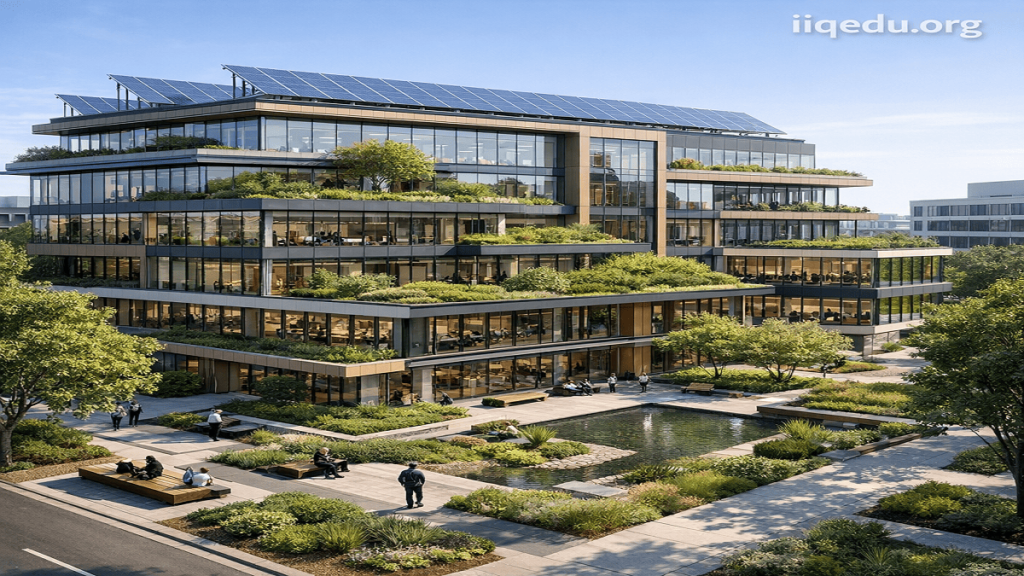
Who is Real Estate Quality and Green Building required?
Real estate quality and green building principles are not just trends—they are essential for multiple stakeholders in the property and construction ecosystem. The requirement arises from economic, regulatory, environmental, and social pressures. The key groups that need or benefit from high-quality, green buildings include:
1. Property Developers and Builders
- Purpose: Developers are responsible for creating structures that meet market expectations and regulatory standards.
- Requirement: Incorporating green building practices ensures compliance with environmental regulations, improves long-term asset value, and differentiates their projects in competitive markets.
- Benefits: Reduced operational costs, faster approvals from authorities, premium pricing, and stronger brand reputation.
2. Investors and Financial Institutions
- Purpose: Investors seek properties with long-term value and stable returns.
- Requirement: Real Estate Quality and Green Building, coupled with sustainability, reduces financial risk and aligns with Environmental, Social, and Governance (ESG) investment criteria.
- Benefits: Properties with green certifications often enjoy higher occupancy rates, lower operational costs, and stronger resale value. Financial institutions may also provide incentives like lower interest rates for sustainable projects.
3. Occupants (Residential and Commercial)
- Purpose: Buyers and tenants demand safe, comfortable, and healthy living or working environments.
- Requirement: Green building features such as energy efficiency, good indoor air quality, and thermal comfort directly affect quality of life and productivity.
- Benefits: Lower utility bills, enhanced health and well-being, and a more pleasant environment. Businesses in green-certified offices often experience higher employee satisfaction and productivity.
4. Government and Regulatory Bodies
- Purpose: Authorities aim to enforce environmental standards, reduce carbon emissions, and promote sustainable urban development.
- Requirement: Implementing green building standards ensures compliance with national and local environmental regulations and climate action goals.
- Benefits: Reduced urban pollution, lower energy demand, and progress toward climate commitments. Incentives like tax breaks, fast-track permits, and floor area bonuses often encourage developers to adopt green practices.
5. Society and the Environment
- Purpose: The broader community and ecosystems benefit from reduced environmental impact.
- Requirement: Sustainable construction reduces resource depletion, mitigates climate change, and preserves natural habitats.
- Benefits: Reduced greenhouse gas emissions, conservation of water and energy, and healthier urban environments for future generations.
Conclusion
Real estate quality and green building are required by a wide spectrum of stakeholders—from developers and investors to occupants, governments, and society at large. While developers and investors focus on economic returns and compliance, occupants prioritize health and comfort, and governments emphasize environmental sustainability. The convergence of these needs ensures that modern Real Estate Quality and Green Building is not only profitable and durable but also environmentally responsible and socially beneficial.
#Real Estate Quality and Green Building in Patna
When is Real Estate Quality and Green Building required?
The application of real estate quality standards and green building practices is not limited to a specific stage in property development; rather, it is essential at multiple points throughout the Real Estate Quality and Green Building lifecycle. Their requirement arises from economic, regulatory, environmental, and social considerations. The following outlines the key scenarios and stages when real estate quality and green building are required:
1. During Project Planning and Design
- Requirement: Early integration of quality and sustainability ensures that the building meets both functional and environmental standards.
- Why: Decisions about materials, energy systems, water management, and layout design are most effective when made at this stage. Retrofitting sustainable solutions later is costly and often less efficient.
- Impact: Proper planning allows for energy-efficient designs, optimal use of space, and compliance with green building certifications such as LEED or BREEAM.
2. During Construction
- Requirement: High-quality construction techniques and sustainable practices must be implemented on-site.
- Why: The choice of construction methods, waste management, and material usage directly affects the durability, safety, and environmental footprint of the building.
- Impact: Ensures structural integrity, minimizes construction waste, reduces carbon emissions, and improves long-term operational efficiency.
3. During Building Operation and Maintenance
- Requirement: Real estate quality and green building principles continue to be critical during daily operation.
- Why: Energy management systems, water conservation measures, and indoor environmental quality features require monitoring and maintenance to perform as intended.
- Impact: Reduces utility costs, enhances occupant health and productivity, and extends the lifespan of building systems.
4. When Regulatory or Market Standards Apply
- Requirement: Compliance with government regulations or industry certification standards often triggers the need for quality and green practices.
- Why: Many jurisdictions mandate energy efficiency, waste reduction, and sustainable construction practices. Market expectations are also increasingly favoring eco-friendly and high-quality properties.
- Impact: Avoids legal penalties, benefits from incentives, and strengthens the market competitiveness of the property.
5. When Environmental or Social Responsibility Is a Priority
- Requirement: Green building is required whenever developers, investors, or corporations prioritize sustainability, ESG (Environmental, Social, Governance) goals, or corporate social responsibility (CSR).
- Why: Modern urban development and global climate initiatives demand buildings that minimize environmental impact and promote social well-being.
- Impact: Enhances the property’s reputation, aligns with international sustainability goals, and contributes positively to the community and environment.
Conclusion
Real estate quality and green building practices are required throughout the entire lifecycle of a property—during planning, design, construction, operation, and even renovation. They become particularly critical when regulatory compliance, market competitiveness, occupant health, or sustainability goals are prioritized. Essentially, their integration should not be an afterthought but a core principle from the earliest stages of development to ensure long-term value, efficiency, and environmental responsibility.
#Real Estate Quality and Green Building in Ahemdabad
Where is Real Estate Quality and Green Building required?
Real estate quality and green building practices are relevant across multiple locations and contexts in the built environment. Their necessity is determined by factors such as environmental conditions, regulatory requirements, market demand, and societal expectations. The key areas where these practices are required include:
1. Urban Residential Developments
- Requirement: High-density residential areas, including apartment complexes and gated communities, require green building practices to manage energy consumption, water use, and waste generation.
- Why: Urban residential projects often face challenges such as limited green space, high energy demand, and strain on municipal utilities.
- Impact: Adoption of sustainable design ensures healthier living spaces, lower utility costs for residents, and reduced environmental footprint.
2. Commercial and Office Spaces
- Requirement: Corporate offices, business parks, and mixed-use commercial buildings increasingly need high-quality, energy-efficient designs.
- Why: Companies prioritize employee productivity, cost savings, and ESG compliance. Investors and tenants also demand properties with green certifications.
- Impact: Enhanced indoor environmental quality, operational efficiency, and higher market value.
3. Industrial and Manufacturing Facilities
- Requirement: Factories, warehouses, and logistics centers require green building integration for energy efficiency, emissions control, and sustainable operations.
- Why: Industrial operations are energy-intensive and often contribute significantly to environmental pollution.
- Impact: Reduced operational costs, improved regulatory compliance, and decreased carbon footprint.
4. Institutional Buildings
- Requirement: Schools, hospitals, government offices, and research facilities must incorporate quality construction and sustainable practices.
- Why: These buildings have high occupancy, critical health and safety standards, and long operational lifespans.
- Impact: Better indoor air quality, energy efficiency, and enhanced public health outcomes.
5. Environmentally Sensitive Areas
- Requirement: Locations near forests, coastlines, wetlands, or urban green belts require careful planning and sustainable construction practices.
- Why: Construction in ecologically sensitive zones can disrupt ecosystems, deplete resources, and increase vulnerability to climate impacts.
- Impact: Minimizes environmental damage, preserves natural resources, and ensures sustainable development.
6. Areas with Regulatory Incentives or Mandates
- Requirement: Regions where governments enforce strict building codes, energy efficiency standards, or green certification requirements.
- Why: Incentives like tax benefits, faster permits, and development bonuses encourage the adoption of high-quality and sustainable construction.
- Impact: Compliance with legal requirements, financial benefits for developers, and improved sustainability of the built environment.
Conclusion
Real estate quality and green building are required across virtually all types of developments—residential, commercial, industrial, and institutional—especially in urban areas, environmentally sensitive zones, and regions with strict sustainability regulations. Their implementation ensures long-term property value, operational efficiency, occupant well-being, and environmental responsibility.
#Real Estate Quality and Green Building in Hyderabad
Case Study of Real Estate Quality and Green Building
Real-world case studies demonstrate how integrating real estate quality with green building principles can deliver environmental, economic, and social benefits. Below are detailed examples showing how different projects achieved sustainability objectives, improved quality, and delivered value to stakeholders.
1. Paharpur Business Centre (India): Retrofit for Health and Sustainability
The Paharpur Business Centre in India provides a practical example of how existing buildings can be upgraded to meet green and quality standards. Unlike many green building projects that start from scratch, this case focused on retrofitting an operational structure with sustainable features to improve occupant health and environmental performance. Key strategies included enhancing indoor air quality with extensive plant systems and advanced filtration, rigorous water quality monitoring, and creating comfort feedback loops to optimize physical environment conditions for occupants. This project illustrates how green practices can be embedded into operational buildings to enhance real estate quality and occupant well‑being without complete reconstruction.
2. Scorpio Residential Building (India): Affordable Green Housing
A recent case documented by the Indian Institute of Management Bangalore (IIMB) highlights an affordable residential building named Scorpio, developed with a strong sustainability focus. The building achieved Platinum Green Building rating under the Indian Green Building Council (IGBC) standards and was designed as a net energy positive project. Notably, the developer created an innovative Smart Power Distribution Unit (SPDU) enabling equitable solar power distribution to each homeowner while ensuring grid connectivity. This case illustrates how quality real estate can be delivered affordably while meeting high environmental performance criteria.
3. Qingtangwan Green Real Estate Project (Beijing, China)
In Beijing, Qingtangwan is an exemplary green real estate project evaluated through resident satisfaction research. The study identified key quality indicators—such as indoor/outdoor comfort, sustainable community attachment, and building quality—that significantly influenced residents’ willingness to pay a premium for the project. This case underlines that green buildings are not only environmentally desirable but can command economic value when quality and sustainability features align with occupant expectations.
4. Council House 2 (CH2) – Melbourne, Australia
Council House 2 in Melbourne is internationally recognized for its integration of sustainable design and construction quality. The building incorporates advanced energy and water systems, passive solar design, and innovative façade features to reduce energy consumption and enhance occupant comfort. Although this case predates some modern examples, CH2 remains a reference point for how municipal buildings can achieve high performance in both quality and green building metrics.
5. Barangaroo South (Sydney, Australia): Urban-Scale Sustainable Development
Barangaroo South is a large-scale mixed‑use precinct designed to achieve net‑zero carbon outcomes through integrated sustainable systems at the urban scale. The development includes centralized cooling systems, water recycling, extensive green spaces, solar‑ready infrastructure, and advanced energy management. Buildings in Barangaroo have attained high environmental ratings, showcasing how real estate quality and green building can be realized across an entire precinct rather than a single structure.
6. Sao Paulo Green Label Market Study (Brazil): Market Response to Certification
Although not a single building project, a case study from Sao Paulo analyzed how voluntary environmental certification affected real estate market pricing. The research found that certified green buildings convey value signals to buyers and investors, indicating that sustainability and quality ratings are becoming financially relevant in emerging markets. This highlights the market impact of green building transparency and certification.
Key Takeaways from These Case Studies
- Sustainable retrofits and modern green construction both contribute to improved building performance, occupant comfort, and environmental outcomes.
- Green-certified developments can generate a willingness to pay premium and attract market demand due to perceived higher quality.
- Innovation drives value when sustainability features are integrated into design, operations, and technology systems.
- Urban-scale projects show that sustainability and real estate quality extend beyond individual buildings to precinct-level planning.
Conclusion
These case studies collectively demonstrate that real estate quality and green building are not abstract ideals but practical, measurable strategies that enhance property performance, occupant satisfaction, and long‑term value. Whether through retrofits, new development, or market valuation studies, sustainable real estate practice is increasingly embedded into mainstream construction and investment paradigms.
#Real Estate Quality and Green Building in Kolkata
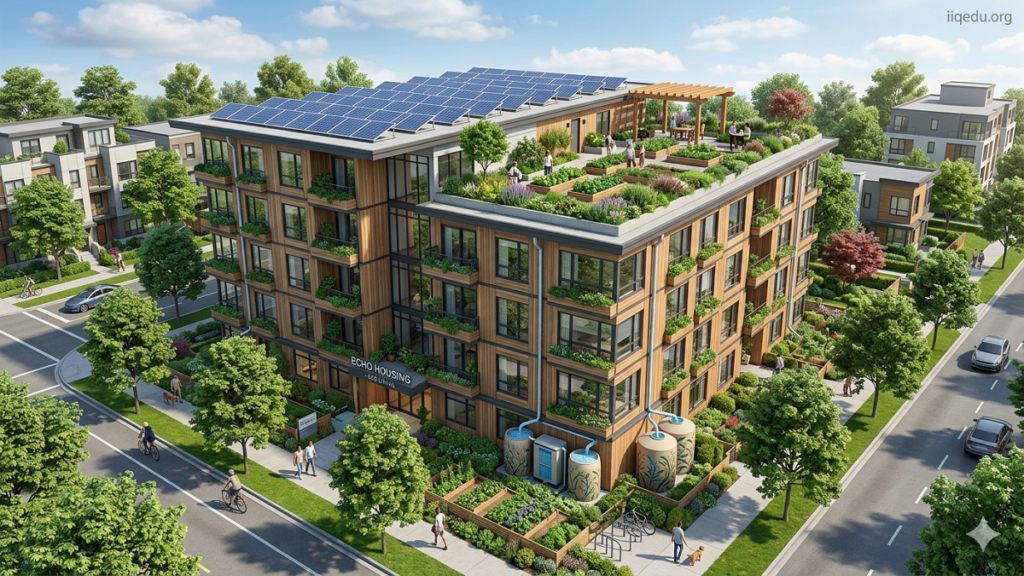
White Paper of Real Estate Quality and Green Building
Executive Summary
Real estate quality and green building are central to sustainable development, economic resilience, and human well‑being. Traditional real estate quality has evolved beyond structural soundness and aesthetics to include environmental performance, operational efficiency, occupant health, and long‑term value retention. Green building—defined by sustainable design, resource efficiency, and low environmental impact—is now a core component of high‑quality real estate.
This white paper synthesizes definitions, drivers, performance indicators, stakeholder needs, and implementation frameworks. It also evaluates measurable impacts and provides recommendations for developers, investors, policymakers, and practitioners.
1. Introduction
Real estate development has historically prioritized location, design, and construction standards. However, growing environmental challenges, climate commitments, energy price volatility, and occupant expectations have shifted the paradigm. Real estate quality is now integrally linked to sustainability, embodied in green building principles that reduce environmental footprint and enhance societal outcomes.
Green building is not an optional add‑on but a value‑driven requirement for future‑ready real estate markets.
2. Definitions and Scope
2.1 Real Estate Quality
Real estate quality refers to the holistic assessment of a property’s performance across multiple dimensions, including:
- Functional Quality: Structural safety, design adequacy, layout efficiency.
- Operational Quality: Energy and water management, maintenance practices.
- Environmental Performance: Carbon footprint, resource use, waste management.
- Occupant Experience: Indoor environmental quality (air, lighting, acoustics), health outcomes, comfort and productivity.
Quality is measured through both objective metrics (energy use intensity, water efficiency ratios) and subjective indicators (occupant satisfaction).
2.2 Green Building
Green building encompasses strategies that minimize environmental impact and enhance sustainability across the building lifecycle. Key principles include:
- Energy Efficiency: Reduced consumption, renewable energy integration.
- Water Stewardship: Conservation, reuse, and efficient fixtures.
- Sustainable Materials: Low‑carbon, recycled, locally sourced materials.
- Health and Comfort: Enhanced indoor air quality, thermal comfort, daylight.
- Ecological Integration: Site sensitivity, green landscapes, stormwater management.
Green buildings are often certified through recognized rating systems such as LEED, BREEAM, IGBC, WELL, or EDGE.
3. Drivers of Real Estate Quality and Green Building
3.1 Regulatory Environment
Governments worldwide are establishing energy codes, emissions targets, and sustainable development regulations. Compliance with these regulations is increasingly tied to project approvals and incentives.
3.2 Market Demand
Investors and tenants are prioritizing assets with lower operating costs, healthier environments, and stronger sustainability credentials. ESG (Environmental, Social, Governance) investment criteria are elevating the demand for high‑quality, certified green properties.
3.3 Operational Cost Pressures
Energy and water costs are significant line items for property owners. Green buildings reduce these expenses through efficient systems, resulting in better net operating income (NOI) and investment valuations.
3.4 Corporate and Social Responsibility
Organizations are aligning real estate strategies with CSR commitments and climate pledges. Sustainable properties support corporate brand value, employee wellbeing, and stakeholder trust.
4. Performance Indicators
Real estate quality and green building performance are assessed through quantitative and qualitative indicators:
4.1 Environmental Performance Metrics
- Energy Use Intensity (EUI)
- Water Use per Occupant or Area
- Waste Diversion Rates
- Greenhouse Gas Emissions (Scope 1, 2, 3)
4.2 Health and Occupant Experience Metrics
- Indoor Air Quality (IAQ)
- Thermal Comfort Standards
- Daylight Access Ratios
- Acoustic Performance
4.3 Economic Performance Metrics
- Operating Expense Reduction
- Rent Premiums and Occupancy Rates
- Asset Valuation Differential
- Return on Investment for Green Features
5. Implementation Framework
Integrating quality and green building requires a lifecycle approach:
5.1 Planning and Design
- Conduct energy modeling and life‑cycle cost analysis.
- Select materials with low embodied carbon.
- Optimize site orientation and passive design strategies.
5.2 Construction and Procurement
- Implement waste management plans.
- Monitor energy and water systems installation.
- Ensure quality assurance through third‑party validation.
5.3 Operation and Maintenance
- Deploy building management systems (BMS).
- Monitor performance data continuously.
- Engage occupants in energy and water conservation behavior.
6. Case Examples and Outcomes
While specific project details vary by region and context, common outcomes of quality and green building integration include:
- Energy Savings: Reduction in energy consumption by 20–50% compared to conventional buildings.
- Cost Savings: Lower utility costs and reduced lifecycle expenses.
- Occupant Health: Improved IAQ and comfort leading to higher retention and productivity.
- Market Value: Increased asset valuation and market differentiation.
- Environmental Impact: Reduced carbon emissions and resource depletion.
7. Challenges and Barriers
Despite benefits, several challenges persist:
- Higher upfront investment for green technologies.
- Technical expertise gaps in sustainable design and construction.
- Inconsistent regulatory frameworks in emerging markets.
- Perception barriers among stakeholders unfamiliar with long‑term value.
8. Policy and Market Recommendations
To mainstream real estate quality and green building:
Policy Interventions
- Align building codes with climate targets.
- Provide tax incentives, subsidies, and expedited permitting for certified projects.
- Mandate performance disclosure for large buildings.
Market Actions
- Integrate ESG criteria in investment underwriting.
- Expand professional education on sustainable practices.
- Use performance data to drive continuous improvement.
9. Conclusion
Real estate quality and green building are no longer siloed concepts. They represent a unified approach to creating assets that are resilient, efficient, healthy, and future‑proof. Stakeholders who adopt these principles benefit from cost efficiencies, regulatory compliance, enhanced brand reputation, and stronger market positioning.
High‑quality, green real estate is not simply a compliance obligation—it is a strategic imperative.
References and Further Reading
- International Green Building Standards (e.g., LEED, BREEAM, IGBC)
- World Green Building Council Reports
- ESG Investment Frameworks in Real Estate
- Life‑Cycle Assessment Methodologies
#Real Estate Quality and Green Building in India
Industry Application of Real Estate Quality and Green Building
Real estate quality and green building principles are increasingly being adopted across multiple sectors of the construction and property industry. Their application goes beyond environmental responsibility—it directly impacts operational efficiency, market value, occupant satisfaction, and regulatory compliance. Here’s a comprehensive overview of how different industries implement these principles:
1. Residential Real Estate
Application:
- High-rise apartments, gated communities, and individual housing projects are integrating energy-efficient HVAC systems, LED lighting, water-saving fixtures, and sustainable construction materials.
- Smart building technologies like automated lighting, climate control, and waste management systems are also being applied.
Impact:
- Reduced utility bills and maintenance costs for residents.
- Healthier indoor environments, improved comfort, and higher occupant satisfaction.
- Ability to achieve green certifications (LEED, IGBC) that increase property value and attract premium buyers.
Example: Affordable housing projects in India achieving IGBC Platinum certification by incorporating solar energy, rainwater harvesting, and energy-efficient designs.
2. Commercial and Office Spaces
Application:
- Corporate office buildings and co-working spaces use sustainable lighting, energy management systems, indoor air quality monitoring, and ergonomic designs.
- Building Information Modeling (BIM) and smart sensors are applied to optimize energy usage and space utilization.
Impact:
- Reduced operational costs and improved net operating income (NOI).
- Enhanced employee productivity, comfort, and retention.
- Compliance with ESG criteria, attracting institutional investors.
Example: Council House 2 in Melbourne, Australia, uses passive solar design, advanced water systems, and green façades to reduce energy consumption while improving employee well-being.
3. Industrial Real Estate
Application:
- Warehouses, logistics hubs, and manufacturing facilities integrate energy-efficient machinery, solar panels, rainwater harvesting, and waste management systems.
- Sustainable site planning reduces energy-intensive operations and optimizes transportation routes.
Impact:
- Significant reduction in energy costs and carbon emissions.
- Compliance with industrial environmental regulations.
- Enhanced brand reputation for corporate responsibility.
Example: Large-scale logistics parks in Europe and North America are achieving BREEAM certification with zero-carbon operational strategies and sustainable supply chain practices.
4. Institutional Buildings (Hospitals, Schools, Government Offices)
Application:
- Hospitals use energy-efficient HVAC systems, water recycling, and materials with low volatile organic compounds (VOCs) to ensure patient safety.
- Schools and universities integrate daylighting, natural ventilation, and green spaces to enhance learning environments.
- Government buildings adopt renewable energy, smart meters, and sustainable materials to meet policy mandates.
Impact:
- Improved health and well-being of occupants.
- Reduced operational costs over the building lifecycle.
- Demonstration of public leadership in sustainability.
Example: Qingtangwan Residential and Institutional developments in Beijing integrate sustainable construction with occupant comfort, resulting in higher resident satisfaction.
5. Urban-Scale and Mixed-Use Developments
Application:
- Large-scale mixed-use projects combine residential, commercial, and recreational facilities with district cooling systems, green infrastructure, and public transportation integration.
- Smart city technologies monitor energy, water, waste, and air quality.
Impact:
- Holistic sustainability across an urban precinct.
- Reduced environmental footprint and enhanced livability.
- Attraction of investors and residents looking for high-quality, sustainable communities.
Example: Barangaroo South in Sydney, Australia, demonstrates net-zero carbon precinct-level planning with integrated renewable energy, water recycling, and green building certifications across all structures.
6. Hospitality and Retail Real Estate
Application:
- Hotels, resorts, and shopping centers adopt energy-efficient lighting, water-saving fixtures, waste management programs, and green roofs.
- Sustainable sourcing for materials and food, as well as eco-friendly amenities, enhance the guest experience.
Impact:
- Reduced operational costs and resource consumption.
- Enhanced brand reputation and customer loyalty.
- Compliance with green certification standards can increase occupancy and retail footfall.
Example: Several international hotel chains have integrated LEED-certified designs, energy-efficient HVAC systems, and smart energy management systems in their properties to reduce carbon footprint while enhancing guest comfort.
Conclusion
The application of real estate quality and green building practices spans all major sectors of the property industry. Key outcomes across industries include:
- Lower energy and water costs.
- Enhanced occupant health, comfort, and productivity.
- Compliance with environmental regulations and ESG standards.
- Increased market competitiveness and asset valuation.
In practice, industry-specific adaptations ensure that the principles of quality and sustainability are applied in ways that maximize operational efficiency, environmental responsibility, and stakeholder value.
#Real Estate Quality and Green Building in Mumbai
Ask FAQs
What is the difference between real estate quality and green building?
Real estate quality refers to the overall standard and performance of a property, including structural integrity, design, functionality, and occupant comfort. Green building is a subset of quality that emphasizes environmental sustainability, resource efficiency, and health-focused design. While quality ensures durability and usability, green building ensures the property minimizes environmental impact and enhances well-being.
Who benefits from green building in real estate?
Multiple stakeholders benefit from green buildings:
Occupants enjoy better indoor air quality, comfort, and lower utility bills.
Developers and investors gain higher market value, premium rental rates, and compliance with ESG criteria.
Governments and communities benefit from reduced carbon emissions, energy conservation, and sustainable urban development.
When should green building practices be implemented in a project?
Green building practices are most effective when integrated throughout the property lifecycle:
Planning and design stage for energy-efficient layouts and material selection.
Construction stage to ensure sustainable techniques and quality standards.
Operation and maintenance stage for optimized energy, water, and waste management. Early integration reduces costs and maximizes long-term performance.
Are green buildings more expensive than conventional buildings?
Green buildings may have higher initial costs due to energy-efficient systems, sustainable materials, and certification fees. However, these costs are offset by long-term benefits such as reduced energy and water consumption, lower maintenance costs, higher occupancy rates, and increased resale value, making them financially viable over the building’s lifecycle.
How is the quality of a green building measured?
Quality and sustainability are measured using both objective and subjective indicators:
Environmental metrics: Energy use, water consumption, waste management, carbon emissions.
Occupant experience metrics: Indoor air quality, thermal comfort, daylight access, and acoustics.
Economic metrics: Operational cost savings, return on investment, and market valuation. Certification systems such as LEED, BREEAM, IGBC, and WELL provide standardized assessment frameworks.
Source: Engineering Motive
Table of Contents
Disclaimer:
The information provided herein is for general informational and educational purposes only and does not constitute professional, legal, or financial advice. While efforts have been made to ensure accuracy, the authors and publishers make no warranties regarding completeness, reliability, or suitability. Users should consult qualified professionals before making any investment, development, or construction decisions.