Trade Compliance & WTO Guidelines
What is Trade Compliance & WTO Guidelines?
Trade compliance refers to the adherence to national and international trade laws, regulations, and standards governing the import, export, and movement of goods and services. It ensures businesses follow:
- Customs regulations
- Export controls and sanctions
- Tariffs, duties, and taxes
- Environmental and safety regulations
WTO Guidelines are a set of international rules and agreements established by the World Trade Organization to promote fair trade, reduce trade barriers, and resolve disputes between member countries. These guidelines include:
- General Agreement on Tariffs and Trade (GATT)
- Agreement on Trade-Related Aspects of Intellectual Property Rights (TRIPS)
- Trade facilitation and dispute settlement procedures
2. Importance of Trade Compliance & WTO Guidelines
- Legal Protection: Avoid fines, penalties, and trade restrictions.
- Market Access: Ensure eligibility for international markets.
- Reputation: Maintain credibility and trust with global partners.
- Risk Mitigation: Reduce financial, legal, and operational risks.
- Fair Competition: Promote transparent and ethical trade practices.
3. Who Needs to Follow Trade Compliance & WTO Guidelines?
- Exporters and importers of goods and services
- Freight forwarders and logistics companies
- Manufacturers and suppliers involved in international trade
- Government trade authorities and customs agencies
- Legal and compliance professionals in multinational corporations
4. When is Trade Compliance Required?
- During import/export of goods across international borders
- When applying for trade licenses or permits
- When entering new international markets or supply chains
- During customs inspections or audits
- When implementing changes in international trade regulations or WTO agreements
5. Where is Trade Compliance Required?
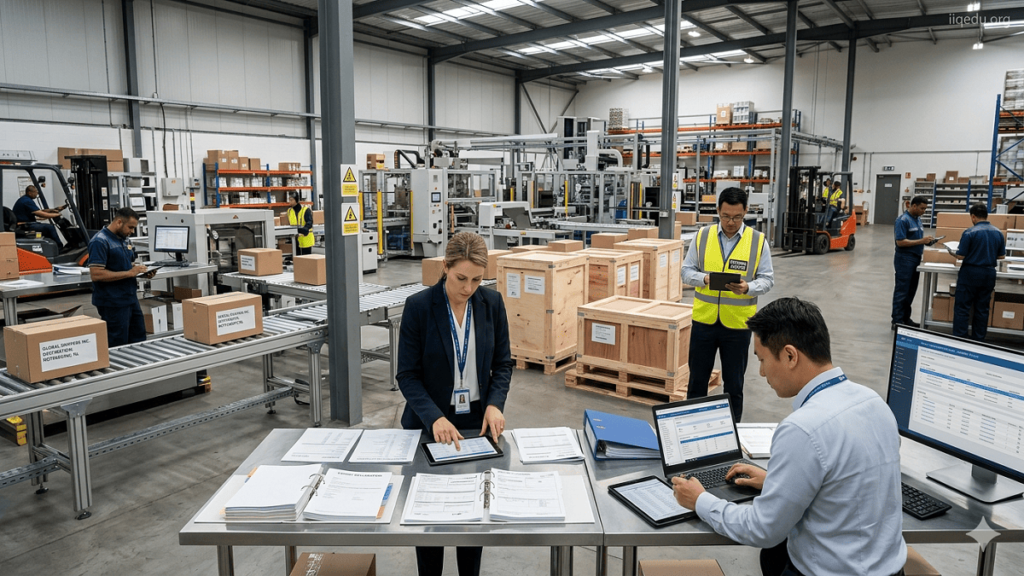
- Ports, airports, and border checkpoints
- Warehouses and distribution centers
- Corporate offices handling import/export documentation
- International trade and logistics hubs
- Government agencies overseeing trade regulations
6. How Trade Compliance is Implemented
- Documentation: Accurate invoices, shipping documents, and certificates of origin
- Regulatory Alignment: Following local laws and WTO agreements
- Audits & Monitoring: Regular compliance audits and risk assessments
- Training: Educating staff on trade rules and international guidelines
- Technology Integration: Using trade software and digital customs platforms
7. Industry Applications
- Manufacturing: Compliance with import/export of raw materials and components
- Retail & E-commerce: Ensuring cross-border shipments meet legal requirements
- Pharmaceuticals: Adherence to TRIPS, safety, and import/export controls
- Automotive: Compliance in global supply chains and export of vehicles/parts
- Technology & Electronics: Export controls and intellectual property compliance
8. Case Study Example
A multinational electronics company faced delays due to non-compliance with WTO tariff rules during exports to the EU. By implementing a trade program, aligning with WTO guidelines, and training staff, the company:
- Reduced shipment delays by 40%
- Avoided fines and penalties
- Streamlined global supply chain operations
9. Benefits
- Reduced legal and financial risks
- Improved operational efficiency and supply chain reliability
- Global market access and competitiveness
- Strengthened reputation with partners and regulatory authorities
10. Conclusion
Trade compliance and WTO guidelines are essential for organizations engaging in international trade. Adhering to these frameworks ensures legal compliance, smooth operations, risk mitigation, and global market access. Companies that proactively implement trade systems gain competitive advantages, operational efficiency, and long-term credibility in the global marketplace.
#Trade Compliance & WTO Guidelines in Uttar Pradesh
Who is Trade Compliance & WTO Guidelines required?
1. Exporters and Importers
- Companies shipping goods or services internationally
- Businesses dealing with raw materials, finished products, or digital services
Reason: They must follow customs regulations, tariffs, duties, and WTO trade rules to avoid fines and delays.
2. Logistics and Freight Forwarders
- Shipping companies, freight forwarders, and customs brokers
- Cargo handling and transportation services
Reason: They are responsible for accurate documentation, timely customs clearance, and adherence to trade regulations.
3. Manufacturers and Suppliers
- Organizations producing goods for international markets
- Supply chain participants providing components or raw materials
Reason: They need to ensure that products meet international standards, export controls, and WTO-related guidelines.
4. Government Trade Authorities and Regulatory Agencies
- Customs authorities, trade ministries, and export control offices
- Agencies overseeing tariffs, trade agreements, and compliance
Reason: They enforce trade laws, monitor compliance, and resolve disputes under WTO agreements.
5. Legal and Compliance Professionals
- In-house compliance teams, international trade lawyers, and consultants
Reason: They provide guidance on regulations, risk mitigation, and alignment with WTO rules for their organizations.
Conclusion
Trade Compliance & WTO Guidelines are required by exporters, importers, logistics providers, manufacturers, regulatory authorities, and compliance professionals. Following these frameworks ensures legal adherence, smooth operations, risk reduction, and global credibility in international trade.
#Trade Compliance & WTO Guidelines in Kolkata
When is Trade Compliance & WTO Guidelines required?
1. During Import and Export Activities
- Whenever goods, services, or intellectual property cross national borders.
- Ensures adherence to customs regulations, tariffs, duties, and trade restrictions.
2. When Entering New International Markets
- When expanding operations into foreign countries or regions.
- Compliance ensures eligibility under WTO rules and local trade regulations.
3. During Regulatory or Policy Changes
- When governments update trade laws, sanctions, or WTO-related agreements.
- Organizations must adapt quickly to avoid penalties, shipment delays, or trade disputes.
4. During Licensing and Certification
- When obtaining import/export licenses, permits, or certifications for regulated goods.
- Ensures that all legal and regulatory requirements are fulfilled prior to operation.
5. During Customs Inspections or Audits
- Trade compliance is mandatory when customs authorities inspect shipments.
- Accurate documentation and adherence to WTO guidelines prevent fines, penalties, or shipment rejections.
6. As Part of Risk Management
- When assessing and mitigating operational, financial, and legal risks in international trade.
- Helps organizations proactively prevent violations, disruptions, and reputational damage.
Conclusion
Trade Compliance & WTO Guidelines are required anytime an organization engages in import/export, enters new markets, follows regulatory updates, applies for licenses, undergoes audits, or manages trade-related risks. Timely compliance ensures legal adherence, operational efficiency, and global credibility.
#Trade Compliance & WTO Guidelines in Pune
Where is Trade Compliance & WTO Guidelines required?
1. Ports, Airports, and Border Checkpoints
- Locations where goods enter or exit a country.
- Compliance ensures proper customs clearance, tariff application, and documentation verification.
2. Warehouses and Distribution Centers
- Storage and transit points for imported or exported goods.
- Ensures proper handling, record-keeping, and adherence to trade regulations.
3. Corporate Offices Handling International Trade
- Offices managing procurement, logistics, export documentation, and international contracts.
- Trade compliance teams ensure shipments, invoices, and licenses meet WTO and national requirements.
4. International Trade Hubs and Free Trade Zones
- Locations facilitating large-scale import/export operations.
- Compliance ensures adherence to trade facilitation agreements and preferential trade terms.
5. Government Trade and Customs Agencies
- Regulatory authorities overseeing trade, tariffs, and compliance enforcement.
- WTO guidelines are applied here to monitor fair trade, resolve disputes, and implement international agreements.
6. Supply Chain and Vendor Locations
- Manufacturing sites, supplier facilities, and subcontractors involved in international trade.
- Ensures that goods meet import/export regulations, certifications, and WTO rules before shipment.
Conclusion
Trade Compliance & WTO Guidelines are required at ports, airports, warehouses, corporate offices, trade hubs, government agencies, and across supply chains. Organizations must ensure compliance at all locations involved in cross-border trade to maintain legal adherence, operational efficiency, and global market credibility.
#Trade Compliance & WTO Guidelines in Lakhnav
How is Trade Compliance & WTO Guidelines required?
1. Regulatory Alignment
- Organizations must review national trade laws and relevant WTO agreements.
- Policies are updated to reflect tariffs, duties, sanctions, and trade facilitation rules.
- Ensures that every import/export operation complies with applicable legal requirements.
2. Documentation and Record-Keeping
- Maintain accurate invoices, shipping documents, certificates of origin, and permits.
- Ensure all records are up to date and verifiable during customs inspections or audits.
- Digital tools can streamline record management and reduce errors.
3. Internal Audits and Risk Assessment
- Conduct regular internal audits to identify gaps in trade compliance.
- Perform risk assessments for high-risk countries, products, or supply chain partners.
- Implement corrective actions to prevent violations or delays.
4. Staff Training and Awareness
- Educate employees involved in procurement, logistics, sales, and compliance on trade regulations.
- Provide updates on changes to WTO guidelines and local trade laws.
- Ensure staff understand procedures for export controls, sanctions, and customs processes.
5. Use of Digital Compliance Tools
- Employ trade compliance software for automated verification of regulations and tariffs.
- Monitor shipments in real-time and flag potential non-compliance issues.
- Facilitate reporting and documentation management for audits.
6. Coordination with Regulatory Authorities
- Communicate with customs agencies, trade authorities, and certification bodies.
- Ensure proper permits, licenses, and approvals are obtained before shipping.
- Leverage guidance from WTO-related frameworks to resolve trade disputes or clarify rules.
7. Continuous Monitoring and Improvement
- Compliance is not one-time; organizations should continuously track updates to WTO guidelines.
- Regularly review supply chains, vendor practices, and internal procedures.
- Update internal policies and systems to reflect changes in international trade regulations.
Conclusion
Trade Compliance & WTO Guidelines are required through regulatory alignment, documentation, audits, training, digital monitoring, coordination with authorities, and continuous improvement. Proper implementation ensures legal adherence, risk mitigation, smooth cross-border operations, and international credibility.
#Trade Compliance & WTO Guidelines in Delhi
Case Study of Trade Compliance & WTO Guidelines
1. Background
A multinational electronics manufacturer exported components and finished products to multiple countries across Europe, Asia, and North America. The company faced challenges in customs delays, tariffs, and regulatory compliance due to inconsistent adherence to national trade laws and lack of alignment with WTO guidelines.
2. Problem Statement
- Shipments were frequently held at customs due to incomplete documentation.
- Incorrect tariff classifications led to financial penalties and increased costs.
- Limited awareness among staff of WTO agreements and trade facilitation rules.
- Risk of losing credibility with global partners and clients.
Without proper trade compliance systems, the company faced operational inefficiencies, legal risks, and reduced competitiveness.
3. Implementation of Trade Compliance Program
Key Steps Taken:
- Gap Analysis
- Reviewed existing processes against national regulations and WTO agreements.
- Identified discrepancies in documentation, tariffs, and export controls.
- Process Standardization
- Standardized shipping procedures, customs declarations, and product classifications.
- Implemented consistent trade compliance protocols across all international offices.
- Staff Training and Awareness
- Conducted workshops for employees in logistics, procurement, and sales.
- Focused on WTO rules, tariff classification, sanctions, and trade facilitation practices.
- Digital Trade Compliance System
- Adopted software for real-time verification of trade regulations, tariffs, and permits.
- Automated document generation and customs filing for accuracy and speed.
- Internal Audits and Monitoring
- Regular audits to ensure compliance with WTO guidelines and national laws.
- Risk assessment for high-risk shipments and countries.
- Collaboration with Regulatory Authorities
- Established communication channels with customs agencies and trade regulators.
- Ensured timely approvals and resolution of disputes.
4. Results
- Customs Clearance Time Reduced: Average shipment delays decreased by 50%.
- Cost Savings: Avoided fines, penalties, and incorrect tariffs, saving the company significant expenses.
- Global Compliance: Full alignment with WTO trade facilitation rules and national trade regulations.
- Enhanced Reputation: Strengthened trust with international partners and clients.
- Operational Efficiency: Standardized processes and digital tools improved workflow across supply chains.
5. Lessons Learned
- Proactive Compliance is Key: Implementing systems before regulatory issues arise prevents costly delays.
- Training is Crucial: Staff awareness reduces errors and ensures adherence to trade regulations.
- Digital Tools Improve Accuracy: Automated trade compliance systems reduce human error and speed up documentation.
- Regular Audits Maintain Standards: Continuous monitoring ensures ongoing compliance.
- Collaboration with Authorities Simplifies Operations: Open communication with customs and trade regulators helps resolve issues quickly.
6. Conclusion
This case study illustrates how implementing a structured trade compliance program aligned with WTO guidelines can significantly improve operational efficiency, reduce financial risk, and maintain global credibility. Organizations that proactively adopt trade compliance measures benefit from streamlined supply chains, cost savings, and enhanced international market access.
#Trade Compliance & WTO Guidelines in Maharashtra
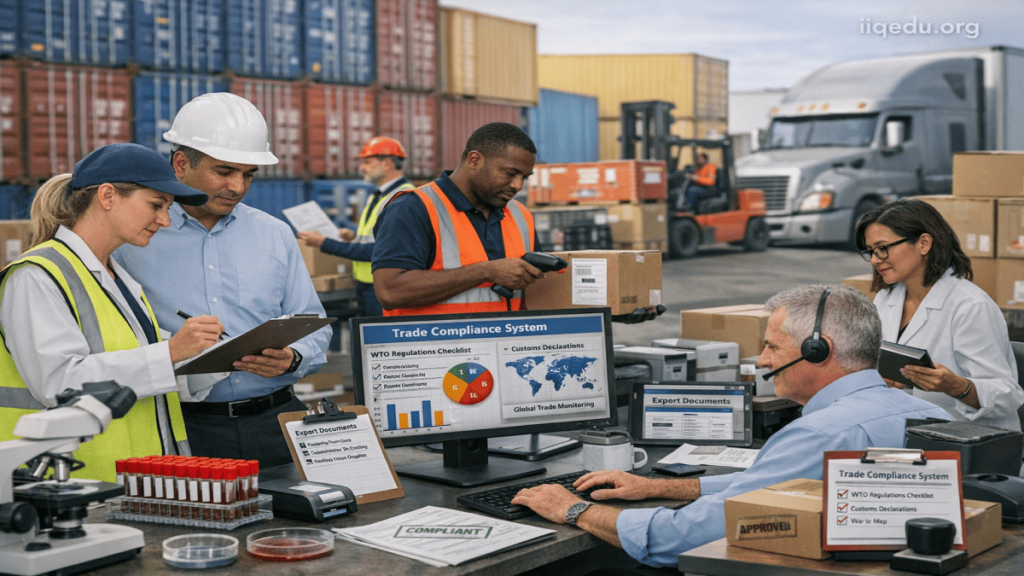
White Paper of Trade Compliance & WTO Guidelines
1. Executive Summary
Trade compliance and adherence to World Trade Organization (WTO) guidelines are critical for organizations engaged in international trade. They ensure legal, ethical, and efficient cross-border operations, reduce operational risks, and maintain global credibility.
This white paper explores the importance, drivers, implementation strategies, industry applications, challenges, and benefits of trade compliance aligned with WTO rules. It is designed to guide businesses and professionals in implementing robust trade compliance programs.
2. Introduction
Trade compliance involves adhering to national and international laws, regulations, and standards governing import, export, and cross-border movement of goods and services.
The WTO, as a global trade organization, establishes guidelines to promote free and fair trade, reduce barriers, and resolve disputes among member countries. WTO agreements, including GATT, TRIPS, and trade facilitation protocols, provide a legal and operational framework for international trade.
Implementing trade compliance aligned with WTO guidelines helps organizations avoid penalties, reduce delays, and improve operational efficiency while maintaining global competitiveness and credibility.
3. Objectives
- Ensure legal adherence to national and international trade regulations
- Align organizational processes with WTO rules and agreements
- Mitigate financial, operational, and reputational risks
- Facilitate smooth cross-border trade
- Promote ethical and transparent trade practices
4. Drivers of Trade Compliance
4.1 Regulatory Requirements
- National laws governing tariffs, duties, sanctions, and import/export permits.
4.2 WTO Agreements
- Trade facilitation, intellectual property (TRIPS), and dispute settlement rules ensure fair international trade.
4.3 Global Market Access
- Compliance enables participation in international markets and preferential trade agreements.
4.4 Risk Mitigation
- Protects organizations from fines, penalties, shipment delays, and legal disputes.
4.5 Reputation and Credibility
- Demonstrates ethical practices, reliability, and commitment to global standards.
5. Key Components of Trade Compliance
| Component | Description | Example |
|---|---|---|
| Customs Compliance | Adherence to tariffs, duties, and import/export regulations | Correct classification of goods and duties |
| Documentation | Accurate shipping, licensing, and permits | Certificates of origin, invoices, and export licenses |
| Risk Assessment | Identify high-risk countries, products, or suppliers | Risk scoring for sanctions or prohibited items |
| Staff Training | Educate employees on compliance policies and WTO guidelines | Workshops for logistics, sales, and procurement teams |
| Digital Systems | Automated compliance monitoring and reporting | Trade compliance software for real-time verification |
6. Implementation Strategies
- Gap Analysis
- Compare current processes against national laws and WTO agreements to identify compliance gaps.
- Process Standardization
- Establish uniform procedures for shipments, documentation, and trade approvals.
- Staff Training & Awareness
- Educate employees on international trade rules, sanctions, and customs procedures.
- Digital Integration
- Use trade compliance software for automated verification, documentation, and real-time tracking.
- Internal Audits & Monitoring
- Conduct periodic reviews to ensure ongoing adherence to compliance standards.
- Collaboration with Authorities
- Engage customs and regulatory agencies for approvals, dispute resolution, and guidance.
7. Industry Applications
- Manufacturing: Compliance for raw material imports and product exports.
- Retail & E-commerce: Cross-border shipments of consumer goods.
- Pharmaceuticals: Adherence to safety, export controls, and TRIPS regulations.
- Automotive: International supply chain management and export of vehicles/parts.
- Technology & Electronics: Compliance with intellectual property, export restrictions, and global certifications.
8. Challenges
- Complex and changing regulations across countries
- Limited staff knowledge of WTO rules and trade compliance
- High cost of implementing digital compliance systems
- Coordinating compliance across global supply chains
- Risk of penalties, shipment delays, or trade disputes
9. Benefits
- Legal compliance and avoidance of fines or sanctions
- Efficient and streamlined international operations
- Reduced risk in global supply chains
- Enhanced reputation and trust with partners and clients
- Access to international markets and preferential trade agreements
10. Case Study Highlight
A global electronics manufacturer reduced customs delays by 50% and avoided significant fines by implementing a trade compliance program aligned with WTO guidelines. Key measures included process standardization, staff training, digital compliance tools, and collaboration with authorities. This demonstrates the tangible benefits of adopting structured trade compliance strategies.
11. Recommendations
- Conduct regular gap analyses against national and WTO requirements
- Train staff continuously on trade compliance and regulatory updates
- Integrate digital compliance systems to automate verification and reporting
- Maintain continuous monitoring and audits to ensure adherence
- Engage proactively with regulatory authorities to facilitate smooth operations
12. Conclusion
Trade Compliance & WTO Guidelines are essential for organizations engaging in international trade. By implementing structured compliance programs, standardizing processes, educating staff, and leveraging digital tools, businesses can achieve legal adherence, operational efficiency, risk mitigation, and global credibility. Organizations that proactively align with trade compliance standards gain competitive advantages, smoother supply chains, and access to international markets.
#Trade Compliance & WTO Guidelines in Goa
Industry Application of Trade Compliance & WTO Guidelines
1. Manufacturing and Industrial Sector
- Application:
- Ensuring import/export of raw materials, components, and finished products comply with national trade laws and WTO guidelines.
- Proper classification of goods for customs duties and tariffs.
- Integration of compliance into digital supply chain systems.
- Impact:
- Reduced shipment delays and penalties.
- Streamlined operations across international facilities.
- Maintains competitiveness in global markets.
2. Retail & E-commerce
- Application:
- Compliance with cross-border shipping regulations, customs documentation, and tariff requirements.
- Monitoring prohibited items, export restrictions, and trade facilitation rules.
- Impact:
- Faster customs clearance for consumer goods.
- Enhanced customer trust and reliability in global deliveries.
- Avoidance of fines and trade disputes.
3. Pharmaceuticals & Healthcare
- Application:
- Adherence to WTO TRIPS agreements for intellectual property.
- Compliance with import/export controls for drugs, medical devices, and clinical supplies.
- Accurate documentation for customs and regulatory approvals.
- Impact:
- Ensures patient safety and legal compliance.
- Facilitates international market access for medicines and medical products.
- Reduces risk of shipment delays or regulatory violations.
4. Automotive Industry
- Application:
- Compliance in exporting vehicles, spare parts, and components.
- Coordination with multiple suppliers across borders to ensure WTO-aligned documentation and trade licenses.
- Impact:
- Avoids tariff misclassifications and fines.
- Improves supply chain efficiency and delivery timelines.
- Strengthens international partnerships and credibility.
5. Technology & Electronics
- Application:
- Export controls for sensitive technologies and electronics products.
- Intellectual property compliance aligned with TRIPS and WTO rules.
- Accurate customs documentation and compliance monitoring.
- Impact:
- Maintains legal adherence and prevents regulatory sanctions.
- Secures intellectual property rights globally.
- Enhances operational efficiency and trust with international partners.
6. Logistics and Freight Forwarding
- Application:
- Ensuring shipments comply with all customs and trade regulations.
- Coordinating licenses, permits, and documentation for smooth clearance.
- Impact:
- Reduces delays and costs associated with non-compliance.
- Strengthens client confidence and supply chain reliability.
Conclusion
Trade Compliance & WTO Guidelines are applied across manufacturing, retail, healthcare, automotive, technology, and logistics industries. Proper implementation ensures organizations maintain legal compliance, operational efficiency, risk mitigation, and global market access, giving them a competitive advantage in international trade.
#Trade Compliance & WTO Guidelines in Mumbai
Ask FAQs
What are Trade Compliance & WTO Guidelines?
Trade Compliance refers to the adherence to national and international laws, regulations, and standards governing imports, exports, and cross-border trade. WTO Guidelines are international rules established by the World Trade Organization to promote fair trade, reduce barriers, and resolve disputes among member countries. Together, they ensure legal, ethical, and efficient global trade.
Why is Trade Compliance important?
Trade Compliance ensures organizations avoid penalties, fines, and shipment delays. It reduces financial and legal risks, improves supply chain efficiency, ensures regulatory adherence, and maintains credibility with international partners.
Why is Trade Compliance important?
Trade Compliance ensures organizations avoid penalties, fines, and shipment delays. It reduces financial and legal risks, improves supply chain efficiency, ensures regulatory adherence, and maintains credibility with international partners.
Who needs to follow Trade Compliance & WTO Guidelines?
Exporters, importers, manufacturers, logistics providers, freight forwarders, regulatory authorities, and compliance professionals must follow these guidelines to maintain legal adherence, operational efficiency, and access to global markets.
When is Trade Compliance required?
WheTrade Compliance is required during import/export operations, market expansion, licensing or certification processes, customs inspections, and whenever regulations or WTO agreements are updated. Proactive compliance prevents legal and operational risks.
How is Trade Compliance implemented?
Implementation involves gap analysis, updating policies and procedures, staff training, use of digital compliance systems, internal audits, and coordination with customs and regulatory authorities. Continuous monitoring ensures ongoing adherence to national and WTO rules.
Source: International Trade Talk
Table of Contents
Disclaimer:
This content is for informational purposes only and does not constitute legal, regulatory, or professional advice. Organizations should consult the World Trade Organization or authorized trade compliance experts for the latest guidelines, regulations, and requirements before conducting international trade.