Training, Careers & Personal Development
Training, career growth, and personal development are interconnected elements that contribute significantly to both individual success and organizational performance. Effective training programs equip employees with the skills necessary to perform their roles efficiently while fostering adaptability to changing work environments. Training can be formal, such as workshops, certifications, and structured courses, or informal, such as mentoring, peer learning, and on-the-job experience. Modern organizations increasingly focus on continuous learning, recognizing that the rapid pace of technological change requires employees to update their skills regularly. Platforms like Coursera (coursera.org) and LinkedIn Learning (linkedin.com/learning) offer a wide range of courses that facilitate both technical skill acquisition and soft skills development.
Career planning is a critical component of professional growth, involving the identification of long-term goals, assessment of current competencies, and mapping a pathway to achieve these objectives. Individuals benefit from establishing clear career goals and seeking roles or projects that align with their aspirations, while organizations benefit from cultivating talent internally, which improves retention and engagement. Tools like career assessments, mentorship programs, and performance reviews help individuals understand their strengths, weaknesses, and potential growth areas. According to the World Economic Forum, 50% of all employees will need reskilling by 2025 due to automation and digital transformation (weforum.org).
Personal development complements formal training and career planning by focusing on self-improvement beyond professional competencies. It encompasses emotional intelligence, leadership skills, communication, time management, and resilience. Developing these attributes enhances an individual’s ability to navigate challenges, collaborate effectively, and maintain long-term career satisfaction. Journals such as the Harvard Business Review provide extensive insights into strategies for personal growth, including goal setting, reflective practices, and building a growth mindset (hbr.org).
Integrating training, career development, and personal growth fosters a culture of continuous improvement. Organizations that invest in comprehensive learning frameworks not only enhance employee performance but also strengthen competitive advantage by creating a skilled, motivated, and adaptable workforce. Employees who engage in ongoing development are more likely to demonstrate initiative, innovation, and leadership potential. In addition, the combination of technical proficiency, strategic career planning, and personal development prepares professionals to meet evolving industry demands while achieving personal fulfillment.
In summary, training provides the necessary skills, career development offers direction and opportunity, and personal development builds the holistic capabilities that ensure sustained success. By committing to these areas, individuals can advance their careers proactively, and organizations can cultivate a resilient, capable workforce equipped to thrive in a dynamic business environment.
For further reading:
- Coursera: https://www.coursera.org
- LinkedIn Learning: https://www.linkedin.com/learning
- World Economic Forum: https://www.weforum.org/reports/the-future-of-jobs-report-2023
- Harvard Business Review: https://hbr.org
#Training, Careers & Personal Development in India
What is Training, Careers & Personal Development?
Training, careers, and personal development are three essential pillars of professional growth, each addressing distinct aspects of an individual’s journey in the workplace. Together, they create a framework for continuous learning, skill enhancement, and long-term career success.
Training refers to structured activities aimed at improving an individual’s skills, knowledge, and competencies required to perform specific roles or tasks effectively. It can take many forms, including on-the-job training, workshops, seminars, online courses, and certifications. Training ensures employees remain competent and competitive in their field, helps organizations implement best practices, and supports adaptation to technological advancements. Modern training programs emphasize not only technical skills but also soft skills, such as communication, problem-solving, and leadership, which are crucial in today’s dynamic work environments. Leading platforms for training include Coursera (coursera.org) and LinkedIn Learning (linkedin.com/learning).
Careers represent the professional path an individual follows over time, encompassing job roles, responsibilities, and progression opportunities. Career development involves planning and managing one’s professional growth strategically, identifying goals, evaluating skills and experiences, and pursuing opportunities that align with long-term objectives. Organizations often support career development through mentorship programs, performance reviews, succession planning, and skills assessments. According to the World Economic Forum, 50% of workers will require significant reskilling by 2025 due to automation and digital transformation (weforum.org). A proactive approach to career development empowers individuals to navigate changes in the labor market while maximizing their potential.
Personal Development focuses on self-improvement beyond formal job requirements. It encompasses cultivating emotional intelligence, time management, resilience, leadership abilities, and effective communication. Personal development enhances an individual’s capacity to handle challenges, build professional relationships, and maintain a growth-oriented mindset. It complements training and career planning by fostering well-rounded professionals capable of achieving long-term success and satisfaction. Resources such as the Harvard Business Review (hbr.org) provide guidance on practical strategies for personal growth, including goal setting, reflection, and continuous learning.
In essence, training equips skills, career development provides direction, and personal development builds overall capability and resilience. Together, they form a comprehensive framework that allows individuals to enhance their performance, adapt to evolving demands, and achieve professional and personal fulfillment. Organizations that invest in these areas cultivate a skilled, motivated, and adaptable workforce, strengthening both individual careers and organizational success.
For further reading:
- Coursera: https://www.coursera.org
- LinkedIn Learning: https://www.linkedin.com/learning
- World Economic Forum: https://www.weforum.org/reports/the-future-of-jobs-report-2023
- Harvard Business Review: https://hbr.org
#Training, Careers & Personal Development in Maharashtra
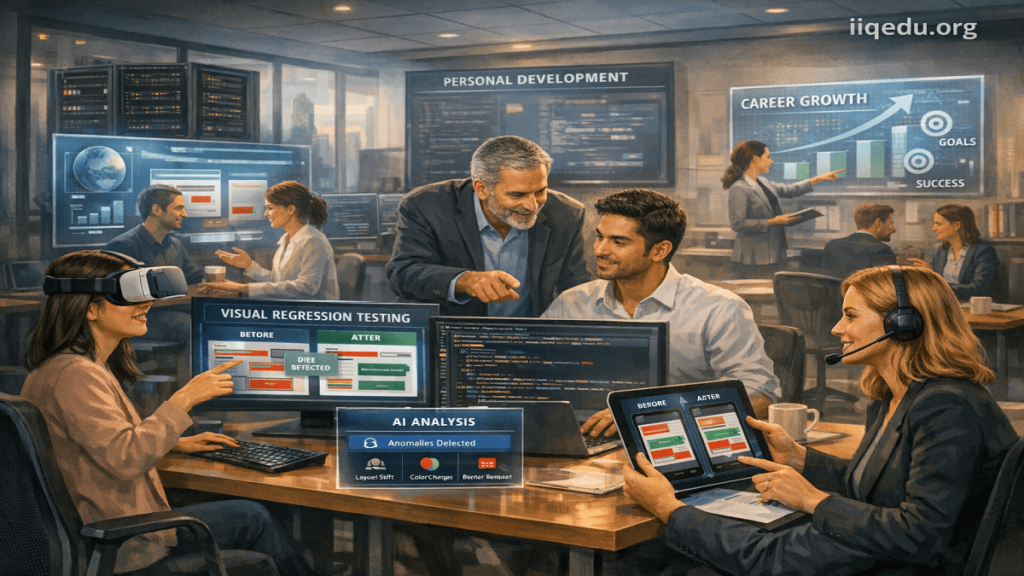
Who is Training, Careers & Personal Development required?
Training, career development, and personal development are essential for a wide range of individuals and organizations. They are not limited to a specific age group, role, or industry but are critical for anyone seeking professional growth, skill enhancement, and long-term career success.
1. Employees at All Levels
From entry-level workers to senior executives, employees benefit from continuous training and development. For entry-level employees, training helps acquire foundational skills, adapt to organizational processes, and build confidence. Mid-level professionals rely on career development and skill refinement to advance into leadership roles, while senior executives require personal development to strengthen strategic thinking, decision-making, and emotional intelligence. A study by the Association for Talent Development (ATD) highlights that organizations investing in employee development experience higher engagement, retention, and productivity (td.org).
2. Job Seekers and Career Changers
Individuals entering the workforce or considering a career shift need training and personal development to remain competitive. Job seekers often require technical certifications, digital literacy, and industry-specific skills to meet employer expectations. Career changers must develop transferable skills and cultivate professional networks to successfully transition to new roles. Online learning platforms, such as Coursera (coursera.org) and LinkedIn Learning (linkedin.com/learning), are valuable resources for acquiring new competencies efficiently.
3. Entrepreneurs and Freelancers
Entrepreneurs and independent professionals require continuous development to manage business operations, marketing, leadership, and client relationships effectively. Training in financial management, strategic planning, and digital tools enables them to remain competitive in fast-changing markets. Personal development, including time management, resilience, and networking skills, further enhances their ability to navigate challenges and grow sustainably.
4. Organizations and Teams
Organizations invest in training and career development programs to cultivate a skilled and adaptable workforce. Companies that prioritize employee development see improved innovation, higher productivity, and reduced turnover. Personal development initiatives within teams foster better collaboration, emotional intelligence, and problem-solving capabilities, which are critical for maintaining a positive workplace culture.
5. Lifelong Learners
In today’s dynamic work environment, continuous learning is essential. Technological advancements, automation, and globalization are constantly changing skill requirements. Lifelong learners—whether professionals, students, or self-employed individuals—benefit from personal development programs to adapt, stay relevant, and achieve personal and professional goals. According to the World Economic Forum, half of all employees will need reskilling by 2025 to remain employable (weforum.org).
In summary, training, career development, and personal development are required by anyone seeking to enhance skills, advance professionally, and adapt to evolving demands. Employees, job seekers, entrepreneurs, and organizations all gain measurable benefits from structured learning, strategic career planning, and holistic personal growth.
Further reading:
- Association for Talent Development: https://www.td.org
- Coursera: https://www.coursera.org
- LinkedIn Learning: https://www.linkedin.com/learning
- World Economic Forum: https://www.weforum.org/reports/the-future-of-jobs-report-2023
#Training, Careers & Personal Development in Ahemdabad
When is Training, Careers & Personal Development required?
Training, career development, and personal development are required at multiple stages throughout a professional’s journey and within organizations. Their necessity arises whenever there is a need to enhance skills, adapt to change, or prepare for future responsibilities. The timing is not limited to a single event but is a continuous process aligned with career growth and organizational goals.
1. During Onboarding or Role Transitions
When a new employee joins an organization or assumes a new role, training is essential to familiarize them with organizational processes, tools, and expectations. Effective onboarding programs accelerate productivity and help employees adapt quickly. Career development at this stage involves clarifying role expectations, identifying potential growth paths, and setting initial goals. Personal development supports building confidence, effective communication, and interpersonal skills needed to succeed in a new environment.
2. When Adopting New Technologies or Processes
The introduction of new systems, tools, or methodologies requires targeted training to ensure employees remain competent and efficient. Continuous learning programs help professionals update their technical skills and integrate new practices effectively. Personal development also becomes critical during such transitions, as adaptability, resilience, and problem-solving skills are required to manage change successfully. Organizations that fail to provide timely training risk reduced productivity and employee disengagement.
3. During Career Advancement or Promotions
When individuals aim for higher responsibilities or leadership roles, career development initiatives are required to build strategic thinking, managerial skills, and industry expertise. Leadership training, mentorship programs, and coaching become crucial to prepare employees for advanced roles. Personal development, such as emotional intelligence, decision-making, and time management, ensures leaders can handle complex challenges while motivating and guiding teams effectively.
4. In Response to Skill Gaps or Industry Changes
Rapid technological advancements, automation, and evolving market trends create skill gaps that must be addressed. Training and reskilling programs are necessary to equip professionals with the competencies required to remain employable and competitive. Career development planning helps individuals pivot roles or specialize in emerging areas. Personal development, including adaptability and self-directed learning, ensures long-term career resilience. According to the World Economic Forum, 50% of employees will need reskilling by 2025 to meet changing workplace demands (weforum.org).
5. During Performance Improvement or Personal Growth Initiatives
Training and personal development are required whenever there is a need to enhance performance or address professional weaknesses. Performance evaluations often highlight areas where further development is necessary. Structured learning, career guidance, and self-improvement practices help individuals achieve both short-term performance goals and long-term career aspirations.
In summary, training, career development, and personal development are required throughout a professional’s lifecycle, including onboarding, role transitions, promotions, technological changes, performance improvement, and adapting to industry evolution. These initiatives are essential not only for individual success but also for organizational competitiveness and growth.
Further reading:
- World Economic Forum: https://www.weforum.org/reports/the-future-of-jobs-report-2023
- Coursera: https://www.coursera.org
- LinkedIn Learning: https://www.linkedin.com/learning
- Association for Talent Development: https://www.td.org
#Training, Careers & Personal Development in Hyderabad
Where is Training, Careers & Personal Development required?
Training, career development, and personal development are required across virtually all professional environments and sectors. Their application is not limited to a specific workplace but extends wherever individuals engage in work, learning, or professional growth. The need for these initiatives arises wherever skill enhancement, career progression, and personal growth contribute to organizational effectiveness and individual success.
1. Corporate and Organizational Settings
In corporate environments, training and career development are essential to ensure employees perform effectively and advance professionally. Large organizations often have structured learning programs, mentorship initiatives, and leadership development tracks. Personal development is emphasized to improve communication, collaboration, and emotional intelligence within teams. For example, multinational companies like Microsoft and IBM invest heavily in employee development programs to maintain competitiveness and drive innovation (microsoft.com/careers) (ibm.com/employment).
2. Small and Medium Enterprises (SMEs)
SMEs also require training and development, although resources may be more limited than in large corporations. In these environments, training often focuses on multitasking, technical proficiency, and business-critical skills. Career development in SMEs is typically informal, with mentorship and cross-training providing growth opportunities. Personal development supports adaptability, leadership, and entrepreneurial thinking, which are crucial in smaller, dynamic teams.
3. Educational Institutions
Schools, colleges, and universities implement training programs to prepare students and staff for professional careers. Career development services, such as counseling, internships, and skill-building workshops, equip students for the labor market. Personal development programs, including leadership workshops, time management, and public speaking training, help students cultivate the soft skills necessary for success.
4. Healthcare and Technical Fields
In specialized sectors such as healthcare, engineering, and IT, continuous training is mandatory to comply with regulations, adopt new technologies, and ensure safety. Career development opportunities allow professionals to specialize or move into leadership roles. Personal development ensures professionals maintain resilience, emotional intelligence, and effective decision-making in high-pressure environments.
5. Remote and Freelance Work Environments
With the rise of remote work and freelancing, self-directed training and personal development are increasingly critical. Freelancers must continuously upskill in industry-specific tools, marketing, client management, and business operations. Career development in this context often involves building a professional network, enhancing personal branding, and identifying new market opportunities.
6. Government and Nonprofit Organizations
Training and professional development are essential in public sector and nonprofit organizations to maintain service quality, implement new policies, and enhance leadership capacity. Personal development helps employees cultivate motivation, adaptability, and collaborative skills critical for community-focused work.
In summary, training, career development, and personal development are required wherever individuals or organizations aim to achieve growth, maintain competitiveness, or enhance performance. These initiatives are relevant across corporate, educational, technical, freelance, government, and nonprofit sectors, making them universally applicable in professional contexts.
Further reading:
- Association for Talent Development: https://www.td.org
- LinkedIn Learning: https://www.linkedin.com/learning
- Microsoft Careers: https://careers.microsoft.com
- World Economic Forum – Future of Jobs: https://www.weforum.org/reports/the-future-of-jobs-report-2023
#Training, Careers & Personal Development in Banglore
How is Training, Careers & Personal Development required?
Training, career development, and personal development are required through structured, strategic, and continuous approaches that address skill acquisition, professional growth, and personal enhancement. They are implemented using specific methods designed to meet individual, organizational, and industry needs.
1. Through Structured Training Programs
Training is required via formal programs that target both technical and soft skills. Technical training includes workshops, certifications, and online courses that enhance role-specific competencies. Soft skills training covers communication, leadership, teamwork, problem-solving, and emotional intelligence. Organizations often conduct in-house training sessions or leverage platforms such as Coursera (coursera.org) and LinkedIn Learning (linkedin.com/learning). This approach ensures employees acquire relevant knowledge and can apply it effectively in their roles.
2. Through Career Planning and Development Initiatives
Career development is required through planned pathways that help individuals advance in their professional journeys. Methods include performance reviews, mentorship programs, succession planning, and professional coaching. These processes help employees identify strengths, recognize gaps, set long-term goals, and access opportunities for advancement. Career development is particularly necessary when preparing employees for promotions, role transitions, or leadership positions. Strategic career planning aligns individual growth with organizational objectives, creating mutual benefits.
3. Through Continuous Learning and Upskilling
In fast-evolving industries, training and development are required continuously. Upskilling and reskilling programs allow employees to adapt to new technologies, workflows, and market demands. According to the World Economic Forum, 50% of employees will need reskilling by 2025 due to automation and digital transformation (weforum.org). Continuous learning may include attending seminars, participating in webinars, taking online courses, and engaging in peer learning communities.
4. Through Personal Development Practices
Personal development is required through intentional self-improvement efforts. This includes cultivating leadership abilities, time management, resilience, critical thinking, and emotional intelligence. Employees and professionals enhance personal growth by setting goals, seeking feedback, reflecting on experiences, and engaging in mentorship. These practices ensure individuals remain adaptable, motivated, and capable of handling professional challenges.
5. Through Organizational Culture and Support
Organizations make training, career, and personal development effective by embedding them into the workplace culture. Providing access to resources, encouraging continuous learning, offering career counseling, and recognizing achievements ensures employees engage with development opportunities. A supportive environment accelerates skill acquisition, increases engagement, and strengthens retention.
6. Through Measurement and Feedback
Finally, training and development are required through structured evaluation. Regular performance assessments, skill audits, and feedback sessions identify learning outcomes, highlight areas for improvement, and refine development strategies. This ensures that development initiatives are aligned with both individual and organizational goals.
In summary, training, career development, and personal development are required through structured programs, continuous learning, personal growth practices, organizational support, and evaluation mechanisms. Implementing these methods systematically ensures that employees are skilled, adaptable, and prepared for long-term professional success.
Further reading:
- Coursera: https://www.coursera.org
- LinkedIn Learning: https://www.linkedin.com/learning
- World Economic Forum: https://www.weforum.org/reports/the-future-of-jobs-report-2023
- Association for Talent Development: https://www.td.org
#Training, Careers & Personal Development in Chennai
Case Study of Training, Careers & Personal Development
Introduction
A case study illustrates how structured training, career development, and personal development initiatives produce measurable outcomes for individuals and organizations. The example below synthesizes real-world insights from organisational practice and employee development research to show how these initiatives are designed, implemented, and evaluated for impact.
Context and Challenge
A mid-sized technology company experiencing rapid growth faced declining productivity among new hires, high turnover rates among junior staff, and unclear career pathways. Informal knowledge transfer was insufficient; senior engineers were frequently interrupted to train newcomers, delaying project timelines and reducing organisational efficiency. Simultaneously, employee engagement surveys showed dissatisfaction with limited professional growth opportunities.
Strategic Approach
The company’s leadership initiated a comprehensive development strategy with three core elements: structured training programs, formalised career development pathways, and personal development support. The initiative was guided by a clear alignment between business goals and human capital needs. Key components included:
- Structured Training Programs
The company transitioned from ad‑hoc, informal training to a systematic onboarding curriculum. This included:- Self‑paced online modules focused on tools, workflows, and coding standards.
- Weekly cohort sessions fostering collaborative learning and peer support.
- Assigned mentors to guide new hires through the first three months and ensure skills were applied on the job.
This structured training reduced the time to productivity for new hires and decreased interruptions to senior staff. Documentation developed as part of the curriculum became a long‑term organisational asset.
- Career Development Framework
The company introduced a transparent career ladder with defined competencies and progression criteria for roles from junior developer to senior engineer and technical lead. Performance reviews and mentorship meetings were used to set individual goals, track progress, and prepare employees for promotions. Career discussions were integrated into quarterly reviews, ensuring alignment between employees’ aspirations and organisational needs. This approach increased internal promotions and reduced reliance on external hiring. - Personal Development Support
Recognising the importance of soft skills and holistic growth, the organisation offered workshops in communication, leadership, problem‑solving, and time management. Employees were encouraged to create individual development plans (IDPs) tied to both career objectives and personal growth aspirations. Managers were trained to coach and support these plans, reinforcing a culture of continuous learning and resilience.
Outcomes and Impact
Within one year of implementation:
- Employee turnover decreased, particularly among early‑career professionals.
- Time to productivity improved, with new hires reaching performance benchmarks faster.
- Career satisfaction scores increased, as reflected in engagement surveys, due to structured career guidance.
- Employee engagement improved as staff perceived a clear investment in their growth and development. These results align with research showing that targeted development initiatives improve retention, performance, and organisational capability.
Conclusion
This case demonstrates that combining structured training, deliberate career development pathways, and personal development initiatives creates a comprehensive approach to workforce development. The strategy not only enhanced individual skills and career progression but also strengthened organisational performance and culture.
External References for Further Study
- “Successful Employee Development Programs: Three Key Case Studies” — example organisational cases showing measurable results.
- Training and development overview — broader context of organisational training practice.
- Individual Development Plans (IDP) — practical tool for personal and career planning.
#Training, Careers & Personal Development in Kolkata

White Paper of Training, Careers & Personal Development
Executive Summary
Training, career development, and personal development are critical drivers of workforce effectiveness, organizational growth, and individual success. In today’s rapidly evolving business environment, continuous learning and skill enhancement are no longer optional—they are essential for sustaining competitiveness, employee engagement, and career progression. This white paper examines the significance, methodologies, and outcomes associated with structured training, strategic career planning, and personal development initiatives.
Introduction
Organizations face unprecedented challenges from digital transformation, automation, globalization, and evolving workforce expectations. Employees must continually update both technical and soft skills to remain relevant, while employers need to cultivate talent pipelines and foster a culture of continuous improvement. Training equips employees with the competencies required for their current roles, career development guides their professional growth, and personal development strengthens their adaptability, resilience, and leadership capabilities.
Importance of Training
Training programs ensure that employees acquire and maintain the knowledge, technical expertise, and behavioral skills necessary for high performance. Structured training can be delivered through:
- Formal programs: workshops, certification courses, and seminars.
- Digital learning platforms: online courses, webinars, and simulations.
- On-the-job learning: mentoring, coaching, and rotational assignments.
According to the Association for Talent Development, organizations that invest in employee development see 218% higher income per employee and 24% higher profit margins (td.org).
Career Development
Career development is a systematic approach to aligning individual aspirations with organizational objectives. Key components include:
- Career path mapping: defining competencies, milestones, and progression opportunities.
- Mentorship and coaching: providing guidance, feedback, and leadership preparation.
- Performance and skill assessments: identifying gaps and setting growth goals.
Strategic career planning reduces turnover, enhances employee satisfaction, and builds internal leadership pipelines. The World Economic Forum reports that 50% of employees will require reskilling by 2025 due to technology-driven changes in the workplace (weforum.org).
Personal Development
Personal development focuses on holistic growth, including emotional intelligence, communication, leadership, problem-solving, and resilience. Initiatives include:
- Self-directed learning plans.
- Goal setting and reflective practice.
- Participation in leadership or soft skills workshops.
Personal development complements technical training and career planning by enabling employees to adapt to change, collaborate effectively, and pursue long-term career fulfillment. Harvard Business Review emphasizes that organizations that integrate personal development into their learning culture foster innovation, engagement, and employee retention (hbr.org).
Implementation Strategies
To implement an effective development program, organizations should:
- Conduct skills gap analysis.
- Design structured training aligned with organizational goals.
- Integrate career development frameworks with mentorship programs.
- Encourage personal development through coaching, workshops, and IDPs.
- Monitor and evaluate outcomes to ensure continuous improvement.
Case Studies and Outcomes
Companies implementing integrated training and development initiatives report:
- Reduced employee turnover.
- Increased productivity and time-to-competency.
- Higher employee engagement and satisfaction.
- Stronger leadership pipelines.
Conclusion
Training, career development, and personal development are interdependent pillars essential for sustaining workforce performance, individual growth, and organizational competitiveness. By investing strategically in these areas, organizations create a resilient, skilled, and motivated workforce capable of thriving in an evolving global market.
References
- Association for Talent Development: https://www.td.org
- World Economic Forum – Future of Jobs Report 2023: https://www.weforum.org/reports/the-future-of-jobs-report-2023
- Harvard Business Review – Personal Development: https://hbr.org
- Coursera – Professional Learning: https://www.coursera.org
- LinkedIn Learning – Career Development: https://www.linkedin.com/learning
#Training, Careers & Personal Development in Singapore
Industry Application of Training, Careers & Personal Development
Training, career development, and personal development are universally applicable across industries, yet their implementation varies depending on sector-specific requirements, workforce characteristics, and organizational goals. Integrating these initiatives strategically enhances productivity, innovation, employee engagement, and long-term competitiveness.
1. Information Technology (IT) and Software Development
In the IT sector, rapid technological advancements require continuous upskilling and reskilling. Training programs focus on programming languages, cybersecurity, cloud computing, and software development methodologies. Career development initiatives support clear progression from junior developer to senior developer, team lead, and technical architect roles. Personal development emphasizes leadership, problem-solving, collaboration, and adaptability to keep pace with agile project management and cross-functional teams. Companies like Microsoft and IBM invest heavily in such programs to maintain technical competence and employee satisfaction (microsoft.com/careers).
2. Healthcare and Life Sciences
Healthcare professionals must meet stringent regulatory standards while adopting new treatment protocols and technologies. Training focuses on clinical skills, patient safety, and compliance with healthcare regulations. Career development enables specialization in fields like surgery, nursing management, or research, while personal development improves resilience, communication with patients, and teamwork under high-pressure conditions. Ongoing development is crucial as medical knowledge and technology evolve rapidly.
3. Manufacturing and Engineering
In manufacturing, training is required for machinery operation, safety protocols, and quality assurance. Career development programs prepare employees for supervisory, project management, and engineering leadership roles. Personal development addresses problem-solving, critical thinking, and effective collaboration within large, often cross-functional teams. Industry 4.0 has increased the need for digital literacy, automation training, and continuous skill development.
4. Finance and Banking
The finance sector requires continuous training in regulatory compliance, risk management, financial technologies, and customer service. Career development pathways support advancement from analysts to managers, directors, and executives. Personal development programs, such as leadership coaching and negotiation skills, are critical for building client relationships and managing teams in high-stakes environments. Organizations like JPMorgan Chase and Goldman Sachs emphasize structured training academies and mentorship programs for talent development (jpmorganchase.com/careers).
5. Education and Academia
Training for educators includes teaching methods, curriculum design, and digital tools for learning. Career development focuses on research opportunities, administrative roles, and academic leadership. Personal development emphasizes communication, public speaking, mentorship, and lifelong learning to model professional growth for students.
6. Government and Public Sector
Government organizations require training in policy implementation, governance, legal frameworks, and public service efficiency. Career development focuses on civil service progression, leadership roles, and specialized skill acquisition. Personal development initiatives foster ethics, accountability, communication, and adaptability to public needs.
Conclusion
Across industries, training, career development, and personal development enhance organizational capability, individual performance, and workforce resilience. Tailoring these programs to industry-specific challenges ensures employees acquire relevant technical skills, advance professionally, and develop the personal competencies required to navigate dynamic work environments.
References
- Microsoft Careers – Employee Development: https://careers.microsoft.com
- JPMorgan Chase Careers – Learning & Development: https://careers.jpmorganchase.com/
- World Economic Forum – Future of Jobs Report 2023: https://www.weforum.org/reports/the-future-of-jobs-report-2023
- LinkedIn Learning – Industry-Specific Training: https://www.linkedin.com/learning
#Training, Careers & Personal Development in Mumbai
Ask FAQs
What is the difference between training, career development, and personal development?
Answer: Training focuses on acquiring specific skills and knowledge required for a job role. Career development is a strategic process that helps individuals plan and progress in their professional path, aligning personal goals with organizational needs. Personal development emphasizes holistic growth, including emotional intelligence, leadership, communication, and resilience, which support both professional and personal success.
Who benefits from training, careers, and personal development programs?
Answer: All professionals benefit, including employees at every level, job seekers, career changers, entrepreneurs, and freelancers. Organizations also benefit by developing a skilled, motivated, and adaptable workforce, improving productivity, retention, and innovation.
When should an individual or organization implement these programs?
Answer: These programs are needed during onboarding, role transitions, promotions, adoption of new technologies, performance improvement, and when addressing skill gaps. Continuous learning ensures individuals remain competitive and organizations maintain efficiency and adaptability.
How are these programs implemented effectively?
Answer: Effective implementation includes structured training (workshops, online courses, mentoring), career planning (goal setting, performance reviews, mentorship), and personal development initiatives (soft skills workshops, reflective practices, leadership coaching). Organizations should provide resources, monitor progress, and evaluate outcomes to ensure success.
Why are these programs important for long-term career and organizational success?
Answer: They enhance technical and soft skills, increase employee engagement, improve retention, and prepare employees for future roles. By fostering a culture of continuous learning, organizations develop resilient, capable teams, while individuals achieve career advancement and personal growth.
Source: TEDx Talks
Table of Contents
Disclaimer:
The information provided in this document is for general educational and informational purposes only. While every effort has been made to ensure accuracy, it does not constitute professional, legal, or career advice. Readers should consult appropriate experts or official sources before making decisions based on the content. The authors and publishers are not responsible for any actions or outcomes resulting from the use of this information.