
The Professions Journey Roadmap is a comprehensive, step-by-step framework designed to illuminate the path of professional development across industries, functions, and experience levels. In an era marked by rapid technological transformation, evolving workplace expectations, and an increasing need for lifelong learning, the roadmap serves as both a compass and a guidebook for individuals and organizations alike. Whether you’re a student planning your first career move, a professional aiming for growth, or a leader shaping the future workforce, this roadmap offers clarity, structure, and actionable insights.
The Professions Journey Roadmap is not a static document—it is a dynamic and adaptive career blueprint built on real-world industry demands, personal growth trajectories, and organizational requirements. It reflects a deep understanding of how people evolve professionally, moving from novice to expert, from contributor to leader, and from learner to innovator.
Its core objective is to bridge the gap between ambition and achievement, learning and leadership, and employment and excellence.
The roadmap is divided into clearly defined phases that represent the natural progression of a career lifecycle:
Target Audience: Students, early job seekers, career changers
Focus: Career awareness, interest discovery, skill identification
Activities: Internships, volunteering, informational interviews, aptitude tests, mentoring
Goal: Identify areas of interest and potential career paths
Target Audience: Entry-level professionals, fresh graduates
Focus: Skill-building, practical learning, initial work experience
Activities: On-the-job training, certifications, shadowing, guided projects
Goal: Gain hands-on experience and establish a strong work ethic
Target Audience: Mid-level professionals
Focus: Advanced competencies, cross-functional learning, goal alignment
Activities: Stretch assignments, networking, mentoring others, special projects
Goal: Build depth in specialization and breadth in soft skills
Target Audience: Senior professionals, team leads, managers
Focus: Strategic thinking, decision-making, people development
Activities: Leadership training, stakeholder management, conflict resolution, innovation
Goal: Transition from doing to leading, inspire and influence others
Target Audience: Experts, executives, mentors
Focus: Thought leadership, long-term impact, legacy creation
Activities: Publishing insights, advising boards, coaching, systemic transformation
Goal: Shape the profession, give back, and build a legacy
Each phase includes a set of guiding pillars to ensure holistic development:
Technical, behavioral, digital, and leadership competencies defined at each stage
Alignment with global standards like SFIA, ESCO, ISO/IEC 24773, and industry-specific benchmarks
Certifications, diplomas, degrees, and microcredentials
Suggested training platforms (MOOCs, in-house L&D, industry bootcamps)
Role progression maps (e.g., Analyst → Specialist → Manager → Director → CXO)
Alternate routes (technical expert, project lead, independent consultant, academic contributor)
KPIs, OKRs, 360-degree feedback, peer recognition
Personal development goals, continuous improvement plans
Peer learning circles, professional networks, volunteering
Active participation in industry forums and communities of practice
The Professions Journey Roadmap can be tailored to different industries and functions:
Manufacturing: Apprentice → Quality Technician → Production Manager → Plant Head
IT/Software: Intern → Developer → Tech Lead → CTO
Healthcare: Intern → Nurse/Junior Doctor → Consultant → Chief Medical Officer
Education: Assistant → Teacher → Academic Coordinator → Principal
Finance: Trainee → Analyst → Controller → CFO
HR: Executive → Business Partner → Head of HR → CHRO
Sales & Marketing: Representative → Manager → Brand Director → CMO
Self-assessment tools to evaluate your current phase and readiness for the next
Goal setting templates based on career aspirations and capabilities
Growth checklists to ensure continued progress and skill upgrades
Talent development programs aligned with roadmap stages
Succession planning using structured role pathways
Internal mobility mapping to retain and grow talent
Curriculum alignment with industry readiness and employability benchmarks
Career counseling guides to support student transitions
Industry partnerships for real-world experience and mentoring
The roadmap embraces digitalization, enabling:
Interactive dashboards for personalized career tracking
AI-driven recommendations for next steps based on skills and interests
Gamified learning modules to maintain engagement and motivation
Mobile-first access to guide learning anytime, anywhere
The Professions Journey Roadmap is built around global employment and development trends:
Future of Work & Industry 4.0
Sustainability & ESG careers
Remote & hybrid workforce readiness
Diversity, Equity & Inclusion integration
Human-AI collaboration and upskilling
Journey: AI Intern → Machine Learning Engineer → Data Science Manager → AI Ethics Strategist
Tools Used: Certifications from Coursera, mentorship via internal program, project showcases
Journey: Quality Assistant → Process Auditor → Quality Systems Lead → Director of Compliance
Tools Used: Lean Six Sigma, ISO training, cross-functional teams, professional membership in CQII
The roadmap will continue to evolve with:
Integration of blockchain-based credentials
Use of neuroscience for personalized learning models
Broader micro-career mapping in gig and portfolio careers
Inclusion of soft power influence roles like coaching, storytelling, and advocacy
The Professions Journey Roadmap isn’t a rigid path—it’s a fluid, adaptable guide tailored to your dreams, strengths, and the changing world around you. It empowers you to own your development, invest in your growth, and build a career of impact. Whether you are just starting or reinventing yourself after decades, this roadmap serves as a beacon of purpose and a plan for success.
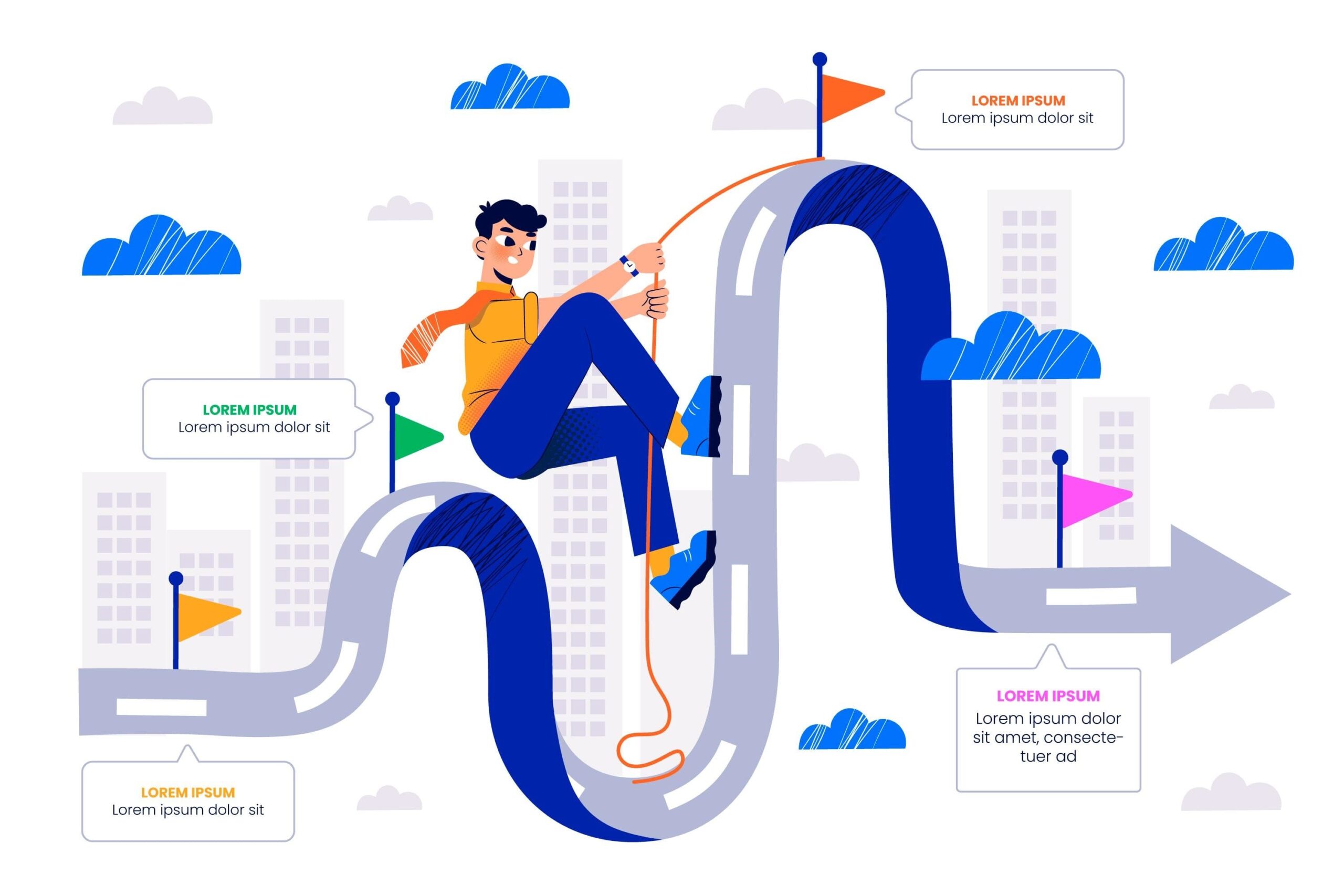
The Professions Journey Roadmap serves as a comprehensive, adaptable, and practical guide that supports individuals at every career stage—from aspirants to experts, from technical roles to leadership positions. It provides structured pathways, skill-building recommendations, and role progression models that empower professionals to move forward with purpose.
At its core, the roadmap is a strategic framework built to address the complexities of modern career development. It emphasizes lifelong learning, cross-functional skills, and the ability to navigate transitions in an ever-changing job market. The journey is divided into progressive phases that mirror the typical trajectory of a career, while also accommodating lateral movement, reinvention, and specialization.
The roadmap outlines five primary phases:
Exploration Phase
Focus: Awareness, curiosity, and understanding of career options
Activities: Internships, informational interviews, personality and interest assessments
Goal: Identify potential roles that align with personal strengths and interests
Foundation Phase
Focus: Acquiring essential technical and interpersonal skills
Activities: Entry-level roles, vocational training, certification programs
Goal: Develop work readiness and understand professional expectations
Growth Phase
Focus: Expanding knowledge, refining capabilities, increasing responsibility
Activities: On-the-job projects, cross-training, performance evaluations
Goal: Prepare for leadership or specialization tracks
Leadership Phase
Focus: Managing teams, making strategic decisions, leading initiatives
Activities: People management, cross-functional collaboration, innovation efforts
Goal: Transition from executor to enabler, shaping organizational outcomes
Mastery & Legacy Phase
Focus: Guiding others, contributing to the industry, building a professional legacy
Activities: Mentoring, publishing, consulting, institutional influence
Goal: Share expertise and influence the future of the profession
To ensure meaningful progression, the roadmap integrates several foundational components:
Clearly defined skills and behaviors at each stage
Technical, analytical, communication, and leadership skills evolve with each phase
Formal and informal learning aligned to job roles
Recognition through micro-credentials, diplomas, and international certifications
Linear and non-linear career routes (e.g., individual contributor vs. managerial track)
Sample titles: Trainee → Officer → Manager → Senior Manager → Director → VP
Role-based KPIs, growth metrics, and soft skill benchmarks
Emphasis on feedback loops and personal development reviews
Inclusion of guidance mechanisms to support continuous growth
Structured mentoring, peer exchanges, and community engagement
Every profession and individual is different. The roadmap offers flexibility to:
Customize learning paths based on goals, industries, and location
Accommodate career breaks, transitions, or lateral moves
Integrate hybrid and remote working models
Support gig workers and freelance professionals
This adaptability ensures that the roadmap is inclusive and effective for everyone—from factory floors to boardrooms, and from academia to entrepreneurship.
Examples of the roadmap’s application across sectors:
Manufacturing: Apprentice → Machine Operator → Supervisor → Plant Manager
Technology: Trainee Developer → Software Engineer → Solution Architect → CTO
Healthcare: Nurse Intern → Registered Nurse → Nurse Practitioner → Healthcare Administrator
Finance: Finance Assistant → Analyst → Controller → Chief Financial Officer
Education: Assistant Teacher → Subject Head → Curriculum Developer → Principal
Organizations use the roadmap to:
Design learning & development strategies
Create structured onboarding and progression programs
Improve employee retention by clarifying growth opportunities
Support succession planning and workforce readiness
By adopting the roadmap, employers also strengthen their talent pipeline and organizational agility.
The roadmap helps academic institutions:
Align curricula with industry-relevant competencies
Prepare students for real-world expectations
Design internship and placement programs that map to clear professional outcomes
Educators can also use the framework to mentor students more effectively and help them navigate early career decisions with confidence.
Modern versions of the roadmap are enhanced with:
AI-based career recommendations
Online learning integrations (e.g., Coursera, LinkedIn Learning, edX)
Progress tracking dashboards
Mobile applications for career planning on the go
Digital tools personalize the roadmap experience and allow users to chart their journey in real time.
The roadmap aligns with global developments such as:
Industry 4.0 and digital transformation
Sustainable careers and green skills
Remote-first cultures and gig economy models
Inclusion, equity, and diverse leadership pipelines
Professionals are no longer bound by geography, and the roadmap supports globally portable skills and credentials.
The Professions Journey Roadmap is more than just a framework—it’s a future-ready guide that champions growth, purpose, and excellence. It helps individuals navigate the complexity of modern careers while enabling organizations to cultivate high-performing, fulfilled talent.
Whether you are entering the workforce, climbing the ladder, or redefining your role entirely, the roadmap is your trusted companion on the journey. It’s time to unveil your potential, unlock new opportunities, and take charge of your professional destiny—one phase, one milestone, one achievement at a time.
The Professions Journey Roadmap (PJR) is not only a theoretical model of career progression—it is a practical, results-oriented tool designed for direct application within various industries. By translating strategic workforce planning into tangible development steps, the roadmap supports industrial transformation, employee empowerment, and operational excellence.
Across sectors—from manufacturing to IT, healthcare to education—the roadmap enables organizations to optimize talent utilization, increase engagement, and build resilient, future-ready workforces. Its versatility lies in aligning individual career ambitions with organizational goals, making it an essential framework for HR leaders, L&D departments, and operations heads.
At the core of industrial application is the translation of job roles into career ladders that mirror the phases of the roadmap:
Entry Level → Skilled → Supervisory → Managerial → Strategic/Executive
Enables transparent career progression and structured promotion pipelines
Supports blue-collar, white-collar, and knowledge worker career planning
Example – Manufacturing Industry:
Helper → Operator → Line Supervisor → Production Manager → Plant Director
Training modules, job rotations, and quality circles are mapped to each step
Ensures production continuity and reduces attrition in high-churn environments
Industries use the roadmap to design modular, role-based training programs:
Aligns certifications, microcredentials, on-the-job training, and mentoring with roadmap stages
Supports compliance with ISO 10015 (Guidelines for Training) and other standards
Enhances Return on Learning Investment (ROLI)
Example – IT Sector:
Roadmap defines skills matrix from Junior Developer to Solution Architect
Personalized learning paths through internal LMS, Coursera/Udemy integrations
Upskilling tracked against KPIs like velocity, code quality, and solution delivery
In sectors with high skill churn, the roadmap fosters retention and loyalty:
Gives employees clear visibility into future roles
Identifies high-potential employees (HiPos) early and nurtures them
Supports succession planning by mapping backup talent to every strategic role
Example – Healthcare:
Journey from Resident to Consultant to Department Head is mapped with CME (Continuing Medical Education) milestones
Critical roles in surgery, diagnostics, and emergency care are supported by internal succession pipelines
Roadmap includes telemedicine and digital health specialization paths
In smart factories and digitized environments, the roadmap ensures employees evolve with technology:
Incorporates digital skills, IoT familiarity, and data analysis competencies
Includes transition plans from traditional to tech-integrated roles
Supports cyber-physical system readiness
Example – Automotive Manufacturing:
Workers progress from Manual Assembly Operators to Automated Machine Handlers
Training includes PLC basics, HMI navigation, and predictive maintenance systems
Embedded in the roadmap are certifications like Mechatronics and Industry 4.0 modules
PJR supports Lean, Six Sigma, and TQM frameworks:
Roles are aligned with continuous improvement goals
Roadmap stages include tools training (5S, Kaizen, DMAIC, PDCA)
Promotes quality ownership across functions
Example – Chemical Industry:
Operators trained to detect quality deviations at the source
Team leads certified in Lean Six Sigma as part of the leadership phase
Mastery phase includes involvement in strategic quality councils
Industries deploy the roadmap within HR technology systems:
HRIS platforms (SAP SuccessFactors, Oracle, BambooHR) embed the roadmap into profiles
Performance appraisal systems map outputs to roadmap progress
AI-based talent analytics recommend lateral moves and learning based on career trajectory
Example – Banking Sector:
Role journeys from Teller to Branch Manager to Regional Head are system-mapped
Customer service scores, compliance, and digital adoption KPIs feed into promotion readiness
Internal job boards integrated with the roadmap for visibility and fairness
The roadmap embeds mandatory compliance training and safety protocols across phases:
Ensures each stage includes required certifications (e.g., OSHA, HACCP, GMP, GDPR)
Supports workforce alignment with local and international regulatory frameworks
Example – Food & Beverage Industry:
Roles from Quality Inspector to Compliance Officer to QA Manager are roadmap-based
Periodic refreshers and audits are scheduled per roadmap milestones
Real-time compliance dashboards linked to employee training paths
Organizations use the roadmap for intelligent recruitment and internal mobility:
Skills and experiences are tagged using roadmap indicators
AI-matching of candidates to vacancies or developmental programs
Reduces time-to-fill and enhances person-role alignment
Example – Energy Sector:
Job postings list roadmap phases (e.g., “Ideal for Growth Phase Engineers”)
New hires onboarded with a personal roadmap for the first 24 months
Promotes career path clarity in remote and hazardous site conditions
Industries collaborate with academic institutions to build curriculum that matches roadmap stages:
Ensures job-ready graduates with Phase 1 & 2 competencies
Enables industry-recognized internship models
Fosters innovation and entrepreneurship through Capstone projects tied to roadmap outcomes
Example – Engineering Education:
Students earn credits through live industry projects linked to real job roles
Institutions offer minor degrees aligned with specific profession roadmaps
Graduation interviews conducted with roadmap feedback
Industries adapting to flexible work use the roadmap for hybrid roles:
Establishes growth paths even for freelancers and contract workers
Defines deliverables, learning objectives, and community engagement models
Encourages inclusion of non-traditional talent into mainstream roles
Example – Creative Media Industry:
Freelancers progress from Designer to Art Director to Creative Strategist
Roadmap includes content platforms, client rating milestones, and collaborative portfolio reviews
Builds brand loyalty and professionalism even in a distributed talent model
The industrial application of the Professions Journey Roadmap turns abstract career models into real-world operational frameworks. It ensures employees are empowered, trained, motivated, and aligned with enterprise goals at every stage. The roadmap adapts to industry pace, sector complexity, digital maturity, and global demands—making it a cornerstone of modern workforce transformation.
From lean manufacturing plants to digital tech firms, from hospitals to high-rise consulting offices, the roadmap is revolutionizing how industries develop talent, drive growth, and build futures.
The Professions Journey Roadmap is a comprehensive, step-by-step framework designed to illuminate the path of professional development across industries, functions, and experience levels. In an era marked by rapid technological transformation, evolving workplace expectations, and an increasing need for lifelong learning, the roadmap serves as both a compass and a guidebook for individuals and organizations alike. Whether you’re a student planning your first career move, a professional aiming for growth, or a leader shaping the future workforce, this roadmap offers clarity, structure, and actionable insights.
The Professions Journey Roadmap is not a static document—it is a dynamic and adaptive career blueprint built on real-world industry demands, personal growth trajectories, and organizational requirements. It reflects a deep understanding of how people evolve professionally, moving from novice to expert, from contributor to leader, and from learner to innovator.
Its core objective is to bridge the gap between ambition and achievement, learning and leadership, and employment and excellence.
The roadmap is divided into clearly defined phases that represent the natural progression of a career lifecycle:
Target Audience: Students, early job seekers, career changers
Focus: Career awareness, interest discovery, skill identification
Activities: Internships, volunteering, informational interviews, aptitude tests, mentoring
Goal: Identify areas of interest and potential career paths
Target Audience: Entry-level professionals, fresh graduates
Focus: Skill-building, practical learning, initial work experience
Activities: On-the-job training, certifications, shadowing, guided projects
Goal: Gain hands-on experience and establish a strong work ethic
Target Audience: Mid-level professionals
Focus: Advanced competencies, cross-functional learning, goal alignment
Activities: Stretch assignments, networking, mentoring others, special projects
Goal: Build depth in specialization and breadth in soft skills
Target Audience: Senior professionals, team leads, managers
Focus: Strategic thinking, decision-making, people development
Activities: Leadership training, stakeholder management, conflict resolution, innovation
Goal: Transition from doing to leading, inspire and influence others
Target Audience: Experts, executives, mentors
Focus: Thought leadership, long-term impact, legacy creation
Activities: Publishing insights, advising boards, coaching, systemic transformation
Goal: Shape the profession, give back, and build a legacy
Each phase includes a set of guiding pillars to ensure holistic development:
Technical, behavioral, digital, and leadership competencies defined at each stage
Alignment with global standards like SFIA, ESCO, ISO/IEC 24773, and industry-specific benchmarks
Certifications, diplomas, degrees, and microcredentials
Suggested training platforms (MOOCs, in-house L&D, industry bootcamps)
Role progression maps (e.g., Analyst → Specialist → Manager → Director → CXO)
Alternate routes (technical expert, project lead, independent consultant, academic contributor)
KPIs, OKRs, 360-degree feedback, peer recognition
Personal development goals, continuous improvement plans
Peer learning circles, professional networks, volunteering
Active participation in industry forums and communities of practice
The Professions Journey Roadmap can be tailored to different industries and functions:
Manufacturing: Apprentice → Quality Technician → Production Manager → Plant Head
IT/Software: Intern → Developer → Tech Lead → CTO
Healthcare: Intern → Nurse/Junior Doctor → Consultant → Chief Medical Officer
Education: Assistant → Teacher → Academic Coordinator → Principal
Finance: Trainee → Analyst → Controller → CFO
HR: Executive → Business Partner → Head of HR → CHRO
Sales & Marketing: Representative → Manager → Brand Director → CMO
Self-assessment tools to evaluate your current phase and readiness for the next
Goal setting templates based on career aspirations and capabilities
Growth checklists to ensure continued progress and skill upgrades
Talent development programs aligned with roadmap stages
Succession planning using structured role pathways
Internal mobility mapping to retain and grow talent
Curriculum alignment with industry readiness and employability benchmarks
Career counseling guides to support student transitions
Industry partnerships for real-world experience and mentoring
The roadmap embraces digitalization, enabling:
Interactive dashboards for personalized career tracking
AI-driven recommendations for next steps based on skills and interests
Gamified learning modules to maintain engagement and motivation
Mobile-first access to guide learning anytime, anywhere
The Professions Journey Roadmap is built around global employment and development trends:
Future of Work & Industry 4.0
Sustainability & ESG careers
Remote & hybrid workforce readiness
Diversity, Equity & Inclusion integration
Human-AI collaboration and upskilling
Journey: AI Intern → Machine Learning Engineer → Data Science Manager → AI Ethics Strategist
Tools Used: Certifications from Coursera, mentorship via internal program, project showcases
Journey: Quality Assistant → Process Auditor → Quality Systems Lead → Director of Compliance
Tools Used: Lean Six Sigma, ISO training, cross-functional teams, professional membership in CQII
The roadmap will continue to evolve with:
Integration of blockchain-based credentials
Use of neuroscience for personalized learning models
Broader micro-career mapping in gig and portfolio careers
Inclusion of soft power influence roles like coaching, storytelling, and advocacy
The Professions Journey Roadmap isn’t a rigid path—it’s a fluid, adaptable guide tailored to your dreams, strengths, and the changing world around you. It empowers you to own your development, invest in your growth, and build a career of impact. Whether you are just starting or reinventing yourself after decades, this roadmap serves as a beacon of purpose and a plan for success.

The Professions Journey Roadmap serves as a comprehensive, adaptable, and practical guide that supports individuals at every career stage—from aspirants to experts, from technical roles to leadership positions. It provides structured pathways, skill-building recommendations, and role progression models that empower professionals to move forward with purpose.
At its core, the roadmap is a strategic framework built to address the complexities of modern career development. It emphasizes lifelong learning, cross-functional skills, and the ability to navigate transitions in an ever-changing job market. The journey is divided into progressive phases that mirror the typical trajectory of a career, while also accommodating lateral movement, reinvention, and specialization.
The roadmap outlines five primary phases:
Exploration Phase
Focus: Awareness, curiosity, and understanding of career options
Activities: Internships, informational interviews, personality and interest assessments
Goal: Identify potential roles that align with personal strengths and interests
Foundation Phase
Focus: Acquiring essential technical and interpersonal skills
Activities: Entry-level roles, vocational training, certification programs
Goal: Develop work readiness and understand professional expectations
Growth Phase
Focus: Expanding knowledge, refining capabilities, increasing responsibility
Activities: On-the-job projects, cross-training, performance evaluations
Goal: Prepare for leadership or specialization tracks
Leadership Phase
Focus: Managing teams, making strategic decisions, leading initiatives
Activities: People management, cross-functional collaboration, innovation efforts
Goal: Transition from executor to enabler, shaping organizational outcomes
Mastery & Legacy Phase
Focus: Guiding others, contributing to the industry, building a professional legacy
Activities: Mentoring, publishing, consulting, institutional influence
Goal: Share expertise and influence the future of the profession
To ensure meaningful progression, the roadmap integrates several foundational components:
Clearly defined skills and behaviors at each stage
Technical, analytical, communication, and leadership skills evolve with each phase
Formal and informal learning aligned to job roles
Recognition through micro-credentials, diplomas, and international certifications
Linear and non-linear career routes (e.g., individual contributor vs. managerial track)
Sample titles: Trainee → Officer → Manager → Senior Manager → Director → VP
Role-based KPIs, growth metrics, and soft skill benchmarks
Emphasis on feedback loops and personal development reviews
Inclusion of guidance mechanisms to support continuous growth
Structured mentoring, peer exchanges, and community engagement
Every profession and individual is different. The roadmap offers flexibility to:
Customize learning paths based on goals, industries, and location
Accommodate career breaks, transitions, or lateral moves
Integrate hybrid and remote working models
Support gig workers and freelance professionals
This adaptability ensures that the roadmap is inclusive and effective for everyone—from factory floors to boardrooms, and from academia to entrepreneurship.
Examples of the roadmap’s application across sectors:
Manufacturing: Apprentice → Machine Operator → Supervisor → Plant Manager
Technology: Trainee Developer → Software Engineer → Solution Architect → CTO
Healthcare: Nurse Intern → Registered Nurse → Nurse Practitioner → Healthcare Administrator
Finance: Finance Assistant → Analyst → Controller → Chief Financial Officer
Education: Assistant Teacher → Subject Head → Curriculum Developer → Principal
Organizations use the roadmap to:
Design learning & development strategies
Create structured onboarding and progression programs
Improve employee retention by clarifying growth opportunities
Support succession planning and workforce readiness
By adopting the roadmap, employers also strengthen their talent pipeline and organizational agility.
The roadmap helps academic institutions:
Align curricula with industry-relevant competencies
Prepare students for real-world expectations
Design internship and placement programs that map to clear professional outcomes
Educators can also use the framework to mentor students more effectively and help them navigate early career decisions with confidence.
Modern versions of the roadmap are enhanced with:
AI-based career recommendations
Online learning integrations (e.g., Coursera, LinkedIn Learning, edX)
Progress tracking dashboards
Mobile applications for career planning on the go
Digital tools personalize the roadmap experience and allow users to chart their journey in real time.
The roadmap aligns with global developments such as:
Industry 4.0 and digital transformation
Sustainable careers and green skills
Remote-first cultures and gig economy models
Inclusion, equity, and diverse leadership pipelines
Professionals are no longer bound by geography, and the roadmap supports globally portable skills and credentials.
The Professions Journey Roadmap is more than just a framework—it’s a future-ready guide that champions growth, purpose, and excellence. It helps individuals navigate the complexity of modern careers while enabling organizations to cultivate high-performing, fulfilled talent.
Whether you are entering the workforce, climbing the ladder, or redefining your role entirely, the roadmap is your trusted companion on the journey. It’s time to unveil your potential, unlock new opportunities, and take charge of your professional destiny—one phase, one milestone, one achievement at a time.
The Professions Journey Roadmap (PJR) is not only a theoretical model of career progression—it is a practical, results-oriented tool designed for direct application within various industries. By translating strategic workforce planning into tangible development steps, the roadmap supports industrial transformation, employee empowerment, and operational excellence.
Across sectors—from manufacturing to IT, healthcare to education—the roadmap enables organizations to optimize talent utilization, increase engagement, and build resilient, future-ready workforces. Its versatility lies in aligning individual career ambitions with organizational goals, making it an essential framework for HR leaders, L&D departments, and operations heads.
At the core of industrial application is the translation of job roles into career ladders that mirror the phases of the roadmap:
Entry Level → Skilled → Supervisory → Managerial → Strategic/Executive
Enables transparent career progression and structured promotion pipelines
Supports blue-collar, white-collar, and knowledge worker career planning
Example – Manufacturing Industry:
Helper → Operator → Line Supervisor → Production Manager → Plant Director
Training modules, job rotations, and quality circles are mapped to each step
Ensures production continuity and reduces attrition in high-churn environments
Industries use the roadmap to design modular, role-based training programs:
Aligns certifications, microcredentials, on-the-job training, and mentoring with roadmap stages
Supports compliance with ISO 10015 (Guidelines for Training) and other standards
Enhances Return on Learning Investment (ROLI)
Example – IT Sector:
Roadmap defines skills matrix from Junior Developer to Solution Architect
Personalized learning paths through internal LMS, Coursera/Udemy integrations
Upskilling tracked against KPIs like velocity, code quality, and solution delivery
In sectors with high skill churn, the roadmap fosters retention and loyalty:
Gives employees clear visibility into future roles
Identifies high-potential employees (HiPos) early and nurtures them
Supports succession planning by mapping backup talent to every strategic role
Example – Healthcare:
Journey from Resident to Consultant to Department Head is mapped with CME (Continuing Medical Education) milestones
Critical roles in surgery, diagnostics, and emergency care are supported by internal succession pipelines
Roadmap includes telemedicine and digital health specialization paths
In smart factories and digitized environments, the roadmap ensures employees evolve with technology:
Incorporates digital skills, IoT familiarity, and data analysis competencies
Includes transition plans from traditional to tech-integrated roles
Supports cyber-physical system readiness
Example – Automotive Manufacturing:
Workers progress from Manual Assembly Operators to Automated Machine Handlers
Training includes PLC basics, HMI navigation, and predictive maintenance systems
Embedded in the roadmap are certifications like Mechatronics and Industry 4.0 modules
PJR supports Lean, Six Sigma, and TQM frameworks:
Roles are aligned with continuous improvement goals
Roadmap stages include tools training (5S, Kaizen, DMAIC, PDCA)
Promotes quality ownership across functions
Example – Chemical Industry:
Operators trained to detect quality deviations at the source
Team leads certified in Lean Six Sigma as part of the leadership phase
Mastery phase includes involvement in strategic quality councils
Industries deploy the roadmap within HR technology systems:
HRIS platforms (SAP SuccessFactors, Oracle, BambooHR) embed the roadmap into profiles
Performance appraisal systems map outputs to roadmap progress
AI-based talent analytics recommend lateral moves and learning based on career trajectory
Example – Banking Sector:
Role journeys from Teller to Branch Manager to Regional Head are system-mapped
Customer service scores, compliance, and digital adoption KPIs feed into promotion readiness
Internal job boards integrated with the roadmap for visibility and fairness
The roadmap embeds mandatory compliance training and safety protocols across phases:
Ensures each stage includes required certifications (e.g., OSHA, HACCP, GMP, GDPR)
Supports workforce alignment with local and international regulatory frameworks
Example – Food & Beverage Industry:
Roles from Quality Inspector to Compliance Officer to QA Manager are roadmap-based
Periodic refreshers and audits are scheduled per roadmap milestones
Real-time compliance dashboards linked to employee training paths
Organizations use the roadmap for intelligent recruitment and internal mobility:
Skills and experiences are tagged using roadmap indicators
AI-matching of candidates to vacancies or developmental programs
Reduces time-to-fill and enhances person-role alignment
Example – Energy Sector:
Job postings list roadmap phases (e.g., “Ideal for Growth Phase Engineers”)
New hires onboarded with a personal roadmap for the first 24 months
Promotes career path clarity in remote and hazardous site conditions
Industries collaborate with academic institutions to build curriculum that matches roadmap stages:
Ensures job-ready graduates with Phase 1 & 2 competencies
Enables industry-recognized internship models
Fosters innovation and entrepreneurship through Capstone projects tied to roadmap outcomes
Example – Engineering Education:
Students earn credits through live industry projects linked to real job roles
Institutions offer minor degrees aligned with specific profession roadmaps
Graduation interviews conducted with roadmap feedback
Industries adapting to flexible work use the roadmap for hybrid roles:
Establishes growth paths even for freelancers and contract workers
Defines deliverables, learning objectives, and community engagement models
Encourages inclusion of non-traditional talent into mainstream roles
Example – Creative Media Industry:
Freelancers progress from Designer to Art Director to Creative Strategist
Roadmap includes content platforms, client rating milestones, and collaborative portfolio reviews
Builds brand loyalty and professionalism even in a distributed talent model
The industrial application of the Professions Journey Roadmap turns abstract career models into real-world operational frameworks. It ensures employees are empowered, trained, motivated, and aligned with enterprise goals at every stage. The roadmap adapts to industry pace, sector complexity, digital maturity, and global demands—making it a cornerstone of modern workforce transformation.
From lean manufacturing plants to digital tech firms, from hospitals to high-rise consulting offices, the roadmap is revolutionizing how industries develop talent, drive growth, and build futures.
B-401, Om Kaveri CHS Ltd, Nagindas Pada, Next to Shivsena Office, Nalasopara (East), Dist.- Palghar
Maharastra (401209).
admin@iiqedu.org
+91 9322728183




2025 Copyright iiqedu.org