WHO Regulations & Global Health
Introduction
The World Health Organization (WHO) plays a central role in guiding global health policy, establishing regulations, and coordinating international responses to public health challenges. WHO regulations ensure that countries adhere to standards for disease control, health promotion, and emergency preparedness, fostering collaboration to protect populations worldwide.
#WHO Regulations & Global Health in Jharkhand
What Are WHO Regulations?
WHO regulations consist of legal instruments, guidelines, and frameworks that member states agree to follow for safeguarding public health. The most important is the International Health Regulations (IHR, 2005), which provide legally binding obligations for countries to prevent and respond to the international spread of diseases.
Key Elements of WHO Regulations
- Disease Surveillance: Mandatory reporting of outbreaks and public health events.
- Emergency Response: Protocols for coordinated international response to health emergencies.
- Health Security Standards: Guidelines for laboratory safety, quarantine, and travel regulations.
- Capacity Building: Support for strengthening national health systems and preparedness.
2. Importance of WHO Regulations in Global Health
- Prevention of Disease Spread: Helps control epidemics and pandemics like COVID-19, Ebola, and Zika.
- Standardization of Public Health Measures: Ensures consistency in health responses across countries.
- International Cooperation: Facilitates sharing of resources, information, and expertise.
- Health System Strengthening: Encourages investment in infrastructure, workforce, and surveillance.
- Protection of Vulnerable Populations: Focuses on equitable access to healthcare and emergency interventions.
3. WHO Regulations in Practice
International Health Regulations (IHR 2005)
- Legally binding framework for 196 countries.
- Requires countries to report public health risks of international concern within 24 hours.
- Includes measures for airport and seaport screenings, vaccination requirements, and travel advisories.
Global Health Initiatives
- Polio Eradication Program: Coordinated vaccination campaigns following WHO standards.
- COVID-19 Response Guidelines: Recommendations on testing, treatment protocols, and vaccination.
- Essential Medicines and Medical Devices: WHO sets safety, quality, and accessibility standards globally.
4. Challenges in Implementation
- Resource Gaps: Low-income countries may struggle to meet WHO standards.
- Data Reporting Compliance: Some countries underreport outbreaks due to political or economic concerns.
- Global Coordination: Aligning multiple countries’ policies and infrastructure can be complex.
- Rapidly Evolving Threats: Emerging diseases require quick adaptation of guidelines and regulations.
5. Benefits of WHO Regulations
- Strengthens global disease surveillance and early warning systems.
- Encourages international collaboration during pandemics and health emergencies.
- Promotes public health equity by supporting low-resource regions.
- Enhances trust and transparency between nations and health organizations.
- Reduces global health risks by standardizing preventive and control measures.
6. Conclusion
WHO regulations are the backbone of global health governance, ensuring countries follow standards that protect populations from diseases, emergencies, and health inequities. WHO Regulations & Global Health Effective implementation requires cooperation, compliance, and investment in national health systems, making global health safer, more resilient, and equitable.
#WHO Regulations & Global Health in Kolkata
Who is WHO Regulations & Global Health required?
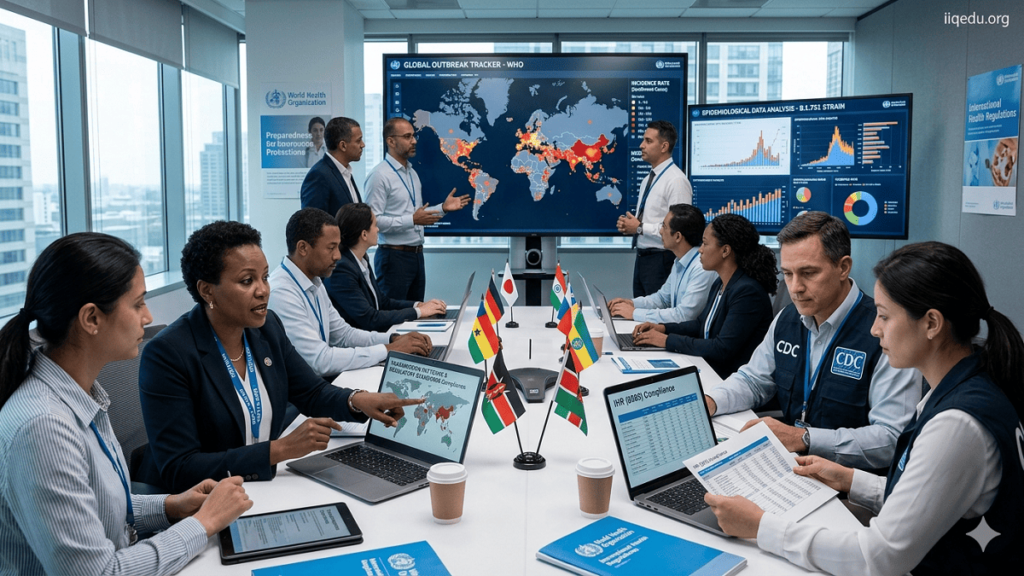
WHO Regulations, particularly the International Health Regulations (IHR, 2005), and broader global health frameworks are required for all stakeholders involved in public health, WHO Regulations & Global Health, disease prevention, and healthcare delivery worldwide. These regulations ensure that countries and organizations act responsibly to protect populations and manage health risks globally.
1. National Governments and Health Ministries
- Responsibility: Implement WHO regulations, report public health events, and maintain national health security.
- Purpose: Ensure timely detection, reporting, and management of outbreaks to prevent international spread.
2. Healthcare Providers and Facilities
- Responsibility: Follow WHO guidelines for disease prevention, vaccination, infection control, and emergency response.
- Purpose: Protect patients, staff, and communities while maintaining standardized care.
3. International Organizations and NGOs
- Responsibility: Align programs with WHO health standards and assist countries in implementing regulations.
- Purpose: Support global health initiatives, vaccination programs, emergency responses, and health equity projects.
4. Public Health Laboratories and Research Institutions
- Responsibility: Adhere to WHO safety standards, report findings, and share data on emerging pathogens.
- Purpose: Maintain scientific accuracy and global disease surveillance.
5. Travelers and the General Public
- Responsibility: Comply with WHO-recommended health measures, vaccinations, and travel advisories.
- Purpose: Reduce risk of disease transmission and protect public health at local and global levels.
6. Pharmaceutical and Medical Device Companies
- Responsibility: Follow WHO standards for the safety, efficacy, and accessibility of vaccines, medicines, and medical devices.
- Purpose: Ensure global health interventions meet safety and quality standards.
Summary
WHO regulations and global health frameworks are required for all entities that influence or are affected by public health, including governments, healthcare providers, laboratories, international organizations, the public, and industry. Their role is to ensure coordinated action, prevent the international spread of diseases, and protect populations worldwide.
#WHO Regulations & Global Health in Delhi
When is WHO Regulations & Global Health required?
WHO Regulations and global health frameworks are required whenever there is a risk to public health that could cross borders or affect populations on a national or international scale. They provide a structured approach to prevent, detect, and respond to health emergencies, ensuring global coordination and safety.
Key Situations Where WHO Regulations Are Required
- During Infectious Disease Outbreaks
- Required when diseases like COVID-19, Ebola, Zika, or influenza emerge.
- Ensures timely reporting, containment, and international coordination.
- For International Travel and Trade
- Required when travelers, goods, or animals may carry infectious agents.
- Includes vaccination requirements, quarantine guidelines, and border health measures.
- In Health Emergencies and Pandemics
- Required during natural disasters, epidemics, or chemical/biological hazards.
- Ensures coordinated emergency response, resource mobilization, and public communication.
- For Vaccination and Immunization Programs
- Required to align global immunization strategies and ensure equitable access.
- Supports eradication campaigns, such as polio or measles control programs.
- When Implementing Public Health Interventions
- Required for initiatives like sanitation programs, disease surveillance, and preventive health campaigns.
- Ensures interventions meet global standards and reduce health disparities.
- For Health System Strengthening and Compliance
- Required when nations are building healthcare capacity, laboratories, and surveillance infrastructure.
- Ensures alignment with international best practices and readiness for emergencies.
Summary
WHO regulations are required whenever a public health risk exists or health interventions need standardization and coordination. They are essential during outbreaks, pandemics, vaccination campaigns, travel monitoring, emergency responses, and health system development to protect populations and prevent the international spread of diseases.
#WHO Regulations & Global Health in Hyderabad
Where is WHO Regulations & Global Health required?
WHO regulations and global health frameworks are required across all geographic regions and sectors where public health, disease prevention, or healthcare delivery occurs. Their scope spans national, regional, and international levels to ensure coordinated action and protection of populations worldwide.
1. National Health Systems
- Where Applied: Hospitals, clinics, public health departments, laboratories.
- Purpose: To implement disease surveillance, reporting protocols, vaccination programs, and emergency response measures according to WHO standards.
2. International Borders and Points of Entry
- Where Applied: Airports, seaports, land crossings, and customs checkpoints.
- Purpose: To monitor travelers, enforce vaccination and quarantine requirements, and prevent the cross-border spread of infectious diseases.
3. Global Health Organizations and Agencies
- Where Applied: WHO offices, UN health initiatives, NGOs, and international research institutions.
- Purpose: To coordinate health interventions, share data, provide technical guidance, and implement global health programs.
4. Research and Laboratory Settings
- Where Applied: Public health labs, epidemiology research centers, and clinical trial sites.
- Purpose: To maintain biosafety standards, report outbreaks, and ensure accurate surveillance data for global decision-making.
5. Communities and Populations
- Where Applied: Schools, workplaces, community health programs, refugee camps, and rural/remote areas.
- Purpose: To implement vaccination campaigns, preventive measures, health education, and emergency interventions.
6. Pharmaceutical and Medical Supply Chains
- Where Applied: Vaccine manufacturers, medical device facilities, and distribution networks.
- Purpose: To ensure quality, safety, and accessibility of medicines, vaccines, and medical equipment globally.
Summary
WHO regulations and global health frameworks are required everywhere health risks exist or health interventions are implemented, including national healthcare systems, international borders, research facilities, communities, and supply chains. Their purpose is to maintain global health security, standardize responses, and prevent the spread of diseases across populations and borders.
#WHO Regulations & Global Health in Banglore
How is WHO Regulations & Global Health required?
WHO regulations and global health frameworks, such as the International Health Regulations (IHR, 2005), are required through structured, systematic processes that ensure public health safety, disease control, and coordinated international response. They are implemented at multiple levels—from national healthcare systems to global organizations—to maintain standards, compliance, and continuous improvement in public health.
1. Legal and Policy Frameworks
- Countries adopt WHO regulations through national legislation, health policies, and regulatory guidelines.
- Compliance ensures that public health decisions align with international standards for disease reporting, quarantine, and emergency preparedness.
2. Disease Surveillance and Reporting
- WHO regulations require continuous monitoring of public health events.
- Member states must report outbreaks, unusual health events, and potential public health emergencies within 24 hours.
- This enables rapid response and containment at both national and international levels.
3. Emergency Preparedness and Response
- WHO provides guidelines for outbreak management, emergency response, and disaster preparedness.
- Countries implement these guidelines through:
- Health system readiness assessments
- Stockpiling essential medicines and vaccines
- Coordinating emergency teams and resources
4. International Coordination and Communication
- WHO regulations facilitate information sharing and collaboration between countries, laboratories, and health organizations.
- This ensures synchronized action in controlling epidemics, pandemics, and cross-border health threats.
5. Capacity Building and Training
- WHO supports countries with technical guidance, training programs, and tools to implement regulations effectively.
- This includes:
- Strengthening laboratory networks
- Training health workers in outbreak detection and response
- Supporting digital surveillance and reporting systems
6. Compliance, Monitoring, and Evaluation
- WHO conducts assessments and audits to monitor how well member states adhere to regulations.
- Non-compliance is addressed through guidance, technical support, and international collaboration to improve adherence.
7. Continuous Improvement
- WHO regulations require iterative review of policies and practices based on emerging threats, scientific evidence, and lessons from past outbreaks.
- Continuous quality improvement ensures that global health governance remains effective and adaptable.
Summary
WHO regulations and global health frameworks are required through legal adoption, surveillance, emergency preparedness, international coordination, capacity building, and continuous monitoring. These measures ensure that countries and organizations can respond effectively to health threats, maintain safety standards, and protect populations worldwide.
#WHO Regulations & Global Health in Singapore
Case Study of WHO Regulations & Global Health
Background
The COVID-19 pandemic, declared a Public Health Emergency of International Concern (PHEIC) by the World Health Organization (WHO) in January 2020, tested the effectiveness of global health regulations. WHO regulations, particularly the International Health Regulations (IHR 2005), provided a framework for countries to detect, report, and respond to the pandemic in a coordinated manner.
Objectives
- Ensure timely detection and reporting of COVID-19 cases worldwide.
- Coordinate international response and resource allocation.
- Protect populations through standardized public health measures.
- Support countries in implementing WHO guidelines for containment, treatment, and vaccination.
Implementation of WHO Regulations
1. Disease Surveillance and Reporting
- Countries were required to report confirmed COVID-19 cases and deaths to WHO daily.
- Early sharing of epidemiological data enabled global monitoring and risk assessment.
2. Travel and Border Measures
- WHO provided recommendations on travel advisories, screening, quarantine, and testing requirements.
- Countries implemented these measures at airports, seaports, and land borders to prevent cross-border transmission.
3. Public Health Interventions
- Guidelines for social distancing, mask usage, testing protocols, and contact tracing were issued.
- Nations adapted these recommendations to their local contexts while maintaining international consistency.
4. Vaccine and Medical Supply Coordination
- WHO facilitated equitable distribution of vaccines through the COVAX initiative.
- Guidelines ensured vaccines met quality, safety, and efficacy standards globally.
5. Capacity Building and Technical Support
- WHO provided training for healthcare workers on case management, infection control, and laboratory testing.
- Low-resource countries received technical and logistical support to strengthen healthcare systems.
Outcomes
- Improved Global Surveillance
- Real-time reporting allowed WHO to track the pandemic and issue risk assessments and alerts.
- Enhanced Coordination
- International collaboration enabled sharing of medical equipment, PPE, and technical expertise.
- Standardized Public Health Measures
- Countries followed consistent protocols for containment, testing, and vaccination, reducing global confusion.
- Equitable Vaccine Access
- WHO regulations supported initiatives like COVAX, ensuring vaccines reached low- and middle-income countries.
- Capacity Strengthening
- Many countries improved laboratory networks, reporting systems, and emergency preparedness for future outbreaks.
Challenges
- Variability in compliance and reporting accuracy between countries.
- Limited healthcare infrastructure in some regions delayed implementation of WHO guidelines.
- Rapidly evolving scientific knowledge required constant updates to regulations and recommendations.
Lessons Learned
- Global Cooperation Is Essential: Health emergencies require transparent reporting and collaboration.
- Preparedness Saves Lives: Countries with stronger public health infrastructure responded faster.
- Flexibility Is Key: Regulations must be adaptable to emerging threats and local contexts.
- Equity Matters: Access to vaccines, medicines, and equipment is critical for global health security.
- Continuous Improvement: Pandemic experiences inform revisions of WHO regulations and global health policies.
Conclusion
The COVID-19 pandemic highlighted the critical role of WHO regulations and global health frameworks in managing international health emergencies. By enforcing timely reporting, standardized interventions, international coordination, and equitable access to resources, WHO regulations helped countries mitigate the impact of COVID-19. This case demonstrates the importance of global health governance and the need for ongoing investment in preparedness and compliance.
#WHO Regulations & Global Health in Ahemadnagar
White Paper of WHO Regulations & Global Health
Executive Summary
The World Health Organization (WHO) provides regulatory frameworks and global health standards to protect populations from disease, improve health system preparedness, and coordinate international responses to public health emergencies. This white paper explores WHO regulations, their implementation, challenges, and impact on global health, emphasizing the role of the International Health Regulations (IHR, 2005) in fostering health security, equity, and sustainable development.
1. Introduction
Globalization, increased international travel, and emerging infectious diseases make coordinated global health governance essential. WHO regulations guide countries to:
- Detect and report public health threats.
- Respond effectively to emergencies.
- Strengthen national health systems.
- Ensure equitable access to vaccines, medicines, and medical technologies.
2. Understanding WHO Regulations
WHO regulations are legal instruments, technical guidelines, and frameworks that establish standards for disease surveillance, outbreak reporting, and health interventions. The IHR (2005) is the cornerstone of these regulations, legally binding 196 countries to:
- Report events of international public health concern.
- Strengthen core public health capacities.
- Facilitate international cooperation and information sharing.
3. Key Components of WHO Regulations
3.1 Disease Surveillance and Reporting
- Continuous monitoring of outbreaks and unusual health events.
- Mandatory reporting to WHO within 24 hours of detection.
3.2 Emergency Preparedness and Response
- National and international plans for pandemics, epidemics, and health emergencies.
- Coordination of resources, laboratories, and emergency teams.
3.3 Travel and Border Health Measures
- Screening, quarantine, and vaccination requirements to prevent disease spread across borders.
3.4 Health System Strengthening
- Support for laboratories, digital health systems, and workforce training.
- Technical assistance for low-resource countries to meet WHO standards.
3.5 Vaccine, Medicine, and Medical Device Standards
- Guidance on quality, safety, efficacy, and accessibility.
- Coordination of global distribution programs like COVAX.
4. Implementation Strategies
- National Legislation & Policy Adoption: Countries integrate WHO regulations into national health laws.
- Capacity Building & Training: Enhance workforce skills and technical infrastructure.
- Technology & Data Systems: Implement digital surveillance and reporting platforms.
- International Coordination: Collaborative outbreak response and resource sharing.
- Monitoring & Continuous Improvement: Regular assessments, audits, and policy updates based on emerging threats.
5. Global Applications
- Pandemic Preparedness: COVID-19 response demonstrated the importance of rapid reporting and coordinated interventions.
- Disease Eradication Campaigns: Polio and measles vaccination initiatives follow WHO regulations to ensure global compliance.
- Health Emergencies: Ebola outbreaks in Africa highlighted the need for standardized emergency response protocols.
- Public Health Equity Programs: WHO regulations guide equitable access to medicines and vaccines in low-resource regions.
6. Challenges in Implementation
- Uneven compliance between countries due to limited resources or political constraints.
- Variability in reporting quality and timeliness.
- Rapidly evolving diseases require frequent updates to guidelines.
- Infrastructure gaps in low-income countries limit effective response.
7. Benefits of WHO Regulations
- Global Health Security: Reduces cross-border disease transmission.
- Standardized Public Health Practices: Ensures consistency in outbreak response.
- Equitable Health Access: Supports vulnerable populations in low-resource settings.
- Strengthened National Systems: Improves laboratories, reporting, and emergency preparedness.
- International Collaboration: Promotes data sharing, technical support, and coordinated interventions.
8. Case Example
The COVID-19 pandemic illustrated the critical role of WHO regulations in global surveillance, reporting, and coordinated response. Initiatives like COVAX ensured vaccine distribution to low- and middle-income countries, while the IHR framework enabled real-time tracking of cases worldwide.
9. Recommendations
- Strengthen compliance and reporting mechanisms in all countries.
- Invest in health system infrastructure and workforce training.
- Enhance digital surveillance and data-sharing capabilities.
- Foster international collaboration for equitable resource allocation.
- Continuously review and update regulations based on emerging health threats.
10. Conclusion
WHO regulations are essential for maintaining global health security, equitable access to healthcare, and effective disease control. Implementation requires coordinated national and international efforts, investment in health systems, and adherence to evidence-based standards. Strengthening compliance with these regulations ensures a safer, healthier world capable of responding to future health emergencies.
#WHO Regulations & Global Health in India
Industry App;ication of WHO Regulations & Global Health
WHO regulations and global health frameworks are widely applied across industries that intersect with healthcare, public health, research, and international trade. Their purpose is to ensure disease prevention, patient safety, regulatory compliance, and global health security across sectors.
1. Healthcare Providers and Hospitals
- Application: Implementation of WHO guidelines for infection control, disease surveillance, vaccination programs, and emergency preparedness.
- Impact: Enhances patient safety, standardizes clinical protocols, and strengthens health system readiness.
2. Public Health Agencies and Governments
- Application: Enforcement of International Health Regulations (IHR) through national legislation, outbreak reporting, and emergency response planning.
- Impact: Promotes coordinated national and international responses, strengthens disease control, and improves public health outcomes.
3. Pharmaceutical and Medical Device Industry
- Application: Compliance with WHO standards for drug safety, vaccine efficacy, and medical device quality.
- Impact: Ensures global supply chain reliability, maintains regulatory compliance, and supports equitable access to essential medicines and vaccines.
4. Research and Laboratory Organizations
- Application: Adherence to biosafety standards, outbreak data reporting, and ethical research protocols.
- Impact: Ensures accurate data collection, safe handling of pathogens, and reliable contribution to global health knowledge.
5. Travel, Aviation, and Border Control Industries
- Application: Implementation of WHO-recommended screening, quarantine, and vaccination measures at airports, seaports, and border crossings.
- Impact: Reduces international disease spread and protects travelers and local populations.
6. International NGOs and Health Organizations
- Application: Alignment of health programs with WHO regulations in vaccination campaigns, emergency response, and health education initiatives.
- Impact: Ensures program consistency, supports low-resource regions, and facilitates collaboration between countries.
7. Technology and Digital Health Companies
- Application: Development of digital disease surveillance systems, telemedicine platforms, and health data reporting tools compliant with WHO guidelines.
- Impact: Enhances real-time monitoring, improves global health reporting, and supports effective decision-making during outbreaks.
Summary
WHO regulations and global health frameworks are applied across healthcare, pharmaceuticals, research, travel, NGOs, and technology industries. Their implementation ensures:
- Global disease prevention and control
- Standardized health practices
- Regulatory compliance and patient safety
- Equitable access to medicines and vaccines
- Enhanced coordination between nations and industries
By integrating WHO regulations, industries contribute to resilient, safe, and effective global health systems capable of responding to pandemics, epidemics, and other public health threats.
#WHO Regulations & Global Health in Mumbai
Ask FAQs
What are WHO Regulations?
WHO regulations are legal frameworks, guidelines, and standards designed to protect global public health. The most important is the International Health Regulations (IHR, 2005), which require countries to detect, report, and respond to public health threats that could spread internationally.
Why are WHO Regulations important for global health?
They ensure timely disease detection, coordinated responses, and standardized interventions across countries. This reduces the spread of infectious diseases, strengthens health systems, and promotes equitable access to healthcare resources.
Who must comply with WHO Regulations?
Compliance is required for national governments, healthcare providers, public health agencies, laboratories, pharmaceutical companies, NGOs, and international organizations. Even travelers and the general public are expected to follow relevant guidelines, such as vaccination requirements and quarantine measures.
When are WHO Regulations applied?
They are applied during disease outbreaks, pandemics, public health emergencies, vaccination campaigns, international travel, and health system strengthening initiatives. Regulations guide both proactive prevention and reactive emergency responses.
How are WHO Regulations implemented?
Implementation occurs through national legislation, surveillance systems, emergency preparedness plans, capacity building, international coordination, and continuous monitoring and evaluation. WHO also provides technical support and guidance to help countries comply effectively.
Source: CrashCourse
Table of Contents
Disclaimer:
This content is for informational purposes only and does not constitute legal, medical, or professional advice. Compliance with WHO regulations and global health guidelines may vary by country and context. Decisions should be made in consultation with qualified professionals and official authorities.