Energy & Utility Quality (ISO 50001)
1. Introduction
Energy and utility sectors play a critical role in supporting industrial, commercial, and residential activities. Ensuring quality in this sector is not only about reliable supply but also about efficient Energy & Utility Quality (ISO 50001) usage, sustainability, and regulatory compliance. The international standard ISO 50001 provides a structured framework for organizations to manage and improve their Energy & Utility Quality (ISO 50001) performance systematically.
2. What is ISO 50001?
ISO 50001 is an international standard for Energy Management Systems (EnMS). It helps organizations:
- Improve energy efficiency
- Reduce energy consumption
- Lower operational costs
- Minimize environmental impact
It is applicable to all types of organizations, regardless of size, industry, or geographical location.
3. Importance in Energy & Utility Quality
In the energy and utility sector, quality is defined by:
- Reliable energy supply
- Efficient energy utilization
- Sustainability and environmental responsibility
- Compliance with regulations
ISO 50001 ensures that these quality aspects are achieved through a systematic and measurable approach.
4. Key Principles of ISO 50001
a. Energy Policy
Organizations must establish a clear energy policy that reflects their commitment to efficiency and continuous improvement.
b. Energy Planning
- Identify significant energy uses
- Analyze energy consumption patterns
- Set measurable energy performance indicators (EnPIs)
c. Implementation and Operation
- Establish processes and controls to manage energy use
- Train employees on energy efficiency practices
- Integrate energy management into daily operations
d. Monitoring and Measurement
- Track energy performance regularly
- Use data to identify inefficiencies
- Ensure transparency and accountability
e. Continuous Improvement
Organizations continuously improve energy performance through audits, reviews, and corrective actions.
5. Applications in Energy & Utility Sector
ISO 50001 is widely applied in:
- Power generation plants (thermal, renewable, nuclear)
- Electricity distribution companies
- Water and gas utilities
- Industrial energy-intensive operations
It helps these organizations optimize Energy & Utility Quality (ISO 50001) usage while maintaining consistent service quality.
6. Benefits of ISO 50001
- Reduced energy costs and waste
- Improved operational efficiency
- Enhanced environmental sustainability
- Better compliance with legal and regulatory requirements
- Increased organizational credibility and reputation
7. Challenges in Implementation
- High initial investment for system setup
- Need for accurate data collection and monitoring
- Employee resistance to new processes
- Continuous effort required for improvement
8. Conclusion
Energy & Utility Quality, supported by ISO 50001, ensures that organizations not only deliver reliable energy services but also operate efficiently and sustainably. By adopting this standard, companies can enhance performance, reduce environmental impact, and achieve long-term operational excellence in the Energy & Utility Quality (ISO 50001) sector.
What is Energy & Utility Quality (ISO 50001)?
Energy & Utility Quality (ISO 50001) refers to the systematic approach of managing and improving energy performance in organizations using the international standard ISO 50001.
Definition
It is the practice of ensuring efficient, reliable, and sustainable use of Energy & Utility Quality (ISO 50001) in industries and utilities (such as electricity, gas, and water) by implementing an Energy Management System (EnMS) based on ISO 50001.
Explanation
Under ISO 50001, organizations:
- Monitor and analyze energy consumption
- Identify areas of energy waste
- Implement measures to improve energy efficiency
- Continuously improve energy performance
This standard helps integrate energy management into everyday business operations, making energy use more controlled and optimized.
Key Focus Areas
- Energy Efficiency: Reducing unnecessary energy consumption
- Cost Reduction: Lowering energy expenses
- Sustainability: Minimizing environmental impact
- Compliance: Meeting legal and regulatory requirements
In Simple Terms
Energy & Utility Quality (ISO 50001) means using Energy & Utility Quality (ISO 50001) in the most efficient, cost-effective, and environmentally responsible way while maintaining high-quality utility services.
Conclusion
Energy & Utility Quality based on ISO 50001 ensures that organizations not only supply and use Energy & Utility Quality (ISO 50001) reliably but also continuously improve efficiency and sustainability through a structured and internationally recognized framework.
#Energy & Utility Quality (ISO 50001) in Jaipur
Who is Energy & Utility Quality (ISO 50001) required?
Energy & Utility Quality based on ISO 50001 is required by a wide range of organizations that consume, manage, or supply energy. It is not limited to a single sector.
1. Energy-Intensive Industries
Organizations with high energy consumption require ISO 50001 to control costs and improve efficiency:
- Manufacturing plants
- Steel, cement, and chemical industries
- Oil and gas companies
These industries benefit the most from structured energy management.
2. Utility Companies
Organizations that provide energy and utilities:
- Electricity generation and distribution companies
- Water supply and treatment plants
- Gas distribution companies
They use ISO 50001 to ensure reliable and efficient service delivery.
3. Commercial Buildings and Facilities
Large facilities with significant energy usage require this standard:
- Shopping malls
- Hospitals
- Hotels
- Office complexes
It helps reduce operational costs and improve sustainability.
4. Government and Public Sector Organizations
Public institutions adopt ISO 50001 to:
- Promote energy efficiency
- Reduce public expenditure
- Meet environmental and sustainability goals
5. Small and Medium Enterprises (SMEs)
Even smaller organizations can implement ISO 50001 to:
- Optimize energy use
- Reduce costs
- Improve competitiveness
6. Organizations Focused on Sustainability
Companies aiming to reduce carbon footprint and meet environmental targets:
- Renewable energy companies
- Environmentally responsible businesses
- Organizations with ESG (Environmental, Social, Governance) goals
7. Multinational Corporations
Large global companies adopt ISO 50001 to:
- Standardize energy practices across locations
- Meet international compliance requirements
- Enhance corporate reputation
Conclusion
Energy & Utility Quality based on ISO 50001 is required by any organization that uses or manages energy and aims to improve efficiency, reduce costs, and ensure sustainability. It is especially important for energy-intensive industries, utility providers, large facilities, and organizations committed to environmental responsibility.
#Energy & Utility Quality (ISO 50001) in Patna
When is Energy & Utility Quality (ISO 50001) required?
Energy & Utility Quality based on ISO 50001 is required at various stages and situations where organizations need to manage, control, and improve their energy usage effectively.
1. When Energy Consumption is High
Organizations require ISO 50001 when:
- Energy costs are significantly impacting operations
- There is excessive or uncontrolled energy usage
- Energy efficiency needs improvement
This is common in industries like manufacturing, utilities, and large facilities.
2. When Organizations Aim to Reduce Costs
ISO 50001 is required when companies want to:
- Lower energy bills
- Improve operational efficiency
- Reduce waste in energy consumption
It helps identify inefficiencies and implement cost-saving measures.
3. When Compliance with Regulations is Needed
Organizations must implement energy quality systems when:
- Government regulations demand energy efficiency
- Environmental laws require reduced emissions
- Compliance audits are necessary
ISO 50001 supports meeting legal and regulatory requirements.
4. When Sustainability Goals are Set
It is required when organizations:
- Aim to reduce carbon footprint
- Commit to environmental responsibility
- Follow sustainability or ESG initiatives
This is increasingly important in modern business environments.
5. During Expansion or Infrastructure Development
ISO 50001 becomes important when:
- New plants, buildings, or facilities are developed
- Existing systems are upgraded or modernized
- Energy systems are redesigned
It ensures efficient energy planning from the beginning.
6. When Improving Operational Performance
Organizations adopt it when they want to:
- Enhance overall performance
- Integrate energy management into daily operations
- Use data-driven decision-making
7. During Continuous Improvement Initiatives
ISO 50001 is required as part of:
- Ongoing quality improvement programs
- Internal audits and performance reviews
- Long-term strategic planning
Conclusion
Energy & Utility Quality based on ISO 50001 is required whenever organizations need to control energy usage, reduce costs, comply with regulations, and improve sustainability. It is especially important during high energy consumption, regulatory compliance, expansion, and continuous improvement efforts.
#Energy & Utility Quality (ISO 50001) in Kolkata
Where is Energy & Utility Quality (ISO 50001) required?
Energy & Utility Quality based on ISO 50001 is required in all locations and environments where energy is generated, distributed, or consumed. It applies across industries, facilities, and operational systems.
1. In Industrial and Manufacturing Facilities
ISO 50001 is required in:
- Factories and production plants
- Heavy industries such as steel, cement, and chemicals
- Processing units with high energy consumption
These locations use large amounts of energy and need efficient management systems.
2. In Energy and Utility Companies
It is essential in organizations that supply energy and utilities:
- Power generation plants (thermal, hydro, renewable)
- Electricity transmission and distribution networks
- Water treatment and supply systems
- Gas distribution facilities
Here, it ensures reliable and efficient service delivery.
3. In Commercial Buildings and Complexes
ISO 50001 is required in:
- Office buildings and corporate campuses
- Shopping malls and retail centers
- Hotels and hospitality facilities
- Hospitals and healthcare institutions
These places consume significant energy and benefit from structured energy management.
4. In Government and Public Infrastructure
It is applied in:
- Government offices and public buildings
- Municipal infrastructure (street lighting, water systems)
- Transportation systems (airports, railways)
This helps reduce public energy costs and improve sustainability.
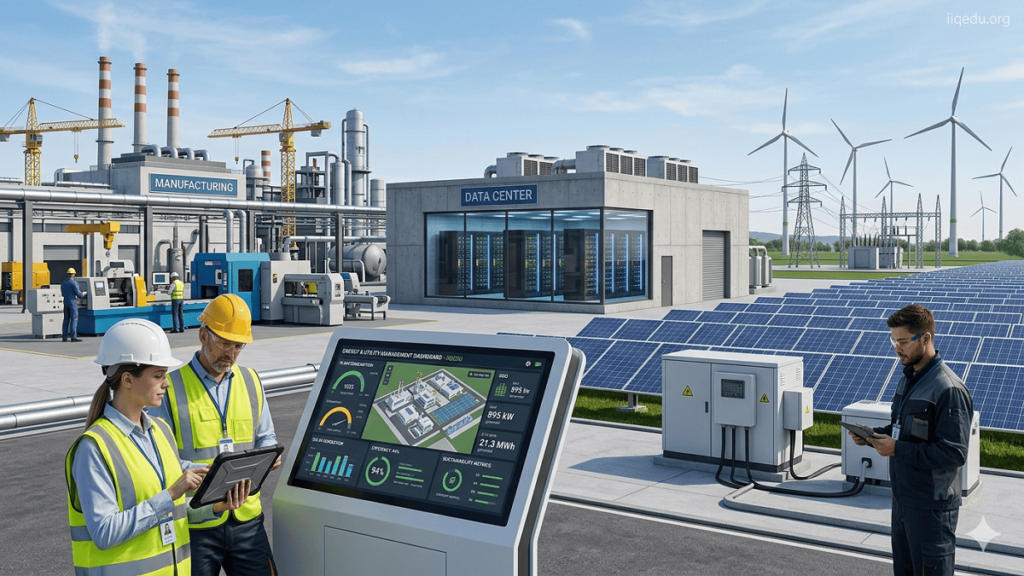
5. In Data Centers and IT Infrastructure
ISO 50001 is required in:
- Data centers
- Server farms
- IT infrastructure facilities
These environments require continuous power and efficient energy use.
6. In Supply Chain and Supporting Operations
It is also required across:
- Warehouses and logistics centers
- Supplier facilities
- Distribution hubs
Energy efficiency across the supply chain improves overall performance.
7. In Renewable Energy Installations
ISO 50001 is applied in:
- Solar power plants
- Wind energy farms
- Other renewable energy systems
It ensures optimized energy generation and usage.
Conclusion
Energy & Utility Quality based on ISO 50001 is required wherever energy is used, managed, or supplied—from industrial plants and utilities to commercial buildings, public infrastructure, and IT systems. It ensures efficient, reliable, and sustainable energy management across all operational environments.
#Energy & Utility Quality (ISO 50001) in Hyderabad

How is Energy & Utility Quality (ISO 50001) required?
Energy & Utility Quality based on ISO 50001 is required through the structured implementation of an Energy Management System (EnMS). It involves a systematic process of planning, controlling, monitoring, and continuously improving energy performance within an organization.
1. By Establishing an Energy Management System (EnMS)
Organizations implement ISO 50001 by:
- Defining an energy policy
- Setting clear energy objectives and targets
- Integrating energy management into business processes
This forms the foundation for managing energy systematically.
2. Through Energy Planning
A detailed energy review is conducted to:
- Analyze current energy consumption
- Identify significant energy uses (SEUs)
- Detect inefficiencies and energy-saving opportunities
This helps in making informed decisions.
3. By Setting Energy Performance Indicators (EnPIs)
Organizations establish measurable indicators to:
- Track energy usage
- Compare performance over time
- Evaluate improvements
These metrics ensure data-driven energy management.
4. Through Process Control and Optimization
ISO 50001 requires organizations to:
- Implement operational controls for energy use
- Optimize equipment and systems
- Improve maintenance practices
This ensures efficient and consistent energy usage.
5. By Training and Awareness
Employees are trained to:
- Understand energy policies and goals
- Follow energy-efficient practices
- Contribute to continuous improvement
Human involvement is essential for successful implementation.
6. Through Monitoring and Measurement
Organizations continuously:
- Monitor energy consumption
- Measure performance against targets
- Use data to identify deviations
This ensures transparency and control.
7. By Conducting Internal Audits and Reviews
Regular audits are carried out to:
- Check compliance with ISO 50001 requirements
- Identify gaps and inefficiencies
- Implement corrective actions
Management reviews ensure alignment with organizational goals.
8. Through Continuous Improvement (PDCA Cycle)
ISO 50001 follows the Plan-Do-Check-Act (PDCA) approach:
- Plan: Set objectives and processes
- Do: Implement processes
- Check: Monitor and measure results
- Act: Improve performance
This cycle ensures ongoing enhancement of energy performance.
Conclusion
Energy & Utility Quality based on ISO 50001 is required through a systematic and continuous approach involving planning, implementation, monitoring, and improvement. By adopting this structured framework, organizations can achieve efficient, cost-effective, and sustainable energy management.
#Energy & Utility Quality (ISO 50001) in Ahemdabad
Case Study of Energy & Utility Quality (ISO 50001)
1. Introduction
Energy-intensive industries face increasing pressure to reduce costs, improve efficiency, and meet environmental regulations. This case study examines how an organization implemented ISO 50001 to enhance energy and utility quality, resulting in measurable improvements in performance and sustainability.
2. Background of the Case
A large manufacturing company operating multiple production plants experienced:
- High and rising energy costs
- Inefficient energy usage across departments
- Lack of real-time monitoring systems
- Increasing pressure to reduce carbon emissions
The company decided to adopt ISO 50001 to establish a structured Energy Management System (EnMS).
3. Objectives
The organization aimed to:
- Reduce overall energy consumption
- Improve operational efficiency
- Ensure compliance with environmental regulations
- Enhance sustainability performance
4. Implementation Process
a. Energy Review and Baseline Establishment
- Conducted a detailed energy audit
- Identified significant energy uses (SEUs) such as machinery and HVAC systems
- Established an energy baseline for comparison
b. Setting Energy Performance Indicators (EnPIs)
- Defined measurable indicators such as energy consumption per unit of production
- Set realistic targets for reduction
c. Process Optimization
- Upgraded inefficient equipment
- Improved maintenance schedules
- Optimized production processes to reduce energy waste
d. Monitoring and Data Management
- Installed energy monitoring systems
- Tracked real-time energy usage
- Analyzed data for performance improvement
e. Employee Training and Awareness
- Conducted training programs on energy efficiency
- Encouraged employee participation in energy-saving initiatives
f. Internal Audits and Continuous Improvement
- Performed regular audits
- Identified gaps and implemented corrective actions
- Followed the Plan-Do-Check-Act (PDCA) cycle
5. Challenges Faced
- Initial investment in technology and systems
- Resistance to change from employees
- Difficulty in collecting accurate data across multiple locations
- Need for continuous monitoring and commitment
6. Results and Outcomes
After implementing ISO 50001, the organization achieved:
- 15–20% reduction in energy consumption
- Significant cost savings in energy bills
- Improved operational efficiency
- Reduced carbon emissions
- Enhanced compliance with environmental standards
7. Key Learnings
- Structured energy management leads to measurable improvements
- Data-driven decision-making is essential
- Employee involvement plays a crucial role
- Continuous improvement ensures long-term success
8. Conclusion
This case study demonstrates that implementing Energy & Utility Quality through ISO 50001 enables organizations to optimize energy use, reduce costs, and improve sustainability. It highlights the importance of a systematic approach, continuous monitoring, and organizational commitment in achieving energy excellence.
#Energy & Utility Quality (ISO 50001) in Banglore
White paper of Energy & Utility Quality (ISO 50001)
Abstract
In today’s energy-intensive and environmentally conscious world, organizations must adopt structured approaches to manage energy effectively. This white paper explores Energy & Utility Quality through the framework of ISO 50001, highlighting its role in improving energy performance, reducing costs, ensuring compliance, and supporting sustainability goals. It provides a comprehensive overview of implementation strategies, benefits, challenges, and future trends.
1. Introduction
Energy is a critical resource for all industries, and inefficient usage leads to increased costs and environmental impact. Energy & Utility Quality focuses on ensuring reliable, efficient, and sustainable energy use. The international standard ISO 50001 provides a globally recognized framework for establishing an Energy Management System (EnMS) to achieve these objectives.
2. Understanding Energy & Utility Quality
Energy & Utility Quality refers to the effective management of energy resources to ensure:
- Optimal energy consumption
- Consistent utility performance
- Compliance with regulations
- Environmental sustainability
Through ISO 50001, organizations integrate energy management into their overall business strategy.
3. Key Drivers
a. Rising Energy Costs
Organizations face increasing energy expenses, making efficiency a strategic priority.
b. Regulatory Requirements
Governments and regulatory bodies enforce energy efficiency and emission reduction standards.
c. Environmental Sustainability
Global emphasis on reducing carbon footprint drives adoption of structured energy management.
d. Operational Efficiency
Efficient energy use directly improves productivity and profitability.
4. ISO 50001 Framework
The ISO 50001 framework is based on the Plan-Do-Check-Act (PDCA) cycle:
Plan
- Establish energy policy
- Conduct energy review
- Define objectives and targets
Do
- Implement energy management processes
- Allocate resources and responsibilities
- Train employees
Check
- Monitor and measure energy performance
- Conduct internal audits
Act
- Take corrective actions
- Continuously improve energy performance
5. Implementation Strategy
a. Leadership Commitment
Top management must support and prioritize energy management initiatives.
b. Energy Data Management
Accurate data collection and analysis are essential for informed decision-making.
c. Technology Integration
Use of smart meters, IoT, and automation improves monitoring and control.
d. Employee Engagement
Training and awareness programs ensure participation at all levels.
6. Applications Across Industries
- Manufacturing: Reducing energy consumption in production processes
- Utilities: Improving efficiency in energy generation and distribution
- Commercial Buildings: Optimizing HVAC and lighting systems
- IT/Data Centers: Managing power usage for continuous operations
7. Benefits
- Reduced energy consumption and operational costs
- Improved environmental performance
- Enhanced compliance with regulations
- Increased organizational credibility
- Better risk management and decision-making
8. Challenges
- High initial investment
- Complexity in implementation
- Resistance to organizational change
- Need for continuous monitoring and improvement
9. Future Trends
- Integration of artificial intelligence for energy optimization
- Real-time energy monitoring using IoT
- Increased focus on renewable energy integration
- Data-driven sustainability strategies
10. Conclusion
Energy & Utility Quality, enabled by ISO 50001, is essential for organizations aiming to achieve efficiency, sustainability, and competitive advantage. By adopting a structured and continuous improvement approach, organizations can optimize energy use, reduce environmental impact, and enhance overall performance.
#Energy & Utility Quality (ISO 50001) in India
Industry Application of Energy & Utility Quality (ISO 50001)
1. Introduction
Energy & Utility Quality, guided by ISO 50001, is applied across industries to ensure efficient energy use, cost optimization, regulatory compliance, and environmental sustainability. Each industry adapts the standard based on its energy consumption patterns and operational needs.
2. Applications Across Key Industries
a. Manufacturing Industry
Manufacturing is one of the most energy-intensive sectors.
Applications include:
- Monitoring energy consumption in production lines
- Optimizing machinery and equipment efficiency
- Reducing energy waste through process improvements
- Implementing predictive maintenance systems
Outcome: Lower energy costs, improved productivity, and reduced environmental impact.
b. Power Generation and Utilities
Energy providers apply ISO 50001 to enhance service reliability and efficiency.
Applications include:
- Optimizing power generation processes
- Reducing transmission and distribution losses
- Improving fuel efficiency in thermal plants
- Managing renewable energy integration
Outcome: Reliable energy supply and improved operational efficiency.
c. Commercial Buildings and Facilities
Large buildings consume significant energy for operations.
Applications include:
- Efficient HVAC (heating, ventilation, and air conditioning) systems
- Smart lighting and energy control systems
- Energy monitoring and automation
- Building energy audits
Outcome: Reduced operational costs and improved sustainability.
d. Oil and Gas Industry
Energy management is critical in exploration, refining, and distribution.
Applications include:
- Optimizing drilling and refining processes
- Reducing energy losses in pipelines
- Monitoring fuel consumption
- Improving equipment efficiency
Outcome: Enhanced efficiency, cost savings, and reduced emissions.
e. Information Technology and Data Centers
Data centers require continuous power supply.
Applications include:
- Managing server energy consumption
- Cooling system optimization
- Real-time energy monitoring
- Use of energy-efficient hardware
Outcome: Reduced power usage and improved system reliability.
f. Transportation and Logistics
Energy efficiency is essential in transport operations.
Applications include:
- Fuel consumption monitoring
- Route optimization for reduced energy use
- Energy-efficient fleet management
- Adoption of alternative energy vehicles
Outcome: Lower fuel costs and reduced environmental impact.
g. Healthcare Industry
Hospitals operate 24/7 and require reliable energy.
Applications include:
- Managing energy use in medical equipment
- Optimizing lighting and HVAC systems
- Ensuring backup power efficiency
- Monitoring energy usage in facilities
Outcome: Reliable operations with reduced energy costs.
h. Public Sector and Infrastructure
Governments use ISO 50001 to improve energy efficiency.
Applications include:
- Energy management in public buildings
- Efficient street lighting systems
- Water and wastewater management
- Smart city energy solutions
Outcome: Reduced public expenditure and improved sustainability.
3. Cross-Industry Benefits
Applying Energy & Utility Quality through ISO 50001 leads to:
- Improved energy efficiency
- Reduced operational costs
- Enhanced environmental performance
- Better compliance with regulations
- Increased organizational credibility
4. Conclusion
Energy & Utility Quality (ISO 50001) is widely applied across industries to optimize energy use and ensure sustainable operations. By tailoring energy management practices to industry-specific needs, organizations can achieve efficiency, reliability, and long-term competitive advantage.
#Energy & Utility Quality (ISO 50001) in Mumbai
Ask FAQs
What is Energy & Utility Quality (ISO 50001)?
Energy & Utility Quality (ISO 50001) is a structured approach to managing and improving energy performance using the international standard ISO 50001. It helps organizations reduce energy consumption, lower costs, and improve sustainability.
Who should implement ISO 50001?
Any organization that uses significant energy—such as manufacturing industries, utility companies, commercial buildings, and data centers—can implement ISO 50001 to improve energy efficiency and operational performance.
What are the main benefits of ISO 50001?
Key benefits include reduced energy costs, improved efficiency, lower environmental impact, better regulatory compliance, and enhanced organizational reputation.
How does ISO 50001 improve energy performance?
It improves energy performance by establishing an Energy Management System (EnMS), setting measurable targets, monitoring energy usage, and continuously improving processes using data-driven decisions.
Is ISO 50001 mandatory?
ISO 50001 is generally not mandatory, but some countries or industries may require energy management compliance. Many organizations adopt it voluntarily to gain efficiency, cost savings, and sustainability benefits.
Source: Standards Explained
Table of Contents
Disclaimer:
The information provided on Energy & Utility Quality (ISO 50001) is for educational and informational purposes only. It does not constitute professional or regulatory advice. Organizations should consult relevant standards, authorities, and experts before implementing an energy management system.