Quality in Construction & Infrastructure
Quality in construction and infrastructure is a critical component that directly influences the safety, durability, efficiency, and sustainability of built environments. In this context, Quality in Construction & Infrastructure encompasses not only the final output of a project but also the processes, materials, workforce, and management practices that contribute to achieving the desired standards. Ensuring high-quality construction and infrastructure requires a systematic approach that integrates planning, design, execution, monitoring, and evaluation.
1. Definition and Importance of Quality
In construction and infrastructure, Quality in Construction & Infrastructure refers to the degree to which a project meets or exceeds predefined standards, specifications, and client expectations. High-quality construction ensures structural integrity, safety, functionality, and aesthetic appeal, while poor quality can lead to structural failures, increased maintenance costs, and safety hazards. The importance of quality can be summarized in several key points:
- Safety: Ensures that structures can withstand intended loads and environmental conditions, preventing accidents or catastrophic failures.
- Durability and Longevity: High-Quality in Construction & Infrastructure materials and workmanship extend the life span of infrastructure, reducing repair and replacement costs.
- Cost Efficiency: Although maintaining high standards may increase upfront costs, it minimizes long-term expenditures related to defects, rework, and legal liabilities.
- Reputation and Compliance: Adherence to Quality in Construction & Infrastructure standards enhances the reputation of construction firms and ensures compliance with regulatory and contractual requirements.
2. Components of Quality in Construction
Quality in construction is multi-dimensional and can be analyzed through several components:
- Material Quality: Use of certified, durable, and appropriate materials is essential. Substandard materials compromise the structural and functional performance of a project.
- Workmanship: Skilled labor and proper techniques are crucial to translating design specifications into reliable and safe structures.
- Design Quality: Engineering and architectural designs must account for safety, usability, environmental impact, and compliance with codes and standards.
- Project Management: Effective planning, scheduling, resource allocation, and supervision ensure that construction activities meet time, budget, and Quality in Construction & Infrastructure objectives.
- Inspection and Testing: Regular monitoring, Quality in Construction & Infrastructure audits, and testing of materials and workmanship are vital to identify defects and maintain compliance with standards.
3. Quality Standards and Frameworks
Several international and national standards guide Quality in Construction & Infrastructure assurance in construction, including ISO 9001 for quality management systems and specific construction codes such as ASTM, ACI, and local building regulations. Implementing these standards involves:
- Quality Assurance (QA): A proactive approach focusing on preventing defects through systematic processes, documentation, and staff training.
- Quality Control (QC): Reactive and ongoing inspection of materials, processes, and outputs to ensure compliance with specifications.
- Total Quality Management (TQM): A holistic management philosophy emphasizing continuous improvement, stakeholder satisfaction, and integration of Quality in Construction & Infrastructure into every stage of a project.
4. Challenges in Maintaining Quality
Despite its importance, maintaining high-Quality in Construction & Infrastructure standards in construction faces several challenges:
- Resource Constraints: Limited budget, time pressure, and lack of skilled labor can compromise quality.
- Project Complexity: Large-scale infrastructure projects involve multiple stakeholders, contractors, and complex technical requirements, increasing the risk of errors.
- Regulatory Compliance: Adhering to evolving codes and standards requires continuous monitoring and adaptation.
- Corruption and Mismanagement: Practices such as procurement fraud or shortcuts in construction can severely affect quality.
5. Strategies for Improving Quality
To ensure Quality in Construction & Infrastructure in construction and infrastructure, organizations can implement multiple strategies:
- Training and Capacity Building: Continuous education and skill development for engineers, architects, and construction workers.
- Advanced Technology Integration: Use of Building Information Modeling (BIM), automated Quality in Construction & Infrastructure monitoring systems, drones for inspection, and sensor-based monitoring enhances precision and reduces human error.
- Rigorous Procurement Processes: Ensuring materials are sourced from certified suppliers and meet international standards.
- Regular Audits and Inspections: Systematic Quality in Construction & Infrastructure audits throughout the project lifecycle to detect and correct deviations promptly.
- Stakeholder Engagement: Close coordination between clients, contractors, consultants, and regulatory authorities ensures adherence to expectations and standards.
Conclusion
Quality in Construction & Infrastructure in construction and infrastructure is fundamental to the safety, functionality, and sustainability of built environments. It is not merely a measure of the final product but a reflection of the processes, materials, management practices, and ethical standards applied throughout the project lifecycle. By integrating robust quality management systems, adhering to standards, leveraging technology, and promoting skilled workmanship, the construction industry can deliver infrastructure that is safe, durable, efficient, and sustainable, ultimately contributing to economic development and societal well-being.
#Quality in Construction & Infrastructure in Patna
What is Quality in Construction & Infrastructure?
Quality in Construction & Infrastructure refers to the degree to which a project, its components, and processes meet the specified requirements, standards, and expectations. It is a comprehensive concept that goes beyond the final appearance of a structure and encompasses the materials used, design accuracy, construction practices, project management, and ongoing maintenance. In essence, quality ensures that the infrastructure is safe, durable, efficient, and fit for its intended purpose.
Key Aspects of Quality in Construction and Infrastructure
- Material Quality:
The use of high-grade, durable, and certified materials is fundamental. Substandard materials can compromise structural integrity and increase maintenance costs over time. - Workmanship:
Skilled labor and proper construction techniques ensure that design specifications are accurately translated into reality. Poor workmanship can result in defects, structural failures, and reduced service life. - Design Accuracy:
Engineering and architectural designs must adhere to safety codes, functional requirements, and environmental considerations. A well-planned design is the foundation of quality infrastructure. - Project Management:
Effective planning, supervision, resource allocation, and scheduling ensure that construction activities meet timelines, budget constraints, and quality standards. - Compliance and Standards:
Adherence to regulatory codes, international standards such as ISO 9001, and local building regulations ensures that construction is safe, reliable, and legally compliant. - Inspection and Testing:
Continuous monitoring, quality audits, and testing of materials and processes are critical for identifying defects early and ensuring that standards are maintained throughout the construction lifecycle.
Importance of Quality in Construction and Infrastructure
- Safety: Prevents structural failures and protects lives.
- Durability: Extends the lifespan of buildings, roads, bridges, and other infrastructure.
- Cost Efficiency: Reduces the need for repairs, rework, or replacement, saving long-term costs.
- Sustainability: Ensures infrastructure meets environmental standards and performs efficiently over time.
- Stakeholder Confidence: High-quality projects build trust with clients, investors, and the community.
In summary, quality in construction and infrastructure is not a single attribute but a holistic combination of materials, design, execution, management, and compliance. Achieving high quality requires systematic planning, skilled execution, continuous monitoring, and adherence to established standards. It is essential for creating infrastructure that is safe, durable, functional, and economically viable.
#Quality in Construction & Infrastructure in Ahemdabad

Who is Quality in Construction & Infrastructure required?
Quality in construction and infrastructure is not optional; it is essential for ensuring that structures and facilities are safe, durable, functional, and cost-effective. The need for quality arises from multiple technical, economic, environmental, and social considerations, and it impacts all stakeholders—from project owners to end-users and the community at large.
1. Ensuring Safety and Structural Integrity
The foremost reason for maintaining quality in construction is safety. Buildings, bridges, roads, and other infrastructure must withstand operational loads, environmental stresses, and natural hazards such as earthquakes, floods, or storms. Poor quality materials, substandard workmanship, or design errors can lead to structural failures, accidents, and loss of life. Quality control ensures that structures comply with engineering standards and safety codes, minimizing the risk of catastrophic failures.
2. Enhancing Durability and Longevity
High-quality construction ensures that infrastructure remains functional for its intended lifespan with minimal maintenance. Durable materials, proper construction techniques, and precise project execution prevent premature deterioration, reduce repair costs, and extend service life. In long-term projects such as highways, dams, or high-rise buildings, durability is critical to avoid frequent rehabilitation and disruption of services.
3. Cost Efficiency and Economic Benefits
Although implementing high-quality standards may involve higher initial investments, it significantly reduces lifecycle costs. Defects, rework, and early replacements are expensive and time-consuming. By adhering to quality standards, construction projects achieve economic efficiency by minimizing wastage, preventing delays, and reducing maintenance expenditures over time.
4. Regulatory Compliance and Legal Requirements
Governments and industry authorities set building codes, safety standards, and environmental regulations that mandate specific quality standards in construction. Non-compliance can result in legal liabilities, fines, project delays, or even demolition of substandard structures. Quality assurance ensures that all projects meet statutory requirements and industry norms.
5. Sustainability and Environmental Responsibility
Quality construction promotes sustainability by reducing material wastage, optimizing energy use, and integrating environmentally friendly practices. Properly designed and constructed infrastructure consumes fewer resources over time and supports long-term environmental stewardship.
6. User Satisfaction and Functionality
End-users expect infrastructure to meet their needs efficiently and reliably. High-quality construction ensures comfort, accessibility, and functionality in buildings, roads, bridges, and public facilities. For example, a well-constructed road provides smooth traffic flow, while a well-built hospital ensures operational efficiency and patient safety.
7. Reputation and Competitiveness of Construction Firms
For contractors, engineers, and developers, maintaining high quality builds trust with clients, investors, and communities. Consistently delivering quality projects enhances a company’s reputation, improves market competitiveness, and leads to more business opportunities.
Conclusion
Quality in construction and infrastructure is required to protect lives, ensure durability, optimize costs, comply with regulations, support sustainability, enhance user satisfaction, and strengthen the reputation of stakeholders. It is a foundational principle that underpins every successful construction project and infrastructure development effort. Without quality, the risks of failure, inefficiency, and financial loss increase dramatically, making quality management an indispensable part of the construction process.
#Quality in Construction & Infrastructure in Banglore
When is Quality in Construction & Infrastructure required?
Quality in construction and infrastructure is not a one-time consideration; it is required at multiple stages throughout the project lifecycle. Ensuring quality at the appropriate times is critical to prevent defects, minimize costs, and achieve safe, durable, and functional infrastructure. Below is a detailed explanation of when quality is required:
1. During Project Planning and Design
Quality begins at the conceptual stage. Decisions made during planning and design define the standards, specifications, and materials that will be used in the project. High-quality planning ensures:
- Accurate feasibility studies and cost estimation
- Selection of appropriate materials and construction methods
- Compliance with safety codes, environmental regulations, and industry standards
- Minimization of design errors that could lead to structural failures
At this stage, tools like Building Information Modeling (BIM) and detailed structural analysis help in anticipating potential quality issues before construction begins.
2. During Procurement of Materials and Resources
Quality is required when sourcing materials, equipment, and labor. Substandard materials or unskilled labor can compromise the entire project. Ensuring quality at this stage involves:
- Purchasing certified and tested materials
- Vetting contractors and suppliers for reliability and compliance with standards
- Ensuring proper storage and handling of materials to prevent deterioration
3. During Construction and Execution
This is the stage where quality is most visible and directly impacts the final output. Continuous monitoring ensures that the project meets design specifications and safety standards. Key areas include:
- Workmanship and adherence to construction methods
- Correct implementation of structural designs and architectural details
- On-site supervision and quality inspections at critical stages (foundation, reinforcement, concrete pouring, finishing, etc.)
- Testing of materials and structural components for strength, durability, and compliance
4. During Testing and Commissioning
Before handing over the project, quality must be verified through rigorous testing and evaluation. This stage ensures:
- The structure performs as intended under load and environmental conditions
- All systems (electrical, plumbing, HVAC, drainage) function correctly
- Identification and rectification of defects or deviations from specifications
5. During Maintenance and Operation
Quality requirements do not end after construction completion. Proper maintenance and monitoring ensure long-term durability and performance. Regular inspections, preventive maintenance, and timely repairs prevent degradation and prolong infrastructure life.
6. During Renovation or Expansion
Whenever an infrastructure project is upgraded, renovated, or expanded, quality is required again to ensure new work integrates safely with existing structures and meets current standards.
Conclusion
Quality in construction and infrastructure is required throughout the entire project lifecycle—from planning and design to procurement, construction, testing, maintenance, and eventual renovation. Addressing quality at every stage ensures that the infrastructure is safe, durable, cost-efficient, and functional over its intended lifespan. Failure to implement quality measures at any stage can lead to structural defects, safety hazards, increased costs, and reduced lifespan of the project.
#Quality in Construction & Infrastructure in Hyderabad
Where is Quality in Construction & Infrastructure required?
Quality in construction and infrastructure is required across all areas of a project, encompassing both physical components and project management processes. It is not limited to the visible structure but extends to materials, techniques, systems, and organizational practices. Ensuring quality in the appropriate areas is essential for safety, durability, efficiency, and compliance.
1. Physical Components of Construction
Quality is required in every element of the built environment, including:
- Foundation and Substructure: Proper soil testing, excavation, and foundation laying are critical. Poor quality here can lead to settlement, cracking, or structural failure.
- Superstructure: Columns, beams, walls, and slabs must adhere to design specifications and structural codes. High-quality workmanship and material use are essential for load-bearing strength.
- Roofing and Flooring Systems: Materials, installation methods, and finishing determine durability, weather resistance, and comfort.
- Doors, Windows, and Finishes: Precision in installation ensures energy efficiency, security, and aesthetics.
2. Building Systems and Utilities
Quality is equally important in all supporting systems that ensure functionality:
- Electrical Systems: Wiring, panels, and fixtures must meet safety standards to prevent fire hazards and ensure reliable operation.
- Plumbing and Drainage: Proper installation and leak-proof materials prevent water damage and maintain hygiene.
- Heating, Ventilation, and Air Conditioning (HVAC): Systems must be installed and maintained to provide comfort and energy efficiency.
- Fire Safety and Security Systems: Alarm systems, sprinklers, and emergency exits must be reliable and compliant with regulations.
3. Infrastructure Projects
For large-scale infrastructure such as highways, bridges, airports, and dams, quality is required in:
- Road and Pavement Construction: Material grading, compaction, and surface finishing affect durability and safety.
- Bridges and Elevated Structures: Structural integrity, load distribution, and corrosion protection require meticulous attention.
- Water Supply and Sewage Systems: Quality ensures continuous operation, minimal leaks, and compliance with environmental standards.
- Railways, Ports, and Airports: Track alignment, runway strength, signaling systems, and operational safety all depend on strict quality control.
4. Construction Processes and Project Management
Quality is not only about physical structures; it is required in the processes that produce them:
- Project Planning and Design: Ensuring feasibility, adherence to standards, and integration of sustainable practices.
- Procurement and Material Management: Verifying supplier reliability, material testing, and proper storage.
- Execution and Supervision: Skilled labor, monitoring, and adherence to approved procedures maintain consistent quality.
- Inspection and Testing: Ongoing checks at each stage of construction prevent defects and ensure compliance.
- Maintenance and Operation: Post-construction quality management sustains performance and longevity.
5. Regulatory and Environmental Compliance Areas
Quality is required wherever compliance with legal, environmental, or safety standards is necessary:
- Environmental impact mitigation measures
- Worker safety procedures and construction site management
- Legal adherence to building codes, ISO standards, and local regulations
Conclusion
Quality in construction and infrastructure is required across all physical components, systems, processes, and compliance areas. From foundations to finishes, structural elements to utilities, planning to maintenance, every aspect of a project must meet established standards to ensure safety, durability, efficiency, and sustainability. Neglecting quality in any of these areas can lead to failures, financial losses, or endangerment of human life.
#Quality in Construction & Infrastructure in Delhi
How is Quality in Construction & Infrastructure required?
Quality in construction and infrastructure is required through a combination of systematic processes, standards, techniques, and continuous monitoring. Achieving high-quality outcomes is not accidental; it is a planned and managed effort that integrates technical, managerial, and human elements throughout the project lifecycle. The requirement for quality is fulfilled through the following approaches:
1. Implementation of Standards and Regulations
Quality is required by adhering to national and international construction codes and standards, which provide the baseline for safety, durability, and performance:
- Building Codes: Local and national codes dictate structural, safety, and environmental standards.
- International Standards: ISO 9001 (Quality Management Systems), ASTM standards, and ACI codes ensure global best practices.
- Regulatory Compliance: Meeting government regulations ensures legal approval and reduces liability risks.
How it works: All materials, designs, and procedures must be verified against these standards before and during construction.
2. Quality Assurance (QA) Processes
Quality assurance focuses on planning and preventing defects before they occur:
- Planning: Defining quality objectives, specifications, and methods at the start of the project.
- Training: Ensuring workers and engineers are skilled and understand quality expectations.
- Process Documentation: Maintaining manuals, workflows, and checklists to standardize construction practices.
How it works: QA creates a proactive framework where every step in the construction process is guided by standards and verified procedures.
3. Quality Control (QC) Measures
Quality control involves inspecting and testing materials, workmanship, and systems to ensure compliance with standards:
- Material Testing: Cement, steel, aggregates, and other materials are tested for strength, durability, and consistency.
- Structural Inspections: Foundations, beams, slabs, and other elements are periodically checked during construction.
- System Testing: Electrical, plumbing, HVAC, and fire safety systems are tested to ensure proper functioning.
How it works: QC identifies defects or deviations early, allowing corrective actions before they become costly or unsafe.
4. Skilled Workforce and Workmanship
Quality is ensured through trained engineers, architects, supervisors, and skilled labor:
- Accurate execution of designs
- Proper handling of materials and equipment
- Attention to detail in finishing and alignment
How it works: Skilled personnel apply best practices and minimize errors, directly affecting the durability and reliability of the infrastructure.
5. Use of Modern Technology and Tools
Quality in construction is increasingly achieved through advanced tools and technology:
- Building Information Modeling (BIM): Detects design conflicts and improves planning.
- Drones and Sensors: Monitor construction progress, detect defects, and ensure safety.
- Automated Testing Equipment: Ensures precision in material testing and structural assessment.
How it works: Technology enhances accuracy, efficiency, and real-time monitoring, reducing human error.
6. Continuous Monitoring and Feedback
Quality is maintained by ongoing supervision, audits, and feedback loops:
- On-site supervisors ensure processes meet standards.
- Third-party inspectors conduct independent quality audits.
- Feedback mechanisms identify issues for improvement in current and future projects.
How it works: Continuous monitoring ensures that deviations from quality standards are detected and corrected promptly.
7. Lifecycle Approach and Maintenance
Quality is required not just during construction but throughout the infrastructure’s lifecycle:
- Preventive maintenance schedules prolong structural integrity.
- Periodic inspections detect wear and tear before it leads to major failures.
- Renovations and upgrades adhere to updated standards and technologies.
How it works: A lifecycle perspective ensures that infrastructure remains safe, functional, and efficient for its intended lifespan.
Conclusion
Quality in construction and infrastructure is required through a structured approach that integrates standards, planning, skilled execution, technology, monitoring, and maintenance. It is achieved by combining preventive measures (quality assurance), corrective measures (quality control), and continuous improvement throughout the project lifecycle. This systematic approach ensures that infrastructure is safe, durable, cost-effective, and sustainable, meeting the expectations of stakeholders and regulatory authorities.
#Quality in Construction & Infrastructure in Singapore
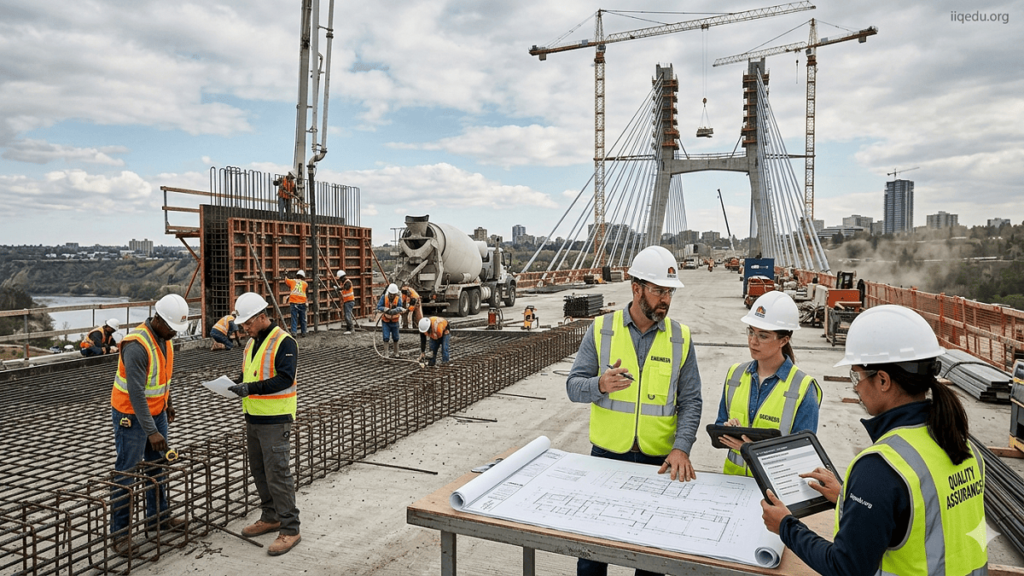
Case Study of Quality in Construction & Infrastructure
The following case study illustrates how quality management principles are applied in real-world construction and infrastructure projects, highlighting both successful practices and lessons learned from implementation. This example focuses on a structured approach to quality management rather than a single commercial project, because rigorous, documented case studies in academic and industry literature provide the best insight into how quality is systematically achieved.
Case Example: Quality Management System Application in an Infrastructure Project
Project Overview
In this case study from academic literature, a quality management system (QMS) based on ISO 9001 and formal construction management techniques was applied during the execution of a major expressway infrastructure project in India. The goal was to improve compliance with technical standards, reduce delays and cost overruns, and enhance overall construction quality outcomes.
Quality Objectives and Challenges
Large infrastructure projects such as expressways involve multiple stakeholders, complex logistics, vast material quantities, and extended timelines. Common challenges that quality management seeks to address include:
- Quality Deficiencies: Defects arising from inconsistent material quality, incorrect execution, or inadequate supervision.
- Cost Overruns and Delays: Poor quality practices can directly contribute to rework, disputes, and schedule slippage.
- Regulatory Compliance: Ensuring that construction methods and materials meet national standards and contract specifications.
The traditional approach in many infrastructure projects often prioritises cost and time over quality, which historically has led to increased lifecycle maintenance costs and reduced asset durability.
Quality Management Approach
The project implemented a structured Quality Management System that integrated the following key elements:
1. ISO 9001 Quality Framework Adaptation
The QMS was developed in line with ISO 9001 principles, emphasising:
- Documented quality procedures
- Clear roles and responsibilities for quality assurance and quality control
- Process standardisation and continuous monitoring
This baseline ensured consistency across activities and traceability for compliance verification.
2. Advanced Management Tools
Tools and methodologies such as Critical Path Method (CPM) for scheduling, Earned Value Management (EVM) for performance tracking, and Building Information Modeling (BIM) for design and site coordination were integrated with quality tasks. These tools helped in early identification of potential quality risks and improved coordination between design and execution teams.
3. Systematic Inspection and Testing
Frequent inspection checkpoints were established at critical stages of construction, such as subgrade preparation, concrete placement, and structural reinforcement. Material testing was also carried out both in certified laboratories and through on-site evaluation to ensure conformance before progressing to subsequent stages.
Outcomes and Observations
The application of a structured QMS and integrated management tools delivered measurable improvements:
- Improved Quality Compliance: Workmanship and materials consistently met required technical specifications.
- Reduced Rework and Variation: Early defect detection and preventive inspection reduced overall rework and ensured schedule adherence.
- Enhanced Stakeholder Communication: Quality frameworks improved transparency and accountability across contractors, consultants, and the client.
Additionally, the case study concluded that adoption of such integrated quality practices supports improved project performance by balancing quality with cost and time objectives.
Lessons and Best Practices
- Early Integration of Quality Planning: Quality requirements must be defined during design and procurement to avoid corrective actions later.
- Cross-functional Coordination: Quality is achieved not only through inspections but by integrating quality roles across project teams and disciplines.
- Use of Digital Tools: Tools like BIM and management software can visualise complex quality requirements, reducing errors and enhancing decision-making.
- Continuous Monitoring: Quality processes are ongoing and require systematic oversight, not isolated checks.
Conclusion
This case study demonstrates how structured quality management systems, combined with modern project management techniques, create a reliable infrastructure delivery framework. By embedding quality into planning, execution, and monitoring phases, construction projects can achieve greater compliance, reduced defects, and improved long-term performance. Ensuring quality is not an occasional task but an integrated project objective that supports safety, durability, and client satisfaction.
#Quality in Construction & Infrastructure in Kolkata
White Paper of Quality in Construction & Infrastructure
1. Executive Summary
Quality in construction and infrastructure is a fundamental driver of safety, durability, cost-efficiency, and sustainability in the built environment. This white paper presents a comprehensive overview of quality principles, challenges, and modern approaches used to ensure excellence across the construction lifecycle. It emphasizes the integration of quality management systems, advanced technologies, and regulatory frameworks to improve project outcomes and long-term asset performance.
2. Introduction
The construction and infrastructure sector plays a critical role in economic development, urbanization, and societal well-being. However, the industry faces persistent challenges such as cost overruns, delays, safety concerns, and inconsistent quality standards.
Quality in construction is defined as the degree to which a project meets specified standards, contractual requirements, and stakeholder expectations. It involves not only the final product but also the processes, materials, and management systems used throughout the project lifecycle.
3. Importance of Quality in Construction & Infrastructure
3.1 Safety and Risk Reduction
High-quality construction ensures structural integrity and reduces risks of failure, accidents, and loss of life. Poor quality in materials or workmanship can lead to catastrophic consequences.
3.2 Durability and Lifecycle Performance
Infrastructure assets such as roads, bridges, and buildings are long-term investments. Quality construction ensures extended lifespan and reduces maintenance costs.
3.3 Economic Efficiency
Quality minimizes rework, delays, and waste, resulting in better cost control and improved return on investment.
3.4 Regulatory Compliance
Adherence to codes, standards, and legal requirements is essential for project approval and operational safety.
3.5 Sustainability and Environmental Impact
The construction sector consumes nearly 50% of raw materials, making quality and sustainable practices essential for reducing environmental impact and enabling circular economy models.
4. Key Components of Quality Management
4.1 Quality Assurance (QA)
A proactive approach focusing on planning and preventing defects through:
- Standardized procedures
- Training and competency development
- Documentation and process control
4.2 Quality Control (QC)
A reactive approach involving inspection and testing to ensure compliance:
- Material testing (cement, steel, aggregates)
- Site inspections
- System testing (electrical, plumbing, etc.)
4.3 Quality Management Systems (QMS)
Structured frameworks such as ISO 9001 ensure consistent quality across projects through:
- Defined processes
- Continuous monitoring
- Performance evaluation
5. Challenges in Achieving Quality
5.1 Fragmented Communication
Inefficient communication systems can lead to errors, delays, and poor coordination. Poor communication is identified as a major cause of project failure.
5.2 Skilled Labor Shortage
Lack of trained workforce affects workmanship and consistency in quality delivery.
5.3 Low Technology Adoption
Many construction firms still rely on manual processes, limiting efficiency and quality control.
5.4 Complex Supply Chains
Fragmentation in supply chains leads to inconsistencies in materials and processes.
5.5 Resistance to Change
Adopting new quality practices such as lean construction or digital tools often faces organizational resistance.
6. Modern Approaches to Quality Improvement
6.1 Digital Transformation
Technologies such as:
- Building Information Modeling (BIM)
- Artificial Intelligence (AI)
- Digital Twins
enable real-time monitoring, predictive analysis, and improved decision-making in quality management.
6.2 Lean Construction
Lean methodologies focus on reducing waste, improving efficiency, and enhancing overall project quality through continuous improvement practices.
6.3 Industrialization and Prefabrication
Offsite construction and modular techniques improve consistency, reduce errors, and enhance quality control.
6.4 Integrated Project Delivery (IPD)
Collaboration among stakeholders improves coordination, reduces conflicts, and ensures quality outcomes.
7. Lifecycle Approach to Quality
Quality must be ensured across all stages:
- Planning & Design: Defining standards and specifications
- Procurement: Selecting quality materials and suppliers
- Construction: Ensuring proper execution and supervision
- Testing & Commissioning: Verifying performance
- Operation & Maintenance: Sustaining long-term performance
A lifecycle approach ensures that infrastructure continues to perform effectively beyond construction.
8. Recommendations
To improve quality in construction and infrastructure, the following strategies are recommended:
- Adopt standardized quality management systems (ISO 9001)
- Invest in workforce training and skill development
- Leverage digital technologies for real-time quality monitoring
- Enhance communication and collaboration platforms
- Implement strict inspection and testing protocols
- Promote sustainable and recyclable material usage
- Encourage policy alignment and regulatory enforcement
9. Conclusion
Quality in construction and infrastructure is a multidimensional concept that requires a systematic and integrated approach. It is essential for ensuring safety, durability, cost-efficiency, and sustainability in the built environment.
Modern construction demands a shift from traditional practices to data-driven, technology-enabled, and lifecycle-focused quality management systems. By adopting these approaches, the industry can overcome existing challenges and deliver infrastructure that meets the evolving needs of society.
#Quality in Construction & Infrastructure in India
Industry Application of Quality in Construction & Infrastructure
Quality in construction and infrastructure is applied across the industry through structured systems, standardized practices, advanced technologies, and coordinated stakeholder efforts. Its application ensures that projects meet safety, performance, and regulatory requirements while delivering long-term value. The following sections outline how quality is practically implemented within the construction and infrastructure industry.
1. Application in Different Sectors of the Industry
1.1 Residential and Commercial Construction
In buildings such as housing complexes, offices, and commercial centers, quality is applied through:
- Standardized design and engineering practices
- Use of certified construction materials
- Supervision of workmanship and finishing
- Compliance with building codes and safety regulations
Quality ensures structural safety, occupant comfort, and long-term durability of buildings.
1.2 Transportation Infrastructure
In roads, highways, bridges, railways, and airports, quality application involves:
- Proper soil testing and foundation design
- Material testing for asphalt, concrete, and steel
- Precision in alignment, leveling, and load-bearing structures
- Regular inspection during and after construction
High-quality infrastructure ensures smooth transportation, reduced accidents, and lower maintenance costs.
1.3 Water and Energy Infrastructure
Projects such as dams, pipelines, water treatment plants, and power stations require strict quality control:
- Leak-proof construction and corrosion resistance
- Testing of pressure systems and pipelines
- Environmental compliance and safety measures
- Monitoring of operational performance
Quality ensures reliability, efficiency, and sustainability of essential services.
2. Application Through Quality Management Systems
2.1 Implementation of ISO Standards
Construction firms adopt Quality Management Systems (QMS) such as ISO 9001 to standardize processes:
- Documentation of procedures and workflows
- Defined quality objectives and performance metrics
- Continuous monitoring and improvement
This ensures consistency across projects and organizations.
2.2 Quality Assurance (QA) in Practice
QA is applied by preventing defects through:
- Detailed project planning and risk assessment
- Training and certification of workforce
- Selection of reliable suppliers and contractors
2.3 Quality Control (QC) in Practice
QC ensures compliance through:
- On-site inspections at each stage
- Laboratory testing of materials
- Verification of structural elements and systems
3. Application of Technology in Quality Management
Modern construction industries apply advanced technologies to enhance quality:
- Building Information Modeling (BIM): Detects design conflicts and improves coordination
- Drones and Remote Monitoring: Provide real-time site inspection and progress tracking
- Sensors and IoT Devices: Monitor structural health, temperature, and stress levels
- Automation and AI: Improve accuracy in design, planning, and defect detection
These technologies reduce human error and enable data-driven quality control.
4. Application in Project Management Practices
Quality is embedded into project management through:
- Planning and Scheduling: Integration of quality checkpoints into timelines
- Procurement Management: Ensuring quality materials and vendor compliance
- Risk Management: Identifying and mitigating quality-related risks
- Documentation: Maintaining records for traceability and accountability
This ensures that quality is maintained throughout the project lifecycle.
5. Application in Safety and Compliance
Quality is closely linked to safety and regulatory compliance in the industry:
- Implementation of safety protocols on construction sites
- Regular audits and inspections by regulatory authorities
- Compliance with environmental and labor laws
- Use of personal protective equipment (PPE) and safe construction practices
This reduces accidents and ensures legal adherence.
6. Application in Maintenance and Asset Management
Quality continues beyond construction into operation and maintenance:
- Preventive maintenance programs
- Periodic structural inspections
- Asset performance monitoring systems
- Rehabilitation and retrofitting of aging infrastructure
This lifecycle approach ensures long-term performance and sustainability.
7. Benefits of Industry-Level Application
The application of quality practices in construction and infrastructure results in:
- Improved safety and reduced risks
- Enhanced durability and lifespan of assets
- Cost savings through reduced rework and maintenance
- Increased client and stakeholder satisfaction
- Stronger reputation and competitiveness for firms
Conclusion
The industry application of quality in construction and infrastructure is a comprehensive and continuous process that spans all sectors, project stages, and management practices. It is achieved through the integration of standardized systems, skilled workforce, advanced technologies, and strict regulatory compliance.
#Quality in Construction & Infrastructure in Mumbai
Ask FAQs
What is meant by quality in construction and infrastructure?
Quality in construction and infrastructure refers to the degree to which a project meets specified standards, design requirements, and client expectations. It includes the use of proper materials, skilled workmanship, adherence to safety regulations, and effective project management to ensure durability, safety, and functionality.
Why is quality important in construction projects?
Quality is essential to ensure structural safety, long-term durability, and cost efficiency. High-quality construction reduces risks of failure, minimizes maintenance and repair costs, ensures compliance with regulations, and enhances user satisfaction and trust.
How is quality maintained during construction?
Quality is maintained through a combination of Quality Assurance (QA) and Quality Control (QC) practices. This includes proper planning, use of certified materials, skilled labor, regular site inspections, material testing, adherence to standards, and continuous monitoring throughout the project lifecycle.
What are the common challenges in maintaining quality?
Some common challenges include shortage of skilled labor, use of substandard materials, poor project management, lack of proper supervision, time and budget constraints, and inadequate adoption of modern technologies.
What role does technology play in improving construction quality?
Technology plays a significant role by enhancing accuracy and efficiency. Tools such as Building Information Modeling (BIM), drones, sensors, and automated testing systems help in detecting errors early, improving coordination, monitoring progress, and ensuring that construction meets quality standards.
Source: Tim Fairley
Table of Contents
Disclaimer:
This document is intended for informational and educational purposes only. While efforts have been made to ensure accuracy, it does not replace professional engineering judgment, official standards, or regulatory guidelines. Users should consult qualified professionals and relevant authorities before applying any concepts in real-world construction projects.