Quality in Public Transportation
Quality in public transportation refers to the degree to which transit systems meet the expectations of passengers regarding safety, reliability, efficiency, accessibility, and overall user experience. It encompasses both operational performance and customer perceptions, ensuring that transport services are dependable, timely, and comfortable while promoting sustainable urban mobility. High-quality public transportation improves commuter satisfaction, reduces traffic congestion, and supports environmental objectives.
Key Dimensions of Quality
- Reliability and Punctuality: Passengers expect vehicles to arrive and depart on schedule. Delays and inconsistent service undermine trust and efficiency.
- Safety and Security: Ensuring passenger safety through well-maintained vehicles, secure stations, and trained personnel is fundamental.
- Accessibility and Convenience: High-quality transportation accommodates all passengers, including those with disabilities, and provides convenient routes, transfers, and service frequency.
- Cleanliness and Comfort: Comfortable seating, cleanliness, climate control, and functional amenities enhance the overall travel experience.
- Customer Service and Communication: Timely updates on schedules, disruptions, and ticketing, combined with helpful staff, are critical to user satisfaction.
Measurement and Assessment
Quality in public transportation is measured using operational metrics like on-time performance, average wait times, incident reports, and vehicle maintenance records. Passenger-focused metrics such as satisfaction surveys, Net Promoter Score (NPS), and complaint resolution rates help gauge perception and service quality. Tools like SERVQUAL have been adapted to transit services to identify gaps between passenger expectations and actual service performance. (en.wikipedia.org)
Industry Applications
- Urban Rail and Metro Systems: Monitoring train frequency, station accessibility, and crowd management.
- Bus and Tram Networks: Tracking route coverage, vehicle maintenance, and driver responsiveness.
- Paratransit Services: Ensuring specialized services for passengers with mobility challenges meet reliability and safety standards.
Strategic Importance
Maintaining high-quality public transportation attracts ridership, reduces private vehicle dependence, and promotes sustainable urban development. Transit authorities that prioritize quality improve operational efficiency, enhance passenger loyalty, and comply with regulatory standards. Continuous evaluation and improvement, including technology adoption such as real-time tracking apps and digital ticketing, help create a seamless travel experience for commuters.
For further insights on service quality frameworks applicable to public transit, refer to industry-focused resources such as IBM’s customer service metrics: IBM Customer Service Metrics.
#Quality in Public Transportation in India
What is Quality in Public Transportation?
Quality in public transportation refers to how effectively transit systems meet the expectations and needs of passengers while ensuring operational efficiency, safety, and reliability. It reflects both service performance—such as punctuality, frequency, and vehicle maintenance—and passenger experience, including comfort, cleanliness, accessibility, and communication.
High-quality public transportation ensures that passengers can rely on the system for daily commuting, emergency travel, or occasional trips without unnecessary delays, risks, or discomfort. It also involves proactive customer service, clear information dissemination, and responsiveness to passenger feedback.
Key Aspects of Quality
- Reliability and Punctuality: Vehicles and services must adhere to scheduled arrival and departure times to maintain commuter trust.
- Safety and Security: Measures like well-maintained vehicles, secure stations, and trained personnel protect passengers from accidents and crime.
- Accessibility and Inclusivity: Services should accommodate all passengers, including people with disabilities, elderly commuters, and families.
- Comfort and Cleanliness: Well-maintained vehicles, clean facilities, climate control, and seating availability contribute to a positive experience.
- Customer Communication: Timely updates on delays, route changes, ticketing options, and service disruptions improve passenger confidence and satisfaction.
Significance
High-quality public transportation promotes urban mobility, reduces traffic congestion, and encourages environmental sustainability by decreasing reliance on private vehicles. It strengthens public trust in transit authorities and can increase ridership, contributing to both economic and social benefits.
Measurement of Quality
Quality is typically measured through operational indicators such as on-time performance, frequency of service, and maintenance records, as well as passenger-focused metrics like satisfaction surveys, complaints resolution, and Net Promoter Score (NPS). Models like SERVQUAL are often adapted to transit systems to compare customer expectations against actual service delivery. (en.wikipedia.org)
In essence, quality in public transportation balances efficiency, safety, and passenger satisfaction, creating a reliable and user-friendly transit environment for all commuters.
#Quality in Public Transportation in Pune
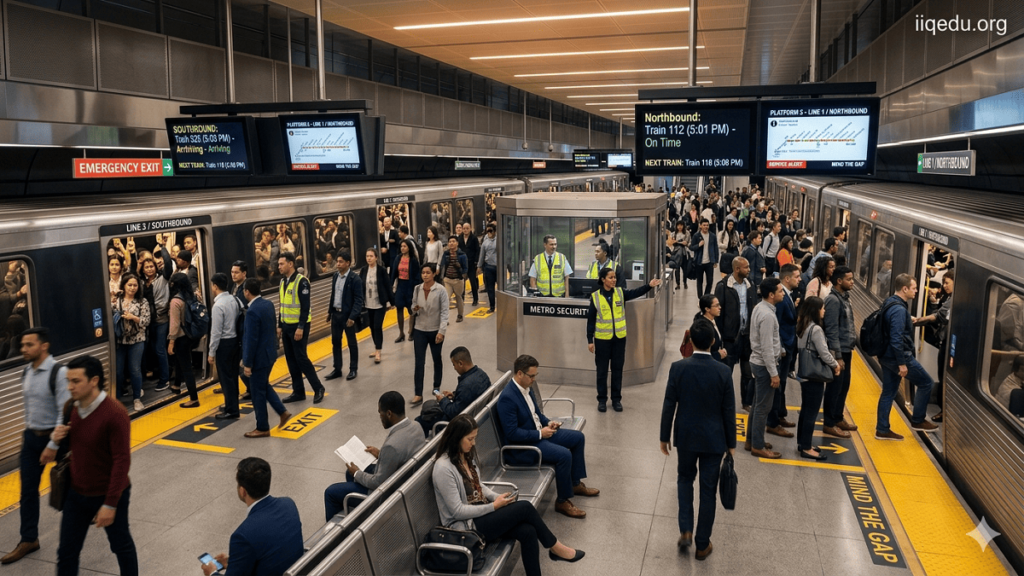
Who is Quality in Public Transportation required?
Quality in public transportation is essential for multiple stakeholders who rely on transit systems for safe, reliable, and efficient mobility. The requirement extends beyond passengers to regulatory authorities, operators, and society at large.
1. Passengers
Passengers are the primary beneficiaries of high-quality public transportation. They depend on reliable schedules, safety measures, accessible vehicles, and clear information to commute efficiently. Students, workers, the elderly, and people with disabilities require consistent service that meets their specific mobility needs. High-quality service enhances comfort, reduces travel stress, and ensures trust in the system.
2. Transit Authorities and Operators
Public transportation agencies and private operators require quality to maintain operational efficiency, reduce downtime, and optimize resource allocation. High service standards help operators manage fleets, schedules, and personnel effectively, preventing delays, accidents, or service disruptions. Quality systems also improve staff performance by providing clear protocols and training for customer interactions and emergency responses.
3. Regulatory and Government Agencies
Government bodies and regulatory authorities mandate quality standards to ensure public safety, accessibility, and environmental compliance. Agencies require transit systems to meet legal and operational benchmarks, such as vehicle maintenance schedules, accessibility requirements, and safety protocols. Compliance with these standards protects passengers and ensures accountability.
4. Communities and Society
High-quality public transportation benefits society by reducing traffic congestion, lowering carbon emissions, and promoting equitable access to mobility. Reliable and efficient transit systems enhance economic activity by connecting people to jobs, education, and services. Communities rely on these services for social inclusion and urban mobility, making quality essential for sustainable city development.
Conclusion
Quality in public transportation is required by passengers, transit operators, regulatory authorities, and society at large. Ensuring high standards across reliability, safety, accessibility, and customer service creates a transit system that supports mobility, safety, and urban sustainability.
For further insights on service quality measurement and frameworks, see: IBM Customer Service Metrics.
#Quality in Public Transportation in Maharashtra
When is Quality in Public Transportation required?
Quality in public transportation is essential at all times, but its importance becomes particularly critical in certain operational, regulatory, and emergency contexts. Ensuring high service standards is necessary to maintain passenger trust, operational efficiency, and safety.
1. During Daily Operations
High-quality service is required continuously during normal transit operations. Passengers expect buses, trains, trams, and metro systems to run on schedule, maintain cleanliness, and provide safe and comfortable travel. Consistency in these everyday operations builds public confidence and encourages regular ridership.
2. During Service Disruptions or Emergencies
Quality becomes especially crucial during disruptions such as accidents, severe weather, or technical failures. Passengers rely on timely updates, clear communication, and rapid resolution of issues. Emergency preparedness, including trained staff, contingency plans, and alternative routes, ensures safety and minimizes inconvenience.
3. When Regulatory Compliance Is Required
Public transportation is governed by safety, accessibility, and operational regulations. Quality service is required to comply with these legal standards, such as vehicle maintenance, accessibility for disabled passengers, and safety protocols. Non-compliance can result in fines, service suspension, or reputational damage.
4. During Passenger Feedback and Improvement Initiatives
Transit agencies require quality service when collecting and acting upon customer feedback. Surveys, complaints, and social media monitoring identify gaps in service delivery. Addressing these gaps proactively improves passenger experience, increases loyalty, and strengthens community trust in public transportation systems.
5. During Peak Hours and High-Demand Periods
Quality is also essential during rush hours, public events, or holiday seasons when transit demand is high. Effective crowd management, reliable scheduling, and responsive customer service prevent congestion and maintain a smooth flow of passengers.
Conclusion
Quality in public transportation is required at all times, with heightened importance during daily operations, service disruptions, regulatory compliance, feedback processes, and peak-demand periods. Maintaining high standards ensures reliability, safety, and customer satisfaction, supporting sustainable and efficient urban mobility.
For more details on service quality measurement in transit systems, see: IBM Customer Service Metrics.
#Quality in Public Transportation in Ahemdabad
Where is Quality in Public Transportation required?
Quality in public transportation is required across all locations and touchpoints where transit services interact with passengers, operate vehicles, and maintain infrastructure. Ensuring high service standards everywhere improves reliability, safety, and overall passenger experience.
1. Stations and Terminals
Transit hubs, including bus depots, metro stations, and train terminals, require quality services in areas such as cleanliness, safety, signage, ticketing systems, and passenger assistance. Well-maintained and organized stations enhance comfort, accessibility, and user confidence.
2. Vehicles and Transit Routes
Buses, trains, trams, and metro cars must consistently provide reliable and safe service along all routes. Quality in vehicles includes cleanliness, functional equipment, climate control, seating comfort, and safety systems. On-route service quality ensures passengers reach their destinations efficiently and safely.
3. Control Centers and Operational Facilities
Quality is critical in operational and monitoring centers where transit systems are managed. Staff in control centers oversee scheduling, traffic coordination, incident management, and emergency response. Maintaining service quality here ensures reliability and swift resolution of disruptions.
4. Digital Platforms and Customer Interaction Points
Online portals, mobile apps, call centers, and social media channels require quality service for ticketing, real-time updates, complaints, and inquiries. Accessible, user-friendly platforms allow passengers to plan travel, report issues, and receive timely assistance.
5. Community and Emergency Contexts
Public transportation impacts communities at large, especially during emergencies such as storms, natural disasters, or large public events. High-quality service in these contexts includes rapid response, effective communication, and coordination with local authorities to ensure passenger safety and minimal disruption.
Conclusion
Quality in public transportation is required at stations, vehicles, control centers, digital platforms, and community-facing operations. Ensuring consistent standards across these locations improves reliability, safety, accessibility, and passenger satisfaction, supporting effective and sustainable urban mobility.
For a detailed framework on measuring and maintaining service quality in transit systems, see: IBM Customer Service Metrics.
#Quality in Public Transportation in Delhi
How is Quality in Public Transportation required?
Quality in public transportation is required through structured processes, standards, and operational practices that ensure services are reliable, safe, accessible, and user-friendly. Implementing quality involves both technical measures and customer-centered strategies to maintain high service performance.
1. Establishing Service Standards and Protocols
Transit authorities define clear standards for punctuality, vehicle maintenance, safety, cleanliness, and customer interaction. Protocols for emergency response, crowd management, and accessibility ensure that all passengers receive consistent, high-quality service.
2. Deploying Technology and Operational Systems
Quality is enforced using technology and digital systems:
- Real-time tracking apps and digital signage inform passengers about delays and schedules.
- Fleet management software ensures maintenance and operational efficiency.
- Customer Relationship Management (CRM) systems streamline complaint handling and service requests.
These tools allow operators to monitor performance, respond quickly, and optimize transit operations.
3. Monitoring and Measuring Performance
Transit systems require quality through measurable indicators, including:
- On-time performance and adherence to schedules
- Incident reports and safety metrics
- Passenger satisfaction surveys and Net Promoter Scores (NPS)
- First Contact Resolution (FCR) for complaints or inquiries
Measuring these KPIs enables continuous improvement and accountability. (IBM Customer Service Metrics)
4. Staff Training and Empowerment
Quality is reinforced by training staff in customer service, safety protocols, and emergency handling. Empowered and knowledgeable personnel can resolve issues efficiently, assist passengers proactively, and maintain a professional transit environment.
5. Continuous Feedback and Improvement
Transit authorities require quality by integrating passenger feedback into operational improvements. Surveys, social media monitoring, and complaint analysis identify service gaps, guiding adjustments to routes, schedules, and facilities.
Conclusion
Quality in public transportation is required through clear standards, advanced technology, performance monitoring, trained staff, and continuous improvement processes. Implementing these measures ensures safe, reliable, and passenger-focused transit services that meet both operational and community expectations.
#Quality in Public Transportation in Kolkata
Case Study of Quality in Public Transportation
1. Bus Transit Service Quality Assessment Using Multi‑Criteria Decision Making
A practical case study examined bus transit service quality by applying a two‑stage multi‑criteria decision making (MCDM) methodology. The first stage used the Analytic Hierarchy Process (AHP) to determine the priority of service quality attributes from passengers’ perspectives, such as comfort, punctuality, and accessibility. The second stage used the Technique for Order Preference by Similarity to Ideal Solution (TOPSIS) to measure and rank bus transit routes based on these weighted criteria.
2. User‑Centric Quality Evaluation in a Brazilian Municipality
In a medium‑sized Brazilian city, researchers developed a public transport quality index to evaluate service quality from both users’ and experts’ perspectives. The study incorporated Analytic Hierarchy Process (AHP) for indicator weighting and included quantitative and qualitative indicators such as travel time, frequency, safety, and accessibility. By aggregating opinions and performance measures into a single Public Transport Quality Index (PTQI), transport authorities could identify service deficiencies and prioritise improvements. The case highlighted that operational aspects often ranked lower compared to user expectations, emphasising the need for comprehensive quality evaluations that reflect passengers’ satisfaction alongside technical performance.
3. Passenger Satisfaction and Service Quality in Light Rail Transit
Another case focused on light rail transit in Eskisehir, Turkey, where researchers applied the American Customer Satisfaction Index (ACSI) model to measure perceived service quality. Structural equation modelling (SEM) was used to analyse factors such as customer expectations, perceived service quality, value, satisfaction, complaints, and loyalty. The study demonstrated that higher service quality perceptions correlated with increased customer satisfaction and loyalty, underlining the importance of investing in both operational improvements and customer information systems.
4. Service Quality Gap Analysis in Public Road Transport
A case study of the Uttar Pradesh State Road Transport Corporation in India used a service quality gap analysis based on the SERVQUAL model. It revealed significant mismatches between management perceptions and actual service specifications, indicating that frontline staff and higher‑level management held different views on customer priorities. The findings stressed the need for internal alignment and improved understanding of customer expectations to enhance service delivery.
Summary
Across diverse contexts, quality assessments in public transportation systems leverage both passenger perceptions and technical performance measures. Case studies consistently show that combining subjective feedback with objective indicators helps identify service gaps, prioritise improvements, and align operational strategies with commuter expectations, ultimately improving reliability, satisfaction, and ridership.
#Quality in Public Transportation in Hyderabad
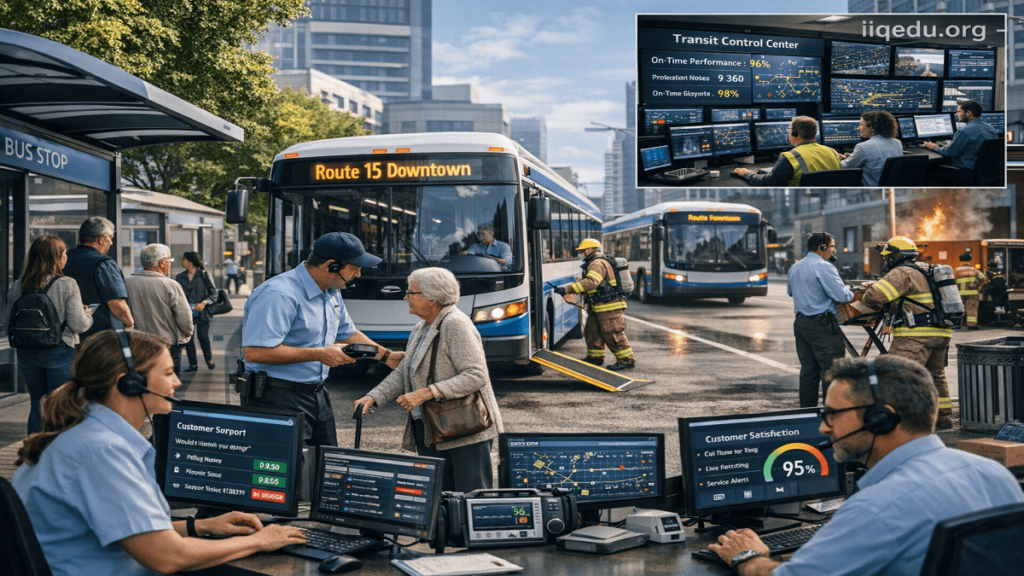
White Paper of Quality in Public Transportation
Executive Summary
Quality in public transportation is a strategic priority for transit agencies worldwide. It directly influences commuter satisfaction, operational reliability, accessibility, and sustainable mobility. This white paper outlines the key dimensions of transit service quality, measurement frameworks, challenges, and best practices that transport authorities can adopt to improve performance and meet passenger expectations.
Introduction
Public transportation systems—buses, trains, metros, trams, and light rail—serve as the backbone of urban and regional mobility. High‑quality services not only reduce traffic congestion and environmental impact but also support economic activity by connecting residents to jobs, education, and services. Quality in public transportation encompasses operational effectiveness (such as punctuality and safety) and service experience (including comfort, communication, and accessibility).
Defining Quality in Public Transportation
Quality in public transportation can be conceptualized through multiple service dimensions:
- Reliability and Punctuality: Consistent adherence to published schedules.
- Safety and Security: Minimizing accidents, crime, and threats across networks.
- Accessibility: Ensuring services are usable by people with disabilities, the elderly, and all user groups.
- Comfort and Cleanliness: Adequate seating, environmental comfort, and cleanliness.
- Communication and Customer Service: Timely information about schedules, disruptions, and routes.
Together, these aspects shape overall passenger perception and encourage the use of transit systems over private vehicles.
Measurement and Evaluation
Quantifying service quality is essential for benchmarking and improvement. Transit agencies use both operational and perception‑based measures:
- On‑Time Performance Metrics track reliability.
- Ridership and Load Factor Data assess capacity and service adequacy.
- Passenger Satisfaction Surveys and Net Promoter Scores (NPS) capture subjective user experience.
- Service Quality Models such as SERVQUAL (adapted for transit) help identify gaps between expectations and performance.
Case studies (such as the use of multi‑criteria evaluation for bus service quality) show that structured analytical approaches can inform service planning and prioritization.
Implementation Strategies
To embed quality into operations, transport authorities should:
- Define Clear Standards: Establish measurable targets for punctuality, safety, and customer interactions.
- Leverage Technology: Real‑time tracking, mobile apps, and integrated ticketing systems improve reliability and communication.
- Train Personnel: Equip staff with customer service skills and operational protocols.
- Monitor and Report: Use dashboards and performance reviews to track KPIs and adjust services accordingly.
- Solicit Continuous Feedback: Regular surveys and complaint mechanisms help refine service offerings.
Conclusion
Enhancing quality in public transportation supports operational excellence, builds rider trust, and strengthens the role of transit in sustainable urban development. By systematically measuring performance, adopting technology, and responding to user feedback, transport authorities can deliver reliable, accessible, and customer‑centric services.
#Quality in Public Transportation in Chennai
Industry Application of Quality in Public Transportation
Quality in public transportation has wide-ranging applications across urban, suburban, and regional transit systems. Transit agencies, private operators, and municipalities rely on service quality management to enhance passenger satisfaction, operational efficiency, and regulatory compliance.
1. Urban Rail and Metro Systems
Metro and light rail systems prioritize punctuality, safety, and crowd management. High-quality service is applied through real-time monitoring of train operations, automated scheduling systems, and emergency preparedness. Cities like Singapore and London use performance dashboards and mobile apps to inform passengers of arrival times, delays, and service changes, ensuring reliability and commuter confidence. (singaporetransport.gov.sg)
2. Bus and Tram Networks
Bus services implement quality standards in route coverage, vehicle maintenance, and driver performance. Scheduling, fleet maintenance, and traffic management are optimized to reduce delays and maintain consistent service. Real-time GPS tracking and digital ticketing platforms allow operators to monitor routes and respond to passenger complaints efficiently. (thameslinkrailway.com)
3. Paratransit and Accessibility Services
Paratransit services ensure quality for passengers with disabilities or special mobility needs. Operators apply standards in vehicle accessibility, driver training, scheduling accuracy, and safety protocols. Consistent service quality ensures inclusivity and meets legal obligations for accessibility.
4. Intercity and Regional Transit
Long-distance buses, trains, and ferries prioritize comfort, reliability, and communication. High-quality service includes seat availability, cleanliness, onboard amenities, and timely updates on service disruptions. Operators use performance tracking and passenger feedback to continuously improve service delivery.
5. Digital and Customer Interaction Platforms
Across all transit industries, quality is applied in digital services—ticketing apps, route planners, and customer support channels. These platforms enhance convenience, allow instant access to information, and provide channels for reporting complaints or feedback. Effective use of technology increases passenger trust and reduces operational bottlenecks.
Cross-Industry Best Practices
- Setting clear KPIs: on-time performance, safety incidents, passenger satisfaction scores.
- Continuous training for frontline and operational staff.
- Integrating customer feedback into service improvement initiatives.
- Leveraging digital technology for monitoring, communication, and ticketing.
- Conducting regular audits and performance reviews to maintain compliance with standards.
Conclusion
Quality in public transportation is applied across urban, regional, and intercity systems to ensure safe, reliable, and accessible service. By adopting structured performance management, leveraging technology, and prioritizing passenger experience, transit industries improve efficiency, satisfaction, and sustainability.
For more insights on transit service quality metrics, see: IBM Customer Service Metrics.
#Quality in Public Transportation in Mumbai
Ask FAQs
What is quality in public transportation?
Quality in public transportation refers to how effectively transit services meet passenger expectations for reliability, safety, accessibility, comfort, and customer service. High-quality service ensures timely arrivals, safe travel, clean vehicles, and clear communication, creating a positive travel experience. (en.wikipedia.org)
Why is quality important in public transportation?
Quality is critical because it builds passenger trust, increases ridership, reduces traffic congestion, and supports environmental sustainability. Reliable, safe, and comfortable transit encourages people to use public transportation over private vehicles, benefiting cities and communities.
How is quality in public transportation measured?
Quality is measured through operational and passenger-focused metrics, including:
On-time performance and schedule adherence
Safety and incident records
Passenger satisfaction surveys and Net Promoter Scores (NPS)
First Contact Resolution (FCR) for complaints
Tools like SERVQUAL or Public Transport Quality Index (PTQI) help evaluate gaps between expectations and actual service.
Who requires high-quality public transportation?
Quality is essential for passengers, transit operators, regulatory authorities, and society. Passengers need safe, reliable, and accessible service, while operators and authorities require standards to maintain compliance and efficiency. Communities benefit from reduced congestion, environmental impact, and equitable mobility.
How can public transportation quality be improved?
Quality can be enhanced by:
Establishing clear service standards and KPIs
Deploying technology like real-time tracking apps and digital ticketing
Training staff in customer service, safety, and emergency protocols
Collecting and analyzing passenger feedback to guide improvements
Monitoring operational metrics continuously to ensure reliability and efficiency
Source: The Quint
Table of Contents
Disclaimer
The information provided on quality in public transportation is for general informational and educational purposes only. It does not constitute professional, legal, or regulatory advice. Users should verify details independently and consult relevant authorities or experts before making decisions based on this content. The author and publisher are not responsible for any outcomes resulting from the use of this information.