Secure Software Development Life Cycle (SDLC)
1. Definition
The Secure Software Development Life Cycle (SDLC) is an extension of the traditional software development lifecycle that integrates security at every stage of software design, development, testing, deployment, and maintenance. Its goal is to prevent vulnerabilities and security breaches from being introduced into software systems.
A secure SDLC ensures that security is not an afterthought but a core component of software engineering processes.
2. Purpose and Importance
The purpose of a Secure SDLC is to:
- Identify and mitigate security risks early in the development process.
- Ensure compliance with industry standards and regulations (e.g., ISO 27001, NIST, GDPR).
- Reduce costs associated with post-deployment vulnerability fixes.
- Protect sensitive data and maintain customer trust.
- Enable secure and reliable software delivery for users and organizations.
Importance: Studies show that addressing security early reduces the cost of fixes by up to 30–50 times compared to post-release patches. Security-focused SDLC is critical for organizations developing web applications, mobile apps, IoT systems, or enterprise software handling sensitive information.
3. Phases of Secure SDLC
The Secure SDLC incorporates traditional SDLC phases, enhanced with security tasks:
- Requirements Gathering:
- Identify security requirements alongside functional requirements.
- Include compliance, privacy, and regulatory considerations.
- Design:
- Conduct threat modeling and architecture risk analysis.
- Define security controls, authentication, and encryption mechanisms.
- Implementation (Coding):
- Follow secure coding standards (e.g., OWASP Secure Coding Guidelines).
- Apply static code analysis tools to detect vulnerabilities early.
- Testing:
- Perform security testing: penetration testing, fuzz testing, vulnerability scanning.
- Ensure that test cases cover both functionality and security scenarios.
- Deployment:
- Harden servers and environments.
- Apply secure configuration management.
- Maintenance and Monitoring:
- Regularly patch and update software.
- Monitor for vulnerabilities and apply incident response plans.
4. Benefits of Secure SDLC
- Proactive Risk Management: Reduces the likelihood of security breaches.
- Regulatory Compliance: Meets ISO 27001, NIST, GDPR, HIPAA, and other standards.
- Cost Efficiency: Reduces long-term costs of vulnerability remediation.
- Customer Trust: Builds confidence in secure software delivery.
- Continuous Improvement: Supports iterative security enhancements over software life cycle.
5. Industry Applications
Secure SDLC is applied across multiple industries where software security is critical:
- Finance: Protects online banking, payment systems, and sensitive customer financial data.
- Healthcare: Secures electronic health records (EHRs) and medical device software.
- Government: Safeguards citizen data, e-governance applications, and critical infrastructure systems.
- Technology & Cloud Services: Ensures secure SaaS, PaaS, and mobile applications.
- Manufacturing & IoT: Protects industrial IoT systems and connected devices from cyberattacks.
6. Key Standards and References
- ISO/IEC 27034 – Application Security: Provides guidance for secure application development.
- NIST SP 800-218 – Secure Software Development Framework (SSDF): Defines practices to integrate security into software development.
- OWASP Application Security Verification Standard (ASVS): Framework for security testing in development.
External References:
- ISO 27034 Overview: https://www.iso.org/standard/44378.html
- NIST Secure Software Development Framework: https://csrc.nist.gov/publications/detail/sp/800-218/final
- OWASP ASVS: https://owasp.org/www-project-application-security-verification-standard/
#Secure Software Development Life Cycle (SDLC) in India
What is Secure Software Development Life Cycle (SDLC)?
The Secure Software Development Life Cycle (SDLC) is a structured process that integrates security practices and principles into every phase of software development, from initial requirements to design, coding, testing, deployment, and maintenance. Unlike traditional SDLCs that primarily focus on functionality, a secure SDLC ensures that security is a core consideration at every step, reducing vulnerabilities, preventing data breaches, and ensuring compliance with regulatory standards such as ISO 27001, NIST, and GDPR.
Key features of a secure SDLC include:
- Threat modeling and risk assessment early in the design phase.
- Secure coding practices to prevent common vulnerabilities like SQL injection or cross-site scripting (XSS).
- Security testing, including penetration testing and vulnerability scanning, throughout development.
- Secure deployment and configuration management to protect operational environments.
- Ongoing monitoring and patch management during software maintenance.
By integrating security into the development process, organizations can proactively manage risks, reduce remediation costs, and deliver trustworthy software to users.
Reference links:
- ISO/IEC 27034 – Application Security
- NIST SP 800-218 – Secure Software Development Framework
- OWASP ASVS – Application Security Verification Standard
#Secure Software Development Life Cycle (SDLC) in Sambhaji Nagar

Who is Secure Software Development Life Cycle (SDLC) required?
The Secure Software Development Life Cycle (SDLC) is required by organizations and professionals who develop, deploy, or manage software systems that handle sensitive data, critical operations, or must comply with regulatory standards. Specifically, it is required by:
- Software Development Companies:
- Firms creating web, mobile, desktop, or cloud applications need secure SDLC to integrate security into coding practices and prevent vulnerabilities.
- Financial Institutions and Fintechs:
- Banks, payment processors, and financial software providers require secure SDLC to protect sensitive customer data and meet compliance standards such as PCI DSS and local banking regulations.
- Healthcare Organizations:
- Hospitals, health tech companies, and medical device manufacturers need secure SDLC to protect PHI (Protected Health Information) and comply with HIPAA, GDPR, and ISO 27001 standards.
- Government and Public Sector Agencies:
- Agencies developing citizen-facing applications, e-governance systems, or critical infrastructure software must integrate security to protect public data and maintain service continuity.
- Technology, Cloud, and SaaS Providers:
- Organizations offering software-as-a-service or cloud platforms must adopt secure SDLC to maintain secure operations, protect client data, and meet contractual security obligations.
- Industrial and IoT Manufacturers:
- Companies producing connected devices, smart systems, and industrial automation software need secure SDLC to prevent cyber-physical attacks and safeguard operational technology (OT).
Key Insight: Any organization that creates, customizes, or manages software handling sensitive, regulated, or critical data benefits from implementing secure SDLC. It is not limited to large enterprises; startups and SMEs handling personal data or offering digital services also require it to maintain security, trust, and compliance.
Reference Links:
#Secure Software Development Life Cycle (SDLC) in Maharashtra
When is Secure Software Development Life Cycle (SDLC) required?
The Secure Software Development Life Cycle (SDLC) is required throughout the entire lifespan of software development, particularly when the software:
- Handles Sensitive or Regulated Data:
- When applications process personal data (PII), financial information, health records, or confidential corporate data.
- Is Subject to Compliance or Regulatory Requirements:
- Organizations must integrate secure SDLC to meet standards like ISO 27001, NIST, GDPR, HIPAA, or PCI DSS.
- Faces High Security or Operational Risk:
- Systems critical to business operations, such as online banking platforms, industrial IoT systems, or government applications, require secure SDLC to prevent disruptions or cyberattacks.
- Undergoes Frequent Updates or Continuous Deployment:
- Software developed with agile or DevOps practices benefits from secure SDLC to ensure that security is not compromised during rapid releases.
- Integrates Third-Party Components or APIs:
- Whenever external libraries, APIs, or cloud services are used, secure SDLC ensures proper validation, authentication, and vulnerability mitigation.
Key Insight: Secure SDLC is not limited to the initial development stage. It is required at all times software is planned, developed, tested, deployed, or maintained, making security an integral, ongoing process rather than a post-development add-on.
Reference Links:
- NIST SP 800-218 – Secure Software Development Framework
- ISO/IEC 27034 – Application Security
- OWASP Secure Coding Guidelines
#Secure Software Development Life Cycle (SDLC) in Ahemdabad
Where is Secure Software Development Life Cycle (SDLC) required?
The Secure Software Development Life Cycle (SDLC) is required wherever software is developed, deployed, or maintained, especially in environments that involve sensitive data, critical operations, or regulatory compliance. Key areas include:
- Corporate and Enterprise IT Environments:
- In organizations developing internal applications, customer portals, or enterprise software that store or process sensitive business data.
- Cloud and SaaS Platforms:
- Software-as-a-Service providers, cloud platforms, and hosted applications need secure SDLC to protect client data and meet contractual obligations.
- Financial and Banking Systems:
- Online banking platforms, payment gateways, and fintech applications where financial transactions and personal financial data must remain secure.
- Healthcare Systems:
- Hospitals, clinics, and health tech applications, including electronic health records (EHRs), medical devices, and telemedicine platforms.
- Government and Public Sector Applications:
- E-governance systems, citizen service portals, and critical infrastructure software that handle sensitive public data.
- Industrial and IoT Environments:
- Connected devices, industrial automation systems, and smart manufacturing solutions where cyber-physical security is essential.
- Educational and Research Software:
- University portals, research applications, and collaborative platforms storing confidential academic or research data.
Key Insight: Secure SDLC is universally applicable in any environment where software is critical to operations, stores sensitive information, or is exposed to external users. Its implementation is not limited by geography, industry, or organization size—it is required wherever software security and compliance are priorities.
Reference Links:
- ISO/IEC 27034 – Application Security
- NIST SP 800-218 – Secure Software Development Framework
- OWASP Secure Coding Guidelines
#Secure Software Development Life Cycle (SDLC) in Hyderabad
How is Secure Software Development Life Cycle (SDLC) required?
The Secure Software Development Life Cycle (SDLC) is implemented by integrating security practices at every stage of the software development process. Unlike traditional SDLCs, security is not an afterthought but a continuous, structured activity. Implementation typically involves the following steps:
- Planning and Requirements Phase:
- Identify security and compliance requirements alongside functional requirements.
- Conduct risk assessments to determine potential threats and sensitive assets.
- Design Phase:
- Develop secure architecture using threat modeling techniques.
- Define encryption, authentication, and access control measures.
- Plan for secure interactions with third-party components or APIs.
- Implementation (Coding) Phase:
- Follow secure coding standards (e.g., OWASP Secure Coding Practices).
- Perform static code analysis to detect vulnerabilities early in development.
- Testing Phase:
- Conduct security testing such as penetration testing, fuzz testing, and vulnerability scanning.
- Ensure testing covers both functional and security scenarios.
- Deployment Phase:
- Harden servers, environments, and configurations.
- Implement secure release procedures, including verification of integrity and access controls.
- Maintenance and Monitoring Phase:
- Apply patches and updates promptly.
- Monitor systems for new vulnerabilities or security incidents.
- Conduct periodic security reviews and audits to ensure ongoing compliance.
- Continuous Improvement:
- Incorporate feedback from audits, incidents, and threat intelligence into the development process.
- Maintain a culture of security awareness among developers and stakeholders.
Key Insight:
Secure SDLC is required in a structured, continuous manner, ensuring that software remains protected against evolving threats throughout its lifecycle. It combines process, people, and technology to integrate security seamlessly with development and operational practices.
Reference Links:
- NIST SP 800-218 – Secure Software Development Framework
- ISO/IEC 27034 – Application Security
- OWASP Secure Coding Guidelines
#Secure Software Development Life Cycle (SDLC) in Kolkata
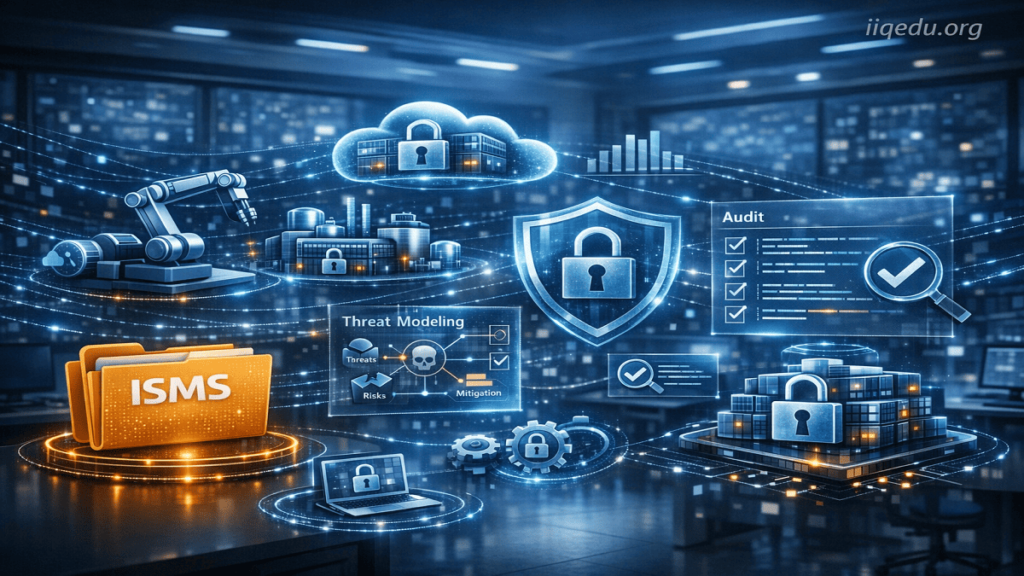
Case Study of Secure Software Development Life Cycle (SDLC)
Case Study: Implementing Secure SDLC in a Financial Technology Company
Organization: FinTech Solutions Inc., a global provider of mobile banking and payment applications.
Challenge:
FinTech Solutions faced increasing threats from cyberattacks targeting customer financial data, including phishing, account takeovers, and API vulnerabilities. Regulatory bodies required compliance with PCI DSS and ISO 27001, and the company needed to secure its software without slowing down rapid agile development cycles.
Solution:
The company implemented a Secure Software Development Life Cycle (SDLC) to embed security at every stage of development:
- Requirements Phase:
- Identified regulatory and security requirements.
- Conducted threat modeling to anticipate potential attack vectors on mobile apps and APIs.
- Design Phase:
- Adopted secure architecture principles, including multi-factor authentication, tokenization of sensitive data, and encrypted communication channels.
- Defined roles and access controls for developers and system administrators.
- Implementation Phase:
- Enforced OWASP secure coding standards for all developers.
- Integrated automated static code analysis tools into CI/CD pipelines to detect vulnerabilities early.
- Testing Phase:
- Performed penetration testing on mobile applications, web portals, and backend APIs.
- Conducted vulnerability scanning and fuzz testing on critical modules.
- Deployment Phase:
- Hardened servers, databases, and cloud environments before deployment.
- Verified configuration management and access controls.
- Maintenance Phase:
- Established continuous monitoring for security incidents.
- Implemented rapid patch management and periodic security audits.
Results:
- Zero major security breaches in the first year after SDLC implementation.
- Reduced remediation costs by 40%, as vulnerabilities were detected during development rather than after deployment.
- Achieved ISO 27001 certification and PCI DSS compliance, enhancing trust among customers and partners.
- Developers reported improved awareness of secure coding practices, creating a culture of security across the organization.
Key Takeaways:
- Implementing a Secure SDLC ensures proactive risk management rather than reactive fixes.
- Security integration in agile environments is feasible through automation, training, and clear policies.
- Compliance and customer trust are strengthened when software security is embedded in every development phase.
References:
- NIST SP 800-218 – Secure Software Development Framework
- ISO/IEC 27034 – Application Security
- OWASP Secure Coding Guidelines
#Secure Software Development Life Cycle (SDLC) in Pune
White Paper of Secure Software Development Life Cycle (SDLC)
Executive Summary
The Secure Software Development Life Cycle (SDLC) is a methodology that integrates security into every phase of software development, from initial design to maintenance. With increasing cyber threats and stringent regulatory requirements, organizations must adopt secure SDLC practices to protect sensitive data, prevent breaches, and maintain customer trust. This white paper outlines the principles, implementation strategies, industry applications, and benefits of secure SDLC.
1. Introduction
Modern software systems are frequently targeted by cyberattacks, resulting in data breaches, financial loss, and reputational damage. Traditional SDLC approaches focus on functionality, often leaving security as an afterthought. Secure SDLC embeds security practices into every phase, ensuring that vulnerabilities are minimized and regulatory requirements are met from the outset.
2. Objectives of Secure SDLC
- Proactively identify and mitigate security risks.
- Ensure compliance with standards such as ISO 27001, NIST SP 800-218, PCI DSS, and HIPAA.
- Reduce costs and effort associated with post-deployment vulnerability fixes.
- Enhance customer trust and brand reputation through robust software security.
- Promote a culture of security awareness across development teams.
3. Phases of Secure SDLC
- Planning & Requirements:
- Identify functional, security, and regulatory requirements.
- Conduct risk assessments and define critical assets.
- Design:
- Threat modeling and secure architecture.
- Define authentication, authorization, and encryption mechanisms.
- Implementation (Coding):
- Apply secure coding standards (e.g., OWASP).
- Use automated tools for static and dynamic code analysis.
- Testing:
- Security testing, including penetration testing, vulnerability scanning, and fuzz testing.
- Test both functionality and security requirements.
- Deployment:
- Harden environments, verify configurations, and implement access controls.
- Maintenance & Monitoring:
- Patch management and continuous monitoring for vulnerabilities.
- Regular audits and incident response readiness.
4. Benefits of Secure SDLC
- Early identification of security vulnerabilities reduces remediation costs.
- Compliance with regulatory and industry standards.
- Improved software reliability, resilience, and operational continuity.
- Strengthened customer trust through demonstrable security practices.
- Facilitates secure agile and DevOps practices by integrating automated security checks.
5. Industry Applications
- Finance: Securing online banking, payment systems, and fintech applications.
- Healthcare: Protecting electronic health records and medical devices.
- Government: Ensuring secure citizen services and critical infrastructure software.
- Technology & Cloud: Protecting SaaS platforms, APIs, and cloud-hosted applications.
- Industrial & IoT: Securing connected devices and industrial control systems.
- Education & Research: Safeguarding academic and research data.
6. Case Study
FinTech Solutions Inc. implemented a secure SDLC to protect mobile banking applications. Through integrated threat modeling, secure coding, automated testing, and continuous monitoring, the company achieved ISO 27001 certification, reduced post-deployment vulnerability costs by 40%, and reported zero major breaches in the first year.
7. Best Practices for Implementation
- Conduct training for developers on secure coding and threat awareness.
- Integrate automated security tools into CI/CD pipelines.
- Establish policies for third-party component validation.
- Perform regular audits and update security controls continuously.
- Embed security metrics into project reporting for accountability.
8. Conclusion
Secure SDLC is no longer optional in today’s threat landscape. By integrating security from the planning phase through maintenance, organizations can reduce risk, ensure compliance, save costs, and build trust. Adopting a structured secure SDLC framework strengthens organizational resilience and supports business continuity in an increasingly digital world.
References
- ISO/IEC 27034 – Application Security
- NIST SP 800-218 – Secure Software Development Framework
- OWASP Secure Coding Practices
#Secure Software Development Life Cycle (SDLC) in Banglore
Industry Application of Secure Software Development Life Cycle (SDLC)
The Secure SDLC is essential across industries where software handles sensitive data, supports critical operations, or must comply with regulatory standards. Implementing secure SDLC practices ensures proactive risk management, regulatory compliance, and protection against cyber threats. Key industry applications include:
1. Finance and Banking
- Applications: Mobile banking apps, online payment gateways, fintech platforms.
- Why Secure SDLC is Needed: Financial data is highly sensitive and frequently targeted by cybercriminals. Secure SDLC ensures protection against fraud, phishing attacks, and account takeovers.
- Standards: PCI DSS, ISO 27001, GDPR compliance.
2. Healthcare
- Applications: Electronic Health Records (EHRs), telemedicine software, medical device firmware.
- Why Secure SDLC is Needed: Healthcare systems store personal health information (PHI), which is heavily regulated. Secure SDLC reduces vulnerabilities in patient-facing and clinical software.
- Standards: HIPAA, ISO 27799, GDPR.
3. Government and Public Sector
- Applications: E-governance portals, citizen service applications, public infrastructure software.
- Why Secure SDLC is Needed: Protects sensitive citizen data, prevents service disruptions, and ensures integrity of critical public systems.
- Standards: NIST Cybersecurity Framework, ISO 27001.
4. Technology and Cloud Services
- Applications: SaaS platforms, cloud-hosted applications, APIs, DevOps pipelines.
- Why Secure SDLC is Needed: Cloud applications are exposed to multiple external users and integrations. Secure SDLC ensures that security is embedded from design to deployment, mitigating breaches and data leaks.
- Standards: ISO 27001, NIST SP 800-218, SOC 2.
5. Industrial and IoT Systems
- Applications: Smart factories, industrial control systems, connected IoT devices.
- Why Secure SDLC is Needed: Industrial and IoT systems are susceptible to cyber-physical attacks. Secure SDLC ensures that both software and connected hardware are resilient against threats.
- Standards: IEC 62443, ISO 27001.
6. Education and Research
- Applications: University portals, research databases, collaborative software platforms.
- Why Secure SDLC is Needed: Protects sensitive academic and research data from breaches, intellectual property theft, or misuse.
- Standards: ISO 27001, GDPR.
Key Insight
Secure SDLC is not industry-limited. Any organization that develops software handling sensitive, regulated, or critical data benefits from embedding security throughout the software lifecycle. By integrating secure SDLC, industries enhance compliance, minimize risks, and foster stakeholder trust.
Reference Links:
- ISO/IEC 27034 – Application Security
- NIST SP 800-218 – Secure Software Development Framework
- OWASP Secure Coding Guidelines
#Secure Software Development Life Cycle (SDLC) in Mumbai
Ask FAQs
What is Secure Software Development Life Cycle (SDLC)?
Secure SDLC is a methodology that integrates security practices into every phase of software development—from planning and design to coding, testing, deployment, and maintenance. Its purpose is to prevent vulnerabilities, protect sensitive data, and ensure compliance with standards such as ISO 27001, NIST, and GDPR.
Who needs Secure SDLC?
Organizations that develop, maintain, or deploy software handling sensitive, regulated, or critical data require secure SDLC. This includes finance, healthcare, government, cloud and SaaS providers, industrial IoT manufacturers, and research institutions. Startups and SMEs are also encouraged to adopt it to ensure secure software delivery and regulatory compliance.
When should Secure SDLC be implemented?
Secure SDLC should be applied throughout the software lifecycle, including planning, development, testing, deployment, and maintenance. It is especially critical when software handles sensitive data, interacts with third-party components, undergoes frequent updates, or is subject to regulatory requirements.
How is Secure SDLC implemented?
ecure SDLC is implemented by:
Defining security requirements during planning.
Performing threat modeling and secure design.
Applying secure coding practices and static code analysis.
Conducting security testing, including penetration and vulnerability testing.
Deploying software in hardened environments.
Continuously monitoring, patching, and auditing the system.
What are the benefits of Secure SDLC?
Key benefits include:
Reduced security vulnerabilities and breach risks.
Compliance with industry standards and regulations.
Lower costs by detecting issues early in development.
Enhanced customer trust and software reliability.
Creation of a culture of security awareness within development teams.
Source: Simplilearn
Table of Contents
Disclaimer:
The information provided is for general guidance only and does not constitute legal, regulatory, or professional advice. Organizations should consult qualified experts to address specific security, compliance, or SDLC requirements.