Additive Manufacturing & Smart Materials, Quality Frameworks for Bio-printing

Quality Frameworks for Bio-printing

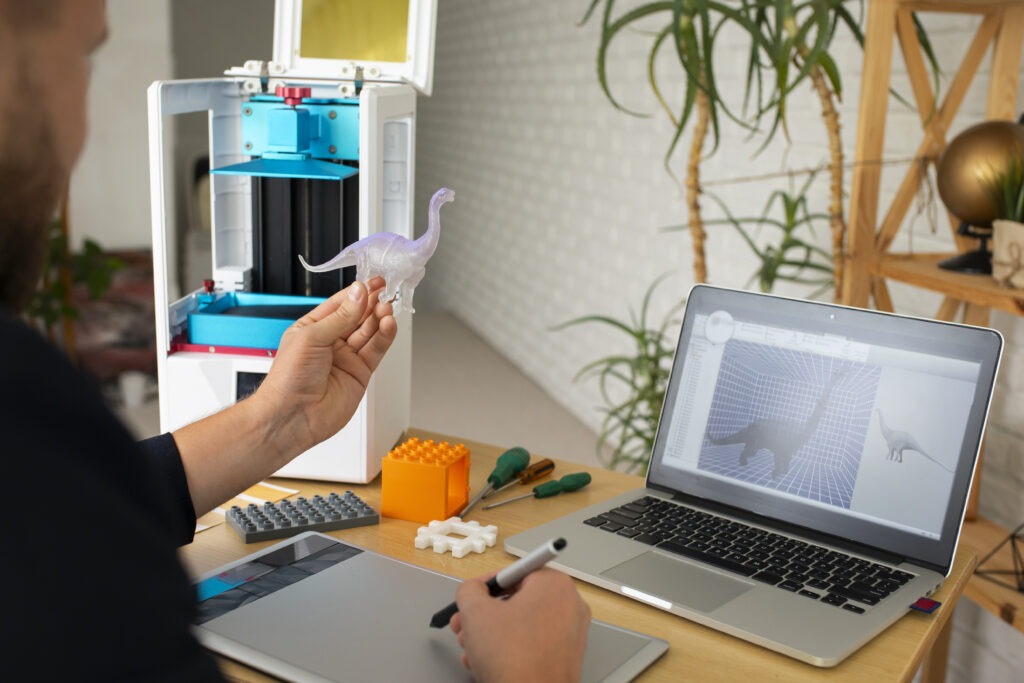
Quality Frameworks for Bio-printing Quality Frameworks for Bio-printing the process of 3D printing living cells and biomaterials to create functional tissues and organs, operates at the intersection of additive manufacturing, biology, medicine, and engineering. Given its direct impact on human health and potential for therapeutic applications, the Quality Frameworks assurance (QA) framework for bioprinting is exceptionally stringent and multifaceted. Unlike typical industrial 3D printing, bioprinting QA must account for the viability, function, and long-term behavior of living cells, in addition to the mechanical and structural integrity of the printed construct. Here’s a breakdown of the key Quality Frameworks for Bio-printing and their application in bioprinting: 1. Regulatory Frameworks These are the foundational legal and governmental guidelines that dictate how bioprinted products are developed, manufactured, and used in clinical settings. They are the primary drivers of QA requirements. 2. Quality Management Systems (QMS) These are organizational systems designed to ensure consistent product quality. For bioprinting, a QMS is not just about compliance but about building quality into every step of the highly complex process. 3. Standards and Guidelines (ASTM, ISO, etc.) These provide specific technical requirements and test methods. While often voluntary, they are widely adopted and can become de facto requirements by regulatory bodies or industry best practice. 4. Technical QA & Validation Processes Specific to Bioprinting Beyond the overarching frameworks, granular QA is applied at each stage. Conclusion The quality framework for bioprinting is an intricate ecosystem of regulations, QMS standards, technical guidelines, and advanced analytical methodologies. Its primary goal is to ensure the safety, efficacy, and reproducibility of bioprinted tissues and organs, enabling their successful translation from research labs to clinical applications. As the field advances, these frameworks will continue to evolve, becoming more specific and comprehensive to address the unique complexities of creating living therapeutic products. What is Quality Frameworks for Bio-printing? Bioprinting is a complex and highly interdisciplinary field that combines aspects of additive manufacturing, cell biology, biomaterials science, and regenerative medicine. Given its ultimate goal of creating functional tissues and organs for therapeutic use, the Quality Frameworks for Bioprinting are exceptionally rigorous and multi-layered, focused on ensuring safety, efficacy, and reproducibility. Unlike traditional 3D printing QA which primarily focuses on mechanical properties and dimensional accuracy of inert materials, bioprinting QA must additionally address the viability, function, and long-term behavior of living cells, and the biological compatibility and degradation of biomaterials (bioinks). Here are the key components of the quality framework for bioprinting: 1. Regulatory Frameworks (The Overarching Rules) These are the fundamental legal and governmental guidelines that dictate how bioprinted products are developed, manufactured, and ultimately used in patients. 2. Quality Management Systems (QMS) These are the operational systems implemented by organizations to ensure consistent product quality and regulatory compliance. 3. Standards and Guidelines (Technical Specifications) These provide specific technical requirements, test methods, and best practices for materials and processes. 4. Technical QA & Validation Processes Specific to Bioprinting These are the practical, scientific methods used at each stage of the bioprinting workflow. Conclusion The Quality Framework for Bioprinting is a comprehensive and dynamic system that ensures the safety, efficacy, and reproducibility of bioprinted products. It integrates rigorous regulatory compliance (FDA, EU MDR, ATMP), robust QMS (ISO 13485, GMP), specific technical standards (ISO 10993, ASTM F3659, VDI Bio), and advanced analytical techniques at every stage of the bioprinting workflow. This multi-layered approach is essential to build confidence in this transformative technology and successfully translate bioprinted tissues and organs from research into clinical realities. Who is require Quality Frameworks for Bio-printing? Courtesy: Advanced BioMatrix Inc. Quality Frameworks for Bioprinting are required by anyone involved in the research, development, manufacturing, and clinical translation of bioprinted tissues, organs, or related products, especially if those products are intended for use in humans or for regulated applications like drug testing. Here’s a breakdown of who specifically needs to adhere to and implement these quality frameworks: 1. Biopharmaceutical and Medical Device Companies 2. Academic Research Institutions and Universities 3. Contract Research Organizations (CROs) and Contract Development and Manufacturing Organizations (CDMOs) 4. Bioink and Bioprinter Manufacturers 5. Regulatory Bodies and Government Agencies 6. Standardization Organizations In summary, the requirement for Quality Frameworks in bioprinting extends to anyone who impacts the quality, safety, and efficacy of a bioprinted product, particularly those intended for clinical application or other regulated uses. This holistic responsibility ensures that the incredible potential of bioprinting can be translated safely and effectively from the lab to patient care. When is require Quality Frameworks for Bio-printing? Quality Frameworks for Bioprinting are required at every stage of the bioprinted product’s lifecycle, but the intensity and specific types of frameworks applied increase significantly as a product moves from early research towards clinical translation and commercialization. Here’s a breakdown of “when” these frameworks become increasingly critical: 1. Early Research & Development (Lab / Benchtop Scale) 2. Pre-Clinical Development (In Vitro & In Vivo Testing) 3. Clinical Development (Human Trials) 4. Commercialization & Post-Market Surveillance In essence, the requirement for Quality Frameworks for Bioprinting is not a singular event, but a continually escalating demand that intensifies as the bioprinted product matures along the research-to-clinic pipeline. The closer a product gets to human application, the more formal, comprehensive, and stringently regulated the QA framework becomes. Where is require Quality Frameworks for Bio-printing? Quality Frameworks for Bioprinting are required in various “locations” or contexts, encompassing both physical spaces where bioprinting occurs and the regulatory and organizational environments that govern the entire process. Here’s a breakdown of “where” these frameworks are applied: 1. Manufacturing Facilities (Physical Location) This is the most direct “where” for implementing bioprinting QA. 2. Regulatory Jurisdictions (Geographical & Legal Location) The specific country or region where the bioprinted product is developed, manufactured, or intended for use dictates the primary regulatory framework. 3. Organizational Structures (Within Companies/Institutions) Quality frameworks are embedded within the operational structure of organizations involved in bioprinting. 4. Standardization Bodies (Virtual & Collaborative Spaces) While not physical locations in the traditional sense, these are the “places” where the standards themselves are
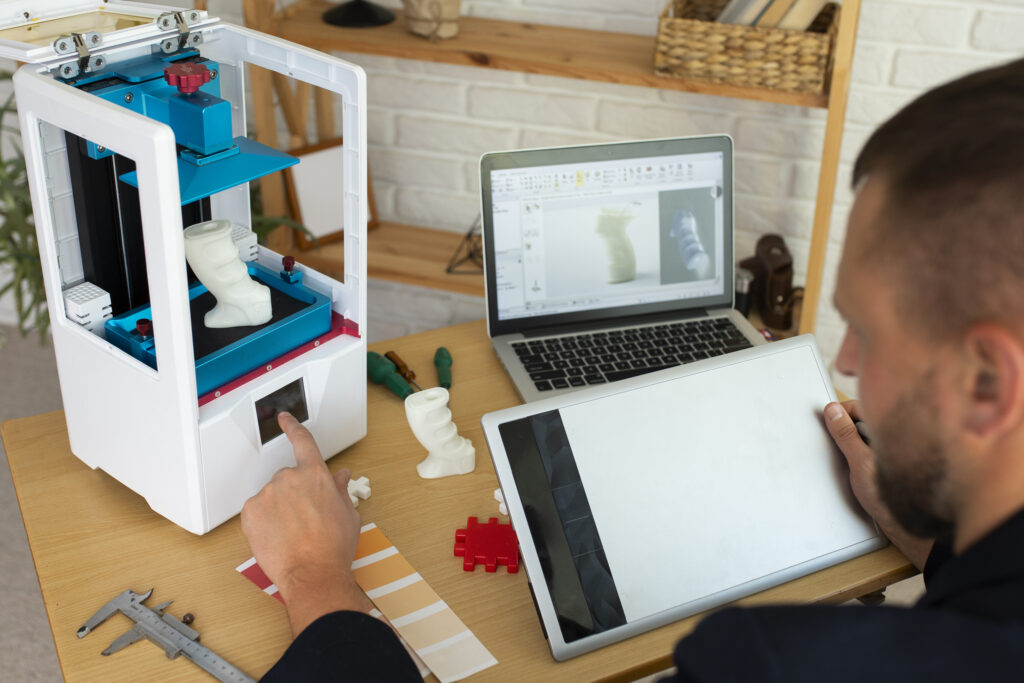

QA for 3D Printed Components. QA for 3D Printed Components.
Additive Manufacturing & Smart Materials, Quality Frameworks for Bio-printing

QA for 3D Printed Components

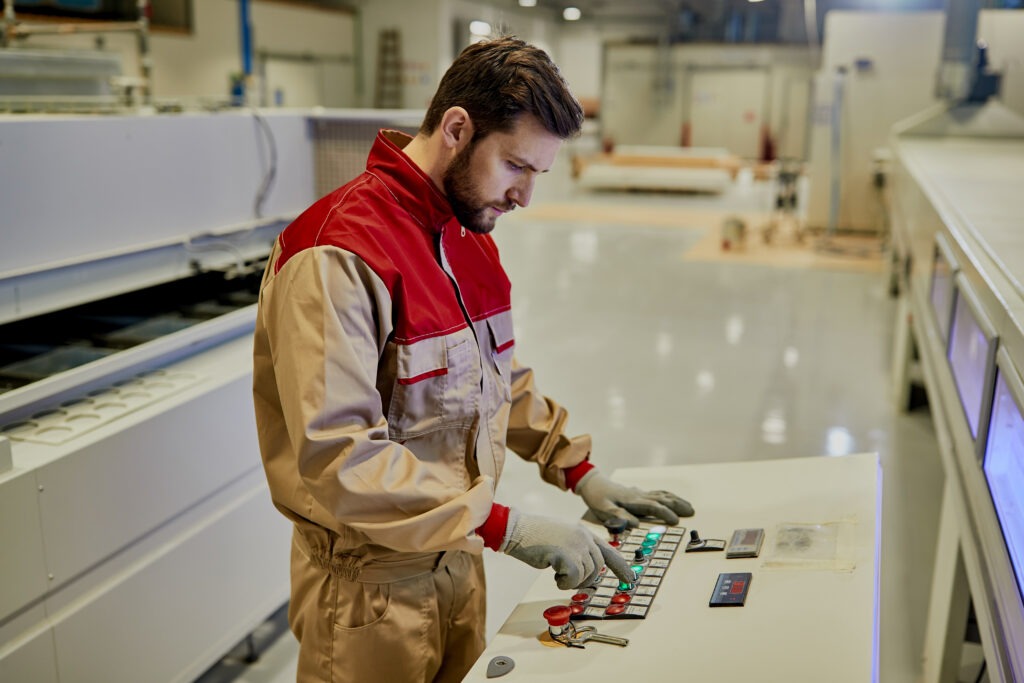
QA for 3D printed components ensures that printed parts meet design specifications, functional performance, and safety standards. It includes dimensional accuracy checks, surface finish inspection, mechanical testing (strength, durability), and defect detection (porosity, warping, or layer separation). Techniques often involve visual inspection, 3D scanning, X-ray/CT imaging, and automated monitoring during printing to maintain consistent quality.

Powder Bed Monitoring.
Additive Manufacturing & Smart Materials, Powder Bed Monitoring in AM

Powder Bed Monitoring in AML

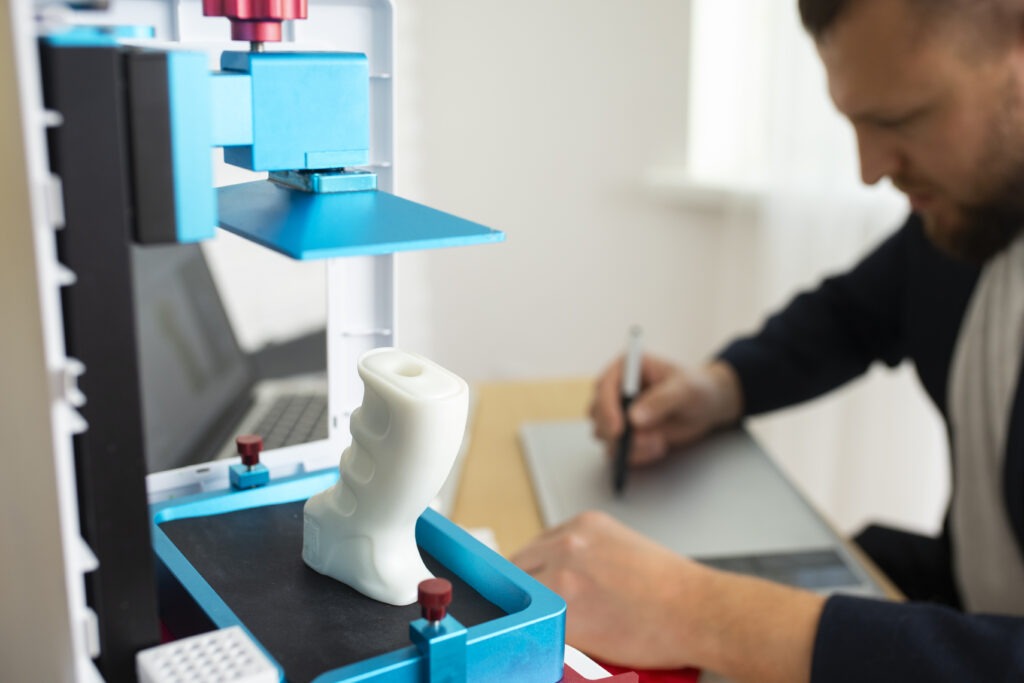
Powder Bed Monitoring in AML Powder Bed Monitoring in AML the quality of the powder bed is foundational to the final part’s integrity. Any inconsistencies at this stage can directly lead to defects in the printed component. Powder bed monitoring in Additive Manufacturing (AML), particularly in Powder Bed Fusion (PBF) processes like Laser Powder Bed Fusion (LPBF) and Electron Beam Melting (EBM), is a critical aspect of in-situ monitoring. It focuses specifically on assessing the quality and consistency of each powder layer before and/or during the energy input (laser or electron beam) that fuses it to the previous layer. Why is Powder Bed Monitoring Required? The uniformity and characteristics of the powder bed directly impact several critical aspects of the 3D printing process and the final part quality: Key Techniques for Powder Bed Monitoring: Most powder bed monitoring systems rely on optical sensing techniques, often combined with advanced image processing and machine learning. Industrial Applications and Benefits: Powder bed monitoring is crucial in industries where part quality and reliability are non-negotiable: Benefits of effective powder bed monitoring: In essence, powder bed monitoring is a vital component of a comprehensive in-situ quality assurance strategy in AM, addressing issues at the very beginning of each new layer to ensure the integrity of the final 3D printed component. What is Powder Bed Monitoring in AML? Powder Bed Monitoring is a crucial aspect of in-situ monitoring in Additive Manufacturing (AM), specifically within Powder Bed Fusion (PBF) processes. These processes include common 3D printing techniques like: In PBF, a thin layer of powdered material (metal, polymer, ceramic) is spread across a build platform. A high-energy source (laser or electron beam) then selectively melts or sinters sections of this powder to form a solid layer, which fuses to the previous one. This process repeats, layer by layer, until the entire 3D object is built. Powder bed monitoring specifically refers to the real-time or near-real-time assessment of the quality and consistency of this freshly spread powder layer before or during its interaction with the energy source. Why is Powder Bed Monitoring Critical? The quality of the powder bed is foundational to the final part’s integrity. Any inconsistencies at this stage can directly lead to significant defects in the printed component, impacting its mechanical properties, density, and dimensional accuracy. Here’s why it’s so important: How is Powder Bed Monitoring Typically Performed? Powder bed monitoring primarily relies on optical sensing techniques coupled with sophisticated image processing and often machine learning algorithms: Benefits of Powder Bed Monitoring: In essence, powder bed monitoring is a fundamental component of achieving high-quality, repeatable, and certifiable parts in powder bed fusion 3D printing. Who is require Powder Bed Monitoring in AML? Courtesy: RT compliance Singapore Powder bed monitoring in Additive Manufacturing (AM) is required by a specific set of users and industries who are seeking to achieve high quality, reliability, and consistency in their 3D printed parts, particularly those using Powder Bed Fusion (PBF) technologies. Here’s a breakdown of who specifically requires powder bed monitoring: 1. Manufacturers of Critical, High-Value Components This is the primary driver for powder bed monitoring. Industries where component failure has severe consequences or where parts operate under extreme conditions absolutely need this level of quality control. 2. Companies Seeking Process Qualification and Certification For AM to move beyond prototyping to mainstream manufacturing, processes and parts need to be qualified and certified. 3. Research & Development Institutions and Material Developers These entities are at the forefront of advancing AM technology and discovering new materials. 4. Users Aiming for Automated and Closed-Loop AM Processes The ultimate goal for advanced AM is self-correcting machines. Powder bed monitoring is a key enabler for this. In essence, anyone for whom “print-and-pray” is not an option – those dealing with high costs, high risks, or high volume production where quality and consistency are paramount – will require powder bed monitoring in their additive manufacturing workflow. When is require Powder Bed Monitoring in AML? Powder bed monitoring in Additive Manufacturing (AML) is required in specific situations and at critical junctures within the 3D printing process, particularly for Powder Bed Fusion (PBF) technologies. It’s not always a necessity for every print, but it becomes indispensable when certain conditions or goals are present. Here’s when powder bed monitoring is required: 1. When Printing Critical or High-Value Components: This is the foremost reason. If the failure of a 3D printed part has severe consequences (safety, financial, or operational), powder bed monitoring is a must. 2. During Process Development and Parameter Optimization: When establishing new AM processes, experimenting with new materials, or fine-tuning existing parameters, powder bed monitoring provides crucial feedback. 3. For Ensuring Batch-to-Batch Consistency and Repeatability in Production: Even after a process is deemed stable, external factors or subtle machine wear can introduce variability. 4. When Implementing Automated Quality Assurance and “Digital Twins”: To move towards Industry 4.0 and smart factories, automated quality checks are essential. 5. To Enable Future Closed-Loop Control: The ultimate goal of in-situ monitoring is often to enable self-correcting 3D printers. In summary, powder bed monitoring is required whenever there is a demand for high reliability, strict quality control, cost efficiency through defect reduction, or the need for comprehensive data for process understanding and certification in Powder Bed Fusion AM. It’s a key investment that transitions 3D printing from a prototyping tool to a robust, industrial-scale manufacturing process. Where is require Powder Bed Monitoring in AML? Powder bed monitoring in Additive Manufacturing (AML) is fundamentally required within the 3D printing machine itself, specifically in the build chamber where the powdered material layers are successively deposited and fused. Here’s a more detailed breakdown of where it’s required, considering both the physical location and the broader context: 1. Inside the 3D Printer’s Build Chamber (Primary Location) This is the most direct and essential “where” for powder bed monitoring. The sensors and systems must have a clear, unobstructed view or access to the powder bed. Specific Sensor Placements: 2. Within the 3D Printer’s Control System (Software

Uncategorized

In-situ Monitoring in 3D Printing

In-situ Monitoring in 3D Printing In-situ monitoring in 3D printing (Additive Manufacturing, AM) refers to the real-time observation and measurement of the printing process as it happens, layer by layer, within the build chamber. Unlike post-process inspection, where a finished part is checked for defects, in-situ monitoring aims to detect anomalies and deviations during fabrication, enabling immediate feedback and, potentially, corrective actions. This concept is crucial for advancing 3D printing from a prototyping tool to a robust manufacturing method, especially for high-value and critical applications in industries like aerospace, medical, and automotive. Why is In-situ Monitoring Required in 3D Printing? 3D printing processes, particularly those involving high-energy sources like lasers or electron beams (e.g., Powder Bed Fusion for metals), are complex and involve rapid thermal cycles, phase changes, and solidification. These complexities can lead to various defects: Traditional post-process inspection (e.g., CT scanning, destructive testing) is time-consuming, expensive, and may not reveal the root cause of a defect. In-situ monitoring addresses these challenges by: How is In-situ Monitoring Implemented? (Technologies) Various sensor technologies and analytical techniques are used for in-situ monitoring, often in combination (sensor fusion): Data Processing and Analysis The vast amount of data generated by in-situ monitoring systems requires sophisticated processing: Industrial Applications of In-situ Monitoring In-situ monitoring is particularly vital in industries with high-performance requirements and strict quality standards for 3D printed parts: In conclusion, in-situ monitoring is transforming 3D printing by providing unprecedented visibility into the layer-by-layer fabrication process. It’s a key enabler for achieving industrial-scale production of high-quality, reliable 3D printed parts, reducing waste, and unlocking the full potential of additive manufacturing. What is In-situ Monitoring in 3D Printing? In-situ monitoring in 3D printing (also known as Additive Manufacturing, or AM) refers to the real-time observation, measurement, and analysis of the manufacturing process as it happens, layer by layer, within the 3D printer’s build chamber. Think of it as the 3D printer gaining “eyes and ears” to understand what’s happening inside during the build, rather than just inspecting the finished product. This contrasts sharply with traditional “post-process” inspection, where a part is checked for defects only after it’s fully printed. Key characteristics of in-situ monitoring: Why is it so important? 3D printing processes, especially for advanced materials like metals, are complex and sensitive. Minute deviations in parameters (like laser power, powder distribution, or temperature) can lead to critical defects within the part, such as: Traditional methods would only discover these defects after the entire (often expensive) part is finished, leading to wasted material, time, and energy. In-situ monitoring aims to: How it’s typically done (common technologies): By integrating these sensors and utilizing advanced data analytics (often powered by AI and machine learning), in-situ monitoring is becoming a cornerstone for achieving the high levels of quality, repeatability, and efficiency needed for industrial-scale 3D printing. Who is require In-situ Monitoring in 3D Printing? Courtesy: Dragon Programmer In-situ monitoring in 3D printing is primarily required by anyone who needs to ensure the high quality, reliability, and consistency of 3D printed parts, especially for critical or high-value applications. This encompasses various stakeholders across different industries and roles: 1. Manufacturers of 3D Printing Systems (OEMs) 2. End-Users of 3D Printing for Production (Manufacturing Companies) This is the largest group requiring in-situ monitoring, particularly those using metal additive manufacturing (AM) or high-performance polymer AM. 3. Research & Development Institutions and Universities 4. Service Bureaus (Contract Manufacturers) 5. Regulatory Bodies and Standard Organizations In essence, anyone who is moving beyond basic prototyping with 3D printing and stepping into serial production of functional, high-performance, or critical components will increasingly require robust in-situ monitoring capabilities to ensure the integrity, reliability, and economic viability of their additive manufacturing operations. When is require In-situ Monitoring in 3D Printing? In-situ monitoring in 3D printing is required in specific scenarios and stages of the additive manufacturing process, especially when the stakes for part quality and reliability are high. It’s not a universal requirement for every 3D print, but it becomes critical under certain conditions. Here’s when in-situ monitoring is typically required: 1. For Critical and High-Value Applications This is the most significant driver for in-situ monitoring. If a part’s failure could lead to catastrophic consequences (loss of life, severe injury, massive financial loss), then in-situ monitoring is highly recommended or even mandated. 2. During Process Development and Optimization When establishing new 3D printing processes, developing new materials, or optimizing existing ones, in-situ monitoring provides invaluable insights. 3. For Ensuring Part Consistency and Repeatability in Production Even after a process is optimized, variations can occur in high-volume or critical production runs. 4. When Internal Features are Complex or Inaccessible for Post-Process Inspection Some 3D printed parts have intricate internal geometries that are difficult or impossible to inspect non-destructively after the print is complete. 5. When Implementing Closed-Loop Control The ultimate goal of in-situ monitoring is often to enable automated, real-time adjustments to the printing process. In summary, in-situ monitoring is particularly required: It’s a strategic investment that moves 3D printing from a “print and pray” approach to a more controlled, predictable, and certifiable manufacturing method. Sources Where is require In-situ Monitoring in 3D Printing? In-situ monitoring in 3D printing is primarily required within the 3D printing machine itself, particularly in the build chamber where the part is being fabricated. Beyond this direct location, the data generated by in-situ monitoring is crucial in several other “locations” or contexts within the broader manufacturing ecosystem. Here’s a breakdown of where in-situ monitoring is required: 1. Inside the 3D Printer’s Build Chamber This is the primary and most direct location where in-situ monitoring sensors are integrated. 2. Within the 3D Printer’s Control System (Software) The raw data collected by in-situ sensors is fed directly into the printer’s control software. 3. In Dedicated Data Analysis and Quality Assurance Workstations/Labs The vast amount of data collected by in-situ monitoring systems often requires dedicated computational power and expert analysis. 4. Within R&D Facilities and Universities Academic and corporate research settings are crucial “where” in-situ monitoring

Flexible Electronics Quality Control
Additive Manufacturing & Smart Materials, Flexible Electronics Quality Control

Flexible Electronics Quality Control

Flexible electronics quality control involves inspecting and testing bendable or stretchable electronic devices—like wearable sensors, flexible displays, and printed circuits—to ensure they meet performance, durability, and reliability standards. It focuses on detecting defects such as cracks, delamination, conductivity loss, or material fatigue while maintaining flexibility, often using optical inspection, electrical testing, and mechanical stress analysis.

Embedded Sensors in Printed Products
Additive Manufacturing & Smart Materials, Embedded Sensors in Printed Products

Embedded Sensors in Printed Products

Embedded sensors in printed products integrate sensing capabilities directly into objects during the additive manufacturing (3D printing) process. These sensors can monitor temperature, pressure, strain, motion, or environmental conditions in real time, enabling “smart” products that provide feedback, improve performance, and support predictive maintenance. This approach allows seamless integration of functionality without additional assembly or retrofitting.

Additive Manufacturing & Smart Materials, Composite Material Inspection Tools

Composite Material Inspection Tools

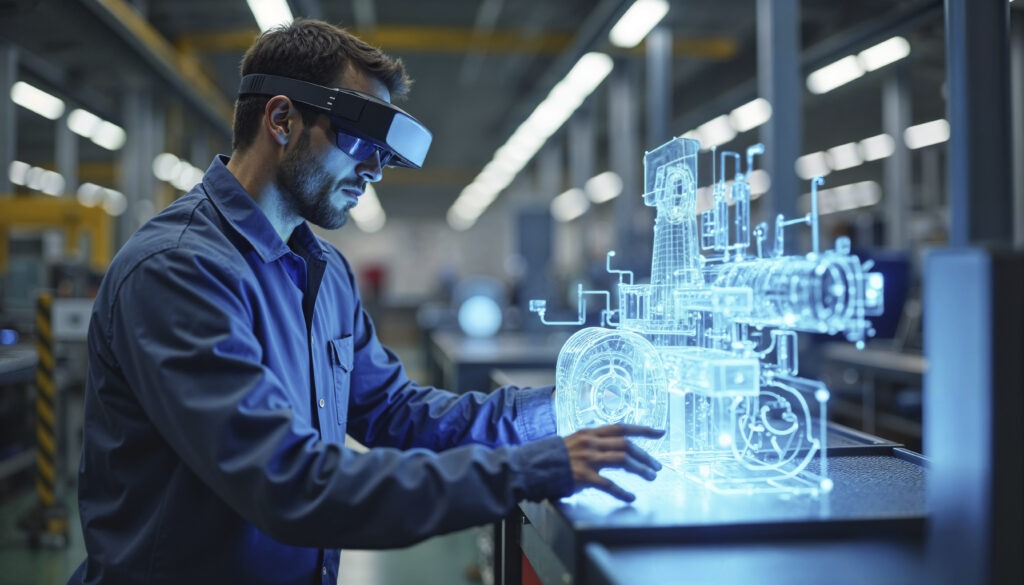
Composite Material Inspection Tools Composite materials, such as Carbon Fiber Reinforced Polymers (CFRPs) and Glass Fiber Reinforced Polymers (GFRPs), are increasingly used across various industries due to their high strength-to-weight ratio, corrosion resistance, and design flexibility. However, their complex layered structure and manufacturing processes make them susceptible to various defects (e.g., delaminations, voids, disbonds, impact damage, fiber misalignment). Effective inspection tools are crucial for ensuring the quality, safety, and longevity of Composite Material Inspection Tools structures throughout their lifecycle, from manufacturing to in-service maintenance. These tools largely fall under Non-Destructive Testing (NDT) methods, as they inspect the material without causing damage. Here’s an overview of common and advanced Composite Material Inspection Tools inspection tools: I. Visual Inspection Tools While seemingly basic, visual inspection is often the first step and can detect surface-level defects. II. Ultrasonic Testing (UT) This is one of the most widely used and versatile NDT methods for Composite Material Inspection Tools. It uses high-frequency sound waves to detect internal flaws. III. Thermography (Infrared Testing) This method detects defects by observing thermal patterns on the material’s surface, as defects can alter heat flow. IV. Shearography (Laser Shearography) An optical NDT technique that measures out-of-plane displacement gradients on a surface under load to detect defects. V. Radiography (X-ray & CT Scanning) Uses X-rays or gamma rays to produce images of the internal structure. VI. Other Emerging and Specialized Tools: The choice of inspection tool depends on the Composite Material Inspection Tools type, the expected defect types, the size and geometry of the component, the accessibility of the inspection area, the required sensitivity, and cost considerations. Often, multiple NDT methods are employed in combination to achieve a comprehensive assessment of composite material integrity. What is Composite Material Inspection Tools? Composite Material Inspection Tools inspection tools are specialized equipment and techniques used to assess the quality, integrity, and structural health of Composite Material Inspection Tools without causing damage to the material itself. These tools are crucial because Composite Material Inspection Tools, unlike metals, can have complex internal structures (layers of fibers and resin) and are susceptible to various defects that are not visible on the surface. The primary goal of these tools is to detect and characterize flaws that could compromise the material’s performance, safety, and lifespan. Such flaws can arise during manufacturing (e.g., voids, porosity, delaminations, fiber misalignment, resin-rich or resin-starved areas) or during service (e.g., impact damage, fatigue cracks, disbonding of layers, water ingress). These tools fall under the umbrella of Non-Destructive Testing (NDT) or Non-Destructive Evaluation (NDE) methods. Why are these tools “required” for composite materials? Key Categories of Composite Material Inspection Tools: The tools utilize different physical principles to “see” inside or evaluate the material’s properties. In essence, composite material inspection tools are the diagnostic instruments for Composite Material Inspection Tools structures, allowing engineers and technicians to ensure quality, identify flaws, and predict performance, thereby guaranteeing safety and reliability in diverse industrial applications. Who is require Composite Material Inspection Tools? Courtesy: mtcaving Composite material inspection tools are required by a wide range of individuals, organizations, and industries where the integrity and performance of Composite Material Inspection Tools structures are critical for safety, efficiency, and quality. Here’s a breakdown of who specifically requires these tools and why: I. Industries that Extensively Use Composites: II. Professionals and Organizations: In essence, anyone involved in the design, manufacturing, quality assurance, maintenance, or regulation of Composite Material Inspection Tools requires access to and expertise in composite material inspection tools. The complex nature and critical applications of Composite Material Inspection Tools make robust and reliable inspection indispensable. When is require Composite Material Inspection Tools? Composite material inspection tools are required at various critical stages throughout the entire lifecycle of a composite product, from raw material assessment to in-service monitoring. This ensures quality, safety, and performance, especially given the hidden nature of many Composite Material Inspection Tools defects. Here’s a breakdown of when these tools are essential: I. During Manufacturing (Quality Control & Assurance): This is a crucial phase where the majority of defects can be introduced. Inspections here prevent costly rework or scrap later. II. During Assembly: III. During In-Service Life (Maintenance, Repair, and Overhaul – MRO): Regular and incident-based inspections are vital for safety and extending the lifespan of Composite Material Inspection Tools structures. IV. During Research & Development (R&D): In summary, composite material inspection tools are indispensable at every major juncture in a Composite Material Inspection Tools product’s life, from its birth in manufacturing to its ongoing service, ensuring that these high-performance materials deliver on their promise of strength, durability, and safety. Where is require Composite Material Inspection Tools? Composite material inspection tools are required in virtually any sector or location where Composite Material Inspection Tools materials are manufactured, assembled, or maintained, due to the critical need for quality assurance, safety, and performance. Here’s a breakdown of the “where” these tools are indispensable: I. Manufacturing Facilities: This is the primary location for initial quality control and defect detection. II. Maintenance, Repair, and Overhaul (MRO) Facilities: These locations focus on inspecting in-service components for wear, damage, and fatigue. III. Research & Development (R&D) Laboratories: IV. Specialized NDT Service Providers: In essence, composite material inspection tools are required wherever the hidden integrity of a composite component is critical to its performance, safety, and longevity. This spans the entire value chain, from the creation of the raw material to its operational life and eventual retirement. How is require Composite Material Inspection Tools? The requirement for Composite Material Inspection Tools is fundamentally about how to achieve reliable, safe, and cost-effective operations when using these advanced materials. It’s about addressing the unique challenges presented by composites compared to traditional materials like metals. Here’s how composite material inspection tools are required to meet various objectives: I. How They Ensure Quality and Reliability during Manufacturing: II. How They Ensure Safety and Extend Service Life in Operations (MRO): III. How They Support Design and Development: In summary, composite material inspection tools are required as essential diagnostic instruments that

Contact Detail

B-401, Om Kaveri CHS Ltd, Nagindas Pada, Next to Shivsena Office, Nalasopara (East), Dist.- Palghar
Maharastra (401209).
admin@iiqedu.org
+91 9322728183

Community

Follow Us

2025 Copyright iiqedu.org

Scroll to Top