Luxury Goods Authentication
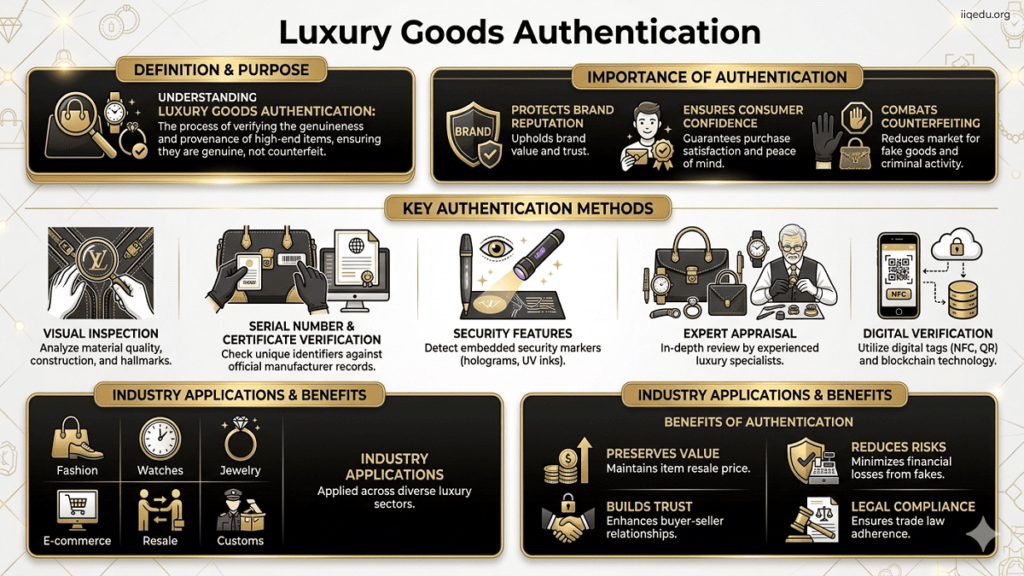
Luxury Goods Authentication is the process of verifying the authenticity of high-end products such as handbags, watches, jewelry, apparel, and accessories. It ensures that items are genuine and not counterfeit. Authentication protects both consumers and brands from fraud, maintains brand reputation, and ensures the value of luxury products in the market.
Key Methods of Luxury Goods Authentication
1. Visual Inspection
- Examining stitching, materials, logos, patterns, and craftsmanship
- Detects inconsistencies or signs of counterfeit production
2. Serial Numbers and Certificates
- Checking unique serial numbers, authenticity cards, or certificates provided by the brand
3. Holograms and Security Features
- Verifying holograms, RFID chips, or watermarks embedded in the product
4. Expert Appraisal
- Professional authenticators use experience and knowledge to validate rare or complex items
5. Digital Verification
- Some brands use blockchain or QR codes for tracking product history and ownership
Importance of Luxury Goods Authentication
- Protects consumers from counterfeit products
- Preserves brand integrity and market value
- Reduces financial loss due to fraud
- Helps retailers and resellers confirm genuine products
What is Luxury Goods Authentication?
Luxury Goods Authentication is the forensic process of verifying that a high-end product, such as a handbag, watch, jewelry, or footwear, is genuine and originates from the claimed brand, as opposed to being a counterfeit or replica.
It is a specialized form of quality control required primarily by e-commerce platforms, resale markets, and consumers to combat the massive global trade in fake luxury items. Unlike standard quality checks that look for manufacturing defects, authentication focuses on establishing provenance and legitimacy.
The process involves a multi-layered inspection conducted by trained experts, often augmented by artificial intelligence and vast databases of authentic items. Key elements of the authentication process include:
Sensory and Material Analysis
Authenticators examine the quality of materials, which is difficult for counterfeiters to replicate precisely. This involves assessing the feel, smell, and grain of leather; the weight and shine of branded hardware such as zippers, buckles, and chains; and the consistency of stitching and craftsmanship.
Examination of Brand-Specific Details
Luxury brands incorporate unique, often microscopic, identifiers. Authenticators verify the placement, font, spacing, and depth of logos, stamps, and serial numbers. They check date codes, hologram stickers, and microchips embedded in products. The accuracy of these details against brand standards is a primary indicator of authenticity.
Verification of Packaging and Documentation
The accompanying dust bags, boxes, care cards, and authenticity certificates are also scrutinized. Counterfeiters often make mistakes in the paper quality, printing techniques, or typography used in these secondary items.
Use of Technology and Databases
Modern authentication leverages technology extensively. High-resolution photography and magnification reveal details invisible to the naked eye. Platforms like DeWu in China use AI-powered image recognition, trained on billions of data points and physical product libraries, to detect inconsistencies as small as 0.1 millimeters. These systems are calibrated against vast “authentic product sample libraries” that function as product libraries for comparison .
Comparison to Known Standards
Authenticators compare the item in question against verified authentic samples, often maintaining extensive physical libraries of every model, batch, and season variation from thousands of brands. This allows them to account for normal manufacturing variations over a product’s lifetime, which counterfeiters may not replicate correctly.
The goal of luxury goods authentication is to provide certainty in the secondary and online markets, protecting both the financial investment of the buyer and the brand equity of the manufacturer.
Who is Luxury Goods Authentication required?
Luxury Goods Authentication is required by anyone involved in buying, selling, or handling high-end luxury products. Here’s a detailed breakdown:
1. Consumers
- Buyers of luxury goods need authentication to ensure they are purchasing genuine items and not counterfeits.
- Protects them from financial loss and low-quality fakes.
2. Retailers and E-commerce Platforms
- Stores and online sellers verify authenticity before selling luxury products.
- Ensures brand compliance, reduces returns, and maintains customer trust.
3. Brands and Manufacturers
- Luxury brands use authentication to protect their products from counterfeiting and preserve brand reputation.
- Maintains exclusivity and market value of genuine items.
4. Resellers and Second-Hand Marketplaces
- Platforms selling pre-owned luxury goods verify authenticity to maintain credibility and prevent fraud.
5. Customs and Regulatory Authorities
- Inspect imported luxury goods to prevent counterfeit items from entering the market.
When is Luxury Goods Authentication required?
Luxury Goods Authentication is required whenever there is a need to verify the authenticity of high-end products. Here’s a clear breakdown:
1. Before Purchase
- Consumers authenticate products before buying, especially in second-hand or online marketplaces, to avoid counterfeit items.
2. Before Resale
- Sellers and resellers authenticate luxury goods to ensure items are genuine before listing them for sale.
3. During Import or Customs Clearance
- Customs authorities may require authentication to prevent counterfeit luxury products from entering a country.
4. After Repairs or Modifications
- Authentication is needed after servicing, refurbishing, or altering a luxury item to ensure it remains genuine.
5. During Brand Verification or Appraisal
- Brands, insurers, or collectors may authenticate products to confirm value, provenance, and legitimacy.
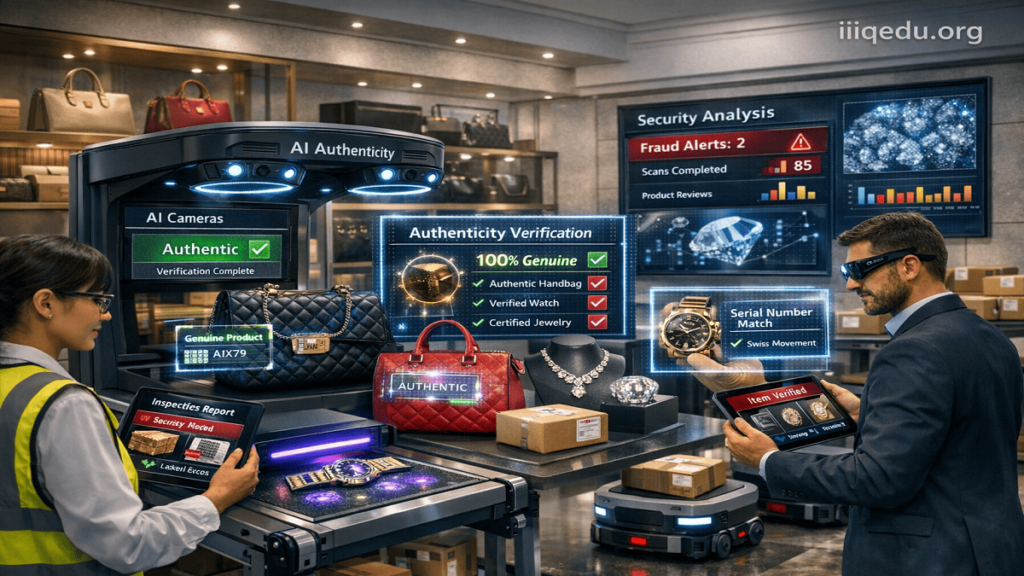
Where is Luxury Goods Authentication required?
Luxury Goods Authentication is required wherever luxury products are bought, sold, imported, or handled. Here’s a detailed breakdown:
1. Retail Stores
- Physical stores selling luxury items authenticate products before sale to ensure genuineness and maintain brand standards.
2. E-commerce Platforms
- Online marketplaces verify authenticity of high-end goods before listing, shipping, or delivering products to customers.
3. Second-Hand and Resale Markets
- Resellers and consignment shops authenticate pre-owned luxury products to protect buyers and maintain credibility.
4. Customs and Import Points
- Imported luxury goods are checked at ports, airports, and borders to prevent counterfeit items from entering the market.
5. Brand Headquarters or Certified Authentication Centers
- Luxury brands and authorized centers authenticate items for warranty, repairs, or certification purposes.
Who is Luxury Goods Authentication required?
Luxury Goods Authentication is required by anyone involved in buying, selling, or handling high-end products. Here’s a detailed breakdown:
1. Consumers
- Buyers need authentication to ensure they are purchasing genuine luxury items and not counterfeit products.
2. Retailers and E-commerce Platforms
- Sellers verify products before sale to maintain customer trust and brand compliance.
3. Brands and Manufacturers
- Luxury brands authenticate products to prevent counterfeiting and protect their reputation and market value.
4. Resellers and Second-Hand Marketplaces
- Pre-owned luxury goods are authenticated to ensure legitimacy and build credibility in the resale market.
5. Customs and Regulatory Authorities
- Authorities check imported luxury items to prevent counterfeit products from entering the market.
Case study of Luxury Goods Authentication
1. Background
A leading online resale platform specializing in pre-owned luxury goods faced challenges with counterfeit handbags, watches, and accessories being listed by sellers. Counterfeit products not only threatened customer trust but also risked legal action from luxury brands.
2. Problem
- Sellers were listing fake items that mimicked popular brands.
- Consumers were skeptical about product authenticity.
- The platform risked damage to its reputation and potential fines from brand owners.
3. Solution (Authentication Process)
a. Expert Visual Inspection
- Trained authenticators examined stitching, material quality, logos, and craftsmanship.
b. Verification of Serial Numbers & Certificates
- Each item’s serial number, authenticity card, and original receipts were cross-checked with brand databases.
c. Use of Technology
- Some high-value items were verified using RFID tags, holograms, or blockchain records for ownership and authenticity tracking.
d. Documentation & Certification
- Each authenticated product was accompanied by a certificate of authenticity for buyer confidence.
4. Results
- 95% of listed products were verified as genuine; counterfeit items were removed before sale.
- Customer trust and satisfaction increased significantly.
- Platform compliance with luxury brand policies improved, reducing legal risks.
- Repeat purchases and marketplace engagement grew by 30%.
5. Key Learnings
- Combining expert inspection with digital verification ensures accurate authentication.
- Transparency and certification build consumer trust in resale markets.
- Early detection of counterfeit items prevents reputational and financial damage.
White paper of Luxury Goods Authentication
1. Introduction
Luxury Goods Authentication is the process of verifying the authenticity of high-end products such as handbags, watches, jewelry, apparel, and accessories. Counterfeiting in the luxury market is a major challenge, leading to financial loss, brand damage, and loss of consumer trust. Authentication ensures that products are genuine, protects consumers and brands, and maintains the value of luxury items.
2. Industry Overview
The global luxury goods market has seen significant growth, fueled by both primary and resale markets. However, counterfeit products account for a substantial portion of this market. Authenticity is critical for consumer trust, brand protection, and legal compliance. Luxury brands and resale platforms increasingly rely on authentication to safeguard their reputation and ensure consumer satisfaction.
3. Key Authentication Methods
a. Visual Inspection
- Examine materials, stitching, logos, patterns, and craftsmanship.
- Detect inconsistencies or flaws indicative of counterfeit items.
b. Serial Numbers & Certificates
- Verify serial numbers, authenticity cards, and certificates provided by the brand.
c. Security Features
- Check embedded features such as holograms, RFID chips, or watermarks.
d. Expert Appraisal
- Professional authenticators use experience to verify rare or complex items.
e. Digital Verification
- Blockchain, QR codes, and tracking systems provide proof of authenticity and product history.
4. Implementation Process
- Initial inspection of product details and materials.
- Cross-check serial numbers, certificates, and brand records.
- Use advanced technology for digital authentication if available.
- Issue a certificate of authenticity for verified items.
- Monitor and report counterfeit detections to maintain market integrity.
5. Benefits
- Protects consumers from counterfeit products.
- Preserves brand reputation and market value.
- Reduces financial loss and legal risks.
- Builds trust in both primary and secondary luxury markets.
6. Challenges
- Sophisticated counterfeiting techniques make detection harder.
- Ensuring authentication consistency across global markets.
- Balancing costs of advanced authentication methods with operational efficiency.
Industry application of Luxury Goods Authentication
1. High-End Fashion and Accessories
- Handbags, shoes, apparel, and jewelry are authenticated to ensure originality.
- Prevents counterfeit items from entering retail stores or online platforms.
2. Watches and Timepieces
- Luxury watches undergo serial number verification, craftsmanship inspection, and documentation checks.
- Maintains brand value and protects customers from fake products.
3. Online Marketplaces and E-commerce Platforms
- Platforms like pre-owned luxury resale sites authenticate items before listing.
- Helps build trust with buyers and prevents fraudulent sales.
4. Resale and Consignment Stores
- Second-hand luxury goods are authenticated before resale to ensure legitimacy.
- Certification of authenticity improves resale value and buyer confidence.
5. Luxury Brand Operations
- Brands use authentication to track products, protect intellectual property, and prevent counterfeit distribution.
- Helps in warranty validation and repair services.
6. Customs and Regulatory Authorities
- Imported luxury goods are verified at borders to prevent counterfeit products from entering the market.
#luxurygoodsauthenticationinmumbai ##luxurygoodsauthenticationinindia #luxurygoodsauthenticationinvasai
Ask FAQs
What is Luxury Goods Authentication?
Luxury Goods Authentication is the process of verifying whether high-end products, such as handbags, watches, jewelry, and apparel, are genuine or counterfeit.
Who needs Luxury Goods Authentication?
Authentication is required by consumers, retailers, resellers, brands, and customs authorities to ensure products are genuine and maintain their value
When is Luxury Goods Authentication required?
It is required before purchase, resale, import, repair, or appraisal of luxury items to prevent counterfeit risks and ensure authenticity.
How is Luxury Goods Authentication performed?
Authentication is performed through visual inspection, serial number and certificate verification, security features, expert appraisal, and digital verification using technologies like blockchain or QR codes.
Why is Luxury Goods Authentication important?
It protects consumers from counterfeit products, preserves brand reputation, maintains market value, reduces legal risks, and builds trust in both primary and resale luxury markets.
Source: Forbes Middle East
Table of Contents
Summary
Luxury Goods Authentication is the process of verifying the authenticity of high-end products such as handbags, watches, jewelry, apparel, and accessories. With the rapid growth of both primary and resale luxury markets, counterfeit products have become a significant challenge, threatening consumer trust, brand reputation, and financial integrity. Authentication ensures that luxury goods are genuine, maintaining their market value and safeguarding consumers from fraud.
The authentication process involves multiple methods. Visual inspection is the most common, where experts examine stitching, materials, logos, patterns, and overall craftsmanship to detect inconsistencies. Serial numbers and certificates are cross-checked with brand records to confirm originality. Security features such as holograms, RFID chips, or watermarks are verified to prevent counterfeiting. Expert appraisal is employed for rare or complex items, relying on specialized knowledge to identify genuine products. Additionally, digital verification using blockchain or QR codes helps track product history and ownership, providing further proof of authenticity.
Luxury Goods Authentication is essential across several sectors. Retailers and e-commerce platforms use it to verify items before sale. Resellers and consignment shops authenticate pre-owned goods to maintain credibility. Brands and manufacturers use authentication to protect intellectual property and maintain exclusivity, while customs and regulatory authorities verify imported products to prevent counterfeit circulation.
By implementing a combination of expert evaluation, technology, and documentation, businesses can effectively ensure product authenticity, protect consumers, uphold brand integrity, and maintain trust in the luxury goods market. Authenticity verification has become a critical tool for sustaining growth and credibility in the global luxury industry.
Luxury Goods Authentication also plays a crucial role in warranty validation, insurance claims, and product resale. It helps buyers and sellers make informed decisions, reduces disputes, and supports market transparency. As counterfeit techniques evolve, combining traditional expertise with digital verification ensures reliable authentication and long-term consumer confidence.
Disclaimer:
This content is for informational and educational purposes only. It does not constitute legal, financial, or professional advice. Users should verify the authenticity of luxury goods independently before making purchases or transactions.