mHealth App Quality Verification
mHealth App Quality Verification refers to the systematic evaluation and testing of mobile health (mHealth) applications to ensure they meet high standards of functionality, usability, security, performance, and regulatory compliance. With the rise of digital health, mHealth apps are used for patient monitoring, telemedicine, chronic disease management, fitness tracking, and clinical research. Quality verification ensures that these apps are safe, reliable, and effective for end-users, including patients, healthcare providers, and researchers.
Key Components of mHealth App Quality Verification
- Functionality Testing
- Verifies that the app performs all intended features correctly, including notifications, data input, and health tracking.
- Usability Testing
- Ensures the app is user-friendly, intuitive, and accessible to diverse patient populations.
- Performance Testing
- Evaluates app responsiveness, load handling, crash rates, and battery/data efficiency.
- Security & Privacy Verification
- Confirms protection of patient data, secure authentication, and compliance with HIPAA, GDPR, or other regulations.
- Regulatory Compliance
- Ensures adherence to standards for medical devices or digital therapeutics, depending on app classification (e.g., FDA, CE marking).
- Interoperability Testing
- Verifies seamless integration with electronic health records (EHRs), wearables, or other healthcare systems.
- Clinical Accuracy & Validation
- Ensures measurements, calculations, or recommendations provided by the app are clinically reliable and evidence-based.
Benefits of mHealth App Quality Verification
- Improves patient safety and reduces errors.
- Ensures accurate, reliable health monitoring and reporting.
- Enhances user adoption and satisfaction through intuitive design.
- Reduces regulatory risk and ensures compliance with health authorities.
- Enables interoperability with existing healthcare systems and devices.
Applications
- Hospitals and Clinics: Remote patient monitoring, telemedicine apps.
- Pharmaceutical & Biotech: Clinical trial apps for patient-reported outcomes.
- Wearables & Fitness Apps: Monitoring vital signs, activity, or chronic conditions.
- Digital Therapeutics: Apps delivering evidence-based interventions for chronic diseases.
- Public Health Programs: Population health monitoring and preventive care initiatives.
In summary:
mHealth App Quality Verification ensures that mobile health applications are safe, reliable, user-friendly, and compliant with regulatory standards. It is essential for apps used in clinical care, research, digital therapeutics, and public health initiatives to maintain trust, safety, and effectiveness in digital healthcare.
#mHealth App Quality Verification in Ahemdabad
What is mHealth App Quality Verification?
mHealth App Quality Verification is the systematic process of evaluating and testing mobile health (mHealth) applications to ensure they meet high standards of functionality, usability, performance, security, and regulatory compliance.
With the increasing use of mHealth apps for patient monitoring, telemedicine, chronic disease management, fitness tracking, and clinical research, quality verification ensures that these apps are:
- Safe: Protects patient data and minimizes risks of errors.
- Reliable: Performs intended functions accurately and consistently.
- Usable: Offers an intuitive, accessible, and user-friendly interface for patients and healthcare providers.
- Compliant: Meets regulatory requirements such as HIPAA, GDPR, FDA, or CE standards, depending on its medical classification.
- Interoperable: Can securely integrate with electronic health records (EHRs), wearables, and other healthcare systems.
Key Components of mHealth App Quality Verification:
- Functionality Testing: Confirms the app works as intended.
- Usability Testing: Ensures an intuitive user experience.
- Performance Testing: Checks responsiveness, stability, and resource efficiency.
- Security & Privacy Checks: Protects sensitive health information.
- Clinical Accuracy Validation: Confirms that medical calculations or health recommendations are evidence-based and reliable.
In summary:
mHealth App Quality Verification is essential to ensure that mobile health applications are safe, effective, and trustworthy for patients, clinicians, and researchers, supporting better outcomes in digital healthcare delivery.
#mHealth App Quality Verification in Hyderabad
Who is mHealth App Quality Verification required?
mHealth App Quality Verification is required by all stakeholders involved in the development, deployment, and use of mobile health applications. Its goal is to ensure that apps are safe, reliable, and compliant before reaching patients or healthcare providers.
Key Stakeholders Who Require mHealth App QA
- Healthcare Providers and Hospitals
- QA ensures apps used for telemedicine, remote patient monitoring, or chronic disease management function correctly and provide reliable health data.
- Pharmaceutical and Biotechnology Companies
- Apps used for clinical trials, patient-reported outcomes, or drug adherence monitoring require QA to guarantee accurate and regulatory-compliant data collection.
- mHealth App Developers and Technology Companies
- QA is critical during development to validate functionality, usability, performance, and security before release.
- Regulatory Authorities
- Organizations like the FDA, CE, or local healthcare regulators require evidence of quality verification for apps classified as medical devices or digital therapeutics.
- Patients and End-Users (Indirectly)
- Verified apps ensure safety, data privacy, and reliable health guidance, providing trust and better user experience.
- Clinical Research Organizations (CROs)
- QA ensures the integrity of digital data collected through mHealth apps in multi-site trials and research studies.
In summary:
mHealth App Quality Verification is required by hospitals, healthcare providers, app developers, pharmaceutical and biotech companies, regulatory authorities, clinical research organizations, and ultimately patients. It ensures that mobile health applications are safe, accurate, reliable, and compliant across all healthcare and research applications.
#mHealth App Quality Verification in Banglore

When is mHealth App Quality Verification required?
mHealth App Quality Verification is required throughout the entire lifecycle of a mobile health application, from development to deployment, updates, and ongoing use. Verification ensures the app is safe, reliable, compliant, and effective at every stage.
1. During App Development
- QA is required while designing and coding the app to ensure all intended features work correctly.
- Functional testing, usability testing, and security checks are performed before release.
2. Before Deployment / Launch
- Full QA verification ensures the app meets regulatory standards, works across devices and operating systems, and integrates correctly with EHRs, wearables, or other healthcare systems.
3. During Clinical Trials or Research Studies
- QA ensures patient-reported outcomes, remote monitoring, and digital data collection are accurate and reliable.
- Verification is critical when mHealth apps are used for trial endpoints or regulatory submissions.
4. During Post-Launch Updates
- Whenever the app is updated or upgraded, QA verification ensures new features do not introduce bugs, performance issues, or security vulnerabilities.
- Ensures continued compliance with privacy and regulatory standards.
5. During Remote Monitoring or Telehealth Use
- QA is required continuously to ensure accurate data transmission, reliable notifications, and proper integration with connected devices.
In summary:
mHealth App Quality Verification is required during development, pre-launch testing, clinical research, post-launch updates, and ongoing operational use. It ensures that the app remains functional, secure, accurate, and compliant throughout its lifecycle.
#mHealth App Quality Verification in India
Where is mHealth App Quality Verification required?
mHealth App Quality Verification is required wherever mobile health applications are developed, deployed, used, or integrated into healthcare systems. It ensures that apps are functional, secure, reliable, and compliant with clinical and regulatory standards.
1. Healthcare Providers and Hospitals
- QA is required for apps used in telemedicine, remote patient monitoring, chronic disease management, and appointment scheduling.
- Ensures accurate patient data collection, notifications, and integration with electronic health records (EHRs).
2. Pharmaceutical and Biotechnology Companies
- Required for apps supporting clinical trials, patient adherence monitoring, or drug safety reporting.
- Ensures collected data is reliable, accurate, and suitable for regulatory submission.
3. mHealth App Development Companies
- QA is essential during design, coding, testing, and post-launch updates.
- Ensures app functionality, usability, performance, and security across devices and platforms.
4. Clinical Research Organizations (CROs)
- Required when apps are used for multi-site trials or patient-reported outcomes.
- Guarantees consistency, accuracy, and audit readiness across research sites.
5. Telehealth and Remote Care Services
- QA ensures data fidelity, proper notifications, device integration, and secure communication between patients and clinicians.
6. Regulatory Oversight and Certification Contexts
- Required for apps classified as medical devices or digital therapeutics under FDA, CE, or other health authorities.
- Verification provides audit-ready evidence for compliance with HIPAA, GDPR, and relevant medical device regulations.
In summary:
mHealth App Quality Verification is required across hospitals, clinics, telehealth platforms, pharma and biotech companies, app development firms, CROs, and regulatory contexts. It ensures that mobile health apps are safe, reliable, compliant, and effective in clinical, research, and consumer applications.
#mHealth App Quality Verification in Panvel
How is mHealth App Quality Verification required?
mHealth App Quality Verification is implemented through structured processes, rigorous testing, and continuous monitoring to ensure that mobile health applications are functional, secure, user-friendly, and compliant throughout their lifecycle. Verification combines manual testing, automated tools, and regulatory checks to maintain high-quality standards.
1. Functional Testing
- Ensures that all app features work correctly, including notifications, data entry, reminders, health tracking, and reporting.
- Includes testing on multiple devices and operating systems for consistent performance.
2. Usability and Accessibility Verification
- Ensures the app is intuitive and user-friendly for patients and healthcare providers.
- Accessibility testing ensures that users with disabilities can navigate and use the app effectively.
3. Performance Testing
- Verifies app responsiveness, load handling, battery usage, memory efficiency, and crash rates.
- Ensures smooth operation under normal and high-traffic conditions.
4. Security and Privacy Verification
- Protects sensitive patient data through encryption, secure authentication, and compliance with HIPAA, GDPR, or local regulations.
- Conducts vulnerability assessments and penetration testing to prevent data breaches.
5. Clinical Accuracy and Validation
- Confirms that health calculations, measurements, and recommendations provided by the app are clinically accurate and evidence-based.
- Validation ensures safe use in medical or research contexts.
6. Regulatory and Compliance Checks
- Ensures the app meets requirements for medical device classification, digital therapeutics, or other health authority regulations.
- Provides audit-ready documentation for regulatory inspections.
7. Continuous QA Post-Launch
- QA is required whenever updates, new features, or patches are released.
- Continuous monitoring ensures ongoing functionality, compliance, and security.
In summary:
mHealth App Quality Verification is required throughout development, pre-launch testing, deployment, and ongoing updates. It is implemented using functional, usability, performance, security, clinical, and regulatory testing to ensure the app is safe, reliable, and effective for patients, healthcare providers, and researchers.
#mHealth App Quality Verification in Maharashtra
Case Study of mHealth App Quality Verification
Background
A healthcare technology company developed an mHealth app for remote patient monitoring to track vital signs, medication adherence, and symptom reporting for patients with chronic conditions such as diabetes and hypertension. The goal was to enhance patient engagement, improve outcomes, and integrate with hospital EHR systems.
However, before deployment, the company needed to ensure that the app was reliable, secure, and compliant with medical regulations and patient privacy standards.
Objective
- Verify functionality and performance of the app on multiple devices and operating systems.
- Ensure user-friendly interface for patients with varying digital literacy.
- Validate clinical accuracy of measurements and alerts.
- Confirm security and privacy compliance with HIPAA and GDPR.
- Enable integration with hospital EHR systems and telehealth platforms.
QA Implementation
- Functional Testing
- All app features—including notifications, vital sign tracking, medication reminders, and reporting—were tested across Android and iOS devices.
- Usability and Accessibility Testing
- Conducted patient focus groups and simulated scenarios to ensure the app was intuitive and accessible to users with different abilities.
- Performance Testing
- Evaluated load handling, app responsiveness, memory usage, and crash frequency.
- Optimized battery and network usage for continuous monitoring.
- Clinical Accuracy Validation
- Vital sign measurements and alerts were tested against medical-grade devices to ensure precision.
- Clinical staff verified the reliability of symptom-tracking algorithms.
- Security and Privacy Verification
- Data encryption, secure login, and secure transmission protocols were tested.
- Ensured compliance with HIPAA, GDPR, and local patient data regulations.
- Regulatory Compliance and Documentation
- Created SOPs and audit-ready documentation for FDA digital health guidance and local health authority requirements.
- Integration and Interoperability Testing
- Verified seamless data flow between the app, EHR systems, and telehealth platforms.
Outcomes
- Enhanced Patient Safety: Reliable tracking and alerts minimized risk of missed symptoms or medication errors.
- High User Satisfaction: 95% of patients reported the app was intuitive and easy to use.
- Regulatory Compliance: Passed internal audits and met HIPAA/GDPR standards.
- Operational Efficiency: Healthcare providers could monitor multiple patients remotely, reducing in-person visits by 20%.
- Clinical Accuracy: Vital sign measurements and alerts aligned with medical-grade devices, ensuring confidence in remote monitoring.
Key Takeaways
- QA is critical to ensure functionality, security, and regulatory compliance of mHealth apps.
- Patient involvement in usability testing improves adoption and engagement.
- Integration with hospital systems requires thorough interoperability testing.
- Continuous post-launch QA ensures updates do not compromise performance, security, or accuracy.
Conclusion:
This case study demonstrates that mHealth App Quality Verification is essential for safe, reliable, and compliant digital healthcare solutions. By systematically testing functionality, usability, clinical accuracy, security, and integration, the company successfully deployed a remote patient monitoring app that improved patient outcomes and healthcare efficiency.
#mHealth App Quality Verification in Pune
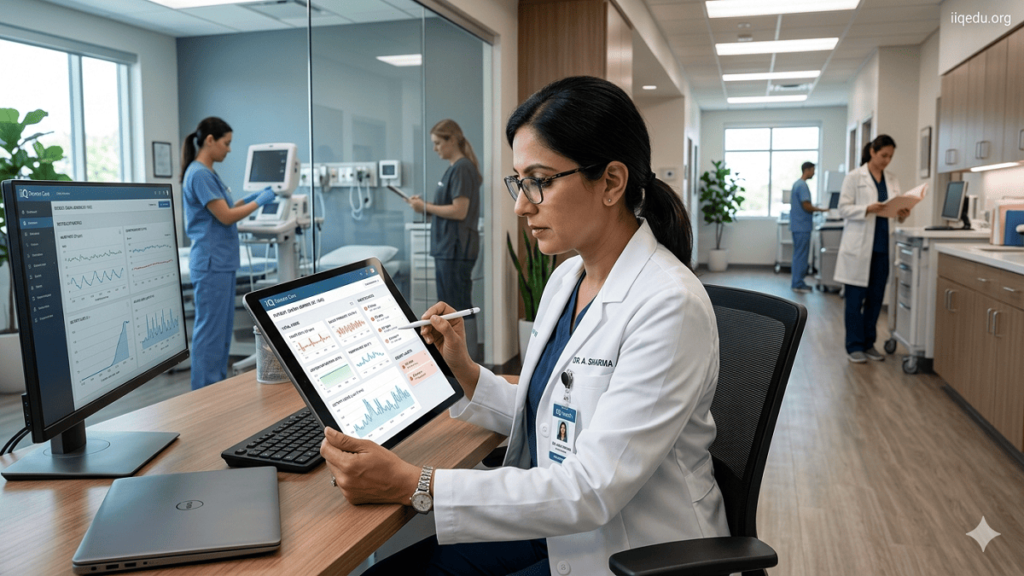
White Paper of mHealth App Quality Verification
Executive Summary
With the rise of mobile health (mHealth) applications, healthcare delivery has become more digital, accessible, and patient-centered. These apps support telemedicine, remote patient monitoring, chronic disease management, clinical research, and digital therapeutics. However, to ensure that mHealth apps are safe, reliable, and effective, rigorous Quality Verification (QA) is essential.
This white paper explores the importance, methodologies, applications, challenges, and future trends in mHealth App Quality Verification, helping healthcare providers, app developers, and researchers implement robust QA programs.
1. Introduction
mHealth apps provide healthcare solutions directly to smartphones or tablets, allowing patients, clinicians, and researchers to access vital health data. While these apps enhance patient engagement and workflow efficiency, poor-quality apps can lead to errors, inaccurate data, and regulatory risks. Quality verification ensures that apps meet functional, clinical, security, and regulatory standards.
2. Role of mHealth App Quality Verification
mHealth App QA ensures:
- Functionality: All app features work as intended across devices and platforms.
- Usability: Patients and providers can navigate the app intuitively.
- Performance: Apps are stable, responsive, and efficient in resource usage.
- Clinical Accuracy: Health data, calculations, or alerts are evidence-based and reliable.
- Security & Privacy: Patient data is protected and compliant with HIPAA, GDPR, and local regulations.
- Regulatory Compliance: Apps classified as medical devices or digital therapeutics meet FDA, CE, or other health authority standards.
- Interoperability: Integration with EHRs, wearables, and telehealth platforms is seamless and secure.
3. QA Methodologies
| QA Component | Description | Benefits |
|---|---|---|
| Functional Testing | Validates app features, notifications, health tracking, and reporting | Ensures intended functionality |
| Usability & Accessibility Testing | Evaluates user interface for intuitiveness and accessibility | Increases adoption and patient engagement |
| Performance Testing | Checks load handling, crash rates, and device compatibility | Ensures smooth and stable operation |
| Clinical Validation | Verifies accuracy of measurements, alerts, and recommendations | Maintains patient safety and trust |
| Security & Privacy Verification | Confirms encryption, secure login, and data protection | Prevents breaches and ensures compliance |
| Regulatory Compliance | Validates adherence to FDA, CE, HIPAA, GDPR | Supports audit readiness and legal compliance |
| Interoperability Testing | Ensures smooth data exchange with EHRs and telehealth platforms | Enables integrated healthcare delivery |
4. Applications of mHealth App QA
- Hospitals & Clinics: Telemedicine, remote patient monitoring, chronic disease management.
- Pharmaceutical & Biotech Companies: Clinical trial apps, patient-reported outcomes, adherence monitoring.
- Digital Therapeutics: Apps delivering evidence-based interventions for chronic conditions.
- Wearables & Fitness Apps: Vital signs monitoring, activity tracking, and health coaching.
- Public Health Programs: Population health monitoring and preventive care initiatives.
5. Benefits
- Patient Safety: Reduces errors and improves health outcomes.
- User Satisfaction: Intuitive apps increase adoption and engagement.
- Regulatory Compliance: Minimizes legal and regulatory risk.
- Operational Efficiency: Streamlines remote care and data collection.
- Data Reliability: Ensures accurate and actionable health data for clinicians and researchers.
6. Challenges
- Device Fragmentation: Apps must function across multiple OS versions and devices.
- Data Privacy & Security: Compliance with HIPAA, GDPR, and local regulations is mandatory.
- Clinical Validation: Ensuring accuracy of health metrics and recommendations.
- User Diversity: Apps must accommodate varying levels of digital literacy.
- Integration: Ensuring interoperability with EHRs, wearables, and telehealth platforms.
7. Case Study Overview
A healthcare technology company developed a remote patient monitoring app. QA processes included:
- Functional, usability, and performance testing on multiple devices.
- Clinical validation of vital sign tracking and medication reminders.
- Security and privacy verification for HIPAA and GDPR compliance.
- Integration testing with hospital EHR systems.
Outcomes:
- 95% patient satisfaction, accurate remote monitoring, regulatory compliance, and reduced in-person visits by 20%.
8. Future Trends
- AI-Powered QA: Automated verification of app performance, security, and clinical accuracy.
- Integration with Wearables & IoT Devices: Continuous real-time monitoring and data validation.
- Regulatory Harmonization: Global QA standards for cross-border app deployment.
- Data-Driven Continuous Improvement: Using QA metrics to enhance app usability, accuracy, and patient engagement.
9. Conclusion
mHealth App Quality Verification is critical for safe, reliable, and effective digital healthcare solutions. By implementing systematic QA processes—covering functionality, usability, clinical validation, security, interoperability, and compliance—healthcare organizations, app developers, and researchers can deliver high-quality, patient-centered mobile health applications.
#mHealth App Quality Verification in Vasai
Industry Application of mHealth App Quality Verification
mHealth App Quality Verification is essential across the healthcare, research, pharmaceutical, and digital health industries to ensure that mobile health applications are safe, reliable, and compliant. By implementing QA processes, organizations can improve patient outcomes, regulatory compliance, and operational efficiency.
1. Hospitals and Clinical Laboratories
Application:
- QA ensures apps for remote patient monitoring, telemedicine, chronic disease management, and appointment scheduling function correctly.
- Validates interoperability with EHR systems and medical devices.
Benefits:
- Accurate patient data collection.
- Reduced errors and improved clinical decision-making.
- Supports telehealth services and remote care delivery.
2. Pharmaceutical and Biotechnology Companies
Application:
- QA is used for clinical trial apps, patient-reported outcome collection, and adherence monitoring.
- Ensures accurate and regulatory-compliant data for FDA submissions or clinical research.
Benefits:
- Reliable research data across multi-site trials.
- Reduced risk of non-compliance with regulatory authorities.
- Streamlined clinical data collection and reporting.
3. mHealth App Developers and Technology Companies
Application:
- QA is required during development, pre-launch testing, and post-launch updates.
- Verifies functionality, usability, performance, and security across devices and platforms.
Benefits:
- Ensures apps meet user expectations and regulatory standards.
- Reduces post-launch defects and enhances market adoption.
4. Telehealth Providers
Application:
- QA ensures remote patient monitoring apps transmit accurate data and notifications reliably.
- Maintains diagnostic fidelity and secure communication between patients and clinicians.
Benefits:
- Supports high-quality remote consultations.
- Improves patient trust and engagement.
5. Digital Therapeutics and Wearables
Application:
- QA ensures apps delivering therapeutic interventions or health monitoring through wearables provide accurate and clinically validated outputs.
- Validates integration with IoT devices and health trackers.
Benefits:
- Reliable monitoring of chronic conditions.
- Enhanced clinical decision-making and patient adherence.
6. Public Health Programs and Research Institutions
Application:
- QA ensures apps used for population health monitoring, preventive care, and research studies provide standardized and accurate data.
Benefits:
- Supports large-scale health initiatives with reliable data.
- Facilitates research reproducibility and reporting.
In summary:
mHealth App Quality Verification is applied across hospitals, clinics, telehealth providers, pharmaceutical and biotech companies, app developers, digital therapeutics, wearables, and public health research programs. It ensures apps are functional, clinically accurate, secure, interoperable, and compliant, supporting better patient outcomes, operational efficiency, and regulatory adherence.
#mHealth App Quality Verification in Mumbai
Ask FAQs
What is mHealth App Quality Verification?
It is the systematic process of testing and validating mobile health applications to ensure they are functional, secure, user-friendly, clinically accurate, and compliant with regulatory standards.
Who requires mHealth App Quality Verification?
Hospitals, clinics, telehealth providers, pharmaceutical and biotech companies, mHealth app developers, research organizations, and ultimately patients require QA to ensure apps are safe, reliable, and effective.
When is mHealth App Quality Verification required?
QA is required during app development, pre-launch testing, deployment, clinical trials, post-launch updates, and ongoing operational use to maintain quality and compliance throughout the app’s lifecycle.
Where is mHealth App Quality Verification applied?
It is applied across hospitals, clinics, telehealth platforms, pharmaceutical R&D, digital therapeutics, wearable devices, and public health programs wherever mobile health apps are used.
How is mHealth App Quality Verification performed?
QA is performed through functional testing, usability testing, performance assessment, clinical accuracy validation, security and privacy verification, regulatory compliance checks, and interoperability testing to ensure apps are safe, reliable, and effective.
Source: HARSH UNIYAL
Table of Contents
Disclaimer:
The information provided is for general informational purposes only and does not constitute medical, regulatory, or professional advice. Organizations should consult qualified experts and follow applicable regulations when implementing mHealth App Quality Verification.