Public Sector & Government
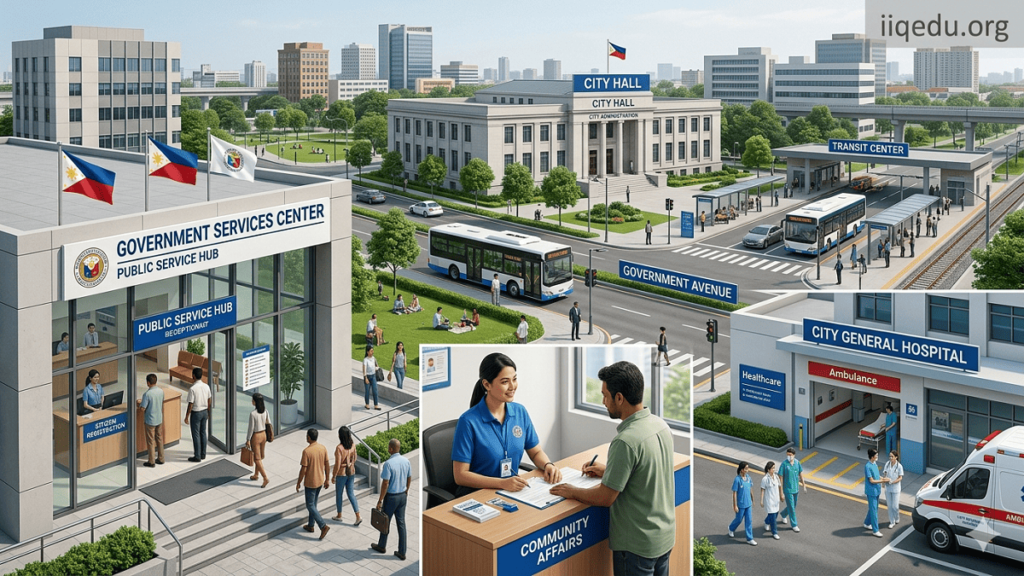
The public sector and government comprise entities responsible for delivering essential services, maintaining infrastructure, enforcing laws, and supporting social welfare. Their operations span national defense, public safety, healthcare, education, transportation, utilities, and regulatory oversight.
1. Infrastructure and Urban Development
- Planning, construction, and maintenance of roads, bridges, tunnels, and public buildings.
- Ensuring structural safety, accessibility, and resilience against natural disasters or aging infrastructure.
- Implementing smart city initiatives for efficient urban management and monitoring.
2. Public Safety and Defense
- Law enforcement agencies for crime prevention, emergency response, and public order.
- Military and defense departments managing national security, border protection, and strategic operations.
- Disaster management agencies overseeing emergency preparedness, rescue operations, and hazard mitigation.
3. Health and Social Services
- Administration of public hospitals, clinics, and healthcare programs.
- Social welfare initiatives for housing, food security, and citizen support.
- Public health monitoring, epidemic control, and vaccination programs.
4. Utilities and Public Services
- Management of water supply, electricity, gas, and sanitation for residential and industrial use.
- Monitoring compliance with environmental regulations and safety standards.
- Implementation of renewable energy projects and sustainable urban initiatives.
5. Regulatory and Governance Functions
- Policy development, legislation, and oversight to ensure rule of law, transparency, and accountability.
- Licensing, permits, and compliance enforcement in areas like transportation, construction, and industry.
- Collection of public data and statistics for informed decision-making.
Key Benefits
- Ensures national security and public safety.
- Provides essential services and infrastructure that support economic growth.
- Promotes social equity, environmental sustainability, and regulatory compliance.
- Enhances citizen trust and government accountability.
References:
- World Bank, Public Sector Overview: https://www.worldbank.org/en/topic/governance
- United Nations, Public Administration and Governance: https://www.un.org/development/desa/publications/public-administration
- OECD, Government at a Glance: https://www.oecd.org/governance/government-at-a-glance-22214399.htm
#Public Sector & Government in Banglore
What is Public Sector & Government?
The public sector refers to the portion of the economy that is controlled, funded, and operated by the government to provide goods and services for the benefit of citizens. It includes federal, state, and local government agencies, departments, and institutions that deliver essential services and manage public resources.
Government, on the other hand, is the organization or system that exercises authority and governance over a country, region, or community. It establishes laws, policies, and regulations, provides public services, maintains security, and oversees economic and social development.
In essence:
- The public sector is the operational arm that delivers services and infrastructure.
- The government is the decision-making and regulatory body that sets policies, enforces laws, and allocates resources.
Key Components of Public Sector & Government:
- Public Administration: Departments and ministries managing services such as education, healthcare, transportation, and utilities.
- Law Enforcement and Defense: Police, military, and emergency services ensuring safety and security.
- Infrastructure & Urban Development: Construction and maintenance of roads, bridges, public buildings, and utilities.
- Regulatory and Oversight Functions: Agencies that enforce laws, set standards, and monitor compliance.
- Social Services & Welfare: Programs addressing health, housing, food security, and citizen support.
Reference Links:
- United Nations, Public Administration and Governance: https://www.un.org/development/desa/publications/public-administration
- World Bank, Public Sector Overview: https://www.worldbank.org/en/topic/governance
- OECD, Government at a Glance: https://www.oecd.org/governance/government-at-a-glance-22214399.htm
#Public Sector & Government in Delhi

Who is Public Sector & Government required?
The Public Sector & Government is essential for all segments of society, businesses, and institutions that depend on regulation, public services, and infrastructure. Key stakeholders include:
1. Citizens and Communities
- Individuals and families rely on government for education, healthcare, sanitation, public safety, and social welfare.
- Communities require government oversight for urban planning, infrastructure maintenance, and disaster management.
2. Businesses and Industry
- Companies depend on government agencies for regulatory compliance, permits, and licensing.
- Public utilities and infrastructure provided by the government, such as roads, power, and water, are critical for business operations.
- Businesses benefit from policy guidance, economic incentives, and industrial standards enforced by the public sector.
3. Educational and Research Institutions
- Schools, universities, and research centers require public sector funding, regulation, and infrastructure support.
- Government programs often provide grants, scholarships, and research opportunities.
4. Non-Governmental Organizations (NGOs) and Social Services
- NGOs and social enterprises collaborate with government agencies for public welfare programs, disaster relief, and environmental protection.
5. Internal Government and Public Administration
- Departments, ministries, and civil services require governance frameworks to organize resources, execute policies, and ensure accountability.
Summary:
The public sector and government are required by virtually everyone in society—from individual citizens to large corporations—because they provide essential services, enforce regulations, maintain infrastructure, and ensure social and economic stability.
References:
- OECD, Government at a Glance: https://www.oecd.org/governance/government-at-a-glance-22214399.htm
- World Bank, Public Sector Overview: https://www.worldbank.org/en/topic/governance
- United Nations, Public Administration and Governance: https://www.un.org/development/desa/publications/public-administration
#Public Sector & Government in Singapore
When is Public Sector & Government required?
The Public Sector & Government is required in situations where society, infrastructure, economy, or public welfare depend on organized oversight, service delivery, and regulation. Its presence is critical during the following circumstances:
1. Everyday Governance and Service Delivery
- Daily operations like public education, healthcare, utilities, transportation, and sanitation rely on government and public sector management.
- Citizens depend on these services for safety, convenience, and quality of life.
2. Policy Implementation and Regulation
- When laws, standards, and regulations need enforcement, such as labor laws, environmental protection, or public safety codes.
- Businesses, organizations, and individuals require government oversight to ensure compliance and fair practices.
3. Infrastructure and Development Projects
- During the planning, construction, and maintenance of roads, bridges, airports, dams, and public buildings.
- Government is essential to coordinate resources, approve projects, and maintain long-term sustainability.
4. Crisis Management and Emergency Response
- In times of natural disasters, pandemics, security threats, or industrial accidents, government agencies provide coordination, relief, and regulatory intervention.
- Civil protection, disaster management, and public health agencies are vital in such emergencies.
5. Economic and Social Stability
- Public sector interventions are required during economic recessions, unemployment crises, or social inequality issues.
- Programs like subsidies, welfare benefits, and job creation initiatives rely on government oversight.
Summary
The Public Sector & Government is required continuously, but especially during policy implementation, infrastructure development, emergency response, and social or economic interventions. Its role ensures stability, safety, and equitable access to essential services for citizens and organizations.
References:
- World Bank, Public Sector Overview: https://www.worldbank.org/en/topic/governance
- United Nations, Public Administration and Governance: https://www.un.org/development/desa/publications/public-administration
- OECD, Government at a Glance: https://www.oecd.org/governance/government-at-a-glance-22214399.htm
#Public Sector & Government in Kolkata
Where is Public Sector & Government required?
The public sector and government are needed in every domain where societal structure, public welfare, and regulatory oversight are necessary. At the community level, they ensure access to education, healthcare, sanitation, and public utilities, supporting the everyday needs of citizens. In the realm of infrastructure, they are critical for planning, constructing, and maintaining roads, bridges, airports, dams, and public buildings, ensuring structural safety and long-term durability.
In defense and national security, government agencies operate in military bases, border areas, and strategic zones, providing protection and law enforcement. Public health and social welfare facilities, including hospitals, clinics, and emergency shelters, rely on government management to deliver timely and effective services. Regulatory and compliance sectors, such as industrial inspection, environmental monitoring, and financial oversight, depend on the government to enforce standards and maintain transparency. Across all these areas, the public sector acts as the operational backbone while government authorities provide strategic oversight and governance.
#Public Sector & Government in Ahemdabad
How is Public Sector & Government Implemented?
development, administrative execution, and regulatory enforcement. Policy and legislation form the foundation, establishing laws, regulations, and guidelines that govern society and economic activities. Once policies are defined, public agencies and departments deliver services in healthcare, education, sanitation, utilities, and infrastructure management.
Infrastructure implementation requires planning, resource allocation, construction, and maintenance of critical public assets such as transportation networks, energy grids, water systems, and public buildings. Monitoring and enforcement ensure that regulations and standards are adhered to, maintaining safety, quality, and fairness. In times of emergency, the government coordinates rapid response operations, disaster management, and public health interventions. Implementation also involves collaboration with private entities, NGOs, and community organizations, ensuring that programs are efficient, inclusive, and sustainable.
#Public Sector & Government in Hyderabad
Case Study: Public Sector & Government in Urban Flood Management
Urban flooding has become an increasing challenge for coastal and riverine cities due to climate change, rapid urbanization, and aging infrastructure. In one metropolitan city, recurrent monsoon floods affected thousands of residents, disrupted transportation, and damaged critical infrastructure such as bridges, roads, and water treatment facilities. In response, the municipal government implemented a comprehensive flood management program integrating technology, infrastructure improvements, and coordinated emergency response.
Real-time flood monitoring systems were installed, including river and reservoir sensors, rainfall measurement stations, and predictive analytics software. These systems enabled authorities to issue early warnings to citizens via SMS alerts, social media, and public announcements, reducing risk to life. Public sector agencies coordinated evacuation plans, established temporary shelters, and distributed emergency supplies including food, water, and medical kits.
In parallel, long-term infrastructure measures were undertaken. Drainage networks were upgraded to manage higher water volumes, embankments were reinforced, and retention basins were constructed to regulate runoff. Bridges and roads were retrofitted to withstand flooding stresses, and vulnerable neighborhoods received targeted protection measures. Collaboration with NGOs and community organizations ensured effective allocation of resources and support for at-risk populations.
Over two years, these interventions resulted in a 35% reduction in flood-related casualties and minimized property damage. Citizens reported increased trust in government operations, while the city became a benchmark for urban resilience planning. This case study demonstrates how effective public sector governance and coordinated government action can save lives, protect infrastructure, and enhance community trust.
Reference Links:
- United Nations Office for Disaster Risk Reduction – Urban Flooding: https://www.undrr.org/
- World Bank – Disaster Risk Management: https://www.worldbank.org/en/topic/disasterriskmanagement
#Public Sector & Government in Kolkata
White Paper: Strategic Role of Public Sector & Government in National Development
The public sector and government are central to national stability, economic growth, and social welfare. Governments formulate policies, enforce regulations, and deliver services that ensure equitable access and maintain law and order. The public sector operationalizes these policies through ministries, agencies, and institutions that provide healthcare, education, transportation, utilities, and social services.
A white paper highlights that strong governance enables strategic infrastructure projects, regulatory compliance, and environmental sustainability. It draws on case studies, such as urban disaster management and public health programs, showing how coordinated government action protects citizens, minimizes losses, and fosters societal trust. The white paper also addresses challenges such as bureaucratic inefficiency, budgetary constraints, and the need for digital transformation. Proposed solutions include e-governance initiatives, public-private partnerships, and data-driven decision-making, enhancing transparency and efficiency.
In conclusion, a robust public sector ensures long-term economic stability, social equity, and sustainable development, reinforcing the government’s dual role as regulator and service provider.
Reference Links:
- OECD, Government at a Glance: https://www.oecd.org/governance/government-at-a-glance-22214399.htm
- UN DESA, Public Administration: https://www.un.org/development/desa/publications/public-administration
#Public Sector & Government in Pune
Industry Applications of Public Sector & Government
The public sector and government impact nearly every industry, serving as regulators, service providers, and strategic planners.
- Urban Planning and Smart Cities: Governments oversee the design, implementation, and management of transport systems, energy grids, waste management, and digital infrastructure to ensure sustainable urban development.
- Defense and Security: Military operations, border protection, law enforcement, and emergency response are coordinated through government bodies to safeguard national security.
- Healthcare and Social Services: Public hospitals, vaccination programs, disaster relief, and social welfare programs are delivered and managed by government institutions to promote citizen well-being.
- Energy and Utilities: Government agencies manage electricity, water, gas, and renewable energy projects, ensuring operational continuity and adherence to environmental and safety standards.
- Regulatory Oversight: Industries such as manufacturing, finance, and environmental services rely on government agencies for compliance with safety, quality, and ethical standards.
Across all sectors, the public sector provides the framework for stability, safety, and equitable access, enabling private industries and communities to operate efficiently and sustainably.
Reference Links:
- World Bank – Public Sector Overview: https://www.worldbank.org/en/topic/governance
- UNDP – Public Sector & Development: https://www.undp.org/public-sector
- OECD – Public Governance: https://www.oecd.org/governance/
#Public Sector & Government in Mumbai
Ask FAQs
What is the role of the public sector and government in society?
The public sector and government play a fundamental role in ensuring social stability, economic development, and citizen welfare. Governments create laws, enforce regulations, and establish policies that guide the functioning of society, while the public sector operationalizes these policies by delivering essential services. These services include healthcare, education, sanitation, transportation, and social welfare programs. Beyond service delivery, governments are responsible for infrastructure development, public safety, and regulatory oversight, ensuring that citizens and businesses operate in a safe, equitable, and sustainable environment. Effective governance promotes trust, transparency, and long-term social and economic resilience.
References:
OECD, Government at a Glance: https://www.oecd.org/governance/government-at-a-glance-22214399.htm
UN DESA, Public Administration: https://www.un.org/development/desa/publications/public-administration
Who benefits from public sector and government services?
Virtually all members of society benefit from government and public sector operations. Citizens rely on access to healthcare, education, utilities, and social welfare programs. Businesses depend on regulatory frameworks, public infrastructure, and permits to operate efficiently and safely. Educational and research institutions rely on funding, policy support, and infrastructure provided by public sector agencies. NGOs and community organizations collaborate with government bodies to deliver social programs and disaster relief. Even government agencies themselves require structured governance to ensure efficient internal operations. In essence, the public sector and government are critical for anyone who interacts with social, economic, or regulatory systems.
References:
World Bank, Public Sector Overview: https://www.worldbank.org/en/topic/governance
UNDP, Public Sector & Development: https://www.undp.org/public-sector
When and why is public sector and government intervention required?
Government and public sector intervention is required continuously, but especially in circumstances where societal stability, public welfare, or infrastructure safety is at risk. Daily needs such as healthcare, education, utilities, and transportation require ongoing government support. During emergencies, such as natural disasters, pandemics, or security threats, rapid coordination by public agencies is essential to protect lives and minimize economic losses. Additionally, intervention is required to enforce laws, regulate industries, manage large-scale infrastructure projects, and implement social welfare programs. These interventions ensure equity, compliance, and long-term economic and social resilience.
References:
United Nations Office for Disaster Risk Reduction: https://www.undrr.org/
World Bank – Disaster Risk Management: https://www.worldbank.org/en/topic/disasterriskmanagement
How is public sector and government implemented effectively?
Implementation involves policy formulation, administrative execution, and monitoring. Governments create regulations and guidelines that set the legal and operational framework. Public sector agencies deliver services such as healthcare, education, utilities, transportation, and social support. Infrastructure projects are planned, constructed, and maintained to meet societal demands. Monitoring and enforcement ensure compliance with safety, environmental, and ethical standards. Effective implementation also requires collaboration with NGOs, community organizations, and private industry, as well as adopting digital solutions, e-governance platforms, and data-driven decision-making to enhance transparency, efficiency, and responsiveness.
References:
OECD, Public Governance: https://www.oecd.org/governance/
UN DESA, Public Administration and Governance: https://www.un.org/development/desa/publications/public-administration
What industries and sectors rely on public sector and government services?
The public sector impacts almost every industry by providing essential services, regulatory oversight, and strategic guidance. Urban planning and smart city development rely on government for transport systems, waste management, and energy distribution. Defense and security sectors depend on law enforcement, military operations, and emergency preparedness. Healthcare and social service delivery, including hospitals, vaccination programs, and disaster relief, are government-managed. Energy and utilities, including electricity, water, gas, and renewable energy, are regulated and often operated by public entities. Additionally, regulatory oversight in finance, manufacturing, and environmental management ensures that industries meet safety, quality, and sustainability standards. Without a functioning public sector and government, the efficient operation and stability of these industries would be severely compromised.
References:
World Bank, Public Sector Overview: https://www.worldbank.org/en/topic/governance
UNDP – Public Sector & Development: https://www.undp.org/public-sector
Source: StudyIQ IAS
Table of Contents
Disclaimer:
This content is for educational and informational purposes only. Public sector policies and government implementations may vary by country and context. Readers should consult official sources before making decisions.